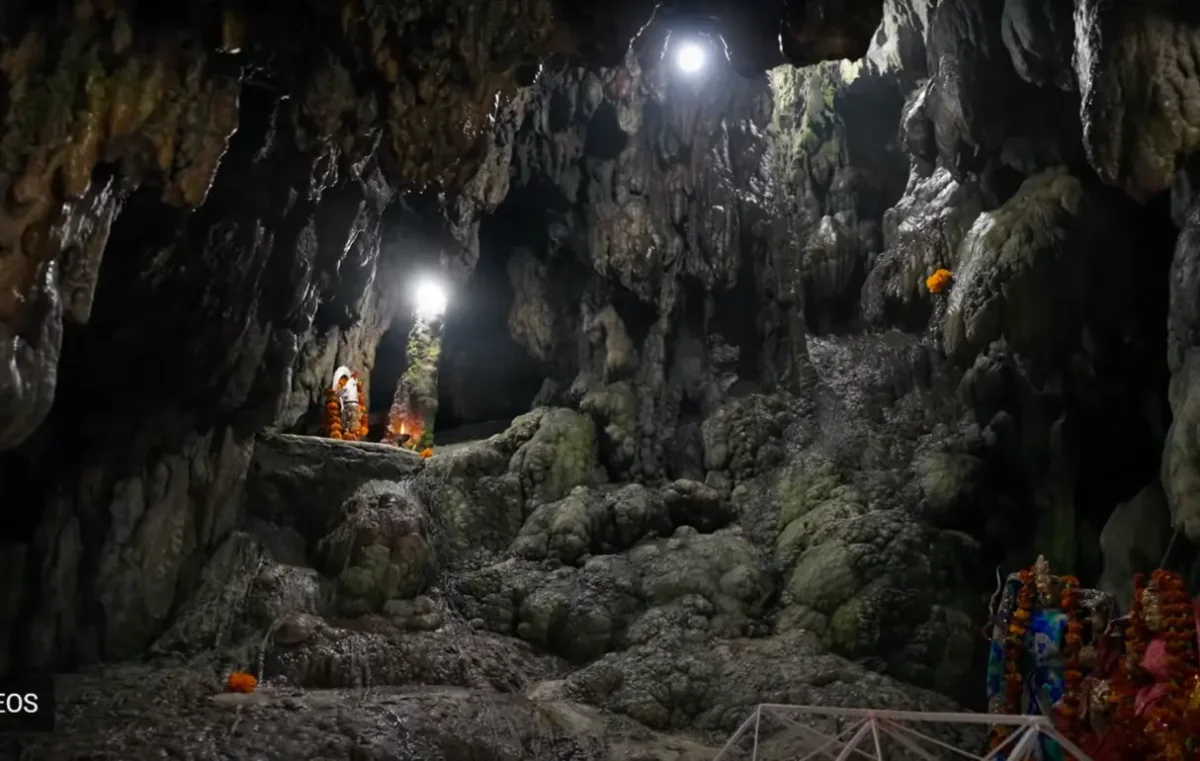
Nau Devi Cave Temple, Reasi District, Jammu & Kashmir, India

Nau Devi cave temple , Jammu
The temple is dedicated to Goddess Durga in her nine divine forms (Nau Devis) and is an important regional pilgrimage site. Visitors come to pass through the natural cave, offer prayers, and experience the temple\'s spiritual setting amidst the Shivalik hills.

Quick Facts About Nau Devi cave temple

Nau Devi Cave Temple, Jammu & Kashmir Quick Facts

Entry Fee Free
Timings Generally 6:00 AM–8:00 PM; timings may vary during festivals and special religious occasions.
Altitude (m) Approximately 610 m
Ideal Visit Duration 1–2 hours
Best Time of Day Early morning for a peaceful darshan or late afternoon before the evening aarti.
Crowd Level Moderate on regular days; high during Navratri and other major Hindu festivals.
Distance from City Centre (km) Approximately 28 km from Katra town centre.
Walking Difficulty Easy to moderate; involves a short walk with steps leading to the cave shrine.
Parking Available Yes, limited parking is available near the temple approach.
Last Mile Access Accessible by motorable road followed by a short walk and steps to the cave entrance.
Suitable for Kids Yes
Suitable for Seniors Yes, although assistance may be helpful on the steps leading to the cave.
Wheelchair Friendly No; the cave entrance and stepped approach are not wheelchair accessible.

Why Visit Nau Devi Cave Temple, Jammu & Kashmir

Visitors come to Nau Devi Cave Temple to seek the blessings of Goddess Durga and to experience one of the region's well-known cave shrines. The temple attracts pilgrims throughout the year, particularly during Navratri, when devotees undertake the uphill walk to offer prayers.

The atmosphere is devotional and peaceful, with chants, temple bells, and the natural surroundings creating a spiritual setting. The route to the cave passes through forested hills, and the cave itself offers a simple yet memorable pilgrimage experience.

What makes Nau Devi Cave Temple distinct is its naturally formed cave housing the shrine, combined with scenic hill views and a traditional pilgrimage route. Its blend of religious significance, natural surroundings, and accessible trekking experience makes it a rewarding destination for both devotees and travelers exploring Jammu & Kashmir.

History of Nau Devi Cave Temple, Jammu & Kashmir

Nau Devi Cave Temple is a revered Hindu shrine located in the Reasi district of Jammu & Kashmir. The temple is dedicated to Goddess Durga in her nine divine forms (Nau Devis) and has been a place of worship for generations. While the exact date of its origin is not documented, the shrine has long been an important destination for devotees in the region.

The temple is centered around a natural cave through which pilgrims pass to reach the sanctum. According to local religious tradition, the cave is believed to possess spiritual significance associated with the manifestations of the Goddess. These beliefs form part of the temple's longstanding devotional heritage rather than verified historical records.

Today, Nau Devi Cave Temple continues to attract pilgrims and tourists seeking both spiritual experiences and the unique setting of the natural cave shrine. Its enduring religious importance makes it one of the notable pilgrimage sites in the Jammu region.

Best Time to Visit Nau Devi Cave Temple, Jammu & Kashmir

The best time to visit Nau Devi Cave Temple is from October to March, when the weather is pleasant for reaching the shrine and exploring the surrounding hills. The temple also attracts a large number of devotees during the Navratri festivals, making it an ideal time for those seeking a vibrant spiritual atmosphere.
  • Ideal months: October to March for comfortable weather, with additional crowds during Chaitra and Sharad Navratri due to special religious celebrations.
  • Best season conditions: Cool and pleasant temperatures make the climb to the cave temple more comfortable and provide enjoyable conditions for sightseeing in the surrounding area.
  • Periods to avoid: July to September if possible, as monsoon rainfall can make pathways slippery and increase travel difficulties. During major Navratri festivals, expect heavy crowds and longer waiting times for darshan.

How to Reach Nau Devi Cave Temple, Jammu & Kashmir

  • Nearest Airport: The nearest airport is Jammu Airport, approximately 65 km from Nau Devi Cave Temple. Taxis and local transport are readily available from the airport to the temple via Katra and nearby towns.
  • Nearest Railway Station: Shri Mata Vaishno Devi Katra Railway Station, about 40 km away, is the nearest major railhead with regular train services from Delhi, Mumbai, and other major Indian cities. Jammu Tawi Railway Station is another convenient option, located around 60 km from the temple.
  • By Road: Nau Devi Cave Temple is located near Tikri on National Highway 44 in the Udhampur district of Jammu & Kashmir. The temple is well connected by road from Jammu, Katra, and Udhampur through regular buses, taxis, and private vehicles. Visitors can reach the temple entrance directly by road, followed by a short walk to the natural cave shrine. Roads remain accessible throughout most of the year, although heavy rainfall may occasionally slow travel during the monsoon.

What to Expect When You Visit Nau Devi Cave Temple, Jammu & Kashmir

  • Nau Devi Cave Temple is a revered Hindu pilgrimage site located amid the lower Himalayan hills of Jammu & Kashmir. The surroundings are peaceful, with natural rock formations, forested slopes, and a spiritual atmosphere.
  • The temple is reached by a short uphill walk from the parking area. Visitors must pass through a narrow natural cave, where movement is slow and care is required due to uneven rock surfaces.
  • Inside the cave, the passage is naturally confined with low ceilings in some sections. Lighting has been installed to assist visitors, but the cave remains cool and humid throughout the year.
  • The temple is an active place of worship dedicated to Goddess Durga in her nine forms. Devotees regularly perform prayers and offerings, and visitors are expected to maintain silence and respect ongoing religious rituals.
  • Basic facilities such as parking, drinking water, small shops selling flowers and prasad, and simple eateries are available near the temple entrance. Amenities inside the cave are naturally limited.
  • The cave entrance and rock surfaces may become slippery during the monsoon season. Wearing footwear with good grip and moving carefully is recommended.
  • Visitor numbers increase significantly during Navratri, weekends, and other major Hindu festivals, which may result in queues at the cave entrance and longer waiting times for darshan.
  • Photography may be restricted inside the cave shrine. Visitors should follow the instructions of temple authorities regarding photography, footwear, and entry procedures.

Important Visitor Information for Nau Devi Cave Temple, Jammu & Kashmir

  • Crowd and weather: The temple attracts the largest number of devotees during Navratri and other major Hindu festivals. Weekends also tend to be busier than weekdays. Summers are generally pleasant for visiting, while the monsoon can make the approach paths slippery.
  • Peak and quiet visiting hours: Early morning is usually the best time for a peaceful darshan with fewer crowds. Mid-morning, evenings, weekends, and festival days typically experience longer queues.
  • Dress code: Nau Devi Cave Temple is an active Hindu place of worship. Visitors are expected to wear modest clothing suitable for a religious site, and footwear must be removed before entering the temple.
  • Safety and practical cautions: The cave entrance and interior involve narrow natural rock passages that require careful footing. Visitors should move slowly, use available handrails where provided, and exercise caution if they have mobility issues or claustrophobia. During peak festivals, expect waiting times and follow temple authorities' instructions for crowd management.

Photography and Viewpoints at Nau Devi Cave Temple, Jammu & Kashmir

  • The best photographs can be taken from the temple entrance and surrounding hillside, where the cave shrine blends with the natural landscape and offers scenic views of the nearby valleys.
  • Morning light provides the clearest conditions for capturing the temple exterior and the surrounding hills, while late afternoon light creates softer tones for landscape photography.
  • Photography is generally permitted in the temple complex and outside the cave. However, taking photographs inside the sacred cave or of the main deity may be restricted, so visitors should follow the instructions of temple authorities.
  • The narrow cave passage and steady flow of pilgrims, especially during Navratri and other religious festivals, can limit opportunities for photography inside the shrine and may require brief waiting times.
  • Several viewpoints along the approach path offer elevated angles of the temple complex and surrounding countryside, making them ideal for capturing both the religious site and its natural setting.

Near By Attraction

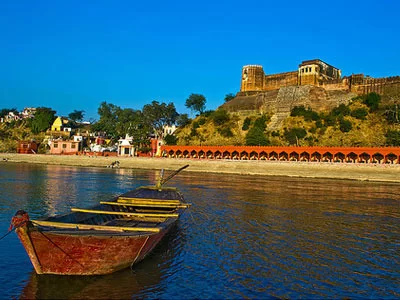
Akhnoor Fort Fort

Akhnoor Fort

Akhnoor Fort is a historic fort located on the banks of the Chenab River in Akhnoor, Jammu, Jammu and Kashmir, built during the Dogra period over earlier archaeological remains.
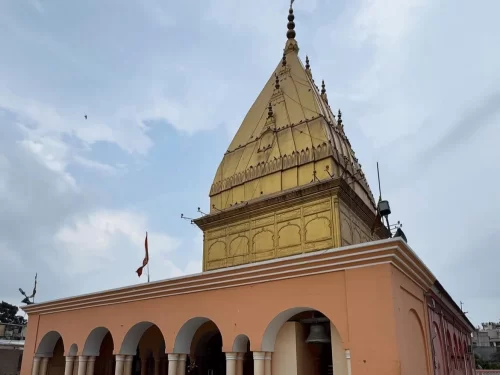
Shri Ranbireshwar Temple Pilgrimage Site

Shri Ranbireshwar Temple

A historic Hindu temple dedicated to Lord Shiva, located in the Niranjani Akhara area of Jammu.
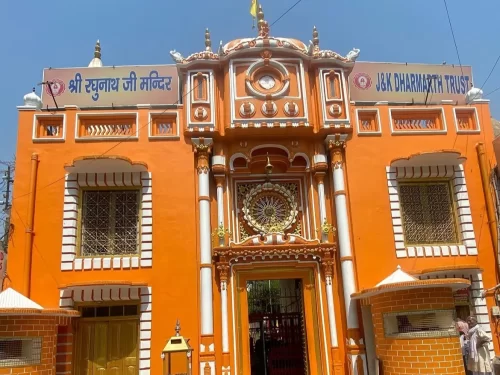
Shri Raghunath Temple Jammu Pilgrimage Site

Shri Raghunath Temple

A prominent Hindu temple complex dedicated to Lord Rama, located in the old city area of Jammu.

Frequently Asked Questions About Nau Devi cave temple

This cave temple is an important pilgrimage destination known for its natural cave formations and deep religious significance. Visitors come to seek blessings, experience the peaceful spiritual atmosphere, and explore the sacred cave while following long standing local traditions.
The most suitable time to visit is from October to March when the weather is pleasant for travel and climbing. Early morning visits are usually more peaceful and help visitors avoid larger crowds during busy periods.
Most visitors spend one to two hours completing the darshan, exploring the cave, and enjoying the surrounding area. Extra time may be required during weekends, holidays, or major religious festivals because of longer queues.
General entry is usually free for devotees and tourists. Visitors may choose to make voluntary donations or purchase offerings, while carrying some cash is useful for parking, refreshments, or other small expenses.
Parking facilities are available near the approach area, although spaces may become limited during weekends and festival seasons. Arriving early usually provides a more convenient parking experience.
The temple is connected by road and can be reached using buses, taxis, shared vehicles, or private cars. From the parking area visitors complete a short walk and climb to reach the cave entrance.
Families can enjoy the visit comfortably, but senior citizens should take extra care because the approach includes steps and uneven surfaces. Children should always remain supervised throughout the visit.
Wheelchair accessibility is limited because the route includes steps, narrow cave passages, and uneven natural surfaces. Visitors requiring mobility assistance should travel with a companion whenever possible.
Photography is generally allowed in outdoor areas, while restrictions may apply inside the sacred cave. Visitors should always follow the instructions of temple authorities regarding photography and mobile phone usage.
Comfortable footwear with good grip, drinking water, modest clothing, personal medicines, a flashlight if permitted, and some cash for offerings or refreshments are recommended for a comfortable visit.
Avoid rushing through narrow passages, ignoring safety instructions, wearing unsuitable footwear, leaving litter behind, or disturbing the peaceful atmosphere inside the cave. Respecting local customs makes the visit safer and more meaningful.

Loved this place ? Let’s Plan Your Jammu and Kashmir Trip

Get customized Jammu and Kashmir tour planning designed around seasonal weather patterns, valley travel routes, snow conditions, and realistic hill road timing. Whether you are visiting for scenic landscapes, serene lakes, spiritual journeys, meadow stays

⚑ Quick Response | πŸ’° Free consultation | πŸ•’ 24Γ—7 expert support

×

Plan Your Trip