Sadhna Top: High-Altitude Mountain Pass in Kupwara, Jammu and Kashmir, India

Sadhna Top , Kupwara
Tourists visit Sadhna Top as it is the primary gateway connecting the Kupwara district to the remote border tehsils of Karnah, Tangdhar, and Teetwal. The pass is renowned for its dramatic 360-degree panoramic views of the snow-capped Himalayan peaks and its association with the 1960s Bollywood actress Sadhana, who visited the site to interact with Indian soldiers. It is a significant destination for adventure travelers and serves as a critical transit point for those visiting the ancient Sharda Devi Temple and the Line of Control at Teetwal.

Quick Facts About Sadhna Top

Entry Fee Free
Timings Sunrise to Sunset
Altitude (m) 3130
Ideal Visit Duration (mins) 30
Best Time of Day Midday
Crowd Level Low
Distance from Kupwara (km) 30
Distance from Srinagar (km) 130
Walking Difficulty Easy
Parking Available Limited
Last Mile Access Road
Suitable for Kids Yes
Suitable for Seniors Yes
Wheelchair Friendly No

Why Visit Sadhna Top in Kashmir

Sadhna Top, historically known as Nastachun Pass, is a high-altitude mountain pass standing at approximately 10,269 feet in the vast Shamsabari Range. Travelers visit this strategic location to experience the breathtaking gateway between the Kupwara district and the remote, picturesque valleys of Tangdhar and Teetwal, making it a vital crossing for those exploring the westernmost edges of the Kashmir Valley.

The on-ground atmosphere is characterized by dramatic weather shifts and an immense sense of verticality, as the pass remains snow-bound for much of the winter. In the summer, the environment transforms into a landscape of rugged mountain beauty, where visitors can witness the sheer engineering feat of the winding road and the watchful presence of the Indian Army, providing a safe and serene vantage point overlooking the deep, emerald-green valleys below.

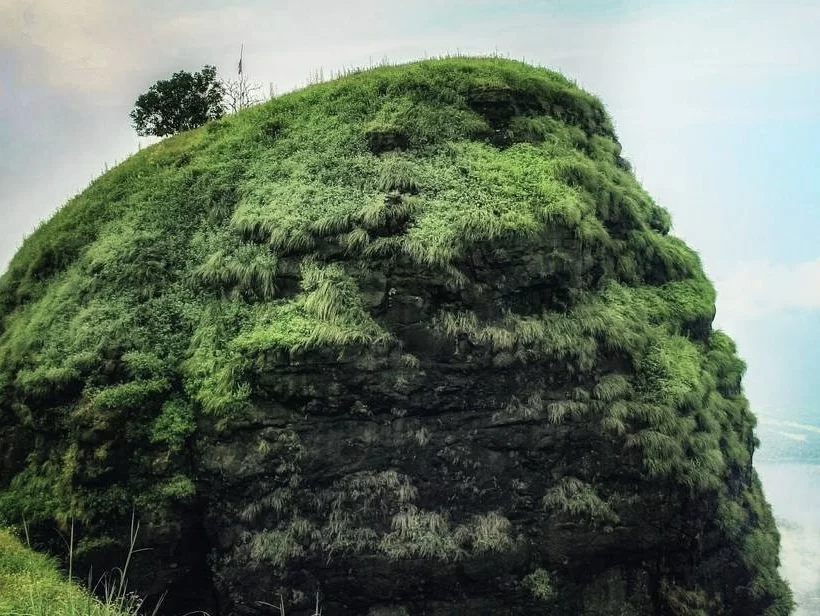
What makes Sadhna Top distinct is its poignant history and its namesake, the legendary Bollywood actress Sadhana, who visited the troops here after the 1965 war. It offers an unparalleled 360-degree view of the jagged Himalayan peaks that form the Line of Control, providing a unique perspective where the raw, natural grandeur of the frontier meets the resilient cultural spirit of the border communities living in the Karnah sector.

Historical and Geographic Significance of Sadhna Top

Sadhna Top, originally known as Nastachun Pass, is a high-altitude mountain pass situated at an elevation of approximately 3,150 meters (10,335 feet) in the Kupwara district of Jammu and Kashmir. It serves as the primary gateway connecting the remote border towns of Tangdhar and Teetwal in the Karnah Valley to the rest of the Kashmir Valley, traversing the formidable Shamsabari Range.

Geographically, the pass is characterized by its steep, narrow gradients and heavy snowfall, which often reaches several feet during winter. It acts as a critical climatic barrier, with the weather at the summit often being significantly more severe than in the valleys below. The pass offers a panoramic view of the rugged, snow-clad Himalayan ridges that define the Line of Control (LoC) sector, making it one of the most scenic yet treacherous passes in the region.

Historically, the pass was renamed Sadhna Top in honor of the legendary Indian film actress Sadhana Shivdasani, who visited the site to boost the morale of Indian soldiers following the 1965 war. Today, it remains a site of immense strategic importance, heavily monitored and maintained by the Indian Army and the Border Roads Organization (BRO). It is a lifeline for the local population of the Karnah sector, though transit is often restricted during peak winter months due to the high risk of avalanches and landslides.

Best Time to Visit Sadhna Top

Sadhna Top, originally known as Nastachun Pass, stands at 10,269 feet and serves as the vital gateway between the Kupwara plains and the remote border valleys of Tangdhar and Teetwal. While the Border Roads Organization strives to keep this strategic pass open year-round, its high altitude and exposure to the Shamsabari Range weather systems make travel highly dependent on current snowfall and road clearance status.

  • Ideal months: May to October is the most favorable window, with May and June offering stunning views of residual snow against lush alpine greenery, while September provides the clearest visibility across the Kishenganga Valley.
  • Weather conditions: Summer daytime temperatures are comfortable, ranging from 10°C to 18°C, but the pass is notorious for its "Nastachun" (cut-nose) winds—piercingly cold, high-velocity gusts that can make the wind-chill factor drop near freezing even on sunny afternoons.
  • Periods to avoid: Avoid travel from December to March during active Western Disturbances, as the pass is extremely prone to massive avalanches and sudden blizzards that can trap vehicles for hours; additionally, late August should be approached with caution as the steep, winding ascent from Kupwara can become hazardous due to landslide activity during monsoon rain.

How to Reach Sadhna Top

Sadhna Top, originally known as Nastachun Pass, is a high-altitude mountain pass situated at approximately 3,120m (10,236 ft) in the Kupwara district of Jammu and Kashmir. Located in the Shamsabari Range, it serves as the only road link connecting the remote border tehsils of Tangdhar and Teetwal to the rest of the Kashmir Valley.
  • Nearest Airport: Srinagar International Airport (SXR) is the closest air gateway, located about 140 km away. The journey from Srinagar to the pass typically takes 5 to 6 hours by road, passing through the scenic northern districts.
  • Nearest Railway Station: Baramulla Railway Station is the closest railhead, situated roughly 85 km from the pass. From Baramulla, travelers can hire private taxis or use local shared transport via Kupwara.
  • Road Access and Route: The pass is reached via the Kupwara-Chowkibal-Tangdhar road. From Kupwara town, the route moves toward Chowkibal, which serves as the base before the steep 14-km ascent to the summit. The road is characterized by sharp hairpin bends and narrow sections carved into the mountainside.
  • Last-Mile Connectivity: Access is primarily via rugged SUVs, 4x4 vehicles, or local shared taxis (Sumos) that operate daily from Kupwara. While the road is paved, the steep gradients and frequent weather changes make it challenging for small hatchbacks or inexperienced drivers.
  • Permits and Security: Due to its proximity to the Line of Control (LoC), Sadhna Top is a highly sensitive zone. While Indian tourists generally do not need a formal permit to reach the pass, they must carry valid government ID for verification at the Chowkibal army checkpoint. For travel beyond the pass to Teetwal or the LoC, special permission from the Kupwara District Magistrate or police is mandatory.
  • Travel Conditions and Logistics: The pass remains open for most of the year but is prone to heavy snowfall and avalanches during winter (December to March), which can lead to temporary closures. There are no facilities—including fuel, food, or medical aid—at the summit. The nearest amenities are located in Chowkibal or Tangdhar. Mobile connectivity is limited, with BSNL being the most reliable network in this border sector.

Essential Visitor Information for Sadhna TopClick to open side panel for more information

  • Crowd and Weather: Situated at an elevation of approximately 3,130 meters (10,269 feet) in the Shams Bari range, this pass is a vital but rugged link connecting Kupwara to the Karnah Valley; weather is volatile, with heavy winter snow often closing the pass and strong, icy winds prevalent even in summer.
  • Peak and Quiet Visiting Hours: Most travelers cross during the midday window (10:00 AM to 3:00 PM) for better visibility and road safety; early mornings are peaceful but carry a higher risk of "shooting stones" (falling rocks) and dense fog that can obscure the dramatic 360-degree Himalayan views.
  • Dress Code and Preparation: Windproof and heavy woolens are necessary regardless of the season; the pass is famous for its sudden temperature drops. Given its proximity to the Line of Actual Control (LAC), carry valid government ID at all times as you will encounter military checkpoints for verification.
  • Safety and Practical Cautions: Formerly known as Nastachun (meaning "cut nose"), the pass is notorious for its steep hairpins and avalanche vulnerability; ensure your vehicle's brakes and tires are in top condition, and avoid lingering at the summit during periods of heavy rain or high winds.
  • Experience-Based Notes: The pass was renamed after the 1960s Bollywood actress Sadhana visited the troops here; look out for the local legends of "Blind and Deaf Fairies" associated with the area, and allow extra time for the 32-40 km journey from Kupwara due to the challenging terrain.
  • Logistics: Mobile connectivity is extremely poor (BSNL may occasionally work); there are no commercial facilities or medical centers at the top, so ensure you have sufficient fuel and water before leaving Chowkibal or Kupwara.

What to Expect When You Visit Sadhna Top

  • Environment and Surroundings: Situated at an altitude of approximately 3,150 meters (10,335 feet) in the Shamsabari Range, Sadhna Top (formerly known as Nastachun Pass) serves as the gateway to the Karnah and Tangdhar valleys. The landscape is characterized by steep, rugged cliffs and vast alpine meadows that offer panoramic views of the Kishanganga river basin. The pass is notorious for heavy snow accumulation, with depths reaching up to 20 feet during peak winter.
  • Facilities and Amenities: Infrastructure at the summit is primarily focused on military logistics. There are no commercial hotels, restaurants, or public restrooms for tourists. Aside from a small army-run transit point and a shrine dedicated to the folk legend associated with the pass, there is no shelter. Travelers must carry their own food and water, as the nearest basic markets are located in Chowkibal or Tangdhar.
  • Accessibility and Movement: The pass is located on the Kupwara-Tangdhar road. The ascent is extremely steep with sharp, narrow hairpins and is prone to frequent landslides and avalanches. Movement is strictly monitored; all vehicles must pass through a major military checkpoint at the base (Chowkibal) and at the top. Access is often restricted by weather conditions, and convoys are common due to the sensitive nature of the border zone.
  • Typical Visitor Behavior and Conditions: Most visitors are local commuters or mountain enthusiasts who stop for 10-15 minutes to register their details and photograph the scenery. Due to the high-security environment, photography of military installations is strictly prohibited. Weather conditions are volatile; even in summer, the wind chill is significant, and sudden fog can reduce visibility to a few meters, requiring experienced mountain driving skills.

Capturing the Alpine Splendor of Sadhna Top

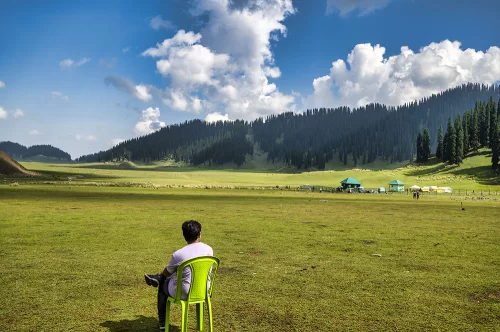
  • Shamsabari Range Panorama: The primary viewpoint at the summit (3,150 meters) offers an unobstructed 360-degree view of the rugged Shamsabari mountain range. This spot is ideal for wide-angle landscape shots that capture the dramatic snow-capped peaks against the deep blue high-altitude sky.
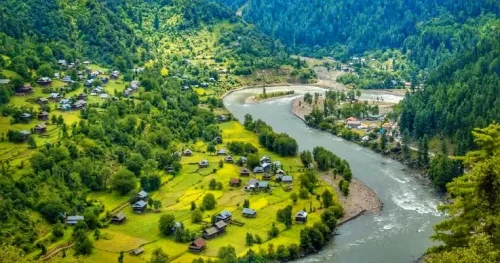
  • Karnah Valley Overlook: Looking westward from the pass, photographers can frame the lush, deep Karnah Valley. The contrast between the rocky, barren slopes of the pass and the vibrant green valley floor provides a compelling composition, especially when the valley is partially filled with morning mist.
  • Morning Light and Clarity: Photography is most productive between 8:00 AM and 10:30 AM. At this elevation, the air is exceptionally clear in the morning, allowing for high-contrast shots of distant peaks before the afternoon haze or cloud cover typically sets in.
  • Military Area Restrictions: Sadhna Top is a strategically sensitive location near the Line of Control. While landscape photography is generally permitted, it is strictly forbidden to photograph military checkposts, personnel, bunkers, or telecommunication towers. Always verify with on-ground personnel before pointing your camera toward any structures.
  • Serpentine Road Geometry: The ascent to the Top features a series of sharp, dramatic hairpins. High-angle shots from the summit looking back toward Kupwara capture the engineering scale of the road as it snakes through the steep Himalayan terrain.
  • Winter and Snow Textures: During the late autumn and early spring, the pass is heavily carpeted in snow. The textures of wind-blown drifts and the sharp shadows cast by the jagged ridges offer excellent opportunities for monochrome or high-detail architectural nature photography.

Near By Attraction

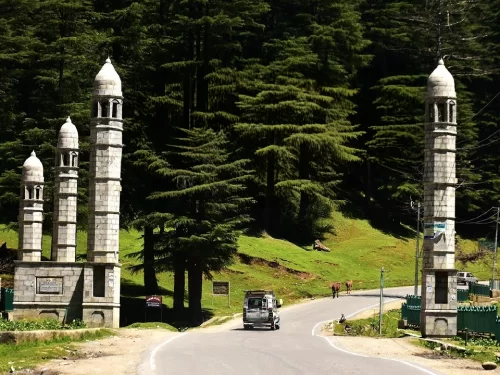
Stone minaret gate at Lolab Bungus Valley entrance during sunny day, featuring pine deodar forests road jeep, perfect adventure experience Kashmir tour packages. Valley

Bungus Valley

Bungus Valley (also spelled Bangus) is a high-altitude Himalayan sub-valley situated at an elevation of approximately 3,048 meters (10,000 feet) in the northern Kupwara district.

Sheep herd grazing at Lolab Bungus Valley during sunny partly cloudy day, featuring pine forests green meadows mountains, perfect adventure experience Kashmir tour packages. Meadow

Lolab Valley

Lolab Valley is an oval-shaped Himalayan valley situated at an average elevation of approximately 1,590 meters (5,215 feet) in the northern Kupwara district.

Kalaroos Caves Kupwara ancient rock-cut caves carved into limestone cliffs in Kashmir Valley Cave

Kalaroos Caves

Kalaroos Caves are a series of ancient rock-cut caves situated at an elevation of approximately 1,800 meters (5,905 feet) in the Kalaroos forest area of the Kupwara district.

Frequently Asked Questions About Sadhna Top

Sadhna Top is located in the Kupwara district of Jammu and Kashmir along the route connecting Kupwara to the Karnah region. It is a high altitude mountain pass offering panoramic views of surrounding valleys.
Sadhna Top can be reached by road from Srinagar via Kupwara, and the journey usually takes 4 to 5 hours depending on weather and road conditions. The route involves driving through mountainous terrain with sharp curves.
Permission may be required to visit Sadhna Top because it lies near a sensitive border area. Travelers should carry valid identification and follow local security guidelines.
The best time to visit Sadhna Top is between May and October when roads remain open and weather conditions are relatively stable. Clear days provide better visibility of mountain ranges and valley landscapes.
Around 30 to 60 minutes are generally sufficient to stop and explore Sadhna Top. Most visitors spend time enjoying the viewpoint and taking photographs before continuing their journey.
Sadhna Top is suitable for families who are comfortable with mountain road travel. The stop itself requires minimal walking, but road safety and weather conditions should be considered.
Sadhna Top can be visited during winter, though heavy snowfall in Jammu and Kashmir may temporarily close the road. Travel plans should be confirmed based on current weather updates.
Travelers at Sadhna Top can see sweeping views of high altitude valleys, forested slopes, and winding mountain roads. The location is known primarily as a scenic viewpoint rather than a developed tourist site.
Facilities at Sadhna Top are very limited, with occasional small stalls operating seasonally. Visitors should not expect permanent infrastructure at the pass.
Sadhna Top remains moderately visited during summer months but is generally less crowded than mainstream tourist destinations. The open setting allows for a peaceful stop.
Sadhna Top can be combined with visits to nearby valley regions during the same trip. It naturally falls along the route to other scenic areas in north Kashmir.
Travelers visiting Sadhna Top should carry warm layers, water, and essential supplies. Weather at high altitude in Jammu and Kashmir can change quickly, so preparation ensures a safe and comfortable visit.

Loved this place ? Let’s Plan Your Jammu and Kashmir Trip

Get customized Jammu and Kashmir tour planning designed around seasonal weather patterns, valley travel routes, snow conditions, and realistic hill road timing. Whether you are visiting for scenic landscapes, serene lakes, spiritual journeys, meadow stays

⚑ Quick Response | πŸ’° Free consultation | πŸ•’ 24Γ—7 expert support

×

Plan Your Trip