Quick Facts About Keran Valley
Keran Valley Quick Facts
| Entry Fee | No entry fee; permit/ID verification may be required due to proximity to Line of Control (LoC) |
| Timings | Open 24 hours; travel allowed during daylight hours (6:00 AM–6:00 PM recommended) |
| Altitude (m) | Approximately 1,500–1,800 m above sea level |
| Ideal Visit Duration | 1–2 days (overnight stay recommended for full experience) |
| Best Time of Day | Morning and afternoon for valley views and river scenery |
| Crowd Level | Low; peaceful and less commercialized due to border location |
| Distance from City Centre (km) | Approximately 90 km from Srinagar and ~36 km from Kupwara |
| Walking Difficulty | Easy; village walks and riverfront exploration |
| Parking Available | Yes, limited parking available in Keran village areas |
| Last Mile Access | Road access up to Keran village along the Kishanganga River with army check posts en route |
| Suitable for Kids | Yes, with supervision due to remote and border-sensitive area |
| Suitable for Seniors | Yes, but long travel and security checks may be tiring |
| Wheelchair Friendly | Partially; village areas are accessible but terrain and travel conditions may limit movement |
Why Visit Keran Valley Jammu & Kashmir
Visitors come to Keran Valley to experience a scenic riverside destination along the Kishanganga River, known for its picturesque views and peaceful borderland setting in north Kashmir.
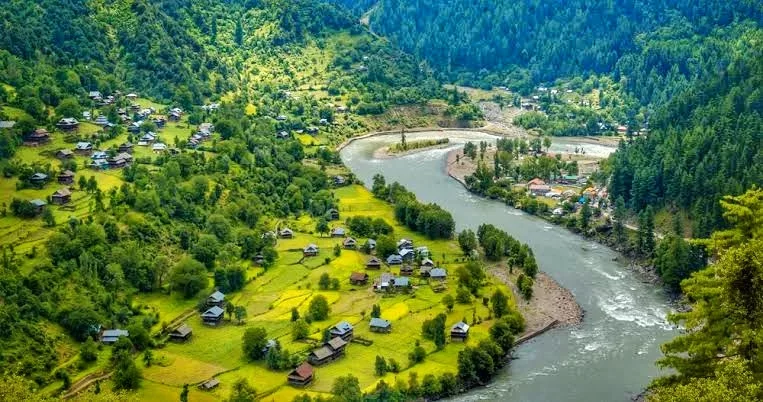
The atmosphere is calm and visually striking, with flowing river waters, green hills, wooden houses, and a quiet village environment that reflects everyday life in the valley.
What makes Keran Valley distinct is its location along the Line of Control, its panoramic views of the opposite bank, and its blend of natural beauty and remote frontier landscape that offers a unique travel experience in Kashmir.
History of Keran Valley
Keran Valley is a picturesque region located along the Line of Control in the Kupwara district of Jammu and Kashmir. Situated on the banks of the Kishanganga River, the valley has long been inhabited by local communities who depend on agriculture, livestock, and river-based livelihoods.
Due to its strategic location near the India–Pakistan border, Keran Valley has experienced periods of restricted access and limited development over time. Despite this, the region has retained its traditional lifestyle and natural beauty, shaped by the surrounding Himalayan landscape and river valley ecosystem.
Today, Keran Valley is known for its scenic beauty and emerging tourism potential. Visitors are drawn to its tranquil environment, river views, and unique setting along the border region, making it one of the notable offbeat destinations in northern Kashmir.
Best Time to Visit Keran Valley
Keran Valley is best visited from May to October when the valley is accessible and the weather remains pleasant, offering clear views of the Kishanganga River and the scenic Himalayan landscape along the Line of Control region.
- Ideal months: May to October is the most favorable period to visit Keran Valley, offering safe accessibility and comfortable weather conditions for sightseeing.
- Weather conditions during the best season: Cool to moderate temperatures, clear skies, and lush green surroundings provide ideal conditions for enjoying river views, valley landscapes, and photography along the Kishanganga River.
- Periods to avoid: November to April experiences heavy snowfall and harsh winter conditions, leading to restricted access and road closures. Even during early and late season transitions, weather can change rapidly, requiring caution and proper preparation.
How to Reach Keran Valley
- Nearest Airport: Sheikh ul-Alam International Airport, Srinagar, located approximately 120 km from Keran Valley, is the nearest airport. Visitors can continue the journey by road via Kupwara.
- Nearest Railway Station: Baramulla Railway Station, about 90 km away, is the nearest railway station. Jammu Tawi Railway Station is a major railhead with wider connectivity but is much farther away.
- Road Access and Last-Mile Connectivity: Keran Valley is located in the Kupwara district of North Kashmir along the Kishanganga River near the Line of Control. The valley is accessible by road up to Kupwara town, after which visitors travel via local taxis or private vehicles towards Keran village. The final stretch includes narrow mountain roads with military and weather-related checkpoints. Travel may be restricted or regulated depending on security conditions, and accessibility can be affected during heavy snowfall in winter.
What to Expect When You Visit Keran Valley
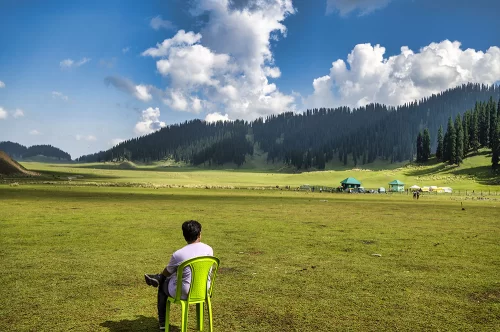
- Environment and Surroundings: Keran Valley is a scenic border village located along the Kishanganga River in Kupwara district, Jammu & Kashmir, near the Line of Control. Visitors can expect lush green valleys, river views, forested slopes, and a peaceful yet sensitive border-region landscape.
- Facilities and Amenities: Tourist facilities are limited due to the remote and sensitive location. Basic guest accommodations, small local shops, and homestay options may be available, while major services such as hospitals, ATMs, and large restaurants are located in Kupwara town.
- Accessibility and Movement: The valley is accessible by road through mountain routes with security checkpoints in certain areas. Movement may be regulated due to proximity to the border, and visitors may require valid identification and adherence to local security guidelines.
- Visitor Conditions: Most visitors come for scenic views, nature photography, and experiencing the unique border-village landscape. Weather conditions can affect travel, especially during winter snowfall or monsoon rains. Mobile network connectivity may be weak, and visitors should follow all local advisories and restrictions.
Important Visitor Information for Keran Valley
- Keran Valley experiences the highest visitor numbers during the summer tourism season from April to October when the valley is open for controlled civilian tourism.
- Early morning hours generally offer the best visibility of the river valley, surrounding mountains, and scenic landscapes along the Line of Control region.
- Weather conditions remain cool and pleasant in summer but can become cold during evenings and early mornings due to the high-altitude location.
- No specific dress code applies, though warm layered clothing and comfortable footwear are recommended due to changing mountain weather conditions.
- Visitors must carry valid ID proof, follow all security instructions, remain within permitted tourist zones, and respect all military and border area regulations at all times.
Photography and Viewpoints at Keran Valley
- The riverside viewpoints along the Kishanganga (Neelum) River offer the best photography opportunities, where flowing water, wooden houses, and forested mountains create a scenic border-valley composition.
- Early morning provides the clearest views, soft light, and mist rising from the valley, making it ideal for landscape and river photography.
- The viewpoints overlooking the Line of Control (LoC) area allow wide-angle shots of the valley, river bends, and surrounding Himalayan terrain.
- Traditional villages and wooden architecture along the riverbanks add cultural depth to photography, especially when framed with the mountains in the background.
- Seasonal changes enhance photography—lush greenery in summer, golden tones in autumn, and snow-covered landscapes in winter create distinct visual moods.
- Photography is generally permitted in public areas, but visitors should respect local regulations and avoid restricted or sensitive border zones.
- Weekdays and early mornings usually provide quieter conditions, while tourist seasons may bring more visitors to popular riverside viewpoints.