Quick Facts About Bangus Valley
Bangus Valley Quick Facts
| Entry Fee | No entry fee (may require local permission/check-post ID verification depending on route) |
| Timings | Open 24 hours; daylight visit recommended (6:00 AM–6:00 PM) |
| Altitude (m) | Approximately 3,000 m above sea level |
| Ideal Visit Duration | 3–6 hours (or full-day excursion) |
| Best Time of Day | Morning to afternoon for clear skies, meadow views, and safe travel conditions |
| Crowd Level | Low; one of the less crowded alpine valleys in Kashmir |
| Distance from City Centre (km) | Approximately 100–130 km from Srinagar; ~30–45 km from Kupwara/Handwara (route dependent) |
| Walking Difficulty | Easy to Moderate; mostly meadow walking with uneven natural terrain |
| Parking Available | Limited parking available at entry/meadow access points |
| Last Mile Access | Road access up to entry points via Kupwara or Handwara routes, followed by short drives/walks into meadow areas |
| Suitable for Kids | Yes, with supervision due to remote terrain and altitude |
| Suitable for Seniors | Moderate suitability; travel may be long but meadow areas are mostly flat |
| Wheelchair Friendly | No; natural meadow and uneven terrain limit accessibility |
Why Visit Bangus Valley Jammu & Kashmir
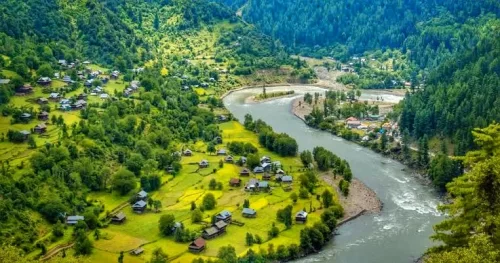
Visitors come to Bangus Valley to experience an untouched alpine valley known for its vast meadows, pine forests, and remote Himalayan landscapes near Kupwara.
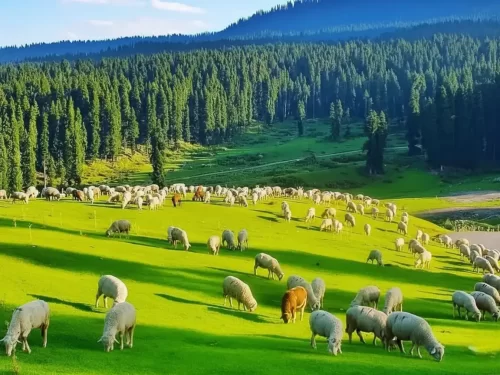
The atmosphere is peaceful and raw, with open grasslands, grazing livestock, and crisp mountain air creating a true offbeat nature experience away from crowded tourist circuits.
What makes Bangus Valley distinct is its pristine, less-explored terrain, wide bowl-shaped valley surrounded by snow-capped peaks, and its appeal as one of Kashmir’s most secluded natural destinations.
History of Bangus Valley
Bangus Valley, located in the Kupwara district of Jammu and Kashmir, is a high-altitude alpine valley known for its vast meadows, snow-capped mountains, and rich biodiversity. The valley has traditionally been inhabited and used seasonally by local pastoral communities who graze livestock in its lush summer pastures.
Historically, Bangus remained relatively isolated due to its rugged terrain and limited accessibility, which helped preserve its natural environment. The valley lies close to important border regions, which also influenced its restricted development and low human intervention over time.
Today, Bangus Valley is emerging as a popular offbeat destination in Kashmir, attracting nature lovers and trekkers who come to experience its untouched landscapes, alpine meadows, and serene environment in the heart of the Himalayas.
Best Time to Visit Bangus Valley
Bangus Valley is best visited from May to September when the valley opens for tourists and the weather remains cool, with lush green meadows and snow-fed streams creating a scenic Himalayan landscape.
- Ideal months: May to September is the most favorable period to visit Bangus Valley, as it remains accessible and offers pleasant summer conditions.
- Weather conditions during the best season: Cool temperatures, fresh alpine air, blooming meadows, and flowing streams provide ideal conditions for sightseeing, nature walks, and photography in the valley.
- Periods to avoid: November to April remains largely inaccessible due to heavy snowfall and road closures. Even during early May, sudden weather changes and cold conditions can occur, so warm clothing is recommended.
How to Reach Bangus Valley
- Nearest Airport: Sheikh ul-Alam International Airport, Srinagar, located approximately 150 km from Bangus Valley, is the nearest airport. Visitors can continue the journey by road via Kupwara.
- Nearest Railway Station: Baramulla Railway Station, about 120 km away, is the nearest railway station. Jammu Tawi Railway Station is another major railhead with wider connectivity, though it is much farther.
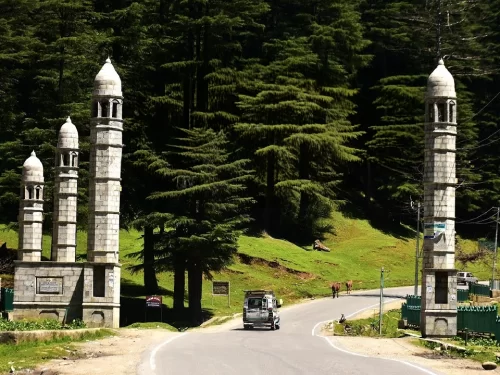
- Road Access and Last-Mile Connectivity: Bangus Valley is located in the Kupwara district of North Kashmir and is accessible by road up to Kupwara town. From Kupwara, visitors must continue by private vehicle, local taxi, or approved transport routes toward the valley entry points. The final stretch includes hilly terrain and forest roads, which may be restricted or regulated depending on security and weather conditions. Travel times can vary significantly due to road conditions, and access is often limited during heavy snowfall in winter.
What to Expect When You Visit Bangus Valley
- Environment and Surroundings: Bangus Valley is a pristine alpine valley located in the Kupwara district of Jammu & Kashmir, surrounded by snow-capped peaks, pine forests, grasslands, and high-altitude meadows. Visitors can expect untouched natural beauty, wide open landscapes, and a peaceful Himalayan environment.
- Facilities and Amenities: Tourist infrastructure is limited as the valley remains relatively less commercialized. Basic facilities may be available seasonally such as temporary food stalls and local guides, while accommodation, fuel, and medical services are mainly found in Kupwara town.
- Accessibility and Movement: The valley is accessible by road up to designated entry points, followed by travel through forest and mountain roads. Visitors can explore meadows and viewpoints on foot or by local transport where permitted, but should expect remote terrain and limited connectivity.
- Visitor Conditions: Most visitors come for nature walks, photography, camping, and wildlife observation. Weather conditions can change rapidly, and monsoon or winter seasons may affect accessibility due to rain, snow, or road restrictions. Mobile network coverage is weak in many areas, and visitors should plan accordingly.
Important Visitor Information for Bangus Valley
- Bangus Valley experiences the highest visitor numbers during the summer season from May to September when the valley opens for tourism and weather conditions are most favorable.
- Early morning hours generally offer the best experience with clear views of lush meadows, snow-fed streams, and surrounding Himalayan landscapes.
- The region remains cold even in summer nights, while winter months are largely inaccessible due to heavy snowfall and road closures.
- No specific dress code applies, but warm layered clothing and sturdy footwear are strongly recommended due to high-altitude terrain and changing weather conditions.
- Visitors should follow local security guidelines, remain within designated tourist areas, carry valid identification, and be cautious of remote terrain with limited connectivity.
Photography and Viewpoints at Bangus Valley
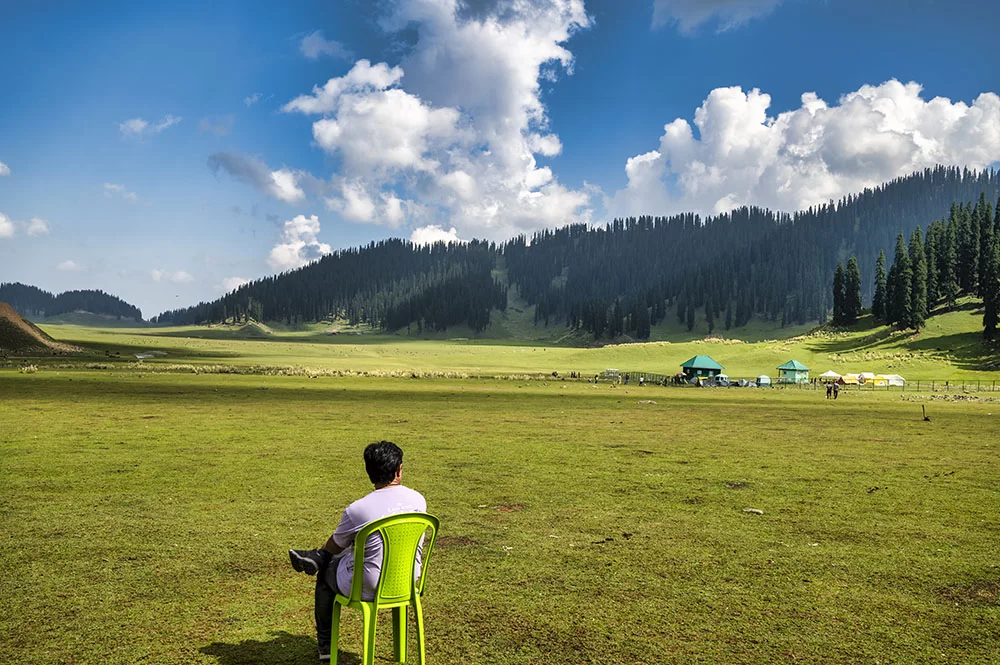
- The vast alpine meadows offer the best photography opportunities, where rolling grasslands, snow-draped peaks, and open valleys create a cinematic Himalayan landscape.
- Early morning provides crystal-clear visibility, soft golden light, and mist rising over the meadows, making it ideal for wide-angle landscape photography.
- The valley viewpoints along the access road and designated stops offer sweeping compositions of the twin meadows—Boud Bangus and Lokut Bangus.
- Seasonal wildflowers during summer and lush greenery after snowmelt add vibrant color contrast to the valley’s dramatic terrain.
- Snow season transforms the valley into a white expanse, offering striking monochrome compositions of peaks, forests, and frozen meadows.
- Photography is generally permitted in public areas, but visitors should avoid entering restricted border-sensitive zones and follow local administration guidelines.
- Weekdays and early mornings provide quieter conditions, while peak summer months attract more tourists and trekkers to popular viewpoints.