+91 9910402252
admin@chalbanjare.com


| Entry Fee | Free |
| Timings | 06:00 - 18:00 |
| Altitude (m) | 2650 |
| Ideal Visit Duration (hrs) | 1 |
| Best Time of Day | Morning |
| Crowd Level | Low |
| Distance from Gulmarg (km) | 1 |
| Walking Difficulty | Easy |
| Parking Available | No |
| Last Mile Access | Walk |
| Suitable for Kids | Yes |
| Suitable for Seniors | Yes |
| Wheelchair Friendly | No |
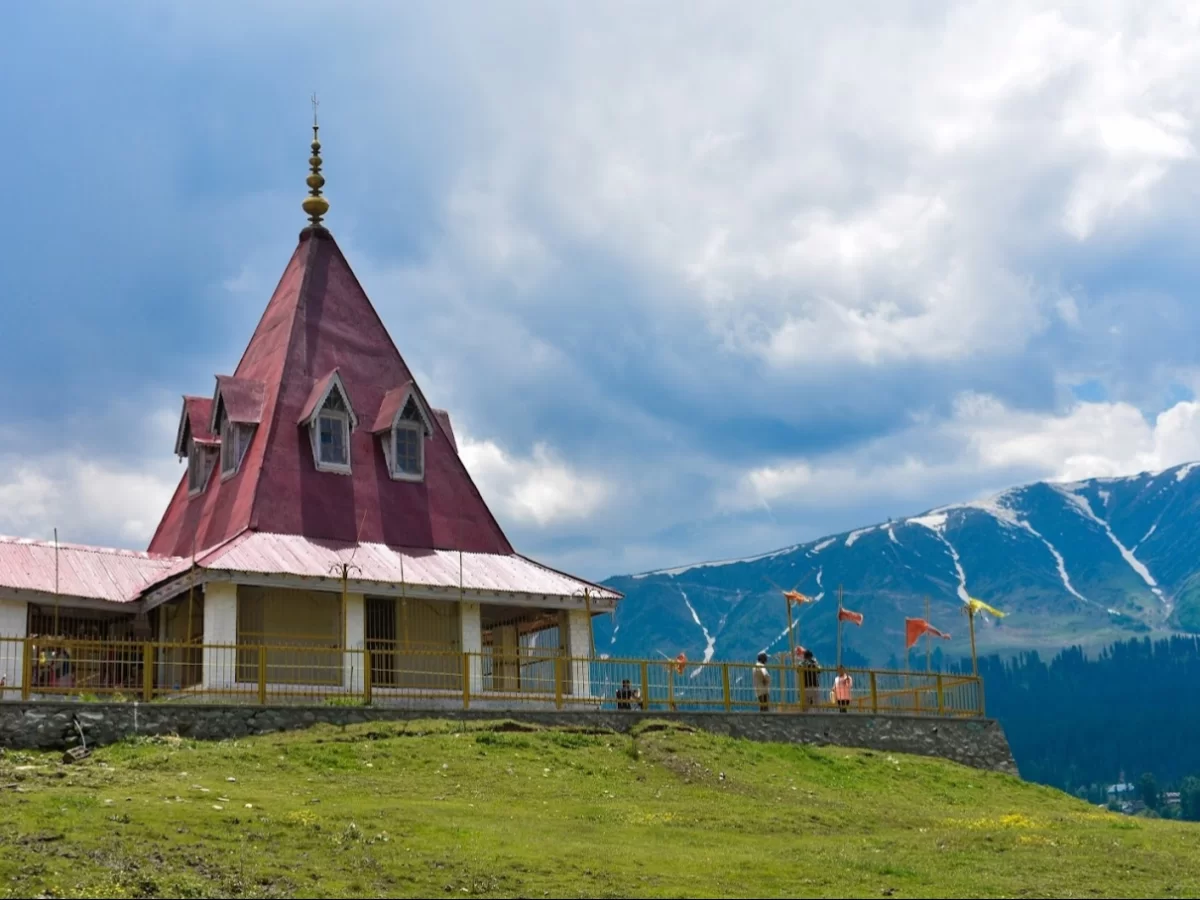
Visitors come to the Maharani Temple for its quiet setting and elevated location within Gulmarg, offering a short cultural stop amid a landscape otherwise known for meadows and mountain views. It is often visited by travelers who want a brief pause for reflection while exploring Gulmarg on foot.
The on-ground atmosphere is calm and uncluttered, with the temple standing on a small hill surrounded by tall trees and open grassland. The area feels peaceful even during busy tourist seasons, as most visitors spend only a short time here.
What makes the Maharani Temple distinct for travelers is its simplicity and vantage point, providing quiet views over parts of Gulmarg without crowds or commercial activity. It suits visitors looking for a low-key, contemplative stop rather than a landmark-focused sightseeing experience.
The Maharani Temple in Gulmarg was built in the early 20th century by Maharaja Hari Singh, the last ruling Maharaja of the princely state of Jammu and Kashmir. The temple was constructed as a private place of worship for his wife, Maharani Mohini Bai Sisodia, after whom the temple is commonly named.
Dedicated to Lord Shiva, the temple reflects the presence of the Dogra royal family in Gulmarg during the colonial era, when the meadow served as a summer retreat for both British officials and the royal household. Its elevated position on a hilltop was intentionally chosen, making the temple visible from most parts of Gulmarg.
Unlike ancient pilgrimage shrines, the Maharani Temple does not hold archaeological significance. Its historical relevance comes from its association with the Dogra monarchy and Gulmarg’s transformation from a grazing ground into a hill resort during the late 19th and early 20th centuries.
Maharani Temple in Gulmarg is best visited during seasons when road access is clear and weather allows comfortable movement around the hilltop, as the experience depends heavily on visibility and walking conditions.
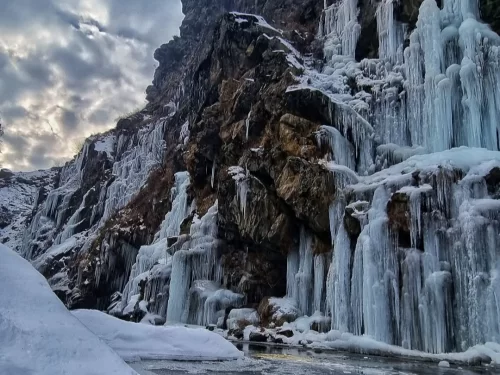 Waterfall
Drung Waterfall is a man-made water cascade created by channelized mountain streams near Tangmarg on the route to Gulmarg in Jammu and Kashmir.
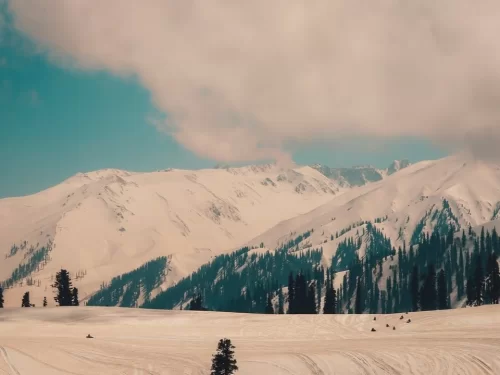 Meadow
Apharwat Peak is a high-altitude mountain peak above Gulmarg, accessed mainly through Gulmarg Gondola Phase 2.
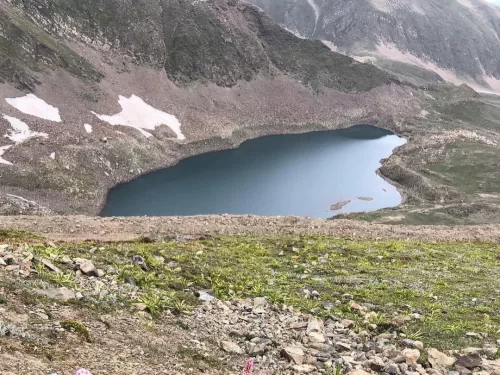 Lake
Lake
Alpather Lake is a high-altitude alpine lake located at the foot of Apharwat Peak near Gulmarg in Jammu and Kashmir.
Get customized Jammu and Kashmir tour planning designed around seasonal weather patterns, valley travel routes, snow conditions, and realistic hill road timing. Whether you are visiting for scenic landscapes, serene lakes, spiritual journeys, meadow stays
⚡ Quick Response | 💰 Free consultation | 🕒 24×7 expert support

