Lolab Valley: Scenic Alpine Basin and Fruit Bowl of Kupwara, Jammu and Kashmir, India

Lolab Valley , Kupwara
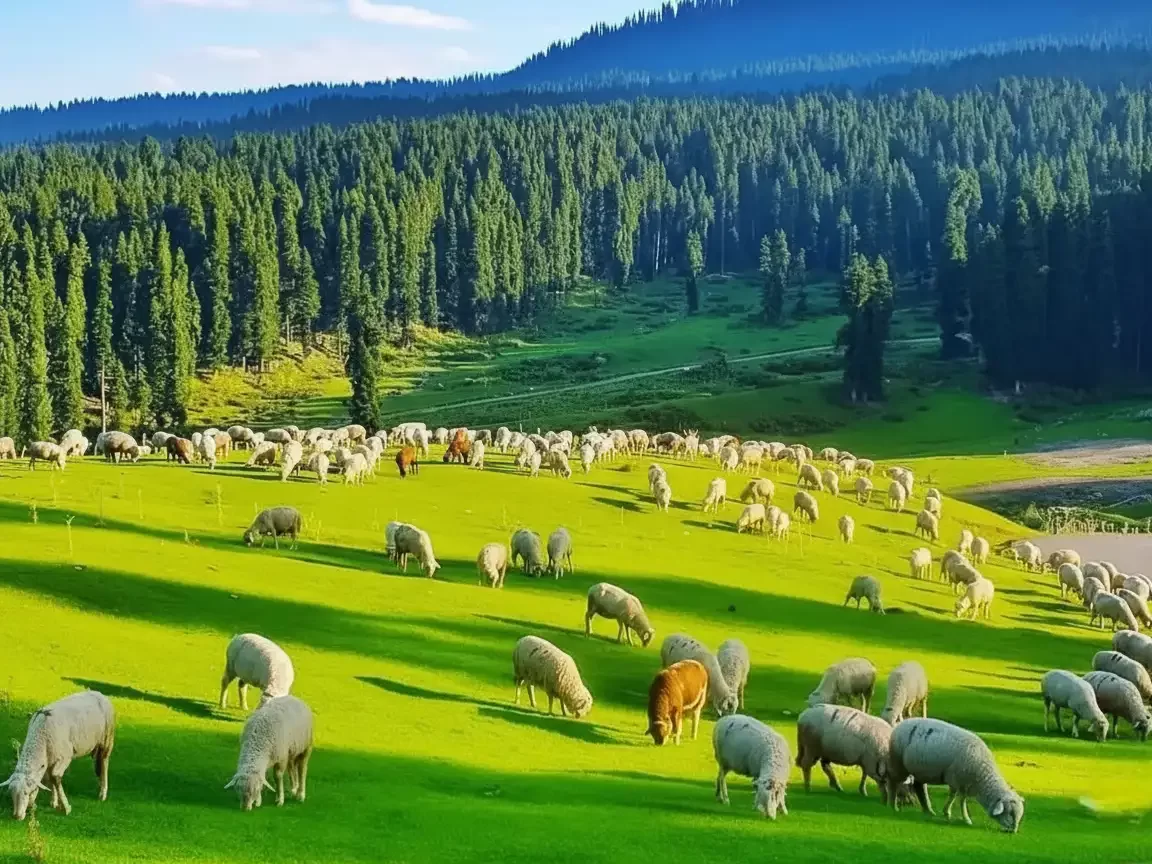
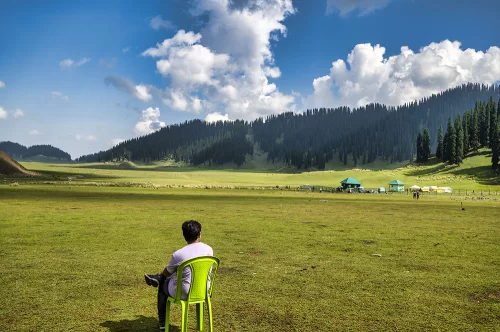
Tourists visit Lolab Valley to experience its vast expanses of lush green meadows, dense cedar and pine forests, and sprawling apple and walnut orchards. Known as the \"Land of Love and Beauty,\" the valley is composed of three main areas: Kalaroos, Potnai, and Brunai. It is a major destination for travelers seeking a peaceful retreat away from commercial tourist hubs, offering opportunities for lakeside camping near Chandigam and Sogam, exploration of natural springs, and a gateway to the mysterious Kalaroos Caves.

Quick Facts About Lolab Valley

Entry Fee Free
Timings 00:00 - 23:59
Altitude (m) 2300
Ideal Visit Duration (hrs) 48
Best Time of Day Morning
Crowd Level Low
Distance from Srinagar (km) 114
Distance from Kupwara (km) 9
Walking Difficulty Easy
Parking Available Yes
Last Mile Access Road
Suitable for Kids Yes
Suitable for Seniors Yes
Wheelchair Friendly No

Why Visit Lolab Valley in Kupwara

Lolab Valley, often referred to as the "Land of Love and Beauty," is a pristine oval-shaped basin located in the northernmost part of the Kashmir Valley. Travelers visit this hidden gem to experience the quintessential Kashmiri countryside, characterized by expansive apple orchards, walnut groves, and dense forests of Deodar and Pine that remain largely untouched by the heavy footfall of central tourist hubs.

The atmosphere on the ground is one of profound tranquility and rustic charm, where the air is filled with the scent of pine needles and the sound of the wandering Lahwal River. Visitors encounter a landscape of rolling green meadows dotted with traditional wooden houses, offering a quiet retreat where the slow-paced life of the local farming communities provides a genuine immersion into the rural heritage of the Kupwara district.

What makes Lolab distinct is its unparalleled natural symmetry and its role as a sanctuary for diverse Himalayan wildlife, including the Himalayan Brown Bear and the Hangul. It serves as an ideal base for exploring the legendary Kalaroos Caves and the picturesque village of Warnow, providing travelers with a unique vantage point to appreciate the lush, verdant beauty that inspired the famous poetry of Allama Iqbal, making it a premier destination for nature lovers and offbeat explorers.

Historical and Geographic Significance of Lolab Valley

Lolab Valley, often referred to as the "Land of Love and Beauty," is a pristine oval-shaped valley situated at an average elevation of 1,590 meters (5,215 feet) in the Kupwara district of Jammu and Kashmir. Extending over 25 kilometers, it is located north of the Kashmir Valley and is uniquely positioned between the dense forests of the northern Himalayas and the verdant plains of the border district.

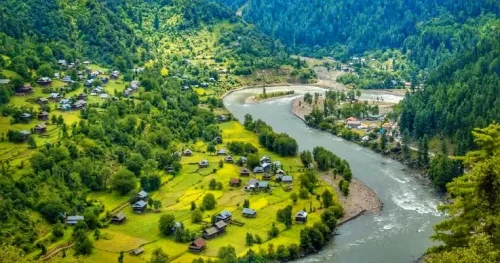
Geographically, the valley is a lush expanse characterized by apple orchards, walnut groves, and vast paddy fields, all framed by thick coniferous forests of deodar and pine. It is home to the Lahwal River, which meanders through the landscape, providing essential irrigation for the valley's fertile soil. The topography is distinct for its gentle slopes and high-altitude meadows, such as Chandigam and Sogam, which serve as natural habitats for the Himalayan Black Bear and the Hangul (Kashmiri Stag).

Historically, Lolab Valley was a significant spiritual and academic retreat. It is famously the birthplace of Allama Anwar Shah Kashmiri, a renowned 19th-century Islamic scholar. The valley's breathtaking scenery inspired the great philosopher-poet Dr. Sir Muhammad Iqbal to write about its beauty in his verses. Historically isolated due to its proximity to the frontier, the valley has preserved a traditional lifestyle centered on pastoralism and sustainable agriculture. Today, it is managed by the Lolab-Bungus-Drangyari Development Authority (LBDDA), emerging as a premier destination for eco-tourism and nature enthusiasts seeking an untouched alternative to mainstream Kashmiri resorts.

Best Time to Visit Lolab Valley

Lolab Valley, often called the "Land of Love and Beauty," is a pristine oval-shaped valley in the Kupwara district, situated at an average altitude of 6,000 feet. Comprising the sub-valleys of Potnai, Brunai, and Kalaroos, it is known for its dense Himalayan cedar (Deodar) forests, apple orchards, and the serene Lahwal River. Its lower elevation compared to Ladakh and Gurez allows for a longer visiting season, though the aesthetic transition from spring blossoms to autumn gold remains its primary draw.

  • Ideal months: April to June and September to October are the standout periods; spring brings a vibrant carpet of wildflowers and fruit blossoms, while autumn transforms the valley into a sea of gold and orange as the Chinar trees change color.
  • Weather conditions: Summer temperatures are mild and refreshing, ranging from 15°C to 28°C, making it a perfect retreat from the heat of the plains; however, the valley’s high forest density means humidity can rise slightly before afternoon showers.
  • Periods to avoid: Avoid the peak winter months of January and February if you wish to see the orchards and forests, as heavy snow can restrict movement between the scattered villages; additionally, the peak monsoon weeks of late July and August can bring heavy rainfall that makes forest trails and rural link roads muddy and difficult to navigate.

How to Reach Lolab Valley

Lolab Valley, situated in the Kupwara district of North Kashmir, is a pristine oval-shaped basin renowned for its dense forests and fruit orchards. At an average elevation of 1,524m (5,000 ft), it offers an offbeat alternative to the crowded tourist hubs of the Kashmir Valley.
  • Nearest Airport: Srinagar International Airport (SXR) is the closest air link, located approximately 115 km away. The drive to the valley typically takes 4 to 5 hours through the northern districts.
  • Nearest Railway Station: Baramulla Railway Station is the closest railhead, roughly 65 km away. From Baramulla, travelers can use shared taxis (Sumos) to reach Kupwara town and then enter the Lolab sector.
  • Road Access and Route: The valley is reached via the Srinagar–Sopore–Kupwara highway. From Kupwara town, the entrance to the Lolab Valley is just 1 km to the east. The internal roads connecting major villages like Sogam and Chandigam are well-paved and scenic.
  • Last-Mile Connectivity: The valley is accessible by all vehicle types, including small hatchbacks and sedans. Local shared taxis operate frequently between Kupwara and the various villages of Lolab. For exploring higher meadows like Nagmarg, a high-clearance SUV is recommended.
  • Permits and Security: As a border district, travelers must carry original government ID (Aadhaar Card) for verification at various checkpoints. While an Inner Line Permit is not usually required for the main valley, foreign nationals should check for specific restricted area clearances in Kupwara.
  • Practical Amenities: Accommodations are primarily available in the form of JKTDC tourist bungalows in Chandigam and Sogam, along with basic local homestays. Fuel stations and ATMs are available in Kupwara town. Mobile connectivity is most reliable on BSNL and Airtel postpaid networks.

Essential Visitor Information for Lolab Valley

  • Crowd and Weather: Known as the "Land of Love and Beauty," Lolab is one of Kashmir’s most serene and least crowded valleys, characterized by vast fruit orchards and dense cedar forests; the weather is temperate and pleasant from April to September (15°C to 25°C), while winters bring heavy snow that transforms the valley into a quiet, white landscape.
  • Peak and Quiet Visiting Hours: Visit between 9:00 AM and 4:00 PM to explore the three sub-valleys (Kalaroos, Potushai, and Brunai); early mornings offer the best opportunity for birdwatching and seeing the sunrise over the paddy fields, while the valley becomes extremely quiet after sunset due to its rural and remote nature.
  • Dress Code and Conduct: Modest clothing is recommended as the valley is home to traditional conservative villages; when visiting the various shrines or local homes, ensure shoulders and knees are covered. Sturdy walking shoes are necessary for exploring the forest trails and the Kalaroos cave area.
  • Safety and Practical Cautions: The valley is a frontier region; always carry a valid government photo ID as you may encounter security checkpoints. While the main roads to Sogam and Chandigam are well-paved, interior forest tracks can be slippery after rain; it is advisable to hire a local guide if venturing deep into the woodland areas.
  • Logistics and Infrastructure: Mobile connectivity is predominantly limited to BSNL and Airtel, with data speeds being inconsistent; there are no major luxury hotels, so travelers typically stay in government tourist bungalows or local guesthouses. Ensure your vehicle has a full tank of fuel before leaving Kupwara.

What to Expect When You Visit Lolab Valley

  • Environment and Surroundings: Known as the "Land of Love and Beauty," Lolab Valley is a 25 kilometer long oval shaped basin in the Kupwara district. The landscape is defined by its pristine Himalayan beauty, featuring dense forests of Deodar and Pine trees, vibrant apple and walnut orchards, and the shimmering Lahwal River. Unlike the more commercialized valleys of Kashmir, Lolab remains an untouched paradise characterized by deep green meadows and a profound sense of tranquility.
  • Facilities and Amenities: Tourism infrastructure is limited but growing, with a few J&K Tourism bungalows and private guesthouses located in major villages like Chandigam and Kalaroos. You will find basic grocery stores and local eateries in the small townships, but high end dining and shopping malls do not exist here. Visitors are advised to carry sufficient cash and essential medications, as banking services and specialized medical care are primarily available in Kupwara town.
  • Accessibility and Movement: The valley is located approximately 115 kilometers from Srinagar and is reached via a well paved road passing through Kupwara. Within the valley, the roads connecting the three main regions—Potnai, Brunai, and Kalaroos—are manageable for most vehicles. While the valley is safe for tourists, there are multiple security checkpoints where travelers must produce valid government identification; drone usage is generally restricted due to the proximity to the border.
  • Typical Visitor Behavior and Conditions: Visitors to Lolab typically engage in "slow travel," focusing on nature walks, photography of traditional wooden architecture, and picnicking in the fruit orchards. The valley is home to diverse wildlife, including Himalayan black bears, so trekking into deep forests is best done with a local guide. Travelers often visit the Kalaroos Caves and the resting place of saint Kashyap Reshi, spending 1 to 2 days to fully experience the rustic and peaceful rural lifestyle.

Capturing the Verdant Landscapes of Lolab Valley

  • Krushen Valley Overlook: For the most comprehensive panoramic shot, position yourself on the elevated forest fringes near Diver village. This vantage point offers a wide-angle perspective of the valley’s "oval" shape, showcasing the seamless carpet of rice paddies and fruit orchards framed by dense Himalayan cedar forests.
  • Golden Hour in the Orchards: The valley is famous for its vast apple and walnut orchards. The best time for photography is late afternoon (4:30 PM to 6:00 PM), when the sunlight filters through the canopy, creating dappled light patterns on the orchard floor and highlighting the vibrant greens of the Lolab landscape.
  • Traditional Wooden Hamlets: Villages like Sogam and Lalpor feature authentic Kashmiri rural architecture. Focus on the weathered textures of the timber-framed houses and the colorful tin roofs, which provide a sharp contrast against the deep emerald backdrop of the surrounding pine-clad hills.
  • Kalaroos Satbaran Alignment: At the Satbaran site, the early morning light (7:00 AM to 9:00 AM) is ideal for capturing the detail of the ancient stone-carved "seven doors." The low sun angle emphasizes the depth of the carvings and the rugged texture of the monolithic rock.
  • Atmospheric Forest Mist: Following a rain shower, the valley often fills with low-hanging clouds and mist. This provides a moody, ethereal atmosphere perfect for landscape photography near the forest edges, where the silhouettes of the deodar trees pierce through the white fog.
  • Unrestricted Landscape Access: Unlike the high-security border zones of Gurez or Tangdhar, Lolab Valley offers more freedom for photography. However, it is essential to remain respectful of local privacy in residential areas and always seek permission before photographing individuals or private property.

Near By Attraction

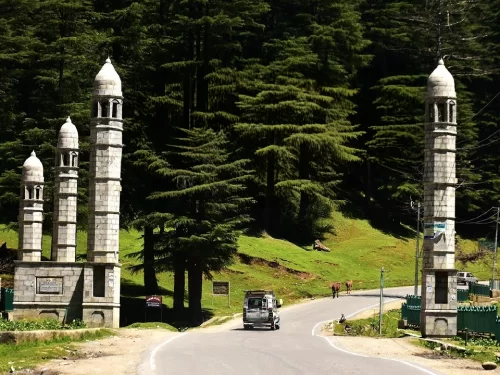
Stone minaret gate at Lolab Bungus Valley entrance during sunny day, featuring pine deodar forests road jeep, perfect adventure experience Kashmir tour packages. Valley

Bungus Valley

Bungus Valley (also spelled Bangus) is a high-altitude Himalayan sub-valley situated at an elevation of approximately 3,048 meters (10,000 feet) in the northern Kupwara district.

Kalaroos Caves Kupwara ancient rock-cut caves carved into limestone cliffs in Kashmir Valley Cave

Kalaroos Caves

Kalaroos Caves are a series of ancient rock-cut caves situated at an elevation of approximately 1,800 meters (5,905 feet) in the Kalaroos forest area of the Kupwara district.

One Tree Hill Point Matheran single tree flag atop lush green misty hill rocky cliffs cloudy valleys, perfect panoramic viewpoint trek summit, Himachal Pradesh tour packages. Adventure Park

Sadhna Top

Sadhna Top, originally known as Nastachun Pass, is a high-altitude mountain pass situated at an elevation of approximately 3,130 meters (10,269 feet) in the Shams Bari mountain range.

Frequently Asked Questions About Lolab Valley

Lolab Valley is located in the Kupwara district of Jammu and Kashmir, known for its lush meadows, streams, and forested hills. The valley is often described as one of the greener regions in north Kashmir.
Lolab Valley can be reached by road from Srinagar via Kupwara, and the journey usually takes around 3 to 4 hours depending on traffic and weather conditions. Private taxis are the most convenient mode of travel.
The best time to visit Lolab Valley is between April and October when weather conditions are pleasant and greenery is at its peak. Summer and early autumn provide comfortable travel conditions.
A full day is generally sufficient to explore Lolab Valley at a relaxed pace. Travelers who prefer slow exploration may choose to stay overnight in nearby towns.
Lolab Valley is suitable for families who enjoy peaceful landscapes and light outdoor exploration. The terrain includes open fields and gentle village roads, making walking manageable.
Lolab Valley can be visited during winter, but snowfall in Jammu and Kashmir may affect road accessibility. Winter landscapes are scenic but require careful travel planning.
Travelers in Lolab Valley can see expansive meadows, traditional villages, forest patches, and small streams flowing through the valley. The experience focuses on natural beauty rather than commercial tourism.
Accommodation options within Lolab Valley are limited, with most travelers staying in Kupwara or arranging basic guesthouse stays. Planning accommodation in advance is advisable.
Lolab Valley remains relatively less crowded compared to major tourist hubs. Even during summer months, it offers a calm and quiet environment.
Visitors should expect rural roads, grassy fields, and natural landscapes in Lolab Valley. Some road sections may be narrow or uneven as the area is largely undeveloped.
Lolab Valley can be combined with visits to nearby scenic regions in north Kashmir during the same trip. Its location makes it convenient for inclusion in a broader regional itinerary.
Travelers visiting Lolab Valley should carry water, comfortable footwear, and seasonal clothing. Being prepared for limited facilities ensures a smoother travel experience in this part of Jammu and Kashmir.

Loved this place ? Let’s Plan Your Jammu and Kashmir Trip

Get customized Jammu and Kashmir tour planning designed around seasonal weather patterns, valley travel routes, snow conditions, and realistic hill road timing. Whether you are visiting for scenic landscapes, serene lakes, spiritual journeys, meadow stays

⚑ Quick Response | πŸ’° Free consultation | πŸ•’ 24Γ—7 expert support

×

Plan Your Trip