+91 9910402252
admin@chalbanjare.com


| Entry Fee | Free |
| Timings | 00:00 - 23:59 |
| Altitude (m) | 2300 |
| Ideal Visit Duration (hrs) | 48 |
| Best Time of Day | Morning |
| Crowd Level | Low |
| Distance from Srinagar (km) | 114 |
| Distance from Kupwara (km) | 9 |
| Walking Difficulty | Easy |
| Parking Available | Yes |
| Last Mile Access | Road |
| Suitable for Kids | Yes |
| Suitable for Seniors | Yes |
| Wheelchair Friendly | No |
Kalaroos Caves, located in the picturesque Lolab Valley, are one of Kashmir’s most enduring archaeological mysteries. Travelers visit this site to explore the legendary "Qila-e-Roos" (Russian Fort), named after a persistent local myth that the deep underground tunnels once served as a secret trade and transit route connecting the Kashmir Valley directly to Russia and Central Asia.
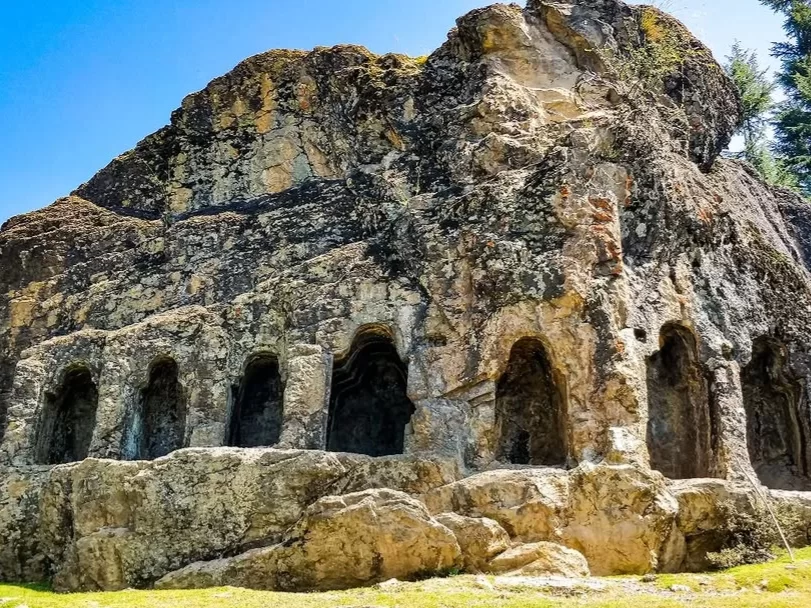
The on-ground atmosphere is defined by a sense of ancient intrigue and raw, untouched nature. Before reaching the main caves, visitors encounter Satbaran, a massive and mysterious rock structure featuring seven finely carved archways. This site, believed by locals to represent seven distinct routes to Russia or perhaps once serving as an ancient temple for the Pandavas, sits amidst a landscape of dense pine forests and rolling pastures, offering a quiet, offbeat environment far from the commercial tourist circuits.
What makes Kalaroos distinct is its blend of geological wonder and deep-seated folklore. While modern explorers have found the visible caves to terminate after several meters, the village tradition remains steadfast in stories of vast water bodies and foreign inscriptions hidden deep within the mountain. It offers a premier destination for trekkers and history enthusiasts seeking to stand at the intersection of Himalayan mythology and the unexplored frontier, providing a unique vantage point to appreciate the historical "Silk Road" connectivity of the Kupwara district.
The Kalaroos Caves are a mysterious and ancient cave system located in the Kupwara district of Jammu and Kashmir, situated at an elevation of approximately 2,100 meters (6,890 feet). These caves are carved into the Lashtiyal hill within the Kalaroos forest area and are famous for the local legend that they once served as a direct secret passage connecting the Kashmir Valley to Russia, which gave the village its name—Kalaroos, derived from "Qila-e-Roos" (Fort of Russia).
Geographically, the site is notable for a massive, monolithic rock structure known as "Satbaran" (Seven Doors), which features seven distinct arched openings carved into a single rock face. This structure is believed to have been a gateway or a site of worship dating back thousands of years. The caves themselves are located higher up the mountain and consist of deep, narrow tunnels with complex stalactite and stalagmite formations. The surrounding terrain is a dense coniferous forest, typical of the northern Himalayan foothills, offering a rugged landscape that has kept the caves relatively isolated from mainstream tourism.
Historically, the origin of the Kalaroos Caves remains a subject of archaeological debate. While local folklore links them to the Silk Road and ancient trans-continental travel, some researchers suggest they may have served as ancient hermitages or storage sites. The Satbaran carvings show architectural influences that predate modern history, hinting at the region's long-standing role as a crossroads for different civilizations. Today, the site is a growing destination for adventure seekers and history enthusiasts, maintained by the local community and protected by its remote location near the border mountains.
The Kalaroos Caves, situated in the Kupwara district, are shrouded in local legend as a supposed ancient secret passage to Russia. Located at an altitude of roughly 6,500 feet within the dense forests of the Lolab Valley, the caves are accessible for most of the year, though the trek to reach the specific "Satbaran" rock structures and the cave openings is best undertaken when the forest trails are dry and stable.
Kalaroos Caves, located in the Kupwara district of North Kashmir, are one of the most mysterious archaeological sites in the valley. Situated at an elevation of approximately 2,130m (7,000 ft) in the Lolab Valley, these caves are famous for the "Satbaran" rock structure and local legends suggesting ancient secret tunnels connecting Kashmir to Russia.
 Valley
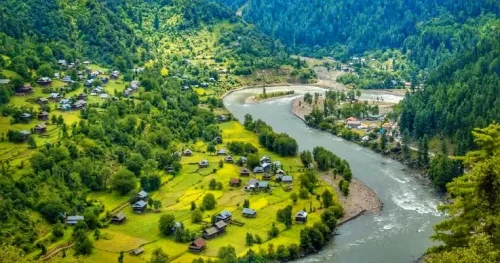
Keran Valley is a scenic Himalayan valley located in Kupwara district, Jammu and Kashmir, along the Kishanganga River near the Line of Control.
 Valley
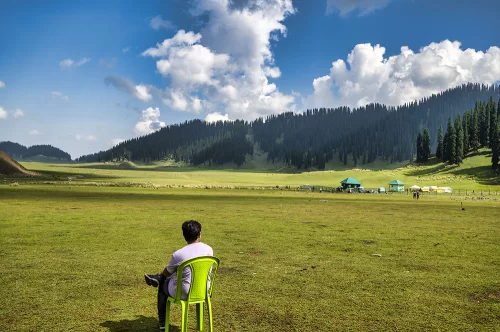
Bangus Valley is a high-altitude meadow valley located in Kupwara district, Jammu and Kashmir, known for its vast alpine grasslands surrounded by forested Himalayan mountains.
 Valley
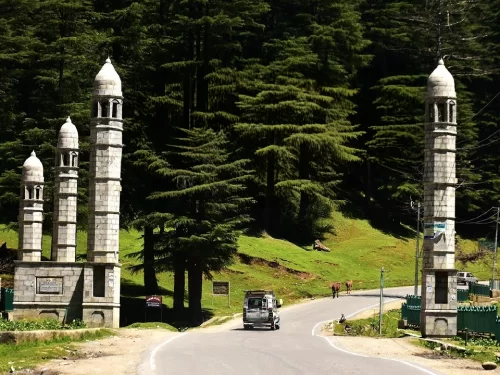
Bungus Valley (also spelled Bangus) is a high-altitude Himalayan sub-valley situated at an elevation of approximately 3,048 meters (10,000 feet) in the northern Kupwara district.
Get customized Jammu and Kashmir tour planning designed around seasonal weather patterns, valley travel routes, snow conditions, and realistic hill road timing. Whether you are visiting for scenic landscapes, serene lakes, spiritual journeys, meadow stays
⚡ Quick Response | 💰 Free consultation | 🕒 24×7 expert support

