+91 9910402252
admin@chalbanjare.com


| Entry Fee | Free |
| Timings | 00:00 - 23:59 |
| Altitude (m) | 2400 |
| Ideal Visit Duration (hrs) | 48 |
| Best Time of Day | Morning |
| Crowd Level | Low |
| Distance from Srinagar (km) | 140 |
| Walking Difficulty | Easy |
| Parking Available | Yes |
| Last Mile Access | Road |
| Suitable for Kids | Yes |
| Suitable for Seniors | Yes |
| Wheelchair Friendly | No |
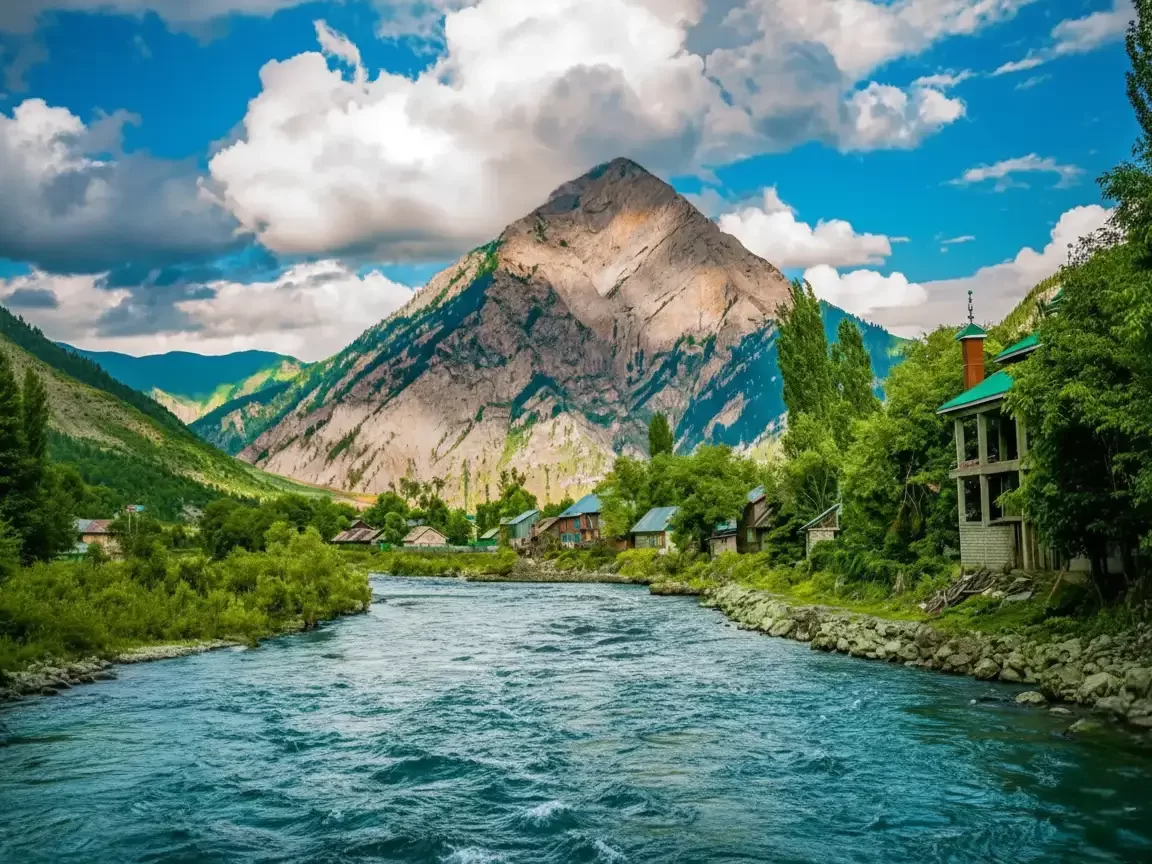
The Kishanganga River, also known as the Neelum River in its lower reaches, is the lifeblood of the Gurez and Tulail valleys, carving a path through some of the most remote and strategically sensitive terrain in the Himalayas. Travelers visit its banks to witness its dramatic, icy-blue waters that originate from the high-altitude glaciers near Dras and flow westward, serving as a natural and historic boundary between different sectors of the high-altitude frontier.
The atmosphere along the river is one of raw, unbridled power combined with alpine tranquility. As it winds through Dawar and Tulail, the sound of its rushing rapids dominates the valley, surrounded by towering pine forests and the distinctive pyramid-shaped peak of Habba Khatoon. Visitors encounter a landscape where the river dictates the rhythm of life, providing essential water for the emerald-green barley fields and serving as a pristine backdrop for the traditional wooden villages of the Dard-Shin people.
What makes the Kishanganga distinct is its dual identity as a serene natural wonder and a centerpiece of regional engineering and history. It offers a rare opportunity for travelers to see a river that remains largely untouched by industrial pollution, providing world-class opportunities for trout fishing and riverside camping in the higher reaches of Gurez. The presence of the Kishanganga Hydroelectric Project near the valley's entrance highlights the river's vital role in modern infrastructure, while its ancient banks continue to whisper stories of the Silk Road travelers who once navigated its rugged canyons.
The Kishanganga River, known as the Neelum River in areas across the Line of Control, is a major Himalayan tributary of the Jhelum River. Originating from the high altitude glacial lakes near Sonamarg, specifically the Krishansar Lake at an elevation of approximately 3,710 meters (12,172 feet), it carves a deep and scenic path through the Gurez Valley in the Bandipora district of Jammu and Kashmir.
Geographically, the river flows through some of the most rugged and remote terrain in the northern Himalayas. It acts as a vital water source for the Gurez and Tulail valleys, supporting high altitude agriculture and a fragile ecosystem home to the rare Himalayan Brown Bear and various trout species. The river's course is characterized by crystal-clear turquoise waters that meander through wildflower meadows and dense coniferous forests, eventually flowing westward toward the Muzaffarabad region.
Historically and strategically, the Kishanganga has been a focal point of regional importance for centuries. It once sat along the ancient trade routes connecting the Kashmir Valley to Central Asia. In modern times, it is the site of the Kishanganga Hydroelectric Project, a major engineering feat that diverts water through a tunnel to a powerhouse in the Bandipora district. The river remains a symbol of the cultural identity of the Dard-Shin people and is increasingly popular for trout fishing and white-water rafting, though its proximity to the border ensures it remains a highly monitored and protected waterway.
The Kishanganga River, the turquoise lifeline of the Gurez and Tulail valleys, flows at an average altitude of 8,000 feet before crossing the Line of Actual Control. The river's character shifts from a turbulent glacial torrent in early summer to a serene, crystal-clear stream in autumn. Because the river is the primary focus of the Gurez experience, the best time to visit is strictly aligned with the accessibility of the Razdan Pass and the seasonal stability of the riverbanks.
The Kishanganga River, known as the Neelum River in Pakistan-administered territory, is a trans-border Himalayan river that flows through the Gurez and Tulail valleys of northern Kashmir. It serves as the lifeline for the Dard-Shina community and acts as a natural boundary along various stretches of the Line of Control (LoC), making it one of the most geographically and strategically significant rivers in the region.
The [Kishenganga River](http://googleusercontent.com/map_location_reference/0) is the lifeline of the Gurez Valley, known for its stunning turquoise waters and significant role in the local Dard-Shin culture. Originating near Dras, it flows through the high-altitude landscapes of Gurez and Tulail before crossing the Line of Control (LoC) into Pakistan-administered Kashmir, where it is known as the Neelum River.
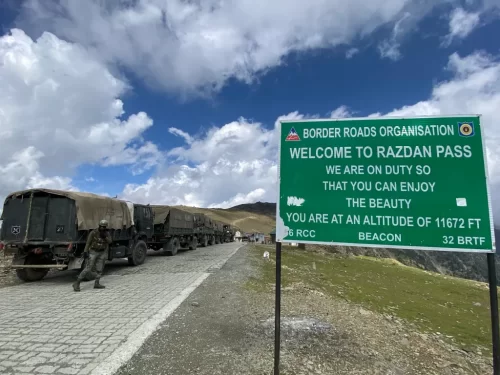 Mountain Pass
Razdan Pass is a high-altitude mountain pass connecting Bandipora to Gurez Valley in Jammu and Kashmir.
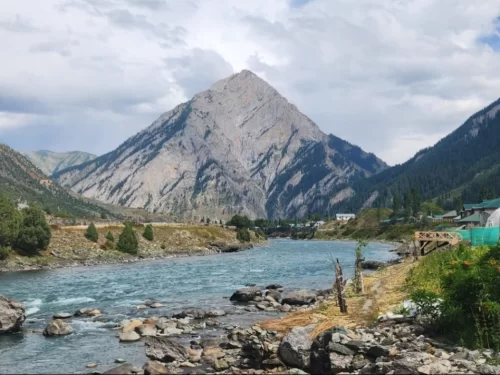 Mountain
Habba Khatoon is a distinctive pyramid-shaped mountain peak situated at an elevation of approximately 3,962 meters (13,000 feet) in the Dawar region of Gurez Valley.
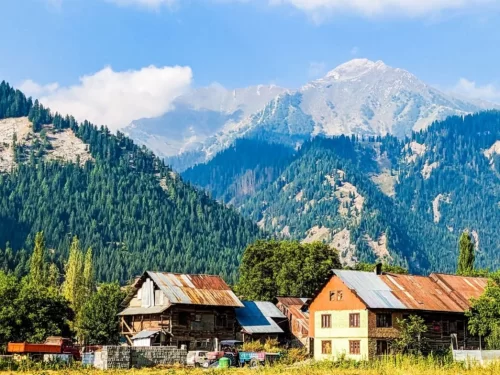 Village
Dawar is the central township and the ancient capital of the Dards, situated at an elevation of approximately 2,400 meters (7,874 feet) along the banks of the Kishanganga River.
Get customized Jammu and Kashmir tour planning designed around seasonal weather patterns, valley travel routes, snow conditions, and realistic hill road timing. Whether you are visiting for scenic landscapes, serene lakes, spiritual journeys, meadow stays
⚡ Quick Response | 💰 Free consultation | 🕒 24×7 expert support

