+91 9910402252
admin@chalbanjare.com


| Entry Fee | Free |
| Timings | 06:00 - 18:00 |
| Altitude (m) | 4380 |
| Ideal Visit Duration (hrs) | 2 |
| Best Time of Day | Evening |
| Crowd Level | Moderate |
| Distance from Dawar (km) | 3 |
| Walking Difficulty | Hard |
| Parking Available | Yes |
| Last Mile Access | Trek |
| Suitable for Kids | Yes |
| Suitable for Seniors | Yes |
| Wheelchair Friendly | No |
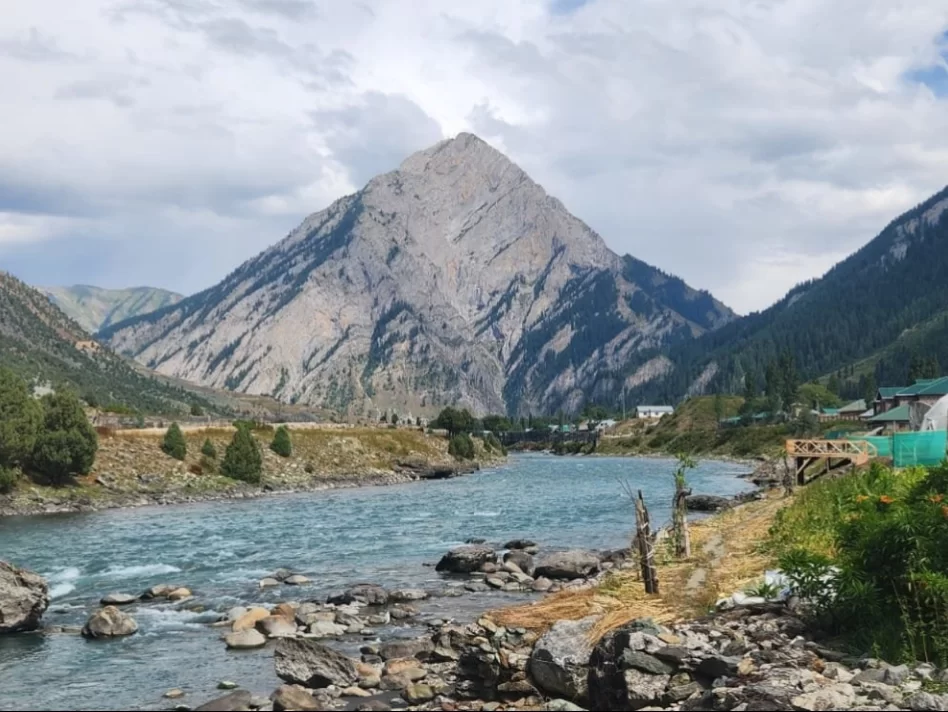
Habba Khatoon is a majestic, pyramid-shaped limestone peak that serves as the iconic silhouette of the Gurez Valley. Travelers visit this mountain not only for its striking geological symmetry but to connect with the poignant history of the 16th-century Kashmiri poetess-queen, Habba Khatoon, who is said to have wandered these slopes in grief after her husband, King Yousuf Shah Chak, was imprisoned by Emperor Akbar. It stands as a powerful symbol of love, loss, and the enduring cultural identity of the region.
The atmosphere at the base of the peak is ethereal, especially during the "golden hour" when the setting sun illuminates the rock face, casting a glow that reflects in the nearby Kishanganga River. Visitors experience a profound sense of stillness while exploring the nearby spring, known as Habba Khatoon’s Spring, where the crystal-clear water is believed to have medicinal properties. The surrounding landscape is a blend of rugged cliffs and soft alpine meadows, creating a dramatic visual contrast that defines the Gurez experience.
What makes Habba Khatoon distinct is its unique status as a "literary landmark" in the heart of the Trans-Himalayas. Unlike other peaks that are valued solely for their height or climbing routes, this mountain is central to the oral traditions and folk songs of the Dard-Shin and Kashmiri people. It offers a rare vantage point for photographers and trekkers to capture the spiritual essence of Gurez, providing a backdrop that has inspired centuries of poetry and remains the most photographed natural feature in the entire northern frontier.
Habba Khatoon is a majestic, pyramid-shaped limestone peak situated at an elevation of approximately 3,962 meters (13,000 feet) in the Gurez Valley of the Bandipora district. Towering over the central township of Dawar, it is the most iconic geographic landmark of the region and is visible from almost every corner of the valley.
Geographically, the peak is part of the North Himalayan Range and is characterized by its unique triangular silhouette and steep rock faces that change color with the shifting sunlight. At its base, a perennial spring known as the Habba Khatoon spring flows into the Kishanganga River, providing crystal-clear mineral water that is considered sacred and medicinal by the local community. The mountain serves as a natural sentinel, defining the rugged topography of the Gurez borderland.
Historically and culturally, the peak is named after the legendary 16th-century Kashmiri poetess and queen, Habba Khatoon, also known as the "Nightingale of Kashmir." Local lore suggests that she used to wander near this mountain and the spring after her husband, King Yousuf Shah Chak, was exiled by the Mughal Emperor Akbar. The mountain has since become a symbol of love, longing, and the resilient spirit of the Dard-Shin people. Today, it remains a site of immense pride for the inhabitants of Gurez and is a primary attraction for trekkers and travelers seeking to explore the romantic and historical heart of the valley.
Habba Khatoon, the iconic pyramid-shaped peak standing at approximately 13,000 feet, is the spiritual and geographical anchor of the Gurez Valley. Named after the legendary 16th-century Kashmiri poetess, the mountain and its associated freshwater spring in Achoora village are most accessible during the warmer months when the Razdan Pass remains open, allowing travelers to witness the peak's dramatic shadow over the Kishanganga River.
Habba Khatoon is an iconic pyramid-shaped limestone peak that dominates the landscape of the Gurez Valley at an elevation of approximately 4,000m (13,000 ft). Named after the legendary 16th-century Kashmiri poetess and queen, the mountain is the most photographed landmark in northern Kashmir and is famous for the natural spring (Habba Khatoon Spring) that flows at its base.
The [Habba Khatoon Mountain](http://googleusercontent.com/map_location_reference/0) is the most iconic landmark of the Gurez Valley, standing as a towering pyramid-shaped limestone peak at an altitude of approximately 3,962 meters (13,000 feet). Named after the legendary 16th-century Kashmiri poetess known as the "Nightingale of Kashmir," the mountain is steeped in local folklore and romantic tragedy. Visitors often mention that the peak changes colors during sunrise and sunset, reflecting a golden or orange hue that locals associate with the spirit of the poetess who is said to have wandered these slopes after her separation from King Yusuf Shah Chak.
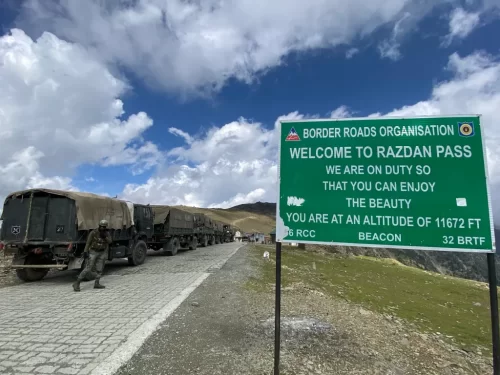 Mountain Pass
Razdan Pass is a high-altitude mountain pass connecting Bandipora to Gurez Valley in Jammu and Kashmir.
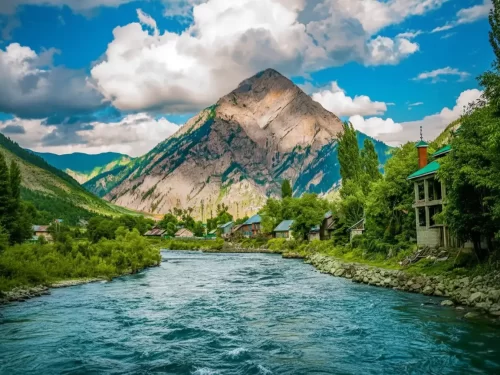 Adventure Park
The Kishanganga River, also known as the Neelum River in Pakistan-administered Kashmir, is a significant tributary of the Jhelum River, originating from the high-altitude glaciers near Krishansar Lake and Sonamarg.
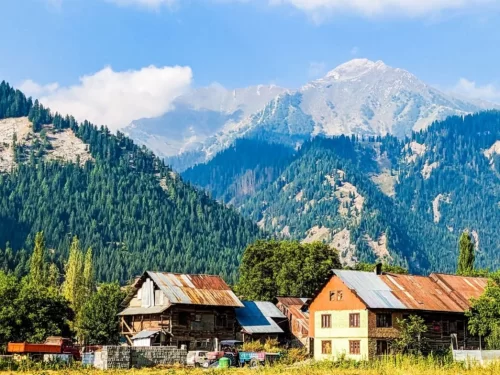 Village
Dawar is the central township and the ancient capital of the Dards, situated at an elevation of approximately 2,400 meters (7,874 feet) along the banks of the Kishanganga River.
Get customized Jammu and Kashmir tour planning designed around seasonal weather patterns, valley travel routes, snow conditions, and realistic hill road timing. Whether you are visiting for scenic landscapes, serene lakes, spiritual journeys, meadow stays
⚡ Quick Response | 💰 Free consultation | 🕒 24×7 expert support

