Quick Facts About Khilanmarg
| Entry Fee | Free |
| Timings | 06:00 - 18:00 |
| Altitude (m) | 2800 |
| Ideal Visit Duration (hrs) | 2 |
| Best Time of Day | Morning |
| Crowd Level | Moderate |
| Distance from Gulmarg (km) | 6 |
| Walking Difficulty | Moderate |
| Parking Available | No |
| Last Mile Access | Trek |
| Suitable for Kids | Yes |
| Suitable for Seniors | No |
| Wheelchair Friendly | No |
Why Visit Khilanmarg in Gulmarg
Visitors come to Khilanmarg for its open meadow landscape and clear mountain views, especially of surrounding peaks during fair weather. It is commonly visited by travelers looking for a short excursion from Gulmarg without engaging in long or technical treks.
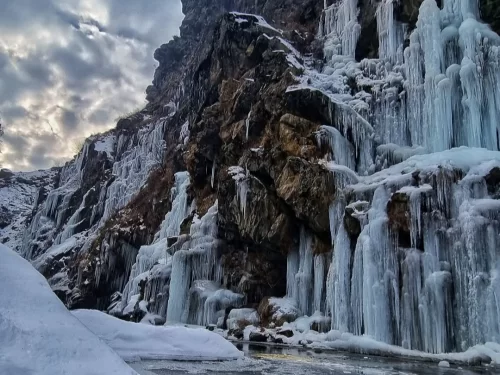
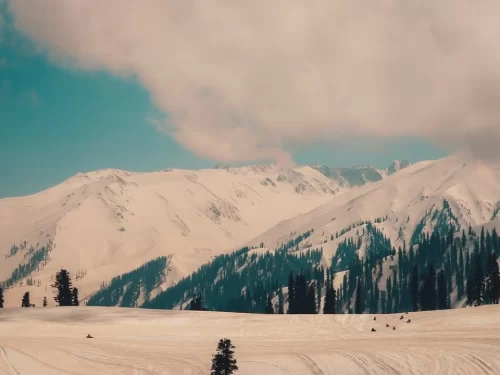
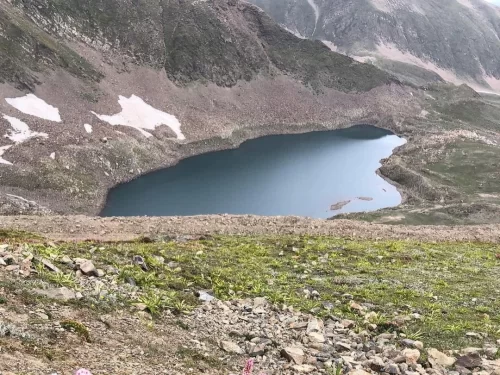
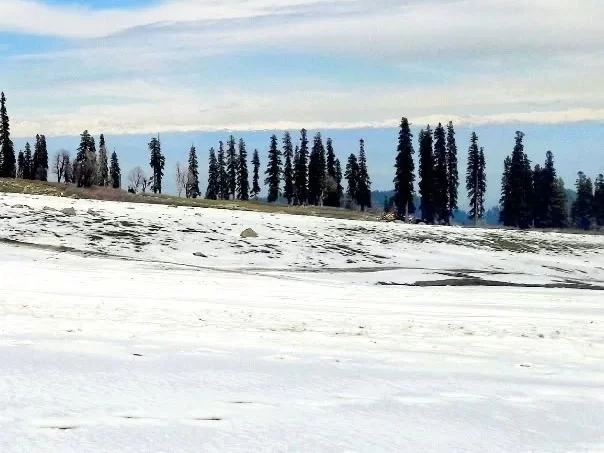
The on-ground atmosphere is quiet and spacious, with grassy slopes, seasonal wildflowers in summer, and snow-covered terrain in winter. The area feels less crowded than the main Gulmarg meadow, allowing visitors to move at a relaxed pace and spend time taking in the scenery.
What makes Khilanmarg distinct for travelers is its elevated position and uninterrupted views toward the Himalayan ranges, often including Mount Nanga Parbat on clear days. It suits visitors who want a scenic, natural setting focused on landscape rather than built attractions.
History of Khilanmarg, Gulmarg
Khilanmarg has historically functioned as an open alpine meadow rather than a settled or administratively important location. Its primary historical role was as a seasonal grazing ground used by local pastoral communities who moved livestock here during summer months to take advantage of fresh grass and accessible water sources.
During the late 19th and early 20th centuries, when Gulmarg developed as a hill resort under British administration, Khilanmarg became known as a high-altitude viewpoint and recreation area. Its elevated position offered clear views of surrounding peaks, which led to its inclusion in early leisure routes and nature walks rather than formal construction or development.
Khilanmarg has no temples, monuments, or permanent structures tied to historical events. Its significance lies in long-standing land use patterns and its gradual transition from pastoral meadow to scenic stop, shaped by geography and seasonal access rather than political or religious history.
Best Time to Visit Khilanmarg
Khilanmarg is best visited when access from Gulmarg is open and weather conditions allow safe movement across the meadow, as the experience depends entirely on visibility, snow conditions, and ground stability.
- Ideal months: May to October for meadow walks and mountain views; January to February for snow activities when conditions are stable.
- Weather during the best season: Cool and pleasant summers with clear views of Nanga Parbat and surrounding peaks; cold winters with deep snow cover and limited but scenic accessibility.
- Periods to avoid: Late March to April due to melting snow, slushy terrain, poor footing, and reduced visibility during seasonal transition.
How to Reach Khilanmarg, Gulmarg
- Nearest Airport: Srinagar International Airport (Sheikh ul-Alam Airport), approximately 55 km from Gulmarg. The airport has regular flights from major Indian cities. From the airport, taxis to Gulmarg are readily available, and the journey usually takes 2 to 3 hours depending on traffic and weather conditions.
- Nearest Railway Station: Srinagar Railway Station (Nowgam), about 50 km away. It is connected to the Banihal section of the Kashmir railway network. From the station, visitors must hire a taxi to reach Gulmarg, as there is no direct rail or bus service beyond this point.
- Road Access & Last-Mile Connectivity: Khilanmarg is located about 6 km from Gulmarg and is accessible only by foot or pony ride from the main Gulmarg meadow. There is no motorable road to Khilanmarg. The trek is moderate and takes around 1.5 to 2 hours one way. During winter, deep snow can make access difficult or unsafe, and movement is often restricted based on weather conditions.
What to Expect When You Visit Khilanmarg
- The environment at Khilanmarg is open and alpine, with rolling meadows, pine-covered slopes, and wide mountain views. The area feels less developed than Gulmarg, with no permanent structures or viewing platforms.
- Facilities are not available at Khilanmarg. There are no restrooms, shops, or food stalls, so visitors must carry water and essentials from Gulmarg.
- Accessibility involves reaching by pony ride or hiking from Gulmarg. The trail is uneven and can be tiring, especially for those not accustomed to walking at altitude.
- Movement within the meadow is unrestricted, but the ground can be wet or muddy due to melting snow or rain, making walking slippery in certain sections.
- Visitor numbers are moderate, with fewer people than Gulmarg but regular tourist presence during peak seasons. Most visitors come for short stays and photography.
- Weather changes quickly. Fog, wind, or sudden rain are common, and temperatures are noticeably cooler than in Gulmarg, even during summer.
Important Visitor Information for Khilanmarg, Gulmarg
- Crowd and Weather Notes: Khilanmarg is less crowded than Gulmarg’s main meadow but sees increased visitor activity during peak summer months from May to September and during winter skiing season. Weather remains cooler than Gulmarg, with strong winds and sudden cloud cover common.
- Peak and Quiet Visiting Hours: Late morning to early afternoon is the busiest period, especially when pony services operate regularly. Early mornings offer clearer mountain views and a quieter experience, while afternoons can see fog rolling in.
- Dress Code: No formal dress code applies, but layered warm clothing is essential throughout the year. Sturdy walking or trekking shoes are recommended due to uneven grassy terrain and snow patches in colder months.
- Safety Notes and Practical Cautions: Khilanmarg is accessed by walking or pony rides, and there are no permanent facilities on site. Weather can change quickly, so avoid staying late in the day. During winter, deep snow and limited visibility require experienced guidance.
Photography and Viewpoints at Khilanmarg, Gulmarg
- The open meadow ridge of Khilanmarg offers the clearest viewpoints, with sweeping views of Gulmarg below and the twin peaks of Nun and Kun visible on clear days.
- Slightly elevated grassy knolls provide better depth for compositions, allowing foreground wildflowers or snow patches to frame distant mountain ranges.
- Morning light between 7 am and 9 am is ideal, as the sun rises over the surrounding peaks and illuminates the meadow evenly before haze builds up.
- Late afternoon light can create dramatic shadows across the slopes, but cloud movement is frequent and may partially obscure long-range views.
- Photography is allowed for personal use, with no formal restrictions, but visitors should stay within safe walking areas, especially during snow season.
- Crowds are moderate compared to central Gulmarg, though pony traffic and trekking groups can affect clean frames during peak tourist hours.