+91 9910402252
admin@chalbanjare.com


| Entry Fee | INR 25 |
| Timings | 09:00 - 17:00 |
| Altitude (m) | 1600 |
| Ideal Visit Duration (hrs) | 1 |
| Best Time of Day | Morning / Evening |
| Crowd Level | Moderate |
| Distance from Srinagar (km) | 5 |
| Walking Difficulty | Moderate |
| Parking Available | Limited |
| Last Mile Access | Road + Walk |
| Suitable for Kids | Yes |
| Suitable for Seniors | Limited |
| Wheelchair Friendly | No |
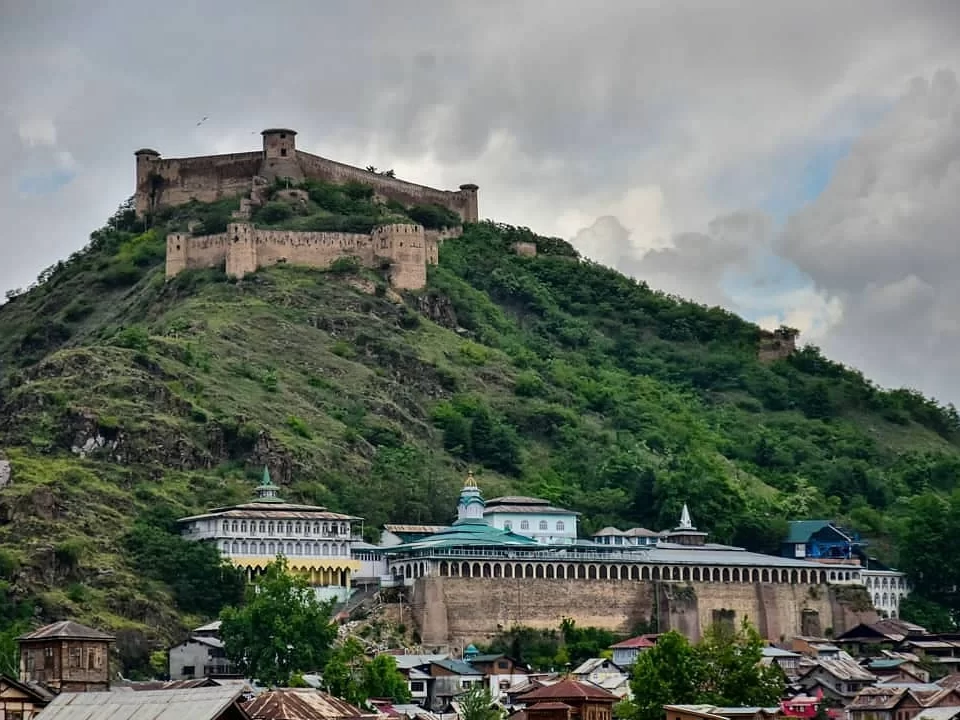
Visitors come to Hari Parbat Fort for its elevated viewpoint over Srinagar and Dal Lake, making it a practical stop for travelers interested in city-scale perspectives rather than interior exploration. It is often included as a short visit alongside nearby city attractions.
The on-ground atmosphere is quiet and open, with stone pathways, sparse vegetation, and steady views across the old city and surrounding mountains. The site feels less crowded than central Srinagar spots, allowing visitors to move around without pressure.
What makes Hari Parbat Fort distinct for travelers is its vantage point and layered surroundings, where religious sites, fort walls, and city views coexist in one compact area. It suits visitors who value panoramic outlooks and spatial context over restored interiors or museum-style displays.
Hari Parbat Fort was constructed in the late 16th century during the reign of Mughal Emperor Akbar, who ordered the fortification of the Hari Parbat hill to protect Srinagar and assert Mughal control over Kashmir. The fort was strategically positioned to overlook the city and Dal Lake, using the natural elevation of the hill as a defensive advantage.
Although initiated under Akbar, the fort was completed later during the Afghan Durrani rule in the 18th century. Over time, it passed through multiple phases of control, including Sikh and Dogra administrations, each using the fort primarily for military and strategic purposes rather than as a royal residence.
Hari Parbat Fort’s historical importance lies in its layered political history and continuous military relevance across centuries. Unlike Mughal pleasure gardens or palaces, the fort reflects Kashmir’s strategic value and changing power structures, with its massive stone walls remaining a visible reminder of imperial and regional rule over Srinagar.
Hari Parbat Fort is best visited during seasons when the hilltop paths are dry and visibility over Srinagar is clear, allowing visitors to explore the fort walls and surrounding religious sites comfortably.
[Hari Parbat](http://googleusercontent.com/map_location_reference/0) Fort, also known as Koh-e-Maran, is a historical fortification crowning the Sharika Hill in Srinagar. This site offers a unique photographic blend of 18th-century Durrani architecture and a rare 360-degree perspective of the Kashmir Valley, including the sprawling Dal Lake and the historic "Old City" (Shehr-e-Khas).
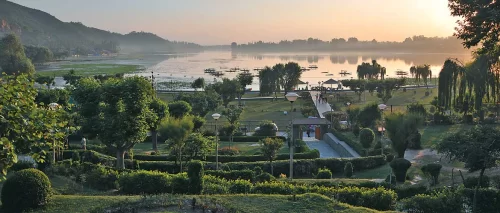 Lake
Lake
Manasbal Lake is a freshwater lake located in Ganderbal district, Jammu and Kashmir, surrounded by villages and gardens in the Kashmir Valley.
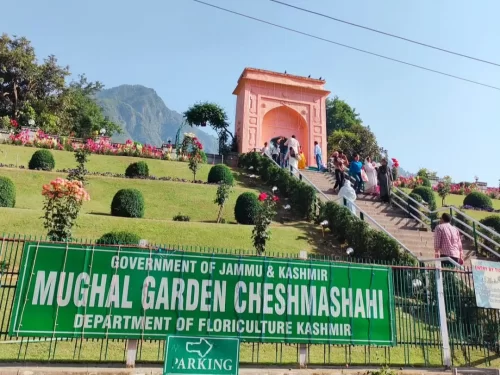 Garden
Mughal Garden refers to a group of historic terraced gardens located in Srinagar, Jammu and Kashmir, developed during the Mughal era and including famous sites such as Shalimar Bagh, Nishat Bagh, and Chashme Shahi.
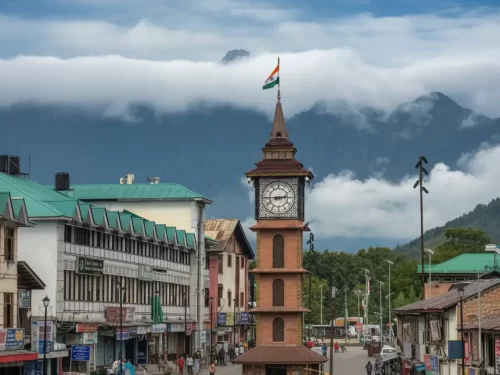 Market / Bazaar
Lal Chowk is a central public square and commercial hub located in the heart of Srinagar city.
Get customized Jammu and Kashmir tour planning designed around seasonal weather patterns, valley travel routes, snow conditions, and realistic hill road timing. Whether you are visiting for scenic landscapes, serene lakes, spiritual journeys, meadow stays
⚡ Quick Response | 💰 Free consultation | 🕒 24×7 expert support

