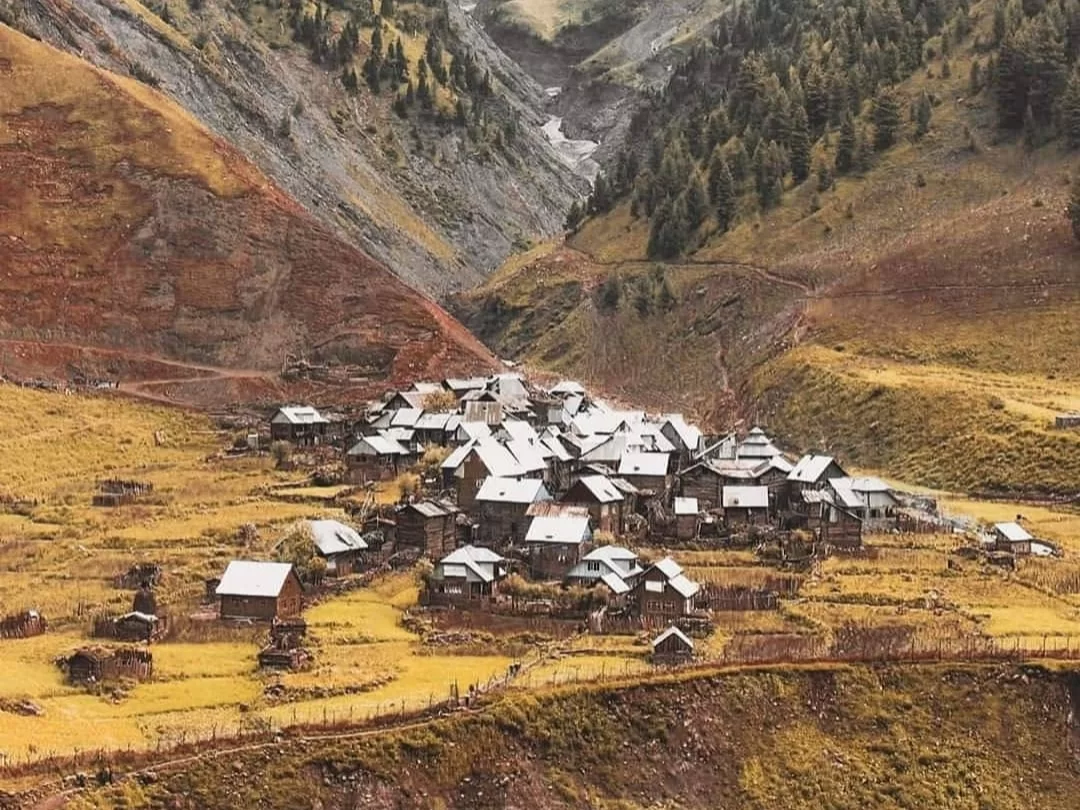
Chakwali Village: Remote Border Settlement in Tulail Valley, Jammu and Kashmir, India

Chakwali village , Gurez
Tourists visit Chakwali because it is the last motorable village in the Tulail Valley, located near the Line of Control. The village is a destination for travelers seeking an off-beaten-path experience characterized by traditional wooden Dard-Shin architecture, pristine alpine landscapes, and the beginning of several high-altitude trekking trails leading toward the Drass region. It serves as a significant cultural outpost for the Shina-speaking Dardic community, offering a glimpse into a lifestyle largely unchanged by modern urban influence.

Quick Facts About Chakwali village

Entry Fee Free
Timings Daytime Only
Altitude (m) 2800
Ideal Visit Duration (hrs) 4
Best Time of Day Morning to Afternoon
Crowd Level Very Low
Distance from Dawar (km) 65
Distance from Srinagar (km) 190
Walking Difficulty Moderate
Parking Available Limited
Last Mile Access 4x4 Road
Suitable for Kids Yes
Suitable for Seniors Limited
Wheelchair Friendly No

Why Visit Chakwali Village in the Tulail Valley

Chakwali is the final frontier village in the Tulail region of Gurez, standing as the last civilian settlement before the Line of Control. Travelers venture to this remote outpost to experience the absolute edge of the map, where the road literally ends and the raw, unpolished beauty of the high Himalayas takes over. It is a premier destination for those seeking to witness a traditional way of life that remains virtually untouched by modern commercialization.

The atmosphere in Chakwali is defined by a profound sense of stillness and the rhythmic sounds of the Kishanganga River. The village is characterized by its unique Shina-style architecture, featuring ancient wooden houses stacked closely together against the backdrop of massive, emerald-colored mountains. Visitors encounter a landscape where the air is extraordinarily pure and the hospitality of the Dard-Shin people offers a warm, human contrast to the rugged, high-altitude environment.

What makes Chakwali distinct is its role as the ultimate gateway to the hidden alpine meadows and glacial streams of the upper Gurez Valley. It offers a rare opportunity to see the traditional "log-cabin" lifestyle of the border tribes who have lived in harmony with these harsh winters for centuries. Standing in Chakwali provides a unique perspective on the geography of the partition, making it an essential stop for travelers interested in frontier history and the pristine, end-of-the-road wilderness of Jammu and Kashmir.

Historical and Geographic Significance of Chakwali Village

Chakwali is a remote border village situated at an elevation of approximately 3,350 meters (10,990 feet) in the Tulail Valley of the Gurez sector, Bandipora district. It is recognized as the last inhabited village on the Indian side of the Line of Control (LoC) in this region, marking the far eastern edge of the Gurez Valley where the Kishanganga River flows deep within the rugged Himalayan terrain.

Geographically, Chakwali is nestled in a narrow, high-altitude valley surrounded by massive snow-capped peaks of the Kishanganga range. The landscape is characterized by pristine alpine meadows and dense coniferous forests that remain isolated from the outside world for nearly six months of the year due to heavy snowfall at Razdan Pass. The village serves as a terminal point for the road network in Tulail, beyond which lies the high-altitude wilderness and the sensitive border ridge.

Historically, Chakwali is home to the Shina-speaking Dardi community, descendants of ancient Indo-Aryan tribes who have inhabited these mountains for centuries. The village reflects a unique cultural heritage that has remained largely untouched by modern urbanization, preserving traditional wooden architecture and a pastoral lifestyle centered around livestock and high-altitude farming. Today, it is of significant strategic importance and is closely monitored by the Indian Army. It is increasingly becoming a point of interest for extreme off-beat travelers looking to explore the furthest reaches of the Gurez Valley, though access requires strict military clearances and permits.

Best Time to Visit Chakwali Village

Chakwali, the last inhabited village in the Tulail Valley of Gurez, is a remote frontier destination located at approximately 11,500 feet. Accessibility is strictly seasonal, dictated by the opening of the Razdan Pass and the subsequent clearance of snow along the rugged riverside tracks of the Kishanganga, making it one of the most time-sensitive travel destinations in Jammu and Kashmir.

  • Ideal months: July to September is the only viable window, with August and September offering the most stable ground conditions and the iconic golden-green hues of the Tulail meadows.
  • Weather conditions: Summer days are temperate and pleasant, with temperatures between 12°C and 20°C; however, the lack of infrastructure and high-altitude setting means nights are consistently cold, often dropping to 5°C even in mid-July.
  • Periods to avoid: Strictly avoid travel from November to May when the entire Tulail Valley is cut off from the rest of the world by 15 to 20 feet of snow; additionally, early June should be avoided as the unpaved tracks from Barnoi to Chakwali are frequently washed out by heavy snowmelt and turbulent stream crossings.

How to Reach Chakwali Village

Chakwali is the final frontier of the Gurez Valley, recognized as the last inhabited village on the Indian side of the Line of Control (LoC) in the Tulail region. Located approximately 65 km beyond Dawar, it sits at an elevation of about 2,850m (9,350 ft) and offers a rare glimpse into the traditional Dard-Shina culture amidst untouched alpine scenery and the Kishanganga River.
  • Nearest Airport: Srinagar International Airport (SXR) is the closest air link, located roughly 190 km away. Travelers typically spend 8 to 10 hours on the road to reach Chakwali from Srinagar, often breaking the journey with an overnight stay in Dawar (Gurez).
  • Nearest Railway Station: Srinagar Railway Station (Nowgam) is the nearest railhead, but for those coming from outside the valley, Jammu Tawi (approx. 450 km) is the primary major station. The journey is exclusively road-based beyond Srinagar.
  • Road Access and Route: The journey follows the route: Srinagar – Bandipora – Razdan Pass – Dawar – Barnoi – Tulail – Chakwali. While the road to Dawar is relatively established, the 65-km stretch from Dawar to Chakwali is largely unpaved, narrow, and runs parallel to the Kishanganga River.
  • Last-Mile Connectivity: This route is highly demanding. Only the first 10 km from Dawar are tarred; the remainder is a rugged dirt track. A high-clearance 4x4 vehicle or a sturdy adventure motorcycle is strongly recommended. Public transport is extremely limited beyond Dawar, and most travelers rely on hired local taxis (Sumos).
  • Permits and Security: As of 2026, Indian citizens do not require a formal Inner Line Permit but must carry an original Aadhaar Card for verification at multiple army checkpoints, including those at Razdan Pass, Dawar, and Barnoi. Foreign nationals require special permission from the District Magistrate and the Ministry of Home Affairs due to the village's proximity to the border.
  • Seasonal Accessibility: Chakwali is strictly a summer destination, accessible only from May to October. The Razdan Pass (3,557m) receives heavy snow, cutting off the entire Gurez and Tulail valleys for nearly six months of the year.
  • Practical Amenities: There is no tourist infrastructure in Chakwali. No hotels, fuel stations, or ATMs exist beyond Dawar. Accommodations are limited to very basic homestays or camping with local permission. Mobile connectivity is non-existent; BSNL signals may occasionally reach parts of Tulail, but travelers should expect to be completely offline.
Essential Visitor Information for Chakwali Village
  • Crowd and Weather: Chakwali is the last inhabited village in the Tulail Valley of Gurez, sitting at a high altitude near the Line of Control (LoC); it is exceptionally remote with zero commercial tourism. The weather is alpine and harsh, with short, mild summers and extremely long, snow-bound winters that cut the village off from the rest of the world for six months.
  • Peak and Quiet Visiting Hours: The village is best accessed between 10:00 AM and 3:00 PM during the summer months (June to September); late afternoon travel is discouraged as the narrow mountain tracks from Baduab are difficult to navigate once the sun dips behind the high peaks of the Kishanganga watershed.
  • Dress Code and Conduct: Respectful, modest clothing is essential as this is a conservative border community; seek permission from village elders before taking photographs of residents or homes. Heavy woolens and waterproof gear are necessary even in summer due to the rapid onset of cold winds at dusk.
  • Safety and Border Sensitivity: As a frontier village, military presence is constant; carry original government IDs at all times. Visitors must adhere strictly to the paths pointed out by locals and avoid wandering toward the ridgelines, which are highly sensitive zones near the LoC.
  • Logistics and Infrastructure: There are no hotels, restaurants, or commercial shops in Chakwali; visitors usually stay in homestays in Baduab or camp with prior permission. Mobile connectivity is non-existent, and the nearest basic medical facility is located in Barnoi or Dawar.
  • Terrain and Access: The road from Dawar to Chakwali is a rugged, unpaved track through the Tulail Valley; a high-clearance SUV is mandatory to cross the multiple stream crossings and rocky patches that characterize this final stretch of the Gurez border circuit.

What to Expect When You Visit Chakwali Village

  • Environment and Surroundings: Chakwali Village is a remote and high-altitude settlement located in the heart of the Gurez Valley, near the Line of Control (LoC). It is often described as the last village of Gurez on the Indian side. The environment is dominated by the Kishanganga River and is surrounded by steep, verdant mountains that remain snow-clad for most of the year. The village is characterized by traditional log-and-mud houses and a profound sense of isolation.
  • Facilities and Amenities: Commercial infrastructure in the village is virtually non-existent. There are no hotels, modern restaurants, or formal medical centers. Travelers can occasionally find basic homestay options or tented camps provided by local families. For essential supplies, fuel, and better medical facilities, one must travel back to Dawar, the main hub of Gurez. Mobile network coverage is extremely weak or entirely absent.
  • Accessibility and Movement: Reaching the village involves a long and rugged journey from Dawar via the Tulail Valley. The road is largely unpaved, consisting of dirt and loose gravel, and is prone to blockages from landslides or snow. Due to its extreme proximity to the border, visitors are subject to multiple security checks by the Indian Army; a valid permit and government-issued ID are mandatory to proceed beyond certain checkpoints.
  • Typical Visitor Behavior and Conditions: Most visitors are adventure travelers or trekkers who come to witness the raw, untouched beauty of the "last border village." Stays are typically brief or overnight in very basic conditions. It is essential to respect the local culture and the high-security protocols of the area. Weather is volatile; even in mid-summer, nights are freezing, and sudden heavy rain can make the primitive roads impassable.

Capturing the Frontier Charm of Chakwali Village

  • Tulail Valley Panoramas: The most comprehensive viewpoint is located on the elevated approach road leading into the village. From here, photographers can capture the entire settlement of wooden houses clustered along the Kishanganga River, framed by the towering, verdant peaks of the Gurez sector.
  • Traditional Shina Architecture: The village is renowned for its authentic log-cabin style homes and granaries. Close-up shots of the intricate interlocking woodwork and mud-plastered walls provide excellent textural detail and document the unique high-altitude architectural heritage of the Shina people.
  • Riverfront Reflections: The banks of the Kishanganga River offer clear reflections of the surrounding mountains, particularly during the early morning when the water is calmest. The contrast between the turquoise glacial water and the golden-green meadows creates a vibrant natural palette.
  • Golden Hour and Shadow Play: Due to the deep V-shaped topography of the Tulail Valley, the sun sets early behind the ridges. The "Golden Hour" occurs earlier than usual, typically between 3:30 PM and 5:00 PM in summer, casting long, dramatic shadows across the terraced fields and wooden rooftops.
  • Strict Border Photography Rules: As Chakwali is the last village in the Tulail Valley near the Line of Control, photography is highly regulated. While capturing village life and landscapes is generally permitted, it is strictly prohibited to photograph any military bunkers, personnel, or communication equipment. Ensure you have the necessary inner line permits and have cleared the final army checkpoints.
  • Agricultural Life and Scale: The terraced fields surrounding the village provide a sense of scale and human endurance. Photographing local farmers during the summer harvest against the backdrop of massive rock faces highlights the remote and rugged nature of life in one of India's furthest frontier outposts.

Near By Attraction

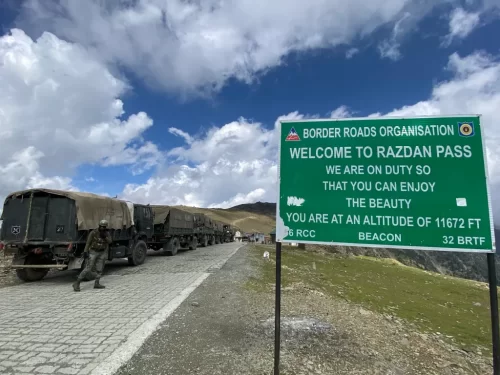
Welcome sign at Razdan Pass near Gurez during partly cloudy weather, featuring army trucks and mountains, perfect adventure Srinagar tour package.  Mountain Pass

Razdan Pass

Razdan Pass is a high-altitude mountain pass connecting Bandipora to Gurez Valley in Jammu and Kashmir.
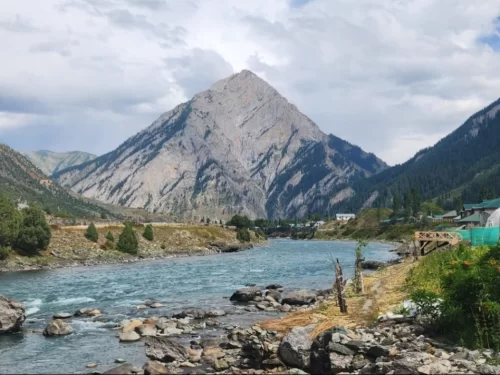
Majestic Habba Khatoon Peak at Gurez Valley during cloudy weather, featuring turquoise river and villages, perfect adventure Srinagar tour package.  Mountain

Habba Khatoon

Habba Khatoon is a distinctive pyramid-shaped mountain peak situated at an elevation of approximately 3,962 meters (13,000 feet) in the Dawar region of Gurez Valley.
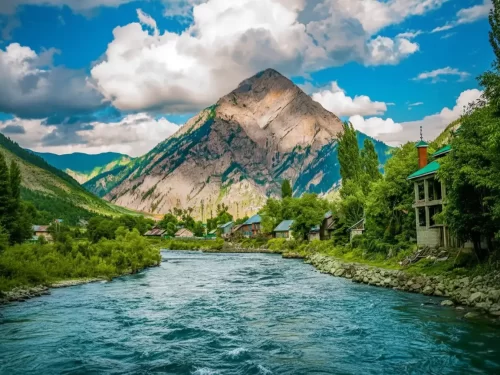
Kishanganga River Gurez Valley sunny day, featuring turquoise waters wooden houses poplar trees Habba Khatoon peak mountains, perfect adventure experience Srinagar tour packages. Adventure Park

Kishanganga River

The Kishanganga River, also known as the Neelum River in Pakistan-administered Kashmir, is a significant tributary of the Jhelum River, originating from the high-altitude glaciers near Krishansar Lake and Sonamarg.

Frequently Asked Questions About Chakwali village

Chakwali Village is located in the Gurez Valley region of Jammu and Kashmir near the Line of Control, surrounded by open meadows and mountain landscapes. It lies along the Kishanganga River and reflects traditional valley life.
Chakwali Village can be reached by road from Srinagar via Bandipora and Razdan Pass, with the journey typically taking 8 to 10 hours depending on weather and road conditions. The final stretch involves rural mountain roads.
The best time to visit Chakwali Village is between June and September when roads remain open and weather conditions are stable. Summer months provide clear views and comfortable daytime temperatures.
One full day is generally enough to explore Chakwali Village at a relaxed pace. Many travelers combine it with other nearby valley spots during the same visit.
Chakwali Village is suitable for families who are comfortable with long road journeys and minimal infrastructure. The environment allows calm walks and observation of rural mountain life.
Chakwali Village can be visited during winter, but heavy snowfall in Jammu and Kashmir may block mountain passes and restrict access. Travel plans should be based on updated road conditions.
Travelers in Chakwali Village can see traditional wooden houses, agricultural fields, and scenic views of surrounding hills. The atmosphere focuses on natural beauty and local lifestyle rather than commercial tourism.
Accommodation options in Chakwali Village are limited and basic, with some homestays available in the wider valley region. Most visitors stay in nearby settlements and plan a day visit.
Chakwali Village remains relatively less crowded even during peak travel months. It offers a quiet and open environment away from mainstream tourist routes.
Food and basic facilities in Chakwali Village are limited to small local shops and simple eateries. Visitors should carry essential supplies as options are minimal.
Chakwali Village can be combined with visits to Dawar Village, Habba Khatoon, and the Kishanganga River during the same trip. Its location makes it part of a broader Gurez Valley exploration.
Travelers visiting Chakwali Village should carry warm clothing, water, snacks, and personal essentials. Weather in this high altitude region of Jammu and Kashmir can shift quickly, so preparation ensures a smoother visit.

Loved this place ? Let’s Plan Your Jammu and Kashmir Trip

Get customized Jammu and Kashmir tour planning designed around seasonal weather patterns, valley travel routes, snow conditions, and realistic hill road timing. Whether you are visiting for scenic landscapes, serene lakes, spiritual journeys, meadow stays

⚡ Quick Response | 💰 Free consultation | 🕒 24×7 expert support

×

Plan Your Trip