Quick Facts About Baltal Valley
| Entry Fee | Free |
| Timings | 06:00 - 18:00 |
| Altitude (m) | 2743 |
| Ideal Visit Duration (hrs) | 24 |
| Best Time of Day | Morning |
| Crowd Level | High |
| Distance from Srinagar (km) | 92 |
| Walking Difficulty | Moderate |
| Parking Available | Yes |
| Last Mile Access | Walk |
| Suitable for Kids | Yes |
| Suitable for Seniors | Yes |
| Wheelchair Friendly | No |
Why Visit Baltal Valley in Ganderbal
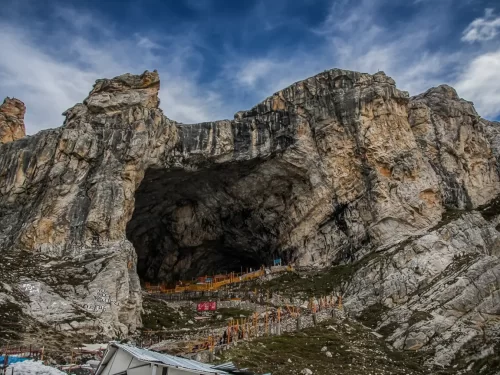
Visitors come to Baltal Valley as a base for trekking to the Amarnath Cave and to experience the high-altitude Himalayan landscape. It draws adventure travelers, pilgrims, and nature enthusiasts looking for scenic meadows and river views.
The on-ground atmosphere is open and breezy, with green meadows, flowing streams, and panoramic mountain vistas. Temporary camps and yak grazing add to the rustic charm, while the valley remains peaceful outside the peak pilgrimage season.
What makes Baltal Valley distinct for travelers is its accessibility to the Amarnath trek combined with its natural beauty. Unlike more developed hill stations, it offers a raw Himalayan experience, making it appealing for trekking, camping, and photography in a relatively untouched setting.
History of Baltal Valley, Ganderbal
Baltal Valley has historically served as a key base camp for pilgrims traveling to the Amarnath Cave, one of Hinduism’s most revered shrines dedicated to Lord Shiva. Its use as a pilgrimage route dates back several centuries, linking the Kashmir Valley to the Himalayan highlands.
The valley has traditionally supported temporary settlements and encampments for pilgrims, with natural meadows and streams providing essential resources along the trek. Local communities historically assisted travelers, establishing Baltal as both a logistical and cultural waypoint.
Beyond its religious significance, Baltal Valley reflects the region’s longstanding adaptation to high-altitude landscapes, showcasing pastoral practices, seasonal trekking traditions, and the integration of spiritual journeys into daily life in the Himalayas.
Best Time to Visit Baltal Valley
Baltal Valley is best visited during the summer months when the landscape is accessible, the trails are safe, and the valley serves as a base for trekking to Amarnath Cave. Seasonal conditions greatly affect travel and trekking feasibility.
- Ideal months: June to August, coinciding with the main Amarnath Yatra season and milder temperatures.
- Weather during the best season: Cool to mild temperatures, mostly clear skies, and manageable trekking paths suitable for pilgrims and tourists.
- Periods to avoid: September to May due to heavy snowfall, extreme cold, and closure of access roads and trekking trails, making travel unsafe.
How to Reach Baltal Valley, Ganderbal
Baltal Valley is a scenic base camp in Ganderbal district, Jammu & Kashmir, primarily used for trekking to the Amarnath Cave and for its lush alpine landscapes. Access requires careful planning due to its mountainous location.
- Nearest Airport: Srinagar International Airport (Sheikh ul-Alam Airport), approximately 93 km away. The airport is connected to major Indian cities like Delhi, Mumbai, and Bengaluru. From here, taxis or private cabs take about 3–4 hours, depending on traffic and mountain road conditions.
- Nearest Railway Station: Srinagar Railway Station, around 85 km from Baltal. Local taxis, private cabs, or tour operators provide onward transport to the valley.
- Road Access & Last-Mile Connectivity: Baltal is accessible via the Srinagar–Ganderbal–Sonamarg road, followed by a mountain route to the valley. The final stretch involves narrow, winding roads, often affected by snow, landslides, or heavy rainfall. Only sturdy vehicles or organized taxi services are recommended. During peak Amarnath Yatra season, temporary traffic management and permits may apply.
What to Expect When You Visit Baltal Valley
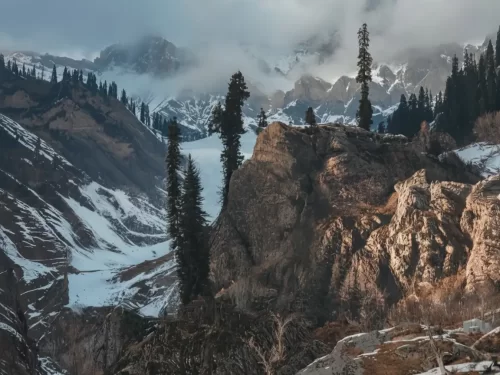
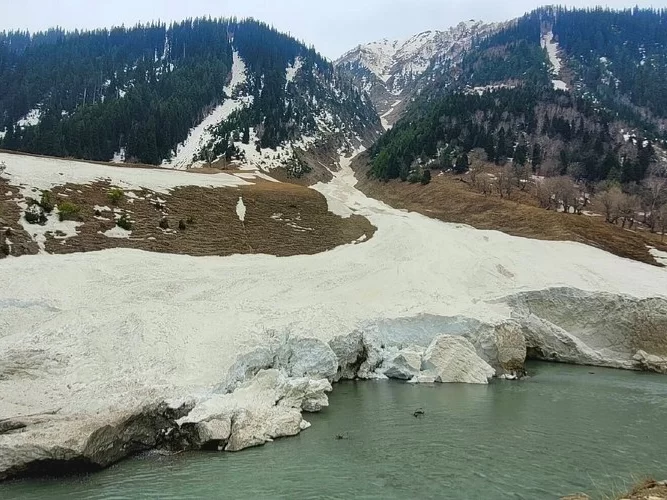
- Baltal Valley is a high-altitude meadow surrounded by snow-capped peaks and the Sindh River. Expect open grassy plains, scenic mountain views, and a cool, crisp environment, especially during summer.
- Facilities are basic and seasonal. There are temporary tents, stalls, and basic camping amenities during peak trekking or pilgrimage seasons. Permanent restrooms and cafes are limited or absent.
- Accessibility involves walking on uneven terrain and gentle slopes. For trekkers heading to Amarnath, additional climbing and longer trails are required. The valley is not suitable for wheelchairs or those with mobility issues.
- Visitors often engage in trekking, camping, or enjoying the landscape. Expect modest crowds during pilgrimage seasons and quiet surroundings during off-peak months.
- Typical visit duration ranges from a few hours to multiple days, depending on trekking plans or camping arrangements.
- Weather conditions vary drastically. Summer is mild, but sudden rain or cold winds are common. Winters are harsh and mostly inaccessible. Proper clothing, footwear, and acclimatization are essential.
Important Visitor Information for Baltal Valley, Ganderbal
- Crowd and Weather Notes: Baltal Valley sees peak visitors during the Amarnath Yatra season (July to August). Summers are pleasant, while winters are extremely cold with heavy snowfall, making the area inaccessible. Sudden weather changes are common due to high altitude.
- Peak and Quiet Visiting Hours: Peak hours are usually from 9:00 AM to 3:00 PM during trekking and pilgrimage periods. Early morning (before 9:00 AM) offers a quieter experience for sightseeing and photography.
- Dress Code: Warm, layered clothing and sturdy trekking shoes are essential. Modest attire is recommended for the religious significance of the area. Carry rain gear during sudden showers.
- Safety Notes and Practical Cautions: The valley has steep and uneven terrain; trekking can be strenuous. Altitude sickness is possible; stay hydrated and acclimatize properly. Follow marked paths and local guidance. Minimal facilities are available, so carry essentials like water and snacks.
Photography and Viewpoints at Baltal Valley, Ganderbal
- The open valley meadows with the Sindh River and surrounding mountains offer sweeping wide-angle shots, ideal for capturing the expansive Himalayan landscape.
- Approach paths along the riverbanks provide natural leading lines for compositions, while elevated spots on the surrounding ridges offer panoramic viewpoints.
- Early morning light (6–9 am) highlights dew-covered meadows and softens shadows on the valley slopes; late afternoon light adds warmth to mountain ridges and river reflections.
- Overcast days reduce harsh contrasts, ideal for photographing greenery and river flow, especially during the summer season.
- Photography is generally allowed; drones or professional equipment may require permission from local authorities. Respect trekking paths and nomadic camp areas while shooting.
- Weekends and peak trekking months can be crowded; visiting early ensures clearer frames and uninterrupted access to prime viewpoints.