Quick Facts About Aharbal Waterfall
| Entry Fee | Free |
| Timings | 06:00 - 18:00 |
| Altitude (m) | 2250 |
| Ideal Visit Duration (hrs) | 1 |
| Best Time of Day | Morning |
| Crowd Level | Moderate |
| Distance from Srinagar (km) | 75 |
| Walking Difficulty | Moderate |
| Parking Available | Yes |
| Last Mile Access | Walk |
| Suitable for Kids | Yes |
| Suitable for Seniors | Yes |
| Wheelchair Friendly | No |
Why Visit Aharbal Waterfall in Kashmir
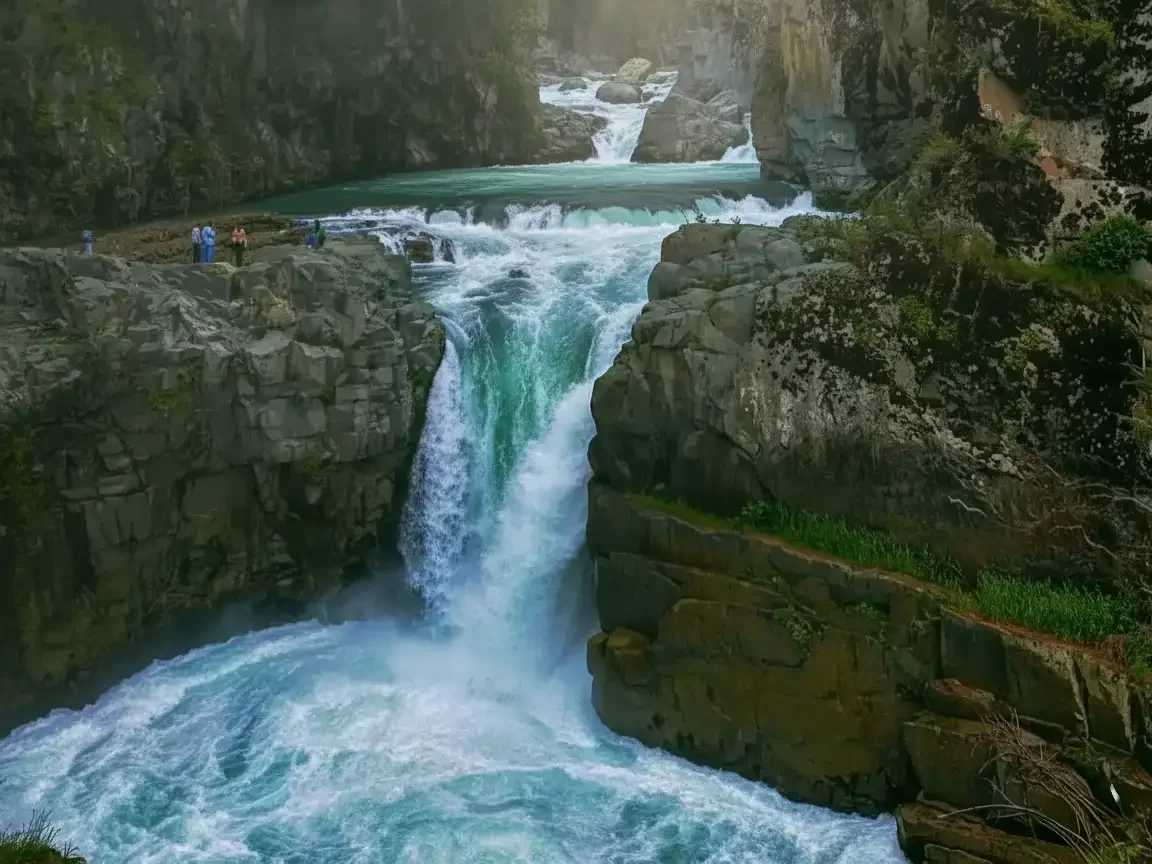
Visitors come to Aharbal Waterfall to witness one of Kashmir’s most powerful river cascades, where the Veshaw River drops forcefully through a narrow gorge. It attracts travelers who want a dramatic natural sight rather than a landscaped garden or viewpoint.
The on-ground atmosphere is loud, misty, and energetic, with the sound of crashing water dominating the area and spray rising from the gorge below. Viewing platforms and paths allow visitors to experience the waterfall up close while maintaining safe distance from the fast-moving river.
What makes Aharbal Waterfall distinct for travelers is its scale and force, often compared to a regional canyon waterfall rather than a gentle cascade. It suits visitors who appreciate raw river landscapes and do not expect quiet or leisurely surroundings.
History of Aharbal Waterfall, Kulgam
Aharbal Waterfall has no recorded association with dynasties, settlements, or built heritage. It is a natural waterfall formed by the Veshaw River as it descends sharply through rocky terrain in the southern Kashmir region.
Historically, the site was known primarily to nearby villages and travelers moving through forested routes of the Pir Panjal foothills. The waterfall functioned as a natural landmark and water source rather than a place of administration, worship, or trade.
Aharbal gained wider recognition in the modern period with the development of road access and local tourism infrastructure. Its historical relevance lies in its long-standing natural presence and geographic role, shaped by river flow and landscape rather than human activity or cultural tradition.
Best Time to Visit Aharbal Waterfall
Aharbal Waterfall is best visited when the Veshaw River is flowing strongly but safely and the surrounding forested landscape is accessible, as seasonal water levels and road conditions directly affect both views and safety.
- Ideal months: April to June and September to October, when the waterfall is powerful, viewpoints are accessible, and the surrounding area is comfortable to explore.
- Weather during the best season: Cool to mild temperatures with clear visibility in spring, fresh greenery after snowmelt, and stable paths around the waterfall area.
- Periods to avoid: July to August due to very strong water flow, slippery rocks, and safety risks during monsoon rainfall; December to February due to extreme cold, icy paths, and limited access.
How to Reach Aharbal Waterfall, Kulgam District
- Nearest Airport: Srinagar International Airport (Sheikh ul-Alam Airport), approximately 75 km away. The airport is well connected to major Indian cities. From the airport, visitors must travel by road via Anantnag or Shopian; total travel time usually ranges from 2.5 to 3.5 hours depending on traffic and road conditions.
- Nearest Railway Station: Anantnag Railway Station, about 45 km from Aharbal Waterfall, located on the Banihal–Baramulla rail line. From Anantnag, taxis are required to reach Aharbal, as there is no direct public transport to the waterfall.
- Road Access & Last-Mile Connectivity: Aharbal Waterfall is accessed by road via Kulgam town. Private taxis and local vehicles can reach the designated parking area near the viewpoint. The final stretch involves short walking paths along the gorge. During monsoon and winter seasons, water flow, slippery trails, or temporary access restrictions may limit movement near the falls, and visitors should follow local safety advisories.
What to Expect When You Visit Aharbal Waterfall
- The environment around Aharbal Waterfall is rugged and loud, with the Veshaw River dropping forcefully through a rocky gorge. The area feels raw and powerful rather than calm, especially during peak flow.
- Facilities are limited and basic. Small local stalls and informal parking may be available nearby, but there are no well-maintained restrooms or sheltered viewing platforms.
- Accessibility involves walking down uneven paths and natural rock steps to reach viewpoints. Surfaces can be slippery due to spray, moss, or rain.
- Movement near the waterfall requires caution. There are few safety railings, and the force of the water makes getting too close unsafe.
- Visitor behavior typically includes short stops for viewing and photography. Crowding can occur on weekends and holidays, mainly near the main viewpoint.
- Seasonal conditions affect the experience. The waterfall is most powerful during spring and monsoon, while winter cold and mist can reduce visibility and comfort.
Important Visitor Information for Aharbal Waterfall, Kulgam
- Crowd and Weather Notes: Aharbal Waterfall sees moderate crowds during summer months from May to September, especially on weekends and holidays. Water flow is strongest in late spring and early summer due to snowmelt. Monsoon rains can increase mist and reduce visibility near the gorge.
- Peak and Quiet Visiting Hours: Late morning to early afternoon is the busiest period when most visitors arrive from Srinagar and nearby towns. Early mornings offer fewer crowds and clearer views of the waterfall and surrounding forested slopes.
- Dress Code: No formal dress code applies, but modest clothing and comfortable walking shoes are recommended. The viewing areas involve uneven ground and short walks near rocky edges.
- Safety Notes and Practical Cautions: Strong currents and steep drops make it unsafe to approach the base of the waterfall. Slippery rocks and wet paths are common due to constant spray. Visitors should remain within designated viewpoints and avoid standing near unprotected cliff edges.
Photography and Viewpoints at Aharbal Waterfall, Jammu and Kashmir
- The main viewing platform near the gorge offers the clearest and safest viewpoint, allowing full-width shots of the waterfall plunging into the V-shaped canyon.
- Downstream viewpoints along marked paths provide alternative angles that capture the stepped rock formations and turbulent river flow below the falls.
- Late morning to early afternoon provides the best lighting, as sunlight reaches into the gorge and highlights water spray and rock textures.
- Early morning scenes are often shadow-heavy due to steep canyon walls, while late afternoon light fades quickly and reduces visibility.
- Photography is permitted for personal use, but crossing safety railings or approaching cliff edges is prohibited due to strong currents and slippery terrain.
- Crowds are moderate during peak season and weekends, which can limit time at prime viewpoints; weekdays offer steadier access and cleaner framing.