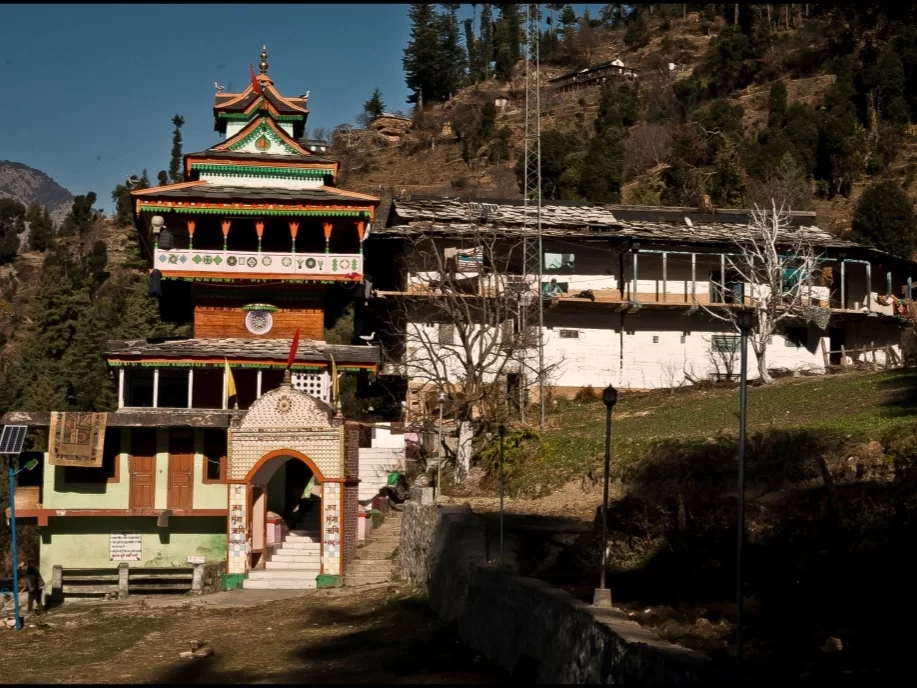
Shringa Rishi Temple - A Sacred Himalayan Temple in Himachal Pradesh

Shringa Rishi Temple , Jibhi
Shringa Rishi Temple is a historic Hindu temple nestled in the picturesque Tirthan Valley of Himachal Pradesh. It is dedicated to the sage Rishi Shringa, known for his devotion and spiritual significance in Hindu mythology. The temple features beautiful wooden architecture and is surrounded by lush greenery, making it a peaceful and spiritual destination. Pilgrims and tourists alike visit the temple not only for its religious significance but also for its tranquil surroundings and panoramic views of the Tirthan Valley. The temple remains a quiet and sacred place for meditation and prayer.

Quick Facts About Shringa Rishi Temple

Entry Fee Free
Timings 00:00 - 23:59
Altitude (m) 1800
Ideal Visit Duration (hrs) 2
Best Time of Day Morning
Crowd Level Moderate
Distance from Banjar (km) 25
Walking Difficulty Easy
Parking Available Yes

Why Visit Shringa Rishi Temple

Why Visit

Shringa Rishi Temple is a serene and spiritual destination, attracting visitors seeking a peaceful and meditative experience. The temple is dedicated to the revered sage Rishi Shringa, whose presence is believed to have brought prosperity to the region. Not only is it a place of religious importance, but it also offers breathtaking views of the surrounding Tirthan Valley, making it a perfect spot for both spiritual reflection and natural beauty.

Atmosphere

The atmosphere around Shringa Rishi Temple is tranquil and serene, offering a deep sense of peace. The temple is nestled amidst lush green landscapes, with the gentle sound of the river flowing nearby. It provides a perfect environment for quiet contemplation and spiritual activities. Whether you're there to pray, meditate, or simply enjoy the calm surroundings, the temple's peaceful setting ensures a fulfilling experience.

What Makes it Special

What makes Shringa Rishi Temple special is its spiritual significance, historical importance, and stunning location. The temple is not just a site for religious activities, but a symbol of the ancient Hindu belief in the power of sages. The surrounding natural beauty, combined with the sacred aura of the temple, makes it a unique destination for both pilgrims and nature enthusiasts. The temple's architecture, though simple, exudes an air of antiquity, adding to the charm of the place. For visitors, it offers a blend of cultural, spiritual, and natural experiences that leave a lasting impact.

History of Shringa Rishi Temple

Shringa Rishi Temple has a deep historical and spiritual significance in the Tirthan Valley. The temple is dedicated to the revered sage Rishi Shringa, who, according to Hindu mythology, is known for his devotion and significant role in bringing prosperity and well-being to the region. Rishi Shringa is believed to have been an ascetic who meditated in the area, attracting divine blessings for the surrounding lands.

The temple, built in the traditional architectural style of Himachal Pradesh, stands as a reminder of the region's rich spiritual heritage. Though the exact date of its construction is not clearly documented, the temple has been an important pilgrimage site for centuries, drawing visitors from all over India. The location of the temple, in a peaceful and serene setting, adds to its allure, as it is surrounded by lush forests and the calming sounds of the Tirthan River.

While the temple primarily serves as a place of worship, it also represents the region’s connection to ancient spiritual traditions and practices. The natural beauty that surrounds it further emphasizes its importance as a site for reflection and meditation.

Best Time to Visit Shringa Rishi Temple

The best time to visit Shringa Rishi Temple is during the spring (March to June) and autumn (September to November) months. These seasons offer pleasant weather, with moderate temperatures that make the journey and visit comfortable. The valley is lush and vibrant during these months, offering visitors a serene experience with clear skies and fresh air.
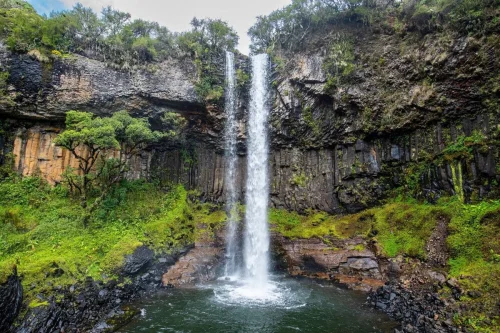
  • Spring (March to June): Ideal weather conditions for a visit, with pleasant temperatures perfect for outdoor activities and trekking. The landscape is green and lush, enhancing the temple’s scenic beauty.
  • Autumn (September to November): A fantastic time for photography and sightseeing, with clear skies and cool temperatures. The landscape remains vibrant post-monsoon, providing a perfect backdrop for the temple.
  • Summer (June to August): The temperature is warmer, but the region can experience occasional rainfall. It’s suitable for visitors who don’t mind the rainy weather but should be prepared for slippery trails.
  • Winter (December to February): While winters are cold, they offer a quieter experience with fewer tourists. The possibility of snow adds to the temple’s charm, but the cold weather may make the journey more challenging.

How to Reach Shringa Rishi Temple

  • By Air: The nearest airport to Shringa Rishi Temple is Kullu-Manali Airport (Bhuntar), approximately 60 km away. From the airport, you can hire a taxi or take a local bus to reach Banjar, followed by a short drive or trek to the temple.
  • By Train: The closest railway station is Joginder Nagar Railway Station, located about 100 km away. From the station, hire a taxi or take a local bus to Banjar, then proceed with a short drive or walk to reach the temple.
  • By Road: Shringa Rishi Temple is well-connected by road. You can drive or take a bus to Banjar, a town around 25 km away from the temple. From Banjar, it is a short, picturesque drive or a brief trek up to the temple.
  • Local Transport: In Banjar, local taxis or private vehicles can take you to the base of the temple. You can then walk the final stretch to reach the temple, enjoying the scenic surroundings along the way.

What to Expect When You Visit Shringa Rishi Temple

  • Peaceful Environment: Shringa Rishi Temple offers a serene and tranquil atmosphere, perfect for meditation and spiritual reflection. Surrounded by lush greenery and the sounds of the Tirthan River, the temple provides a peaceful retreat from the hustle and bustle of daily life.
  • Stunning Views: From the temple, you can expect breathtaking views of the Tirthan Valley and the majestic Himalayas in the distance. The surrounding nature adds to the beauty of the location, making it a perfect spot for photography and appreciating the natural landscape.
  • Simple Yet Beautiful Architecture: The temple's architecture is traditional and simple, constructed using locally sourced materials. The design reflects the region’s cultural heritage and offers a glimpse into the spiritual architecture of Himachal Pradesh.
  • Spiritual Ambiance: As a dedicated place of worship, you will experience a strong sense of spirituality upon visiting. The temple is often quiet, allowing for personal reflection and prayers, which adds to the overall sacred vibe of the site.
  • Moderate Walk: Reaching the temple involves a short walk or drive from the town of Banjar. The path leading up to the temple is scenic, making the journey a delightful experience. Expect a short uphill trek or drive, depending on your mode of transport.
  • Friendly and Welcoming Locals: Visitors can expect a warm welcome from the locals, who are often friendly and happy to share stories and information about the temple and the region's history.

Important Visitor Information

  • Crowd & Weather Notes: The temple remains relatively peaceful throughout the year, with fewer visitors during the off-peak seasons (December to February) and moderate crowd levels during the peak months (March to June, and September to November). The best time to visit is in spring and autumn when the weather is mild and comfortable. The region experiences heavy rainfall during the monsoon (July to September), which can make the trek slippery.
  • Peak / Quiet Hours: The temple tends to be quieter early in the morning (6:00 AM to 9:00 AM) and late in the afternoon (4:00 PM to 6:00 PM). Peak hours typically occur between 10:00 AM to 2:00 PM, especially on weekends or during religious festivals. For a peaceful experience, plan your visit during the quieter hours.
  • Dress Code: While there is no strict dress code for visiting Shringa Rishi Temple, it’s recommended to wear modest clothing. Since the area is relatively remote and the terrain can be uneven, comfortable walking shoes are advised. It’s also advisable to carry a light jacket during cooler months, as temperatures can drop in the evenings.
  • Safety Notes: The path leading to the temple is mostly well-maintained, but can become slippery during the rainy season. Ensure that you wear sturdy shoes and carry water during the walk. Visitors should be cautious when trekking in winter months due to possible snowfall and icy conditions. If you are traveling alone, it is advised to carry a fully charged phone and inform someone of your plans. Always check the weather forecast before your visit.

Photography and Viewpoint

  • Breathtaking Scenic Views: The temple is situated in a picturesque location, offering stunning views of the surrounding Tirthan Valley and the distant Himalayan peaks. The lush greenery, winding river, and peaceful environment make it an excellent spot for nature photography, particularly during the early morning or late afternoon when the lighting is ideal.
  • Architectural Photography: The temple's traditional Himachali architecture provides a striking contrast to the natural beauty of the area. The intricate wooden carvings, sloped roofs, and stone structure are perfect for architectural photography. Capturing these elements against the backdrop of the valley creates a truly memorable shot.
  • Nature and Wildlife Shots: The area around Shringa Rishi Temple is rich in biodiversity, with a variety of flora and fauna. Birdwatchers and nature photographers can capture shots of the local wildlife, including various bird species, butterflies, and small mammals that inhabit the surrounding forests.
  • Golden Hour Photography: The best time for photography is during the golden hour—early morning or late afternoon—when the soft light adds warmth to your photos. The views of the valley and surrounding peaks, combined with the tranquil atmosphere,

Near By Attraction

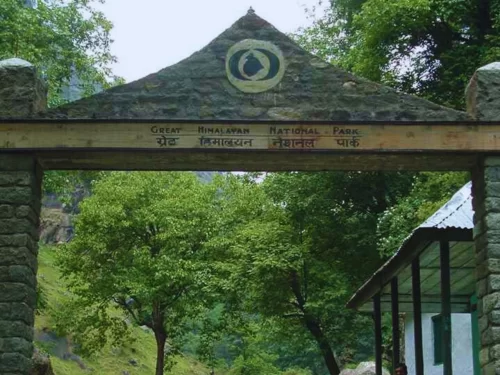
Entrance gate of Great Himalayan National Park featuring a stone arch with park signage, surrounded by lush green trees and forested hills in the Himalayas. Wildlife Sanctuary

Great Himalayan National Park

Great Himalayan National Park, located in Himachal Pradesh, is a UNESCO World Heritage site known for its rich biodiversity and stunning alpine landscapes.
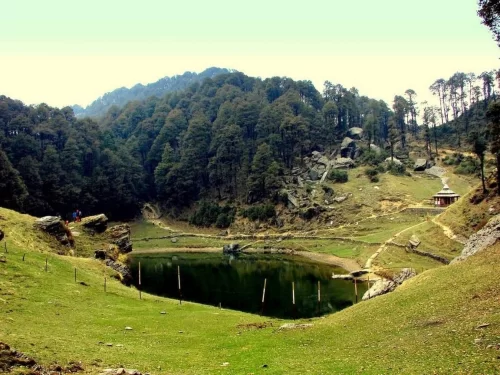
Scenic view of Jalori Pass featuring a serene mountain lake surrounded by grassy slopes, dense pine forests, rocky outcrops, and a small temple along a walking trail in the Himalayas. Mountain Pass

Jalori Pass

Jalori Pass, located in the mountains of Himachal Pradesh, is a breathtaking spot known for its scenic views and adventure opportunities.

Frozen Serolsar Lake at Jibhi during winter partly cloudy, featuring icy surface, oak forests, rocky hills, perfect serene Himachal Pradesh tour package. Lake

Serolsar Lake

Serolsar Lake, nestled in the majestic mountains of Himachal Pradesh, is a serene and beautiful alpine lake, perfect for nature lovers and trekkers.

Frequently Asked Questions About Shringa Rishi Temple

The best time to visit Shringa Rishi Temple is between March and June and from September to November when the weather in Kullu district of Himachal Pradesh remains pleasant. These months allow comfortable travel and temple visits.
Shringa Rishi Temple is located in Banjar Valley in Kullu district of Himachal Pradesh. It is dedicated to the local deity Shringa Rishi and is an important religious site in the region.
Shringa Rishi Temple can be reached by road from Banjar town, which is well connected to Kullu and Aut in Himachal Pradesh. Visitors usually travel by private vehicle or local taxi.
There is no entry fee to visit Shringa Rishi Temple. Devotees can enter the temple premises freely while following local customs.
Shringa Rishi Temple is generally open from morning until evening, with specific timings for prayers and rituals. Visiting during daylight hours ensures easier access and a peaceful experience.
Around 30 to 60 minutes is sufficient to explore Shringa Rishi Temple and spend time in prayer. Additional time may be needed during special religious occasions.
Shringa Rishi Temple involves minimal walking from the roadside, making it manageable for senior citizens. Visitors should move carefully on temple steps and uneven pathways.
Shringa Rishi Temple experiences higher footfall during local fairs and traditional festivals in Banjar Valley. Visiting on regular weekdays usually offers a quieter atmosphere.
Photography may be restricted inside the main shrine of Shringa Rishi Temple. Visitors should follow temple guidelines and seek permission before taking pictures.
Visitors to Shringa Rishi Temple should dress modestly, remove footwear before entering, and respect local traditions. Carrying light woolens is advisable due to changing weather conditions in Himachal Pradesh.

Loved this place ? Let’s Plan Your Himachal Pradesh Trip

Get customized Himachal Pradesh tour planning designed around season, road conditions, hill travel pacing, and comfort preferences. Whether you are visiting for snow experiences, mountain landscapes, temple towns, adventure activities, or relaxed valley s

⚑ Quick Response | πŸ’° Free consultation | πŸ•’ 24Γ—7 expert support

×

Plan Your Trip