+91 9910402252
admin@chalbanjare.com


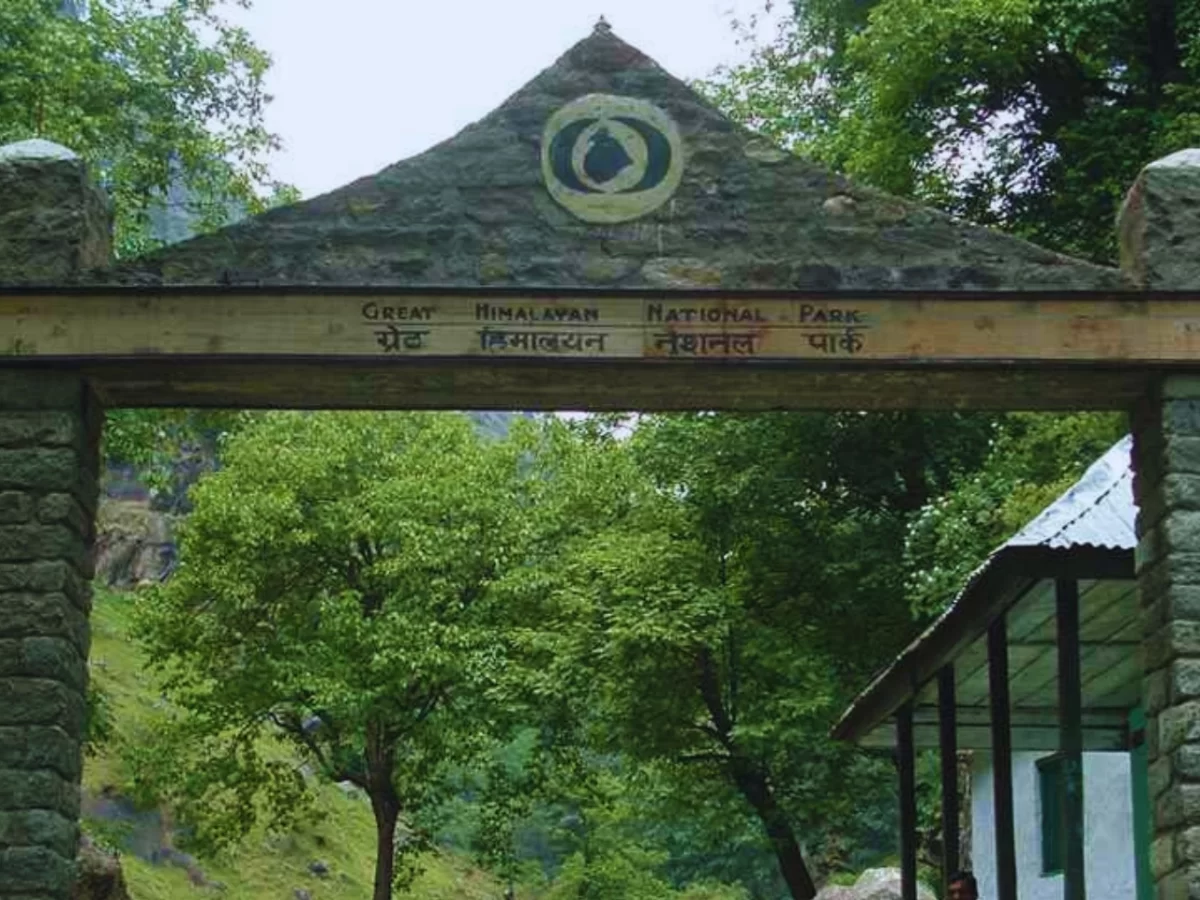
| Entry Fee | 50 |
| Timings | 06:00 - 18:00 |
| Altitude (m) | 6000 |
| Ideal Visit Duration (hrs) | 96 |
| Best Time of Day | Morning |
| Crowd Level | Moderate |
| Distance from Kullu (km) | 20 |
| Distance from Manali (km) | 50 |
| Walking Difficulty | Hard |
| Parking Available | Yes |
| Last Mile Access | Trek |
| Suitable for Kids | Yes |
| Suitable for Seniors | Yes |
| Wheelchair Friendly | No |
Atmosphere: Great Himalayan National Park offers a serene and peaceful atmosphere that immerses you in the natural beauty of the Himalayas. The park is surrounded by dense forests, alpine meadows, and high-altitude rivers, providing a perfect escape from the chaos of city life. The fresh mountain air, cool breeze, and diverse wildlife create an experience that calms the mind and rejuvenates the spirit.
What Makes it Special: The park is a UNESCO World Heritage site, home to some of the rarest and most endangered species of flora and fauna in the world. Its rich biodiversity includes species like the western tragopan, Himalayan brown bear, and the snow leopard. The park’s landscape is a mix of snow-capped peaks, lush valleys, and pristine rivers, making it a haven for nature lovers, trekkers, and wildlife photographers. Additionally, the Great Himalayan National Park is a hub for eco-tourism, offering sustainable trekking routes and a chance to experience nature in its most untouched form.
Great Himalayan National Park (GHNP) was established in 1984 with the aim of preserving the unique biodiversity of the region. It was designated as a UNESCO World Heritage Site in 2014 due to its exceptional natural value. The park is a living example of the untouched natural environment of the Western Himalayas, showcasing a variety of ecosystems, from temperate forests to alpine meadows.
The area has long been important for conservation efforts, and local communities have historically played a key role in protecting the land and wildlife. Indigenous groups in the surrounding regions have lived in harmony with nature, relying on the forest resources for sustenance while respecting the natural balance. Their traditional knowledge and practices have contributed significantly to the park’s preservation.
While not known for any significant historical events, the park is considered a natural treasure for its ecological diversity and pristine landscapes, which continue to be preserved for future generations. It stands as a beacon of environmental conservation in the region.
The best time to visit Great Himalayan National Park is during the spring and autumn months, from April to June and September to November. During these months, the weather is pleasant and ideal for trekking and wildlife viewing. The temperatures are moderate, with clear skies offering great visibility of the park's stunning landscapes.
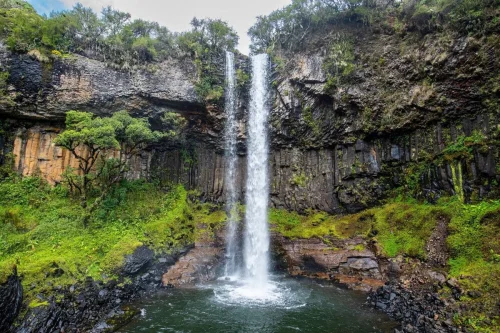 Waterfall
Chhoie Waterfall is a natural waterfall located near Jibhi in the Tirthan Valley region of Himachal Pradesh, accessible through a short forest trek.
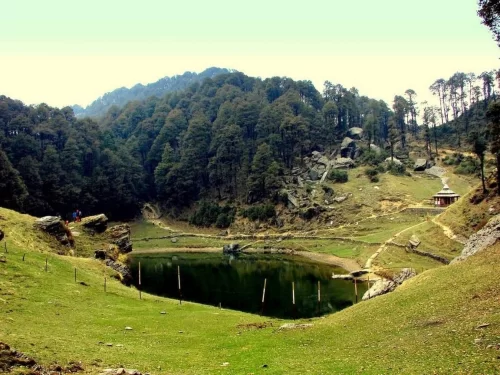 Mountain Pass
Jalori Pass, located in the mountains of Himachal Pradesh, is a breathtaking spot known for its scenic views and adventure opportunities.
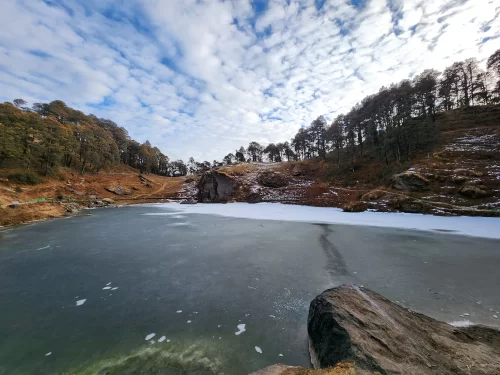 Lake
Lake
Serolsar Lake, nestled in the majestic mountains of Himachal Pradesh, is a serene and beautiful alpine lake, perfect for nature lovers and trekkers.
Get customized Himachal Pradesh tour planning designed around season, road conditions, hill travel pacing, and comfort preferences. Whether you are visiting for snow experiences, mountain landscapes, temple towns, adventure activities, or relaxed valley s
⚡ Quick Response | 💰 Free consultation | 🕒 24×7 expert support

