Quick Facts About Chhoie Waterfall
Chhoie Waterfall Jibhi Quick Facts
| Entry Fee | No entry fee |
| Timings | Accessible throughout the day; daylight hours are recommended for trekking and sightseeing. |
| Altitude (m) | Approximately 1,900 m above sea level |
| Ideal Visit Duration | 1–2 hours |
| Best Time of Day | Morning to early afternoon for comfortable trekking conditions and better visibility |
| Crowd Level | Low to moderate; higher during weekends and peak holiday seasons |
| Distance from City Centre (km) | Approximately 5 km from Jibhi village centre |
| Walking Difficulty | Moderate; involves a forest trek with uneven paths, stone steps, and gradual ascents |
| Parking Available | Limited parking available near the trek starting point |
| Last Mile Access | Requires a trek of approximately 1.5–2 km through forest trails from the nearest road access point |
| Suitable for Kids | Yes, for children comfortable with short mountain treks and under supervision |
| Suitable for Seniors | Suitable for physically active seniors capable of walking on uneven trails |
| Wheelchair Friendly | No; access is via forest trekking trails and natural terrain |
Why Visit Chhoie Waterfall Jibhi
Visitors come to Chhoie Waterfall for its scenic forest trail, cascading mountain stream, and the opportunity to experience one of Jibhi’s popular natural attractions.
The atmosphere is peaceful and refreshing, with dense pine forests, flowing water, and a quiet setting that appeals to nature lovers and hikers.
What makes Chhoie Waterfall distinct is the short trek through traditional Himalayan surroundings, the natural pool area near the falls, and its location within the tranquil landscapes of the Tirthan Valley region.
History of Chhoie Waterfall Jibhi
Chhoie Waterfall is a natural attraction located near the village of Jibhi in Himachal Pradesh's Tirthan Valley. Unlike historical monuments or religious sites, the waterfall is primarily known for its scenic setting amidst dense forests and mountain landscapes rather than for any documented historical events.
The waterfall has long been a part of the local natural environment and became increasingly popular with travelers as Jibhi emerged as a sought-after destination for nature tourism and outdoor experiences. Today, Chhoie Waterfall is appreciated for its tranquil surroundings and the forest trail that leads visitors through the picturesque Himalayan countryside.
Best Time to Visit Chhoie Waterfall Jibhi
Chhoie Waterfall is best visited from March to June and September to November when the weather is pleasant for trekking through forests, the waterfall remains scenic, and the surrounding landscapes of the Tirthan Valley are at their most enjoyable.
- Ideal months: March to June and September to November are the most favorable months for visiting Chhoie Waterfall, offering comfortable temperatures and excellent trekking conditions.
- Weather conditions during the best season: Spring and autumn bring mild weather, clear skies, and lush greenery along the forest trail leading to the waterfall. Water flow is generally strong after the monsoon, enhancing the waterfall's beauty.
- Periods to avoid: July and August can experience heavy monsoon rainfall, making trekking paths slippery and increasing the risk of trail disruptions. During winter, especially from late December to February, temperatures can be quite low and some sections of the trail may become more challenging.
How to Reach Chhoie Waterfall Jibhi
- Nearest Airport: Bhuntar Airport (Kullu–Manali Airport), located approximately 50 km from Chhoie Waterfall, is the nearest airport. Visitors can hire taxis from the airport to reach Jibhi and the waterfall trailhead.
- Nearest Railway Station: Joginder Nagar Railway Station, about 120 km away, is the nearest railway station. Chandigarh Railway Station is a popular alternative due to its wider rail connectivity.
- Road Access and Last-Mile Connectivity: Chhoie Waterfall is located near Jibhi in the Tirthan Valley region and is accessible by road via Aut and Banjar. Visitors can reach the designated trail starting point by private vehicle or taxi. The final stretch requires a short trek through forested paths and village trails to reach the waterfall. The trail may become slippery during the monsoon season, so appropriate footwear is recommended.
What to Expect When You Visit Chhoie Waterfall Jibhi
- Environment and Surroundings: Chhoie Waterfall is located amidst dense forests and mountain scenery near Jibhi in the Tirthan Valley region. Visitors can expect a natural setting with flowing water, wooden bridges, forest trails, and a peaceful atmosphere away from busy tourist hubs.
- Facilities and Amenities: Tourist facilities at the waterfall are limited. Basic refreshments may occasionally be available near the trail entrance, but visitors should carry drinking water and essentials, especially during longer walks.
- Accessibility and Movement: Reaching the waterfall requires a short trek through forest paths, stone steps, and uneven terrain. The route is generally manageable for most visitors but can become slippery during the monsoon season or after rainfall.
- Visitor Conditions: Most visitors come for nature walks, photography, and relaxation beside the waterfall. The site is generally less crowded than major hill-station attractions, although visitor numbers increase during weekends and peak travel seasons. Caution is advised around wet rocks and fast-flowing water.
Important Visitor Information for Chhoie Waterfall Jibhi
- Chhoie Waterfall is busiest during weekends, summer holidays, and the peak tourist seasons of spring and autumn when visitors explore Jibhi and the Tirthan Valley region.
- Early morning hours generally offer a quieter experience and better opportunities to enjoy the natural surroundings before larger groups arrive.
- The waterfall becomes particularly scenic during and after the monsoon season, though trails and rocks can become slippery due to increased moisture and water flow.
- No specific dress code applies, but comfortable clothing and sturdy footwear with good grip are recommended for the forest trek leading to the waterfall.
- Visitors should stay on designated trails, exercise caution near wet rocks and water edges, and avoid venturing too close to fast-moving water during the monsoon season.
Photography and Viewpoints at Chhoie Waterfall Jibhi
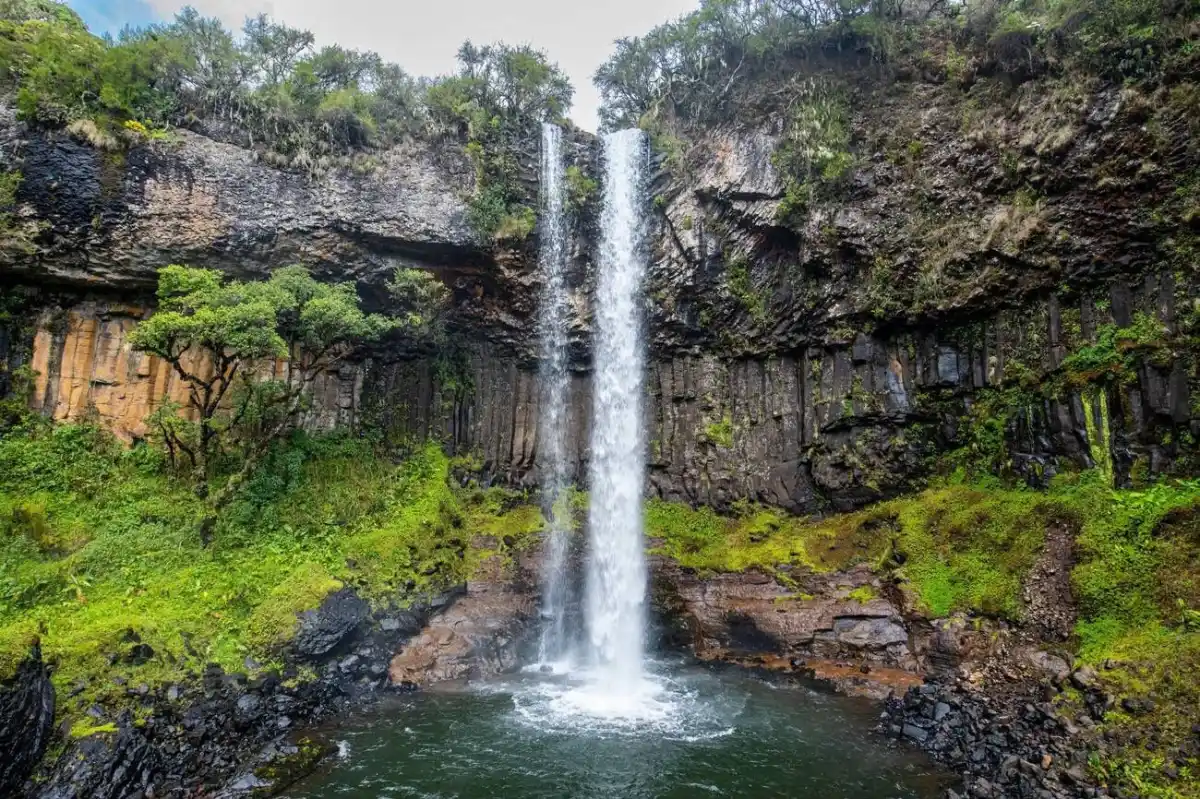
- The best photographs are captured from the viewing areas near the base of Chhoie Waterfall, where the cascading water, moss-covered rocks, and dense forest surroundings create a natural composition.
- Early morning offers soft lighting, fewer visitors, and a peaceful atmosphere, making it the preferred time for waterfall and landscape photography.
- The trekking trail from Jibhi to the waterfall provides several scenic viewpoints featuring wooden bridges, forest streams, and traditional Himalayan vegetation.
- Post-monsoon months offer particularly photogenic conditions, with stronger water flow and lush greenery throughout the surrounding forest.
- The shaded forest environment creates diffused lighting for most of the day, helping capture details of the waterfall without harsh sunlight.
- Photography is generally permitted throughout the public access areas, but visitors should exercise caution on slippery rocks and remain on designated trails.
- Weekends and peak holiday periods can increase visitor numbers around the main viewpoint, while weekday mornings usually provide more unobstructed photography opportunities.