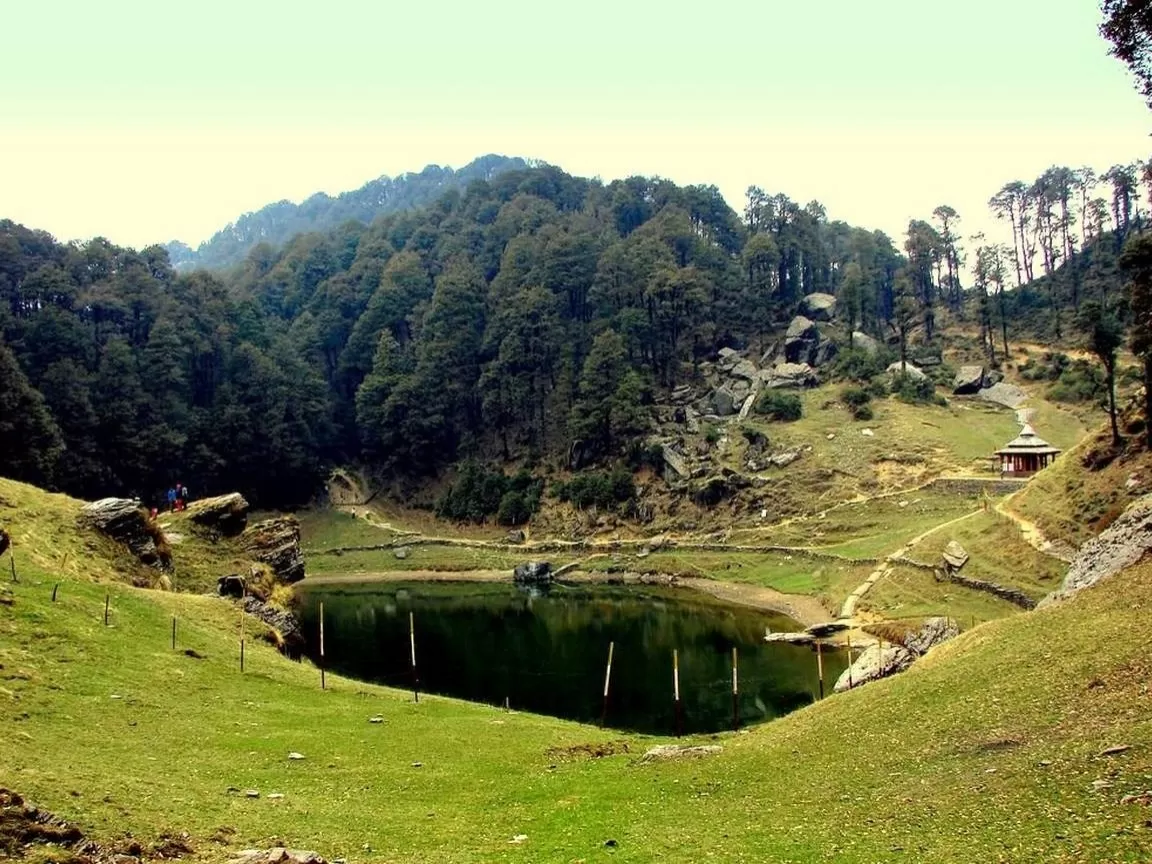
Jalori Pass: A Scenic Himalayan Pass in Himachal Pradesh

Jalori Pass , Jibhi
Jalori Pass, situated at an altitude of 3,150 meters, connects the Kullu Valley with the Seraj Valley. The pass is a popular stop for trekkers and nature lovers, offering stunning views of the snow-capped peaks, lush forests, and alpine meadows. Accessible by road, it also serves as the starting point for several trekking trails, including the one leading to Serolsar Lake. The area is known for its rich flora and fauna, making it a haven for wildlife enthusiasts. The pass is a perfect blend of natural beauty, adventure, and serenity.

Quick Facts About Jalori Pass

Entry Fee Free
Timings 00:00 - 23:59
Altitude (m) 3150
Ideal Visit Duration (hrs) 3
Best Time of Day Morning
Crowd Level Moderate
Distance from Kullu (km) 35
Walking Difficulty Moderate
Parking Available Yes
Last Mile Access Road
Suitable for Kids Yes
Suitable for Seniors Yes
Wheelchair Friendly No

Why Visit Jalori Pass

Atmosphere: Jalori Pass offers a refreshing and peaceful atmosphere surrounded by dense pine forests and breathtaking mountain views. The cool breeze, chirping birds, and picturesque landscape provide an ideal escape for nature lovers and adventure enthusiasts. The serene environment allows visitors to connect with nature and unwind in tranquility.

What Makes it Special: Jalori Pass is not just a mountain pass but a gateway to adventure. The views from the pass are simply mesmerizing, offering a panoramic vista of the snow-capped Himalayan peaks and verdant valleys. The area is also home to rich biodiversity, including a variety of bird species and flora. The pass is a popular starting point for treks, including the one leading to Serolsar Lake, which adds an adventurous touch for trekking enthusiasts. What truly sets Jalori Pass apart is its blend of natural beauty, peaceful atmosphere, and accessibility for all types of travelers, from casual visitors to serious trekkers.

History

Jalori Pass has a historical significance as an important trade and travel route in the Kullu Valley. It served as a connection between the Kullu and Seraj valleys, facilitating movement between different regions. Over the years, it has been used by travelers, traders, and locals to cross the Himalayan ranges. The pass has seen its share of historical events, including local legends and stories of ancient travelers who braved its challenging terrain.

In addition to its strategic importance, Jalori Pass is part of the rich cultural landscape of Himachal Pradesh. It connects visitors to nearby destinations like Serolsar Lake, which is revered in local folklore. While the pass itself does not hold significant cultural or religious importance, it provides access to several locations that are important to the people of the region.

Best Time to Visit

The best time to visit Jalori Pass is during the spring and autumn months, from March to May and September to November. During these months, the weather is pleasant, with clear skies and mild temperatures, making it ideal for trekking and sightseeing. The views from the pass are spectacular, and the trek is comfortable, allowing visitors to fully enjoy the natural beauty of the area.
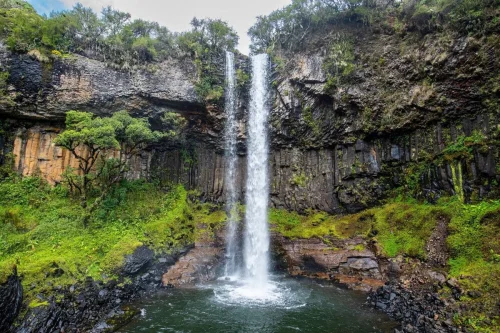
  • Spring (March to May): The weather is cool and comfortable, with temperatures ranging from 12°C to 20°C. The surrounding forests come to life with blooming flowers, creating a picturesque landscape that is perfect for trekking and photography.
  • Autumn (September to November): This is one of the best times to visit, as the weather is crisp and clear, with temperatures ranging from 10°C to 22°C. The landscape is lush and vibrant, making it perfect for outdoor activities and enjoying the natural beauty of the pass.
  • Summer (June to August): Summer temperatures range from 18°C to 30°C, but the region can experience occasional rainfall, making the trekking routes slippery. However, the cool altitude of Jalori Pass makes it an excellent escape from the heat of the plains.
  • Winter (December to February): While winters are cold, with temperatures dropping below freezing, the pass often experiences snowfall, turning the landscape into a winter wonderland. However, winter treks are only recommended for experienced hikers due to the cold and potential icy conditions.

How to Reach

  • By Air: The nearest airport to Jalori Pass is Bhuntar Airport, about 40 km away from Kullu. From the airport, you can hire a taxi or rent a private vehicle to reach the base of the pass.
  • By Train: The nearest major railway station is in Joginder Nagar, approximately 95 km from Jalori Pass. From there, you can hire a taxi or take a local bus to reach the pass. Another nearby station is in Kullu, which is around 35 km away.
  • By Road: Jalori Pass is well-connected by road. You can drive from Kullu (35 km) or take a bus from the Kullu bus station. The road is in good condition, but the last few kilometers are narrow and winding, so caution is needed while driving. It’s advisable to use a vehicle suitable for mountain roads, especially in winter.

What to Expect When You Visit

  • Scenic Views: Expect breathtaking panoramic views of the surrounding Himalayan peaks, lush green valleys, and dense forests. Jalori Pass offers some of the most stunning views in Himachal Pradesh, perfect for photography and nature enthusiasts.
  • Peaceful Atmosphere: The pass is relatively quiet, especially during weekdays, offering a peaceful retreat for visitors looking to escape the crowds. The serene environment is ideal for relaxation, meditation, or simply soaking in the natural beauty of the area.
  • Adventure Opportunities: Jalori Pass is a popular starting point for several treks, including the trek to Serolsar Lake. The surrounding areas offer opportunities for hiking, birdwatching, and exploring local flora and fauna.
  • Flora and Fauna: As you trek around the pass, you’ll encounter diverse flora, including oak and pine forests. The area is also rich in wildlife, with various bird species, butterflies, and small animals, making it a great spot for nature lovers and photographers.
  • Cultural Significance: While Jalori Pass itself is not culturally significant, it serves as a gateway to places like Serolsar Lake, which holds spiritual importance for the locals. You may come across pilgrims and local offerings around the lake.

Important Visitor Information

  • Crowd Levels: Jalori Pass is generally not crowded, especially during weekdays. However, weekends and peak seasons (spring and autumn) may see more visitors, particularly trekkers and nature enthusiasts. The area remains peaceful compared to more tourist-heavy spots in Himachal Pradesh.
  • Weather Notes: The weather at Jalori Pass can vary depending on the season. Summers (March to May) are mild, with temperatures ranging between 12°C to 20°C, making it perfect for trekking. Winters (December to February) can be freezing, with heavy snowfall, especially in January and February. The monsoon season (June to August) brings heavy rainfall, making the trails slippery and potentially hazardous.
  • Peak Hours: The best time to visit is early morning or late afternoon. Peak hours are generally between 11:00 AM and 3:00 PM, so visiting outside these times allows for a quieter, more enjoyable experience.
  • Quiet Hours: For a peaceful visit, the early morning hours or late afternoons, especially during weekdays, are ideal. During these times, you can enjoy the tranquil environment and the scenic beauty without the rush of tourists.
  • Dress Code: Comfortable trekking clothing and sturdy shoes are recommended, especially if you plan to explore the nearby trails. The weather can change rapidly at higher altitudes, so layers are essential. In winter, ensure you have warm clothing and gear suitable for snow and cold temperatures.
  • Safety Notes: While Jalori Pass is accessible by road, the last few kilometers to the pass can be narrow and winding, so drive carefully, especially during the winter months when the roads may be icy. If you’re trekking to nearby destinations like Serolsar Lake, ensure you carry enough water, snacks, and a first aid kit. Be cautious of slippery trails during the monsoon and winter seasons.

Photography and Viewpoint

  • Panoramic Views: Jalori Pass offers some of the most stunning panoramic views of the surrounding Himalayan peaks and lush green valleys. The sweeping vistas provide ample opportunities for breathtaking landscape photography. The view of snow-capped mountains, deep gorges, and dense forests is truly mesmerizing, especially during the early morning light or golden hour.
  • Best Time for Photography: Early mornings and late afternoons are the best times for photography at Jalori Pass. The soft light enhances the natural beauty of the landscape, creating magical conditions for photography. The skies are generally clear during these times, offering optimal visibility for capturing expansive shots.
  • Wildlife and Flora Photography: The surrounding area is rich in biodiversity, making it a great spot for wildlife and nature photography. Photographers can capture various bird species, including Himalayan monals, and the lush flora around the pass. The mix of pine, oak, and deodar trees creates a picturesque backdrop for nature shots.
  • Viewpoints Along the Trek: If you're trekking towards Serolsar Lake or other nearby destinations, expect several scenic viewpoints along the trail. These spots provide excellent opportunities for both landscape photography and capturing the beauty of the high-altitude environment.
  • Spiritual and Cultural Shots: If you're visiting nearby Serolsar Lake, you can capture the spiritual atmosphere with shots of local offerings and rituals. These cultural elements add a unique dimension to your photography, blending the region's natural beauty with its cultural significance.

Near By Attraction

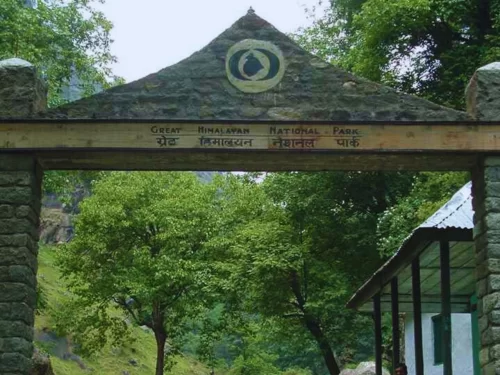
Entrance gate of Great Himalayan National Park featuring a stone arch with park signage, surrounded by lush green trees and forested hills in the Himalayas. Wildlife Sanctuary

Great Himalayan National Park

Great Himalayan National Park, located in Himachal Pradesh, is a UNESCO World Heritage site known for its rich biodiversity and stunning alpine landscapes.
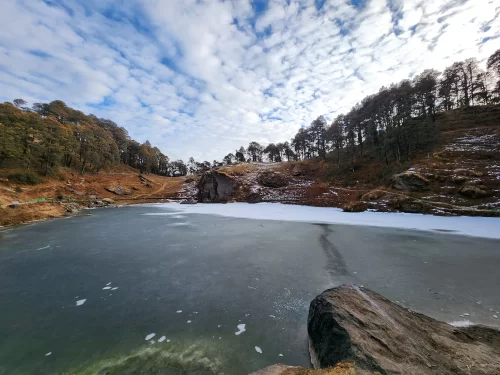
Frozen Serolsar Lake at Jibhi during winter partly cloudy, featuring icy surface, oak forests, rocky hills, perfect serene Himachal Pradesh tour package. Lake

Serolsar Lake

Serolsar Lake, nestled in the majestic mountains of Himachal Pradesh, is a serene and beautiful alpine lake, perfect for nature lovers and trekkers.

Stone structure of Raghupur Fort in Jibhi featuring a small historic watchtower-style building with slate roof, surrounded by grassy hilltop and ancient fort ruins under a clear blue sky. Fort

Raghupur Fort

Raghupur Fort, located amidst the scenic mountains of Himachal Pradesh, offers a glimpse into the region's rich history and heritage.

Frequently Asked Questions About Jalori Pass

The best time to visit Jalori Pass is between April and June and from September to November when the weather in Kullu district of Himachal Pradesh remains clear and pleasant. These months offer safer driving conditions and better mountain views.
Jalori Pass is located in Kullu district of Himachal Pradesh at an altitude of around 3120 meters. It connects the Kullu Valley with the Shimla side through Banjar.
Jalori Pass can be reached by road from Aut, which is approximately 70 kilometers away via Banjar. Visitors usually travel by private vehicle or taxi due to limited public transport options.
There is no entry fee to visit Jalori Pass. Travelers can stop at the pass freely while following local traffic and safety rules.
The road to Jalori Pass is narrow and steep with sharp turns, requiring careful driving. It is advisable for drivers to be experienced with mountain roads.
Around 30 to 60 minutes is sufficient to explore Jalori Pass and enjoy the surrounding scenery. Many visitors combine the stop with a short trek to Serolsar Lake.
Jalori Pass often closes during peak winter due to heavy snowfall in Himachal Pradesh. Travelers should check current road status before planning a winter visit.
Jalori Pass is suitable for families comfortable with high altitude travel and mountain driving. Visitors should supervise children near open slopes and roadside edges.
Photography and mobile videography are allowed at Jalori Pass. The panoramic views of snow covered peaks and dense forests make it a popular photo stop.
Visitors should carry warm clothing, drinking water, sun protection, and comfortable footwear while visiting Jalori Pass due to high altitude weather conditions. It is important to check vehicle condition before attempting the steep drive.

Loved this place ? Let’s Plan Your Himachal Pradesh Trip

Get customized Himachal Pradesh tour planning designed around season, road conditions, hill travel pacing, and comfort preferences. Whether you are visiting for snow experiences, mountain landscapes, temple towns, adventure activities, or relaxed valley s

⚑ Quick Response | πŸ’° Free consultation | πŸ•’ 24Γ—7 expert support

×

Plan Your Trip