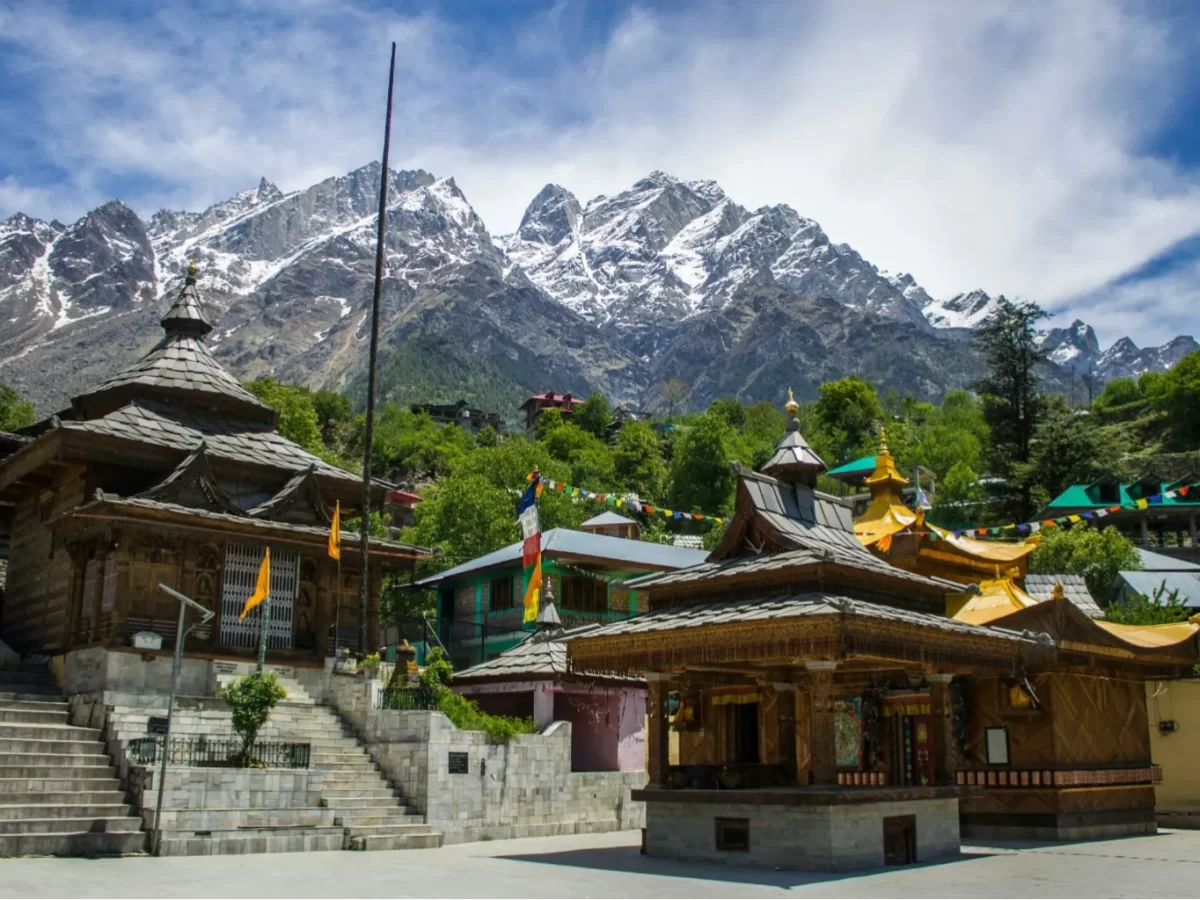
Shree Bering Nag Ji Temple – Ancient Serpent Deity Shrine of Kinnaur

Shree Bering Nag Ji Temple , Chitkul
Shree Bering Nag Ji Temple holds deep spiritual importance for the people of Kinnaur and surrounding regions. Believed to be centuries old, the temple reflects traditional Himalayan wooden architecture and serves as a central place of worship for the local community. The deity, Bering Nag, is regarded as a guardian spirit, and the temple plays a key role during local festivals and rituals, drawing both devotees and culturally curious travelers.

Quick Facts About Shree Bering Nag Ji Temple

Entry Fee Free
Timings 06:00 - 19:00
Altitude (m) 2450
Ideal Visit Duration (hrs) 1
Best Time of Day Morning
Crowd Level Moderate
Distance from Kalpa (km) 0.5
Walking Difficulty Easy
Parking Available No
Last Mile Access Walk
Suitable for Kids Yes
Suitable for Seniors Yes
Wheelchair Friendly No

Why Visit Shree Bering Nag Ji Temple

Why Visit: Shree Bering Nag Ji Temple is an important spiritual and cultural landmark in Kinnaur, visited for its deep-rooted local beliefs and traditional Himalayan temple architecture. Devotees come here to seek protection, blessings, and harmony, while travelers gain insight into the region’s indigenous faith practices.

Atmosphere: The atmosphere at the temple is calm, devotional, and deeply traditional. Surrounded by mountain scenery and village life, the temple offers a peaceful setting marked by prayer rituals, the sound of bells, and a strong sense of community reverence.

What Makes it Special: What makes Shree Bering Nag Ji Temple special is its dedication to Bering Nag, a revered serpent deity believed to be the protector of the region. The temple’s age-old customs, wooden architecture, and central role in local festivals make it a living symbol of Kinnaur’s spiritual heritage.

History

Shree Bering Nag Ji Temple is believed to be centuries old and is dedicated to Bering Nag, the traditional serpent deity revered as a guardian and protector of the Kinnaur region. According to local belief, the deity has safeguarded villages, crops, and livestock for generations, making the temple a central spiritual institution in the area.

The temple has long served as a focal point for community worship and seasonal rituals. Important local decisions, agricultural cycles, and festivals are traditionally associated with the blessings of Bering Nag, reflecting the deity’s deep-rooted presence in everyday village life.

Constructed in the traditional Himalayan style using wood and stone, the temple stands as a symbol of continuity between faith, nature, and local traditions. Its enduring relevance highlights the strong connection between indigenous beliefs and the cultural identity of Kinnaur.

Best Time to Visit Shree Bering Nag Ji Temple

The best time to visit Shree Bering Nag Ji Temple is during the warmer months when weather conditions are comfortable and the region is easily accessible. Being located in the high-altitude Kinnaur district, winters are cold and often marked by snowfall, which can restrict travel.

Late spring, summer, and early autumn provide pleasant temperatures and clear surroundings, allowing visitors to experience the temple’s spiritual atmosphere and architectural details without weather-related challenges.

  • Best Season: April to October
  • Summer (May to June): Mild weather and ideal conditions for temple visits
  • Monsoon (July to August): Occasional rainfall; travel with caution on mountain roads
  • Autumn (September to October): Clear skies, fewer crowds, and pleasant temperatures
  • Winter (November to March): Cold weather and possible snowfall; limited accessibility

How to Reach Shree Bering Nag Ji Temple

  • By Road: Shree Bering Nag Ji Temple is well connected by road and can be reached via NH-5 from Shimla through Rampur, Reckong Peo, and Kalpa. Regular buses and taxis operate up to Kalpa, from where the temple is located within a short walking distance.
  • By Rail: The nearest major railway station is Shimla Railway Station, connected to Kalka by the Kalka–Shimla narrow-gauge railway. From Shimla, visitors must continue the journey by road to reach Kalpa and the temple.
  • By Air: The closest airport is Shimla Airport (Jubbarhatti), approximately 245 km away. From the airport, taxis are available to reach Kalpa via Reckong Peo, depending on weather and road conditions.
  • Local Access: Once in Kalpa, the temple is easily accessible on foot through village paths. The approach is simple and does not require trekking, making it convenient for most visitors.
  • Travel Tips: Due to mountainous terrain and changing weather, travelers are advised to check road conditions in advance and plan journeys during daylight hours for safety.

What to Expect When You Visit Shree Bering Nag Ji Temple

  • Spiritual and Devotional Setting: Visitors can expect a calm and reverent atmosphere centered around traditional worship practices. Daily prayers, offerings, and local rituals reflect the deep faith associated with Bering Nag, the guardian deity of the region.
  • Traditional Temple Architecture: The temple showcases classic Himalayan wooden construction with stone elements, offering insight into indigenous architectural styles that have endured for generations in Kinnaur.
  • Local Cultural Presence: The temple is actively used by the local community, and visitors may witness villagers participating in prayers or preparations for festivals, providing an authentic cultural experience rather than a commercialized attraction.
  • Peaceful Mountain Surroundings: Set against a scenic Himalayan backdrop, the temple offers a quiet environment ideal for reflection, prayer, and understanding local spiritual traditions.
  • Simple Facilities: Facilities are basic, as the focus remains on worship rather than tourism. Visitors should plan accordingly and respect local customs and temple guidelines during their visit.

Important Visitor Information

  • Crowd & Weather Notes: Shree Bering Nag Ji Temple usually remains uncrowded on regular days, with increased footfall during local festivals and religious occasions. Weather in Kinnaur can change quickly; summers are pleasant while winters are cold with possible snowfall, which may affect access.
  • Peak / Quiet Hours: Peak visiting hours are typically during morning and evening prayer times. For a quieter and more reflective experience, mid-morning to early afternoon is ideal, especially on non-festival days.
  • Dress Code: Modest and respectful attire is strongly recommended. Visitors should wear clothing that covers shoulders and knees. Footwear must be removed before entering the temple premises.
  • Safety Notes: The temple area is generally safe, but visitors should be cautious on stone pathways and steps, particularly during rain or winter months. Seniors and children should move carefully, and visitors are advised to follow temple guidelines and local instructions at all times.

Photography and Viewpoint

  • Photography Guidelines: Photography around Shree Bering Nag Ji Temple should be done with sensitivity and respect for religious practices. While outdoor photography of the temple structure and surroundings is generally permitted, visitors should avoid photographing worship rituals or devotees without permission.
  • Architectural Details: The temple’s traditional wooden façade, carved elements, and stone base provide excellent opportunities for cultural and architectural photography. Natural light during mornings highlights intricate details without harsh shadows.
  • Natural Surroundings: Set against the Himalayan landscape of Kinnaur, the temple offers scenic backdrops featuring mountain slopes, village settings, and clear skies. These surroundings enhance wide-angle and contextual shots that capture the spiritual environment.
  • Best Time for Photography: Early morning and late afternoon are ideal for photography, offering softer light and a peaceful atmosphere. These times also ensure minimal disturbance to prayer activities.
  • Viewpoint Experience: While the temple is primarily a spiritual site, its elevated location provides gentle viewpoints of nearby villages and mountain scenery, allowing visit

Near By Attraction

Kamru Fort Sangla Kinnaur Himachal Pradesh during partly cloudy skies, featuring tall multi-storey wooden tower temple complex lush green mountains courtyard benches, perfect cultural experience Himachal tour package. Fort

Kamru Fort

Kamru Fort is a historic hilltop fort near Sangla, once the capital of the Bushahr Kingdom and a key landmark of Kinnaur’s royal heritage.
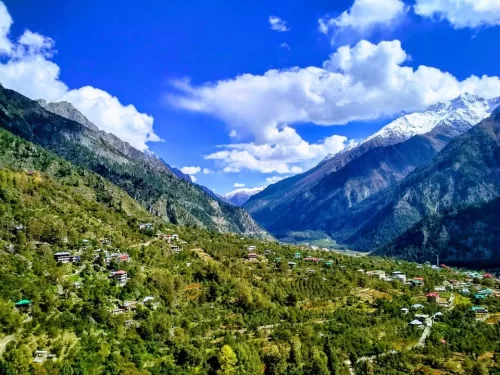
Panoramic view from Chitkul View Point showcasing lush green valley slopes dotted with houses, winding mountain roads, and snow-capped Himalayan peaks under a bright blue sky with scattered clouds. Viewpoint

Chitkul View Point

Chitkul View Point offers breathtaking panoramic views of the Baspa Valley, surrounding mountains, and the serene high-altitude landscape of Chitkul.
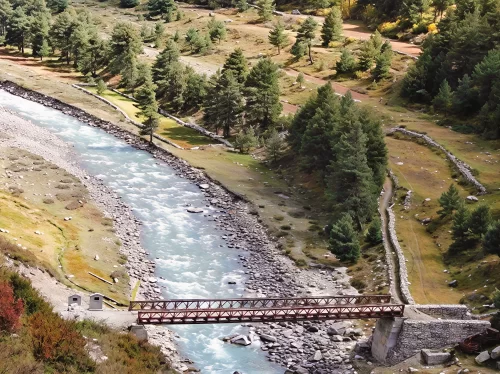
Chitkul Suspension Bridge Baspa River Chitkul Village Kinnaur Himachal Pradesh aerial view turquoise rapids pine forested meadows rocky banks red truss, perfect cultural experience Himachal tour package. Bridge

Chitkul Bridge

Chitkul Bridge is a scenic suspension bridge offering breathtaking views of the Baspa River and the Himalayan landscape near Chitkul village.

Frequently Asked Questions About Shree Bering Nag Ji Temple

The best time to visit Shree Bering Nag Ji Temple is between April and June and from September to October when the weather in Sangla Valley of Himachal Pradesh remains pleasant. These months allow comfortable travel and temple visits.
Shree Bering Nag Ji Temple is located in Sangla village in Kinnaur district of Himachal Pradesh. It is an important local temple dedicated to the deity Bering Nag.
Shree Bering Nag Ji Temple can be reached on foot from the main Sangla market area. Visitors traveling from nearby towns usually arrive by private vehicle or local taxi to Sangla village.
There is no entry fee to visit Shree Bering Nag Ji Temple. Devotees can enter the temple premises freely while following local customs.
Shree Bering Nag Ji Temple is generally open from morning until evening, with peak darshan hours during local prayer times. Timings may vary during special religious events.
Around 30 to 60 minutes is sufficient to explore Shree Bering Nag Ji Temple and spend time in prayer. Additional time may be needed during festival days.
Shree Bering Nag Ji Temple involves minimal walking within the village area, making it manageable for senior citizens. Visitors should move carefully on stone pathways.
Shree Bering Nag Ji Temple experiences higher footfall during local fairs and important religious festivals in Sangla. Visiting on regular weekdays usually offers a calmer experience.
Photography may be restricted inside the main shrine of Shree Bering Nag Ji Temple. Visitors should follow temple guidelines and seek permission before taking pictures.
Visitors to Shree Bering Nag Ji Temple should dress modestly, remove footwear before entering, and respect local traditions. Carrying light woolens is advisable due to changing weather conditions in Himachal Pradesh.

Loved this place ? Let’s Plan Your Himachal Pradesh Trip

Get customized Himachal Pradesh tour planning designed around season, road conditions, hill travel pacing, and comfort preferences. Whether you are visiting for snow experiences, mountain landscapes, temple towns, adventure activities, or relaxed valley s

⚡ Quick Response | 💰 Free consultation | 🕒 24×7 expert support

×

Plan Your Trip