Quick Facts About Chitkul View Point
| Entry Fee | Free |
| Timings | 00:00 - 23:59 |
| Altitude (m) | 3450 |
| Ideal Visit Duration (hrs) | 1 |
| Best Time of Day | Morning |
| Crowd Level | Moderate |
| Distance from Chitkul (km) | 1 |
| Walking Difficulty | Moderate |
| Parking Available | No |
| Last Mile Access | Walk |
| Suitable for Kids | Yes |
| Suitable for Seniors | Yes |
| Wheelchair Friendly | No |
Why Visit Chitkul View Point
Why Visit: Chitkul View Point is a must-visit for travelers seeking expansive Himalayan views and a peaceful natural setting. It offers a clear vantage point over the Baspa Valley, allowing visitors to appreciate the scale, beauty, and remoteness of the region without undertaking long treks.
Atmosphere: The atmosphere at Chitkul View Point is calm, refreshing, and immersive. Cool mountain air, vast open skies, and the gentle sounds of nature create a tranquil environment ideal for relaxation, photography, and quiet observation, especially during early mornings and late afternoons.
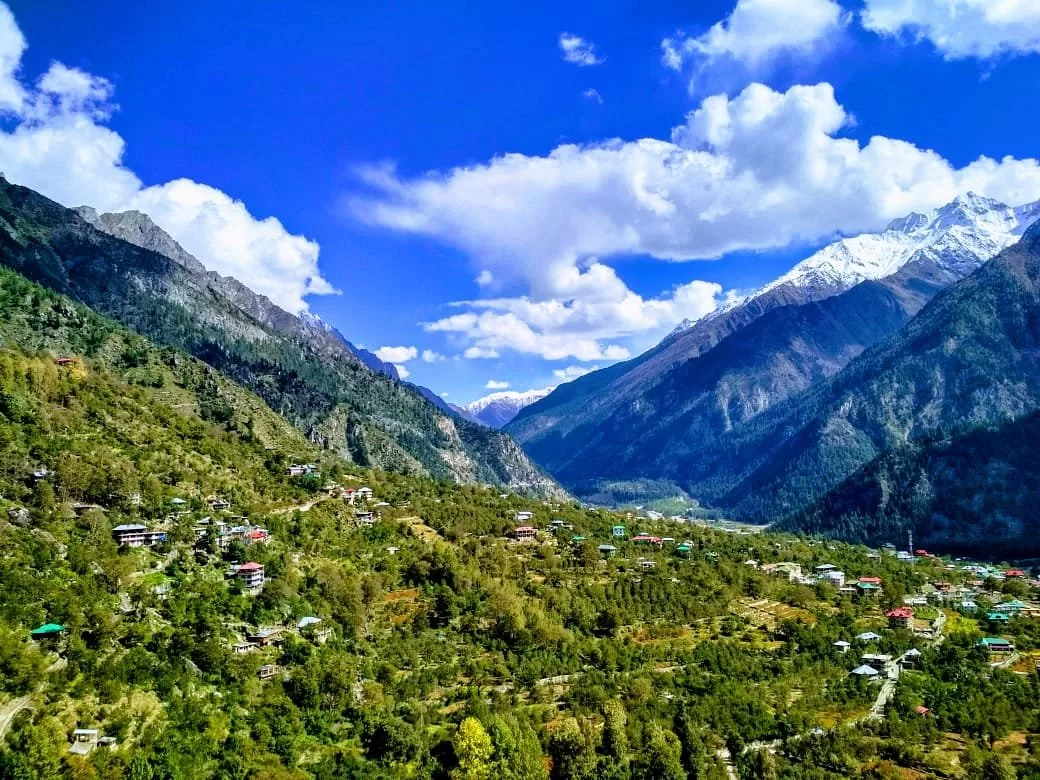
What Makes it Special: What makes Chitkul View Point special is its combination of high-altitude location and unobstructed panoramic visibility. From this spot, visitors can witness the pristine Baspa River valley, traditional village landscapes, and distant snow-clad peaks, making it one of the most rewarding viewpoints in the region.
<History
Chitkul View Point emerged organically as a recognized lookout rather than as a formally constructed attraction. As road access to Chitkul improved and tourism in the Baspa Valley gradually increased, this naturally elevated spot became a favored pause point for travelers to observe the surrounding Himalayan landscape.
The viewpoint has long been used by locals for orientation and observation of weather patterns, grazing areas, and movement across the valley. Its clear sightlines over the Baspa River and nearby settlements made it a practical vantage point in a remote, high-altitude environment.
In recent years, Chitkul View Point has gained wider attention among visitors exploring India’s last inhabited village near the Indo-Tibetan border. While it remains a simple, undeveloped location, it now holds significance as a visual landmark that represents the raw geography and isolation of the upper Baspa Valley.
Best Time to Visit Chitkul View Point
The best time to visit Chitkul View Point is during the months when weather conditions are stable and road access to Chitkul village is open. Due to its high-altitude location, the region experiences long winters with heavy snowfall, limiting accessibility for much of the year.
Late spring, summer, and early autumn provide clear skies, comfortable daytime temperatures, and excellent visibility across the Baspa Valley. These months allow visitors to fully appreciate the panoramic views and natural beauty offered by the viewpoint.
- Best Season: May to October, when roads to Chitkul are generally accessible
- Summer (May to June): Pleasant weather, green landscapes, and clear mountain views
- Monsoon (July to August): Enhanced greenery with occasional rainfall; visibility may vary
- Autumn (September to October): Crisp air, fewer visitors, and excellent long-distance views
- Winter (November to April): Heavy snowfall and road closures; not recommended for general visits
How to Reach Chitkul View Point
- By Road: Chitkul View Point is accessible via NH-5 from Shimla through Karcham. From Karcham, a well-connected mountain road leads to Sangla and onward to Chitkul village. The viewpoint is located close to the village and can be reached by a short walk from nearby access points.
- By Rail: The nearest major railway station is Shimla Railway Station, connected by the Kalka–Shimla narrow-gauge line. From Shimla, travelers must continue the journey by road through Kinnaur district to reach Chitkul.
- By Air: The closest airport is Shimla Airport (Jubbarhatti), approximately 230 km away. Taxis and buses from the airport provide connectivity to Sangla and Chitkul, subject to weather conditions.
- Local Access: Once in Chitkul village, Chitkul View Point is accessible on foot via a short uphill walk. The path is natural and uneven in places, so comfortable footwear is recommended.
- Travel Tips: Due to high altitude and changing weather, travelers should plan visits during daylight hours and check road conditions in advance, especially outside the peak tourist season.
What to Expect When You Visit Chitkul View Point
- Panoramic Himalayan Views: Visitors can expect wide, unobstructed views of the Baspa Valley, the winding river below, and surrounding snow-capped peaks. The viewpoint offers one of the clearest visual perspectives of Chitkul’s high-altitude landscape.
- High-Altitude Conditions: Located at a significant elevation, the area may feel cold and slightly breathless for some visitors. Slow movement, warm clothing, and adequate hydration help ensure a comfortable visit.
- Peaceful Natural Setting: Chitkul View Point is generally quiet and less crowded, allowing visitors to enjoy the stillness, fresh mountain air, and natural sounds without heavy tourist activity.
- Short Walk Access: Reaching the viewpoint involves a brief walk from nearby access points. The path is mostly manageable but uneven in places, making sturdy footwear advisable.
- Changing Weather: Weather conditions can shift quickly, with sudden clouds, wind, or temperature drops. Visitors should be prepared for rapid changes, even during warmer months.
- Limited On-Site Facilities: There are no commercial facilities directly at the viewpoint. Travelers should carry essentials such as water, sunscreen, and warm layers in advance.
Important Visitor Information
- Crowd & Weather Notes: Chitkul View Point generally experiences low to moderate visitor traffic, with slightly higher footfall during peak tourist months from May to June and September to October. Weather remains cool throughout the year, and sudden winds, cloud cover, or temperature drops are common due to the high-altitude Himalayan setting.
- Peak / Quiet Hours: Peak hours are typically between late morning and early afternoon when most travelers explore Chitkul village. For a quieter and more peaceful experience, early mornings and late afternoons are ideal, offering fewer visitors and better natural lighting.
- Dress Code: There is no formal dress code; however, warm layered clothing is essential even during summer months. Comfortable walking shoes with good grip are recommended due to uneven natural paths leading to the viewpoint.
- Safety Notes: Visitors should stay cautious near edges and slopes, especially during windy or wet conditions. Avoid standing too close to steep drops, supervise children closely, and be mindful of altitude-related discomfort such as fatigue or shortness of breath.
Photography and Viewpoint
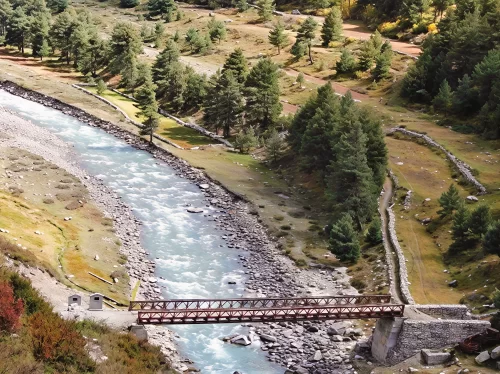
- Panoramic Viewpoint Experience: Chitkul View Point offers expansive, unobstructed views of the Baspa Valley, with the river winding through alpine meadows and rugged Himalayan terrain. Its elevated position makes it one of the most rewarding spots in Chitkul for observing the scale and natural beauty of the surrounding landscape.
- Photography Opportunities: The viewpoint is ideal for landscape and wide-angle photography, capturing snow-capped peaks, layered mountain ridges, and the contrasting colors of the valley. Clear weather days allow for sharp visibility, making it a favorite location for travel and nature photographers.
- Best Light Conditions: Early mornings provide soft, even lighting with minimal shadows, while late afternoons offer warm golden tones that enhance depth and texture in photographs. Midday light can be harsh due to high altitude and is less ideal for detailed shots.
- Seasonal Visual Appeal: From late spring to early autumn, the valley appears lush and vibrant, with flowing river views and green slopes. Post-monsoon months improve clarity and contrast, while winter access is limited due to snowfall and road closures.
- Photography Etiquette and Safety: Visitors should remain within safe viewing areas and avoid stepping onto unstable ground while photographing. Drone usage may be restricted in this border-adjacent region; always follow local regulations and respect the privacy of nearby village homes.