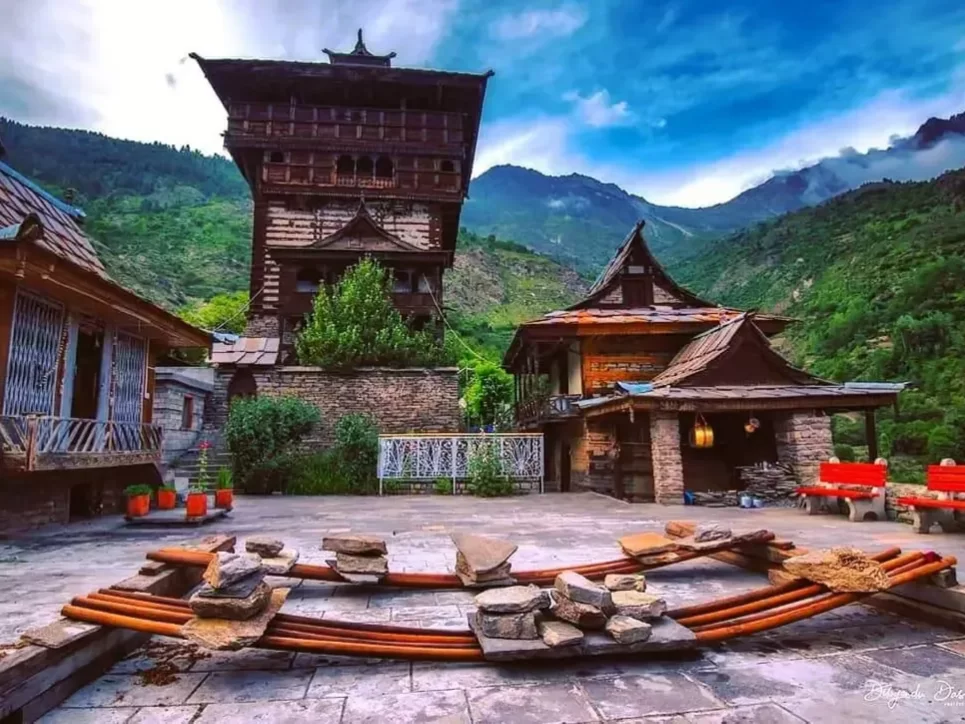
Kamru Fort – Historic Royal Fort of Sangla Valley

Kamru Fort , Chitkul
Kamru Fort stands as one of the most important historical monuments in the Sangla Valley, reflecting the political and cultural legacy of the Bushahr rulers. Built in a traditional Himalayan style using wood and stone, the fort complex includes temples, residential structures, and defensive walls. Its elevated position offers commanding views of the surrounding valley, making it significant both historically and visually.

Quick Facts About Kamru Fort

Entry Fee Free
Timings 09:00 - 17:00
Altitude (m) 2600
Ideal Visit Duration (hrs) 1
Best Time of Day Morning
Crowd Level Moderate
Distance from Sangla (km) 2
Walking Difficulty Moderate
Parking Available No
Last Mile Access Walk
Suitable for Kids Yes
Suitable for Seniors No
Wheelchair Friendly No

Why Visit Kamru Fort

Why Visit: Kamru Fort is a must-visit for travelers interested in history, heritage architecture, and the royal legacy of Himachal Pradesh. As the former capital of the Bushahr Kingdom, the fort offers valuable insight into the region’s political and cultural past.

Atmosphere: The atmosphere at Kamru Fort is quiet, historic, and reflective. Surrounded by traditional village homes and mountain scenery, the fort provides a peaceful environment where visitors can explore at a relaxed pace while enjoying panoramic valley views.

What Makes it Special: What makes Kamru Fort special is its unique Himalayan wooden architecture, strategic hilltop location, and its association with the Bushahr rulers. The presence of ancient temples within the fort complex further adds to its historical depth and cultural significance.

History

Kamru Fort dates back over a thousand years and once served as the capital of the powerful Bushahr Kingdom. Strategically positioned on a hill overlooking the Sangla Valley, the fort played a key role in administration, defense, and governance of the region.

The fort complex was designed using traditional Himalayan construction techniques, combining wood and stone to withstand the region’s harsh climate and seismic activity. Within its walls are ancient temples, including the Kamaksha Devi Temple, which continues to hold importance for local residents.

Over time, the political center of the Bushahr Kingdom shifted, but Kamru Fort retained its historical value as a symbol of royal authority and architectural heritage. Today, it stands as a well-preserved reminder of Kinnaur’s medieval past and the region’s long-standing strategic significance.

Best Time to Visit Kamru Fort

The best time to visit Kamru Fort is during the months when weather conditions in the Sangla Valley are pleasant and access roads are fully open. Situated at a high altitude, the area experiences cold winters, making travel challenging during snowfall.

Spring, summer, and early autumn offer clear skies, comfortable temperatures, and good visibility, allowing visitors to explore the fort’s architecture and enjoy panoramic views of the surrounding valley without weather-related disruptions.
  • Best Season: April to October
  • Spring (April to May): Mild weather and blooming surroundings enhance the fort’s setting
  • Summer (June to August): Pleasant daytime temperatures ideal for walking and exploration
  • Autumn (September to October): Clear views, fewer visitors, and crisp mountain air
  • Winter (November to March): Cold temperatures and possible snowfall; not ideal for visits

How to Reach Kamru Fort

  • By Road: Kamru Fort is easily accessible by road from Sangla town, located approximately 2 km away. Visitors can drive or take a local taxi up to Kamru village, followed by a short uphill walk to reach the fort.
  • From Shimla: Shimla is about 220 km from Kamru Fort. The route passes through Rampur, Jeori, and Sangla. The journey takes around 8–9 hours by car, depending on road and weather conditions.
  • Nearest Railway Station: The nearest broad-gauge railway station is Shimla. From there, visitors must continue the journey by road via taxi or bus.
  • Nearest Airport: The closest airport is Shimla Airport (Jubbarhatti), approximately 250 km away. Travelers can hire taxis or use public transport to reach Sangla and Kamru village.
  • Last Mile Access: From Kamru village, the fort is accessible only on foot via a stone-

What to Expect When You Visit Kamru Fort

  • Historic Fort Complex: Visitors can explore a well-preserved fortification featuring traditional wooden and stone structures that reflect the architectural style of the Bushahr Kingdom.
  • Panoramic Valley Views: The elevated location of Kamru Fort offers sweeping views of the Sangla Valley, surrounding villages, and distant Himalayan peaks.
  • Ancient Temple Presence: Within the fort complex lies the Kamaksha Devi Temple, where local devotees regularly perform rituals, adding a living cultural dimension to the site.
  • Quiet and Uncrowded Experience: The fort is not heavily commercialized, allowing visitors to explore peacefully without large crowds.
  • Short Uphill Walk: Reaching the fort involves a moderate uphill walk and steps, making comfortable footwear essential.
  • Traditional Village Setting: The surrounding Kamru village offers glimpses of local life, traditional homes, and a slower Himalayan pace.

Important Visitor Information

  • Crowd & Weather Notes: Kamru Fort generally experiences low to moderate crowds throughout the year. Weather can change quickly due to its high-altitude location, so visitors should be prepared for sudden drops in temperature, especially in the mornings and evenings.
  • Peak / Quiet Hours: Peak visiting hours are typically between 11:00 AM and 2:00 PM when day travelers arrive from Sangla. Early mornings and late afternoons are quieter and ideal for exploration and photography.
  • Dress Code: There is no strict dress code, but modest and respectful clothing is recommended, particularly when visiting the temple areas within the fort. Comfortable walking shoes are essential due to uneven paths and steps.
  • Safety Notes: The fort involves stone pathways, stairs, and elevated sections, so caution is advised while walking. Visitors should be mindful of weather conditions, avoid slippery areas during rain, and follow local guidance when exploring temple zones.

Photography and Viewpoint

  • Scenic Photography Opportunities: Kamru Fort offers excellent photography opportunities, especially for those interested in heritage structures and mountain landscapes. The fort’s wooden architecture, stone walls, and traditional rooftops create strong visual contrasts against the natural surroundings.
  • Best Angles and Light: Morning hours provide soft natural light that highlights architectural details and minimizes shadows. Late afternoon light enhances the textures of wood and stone while adding depth to valley views.
  • Panoramic Viewpoints: From within the fort complex, visitors can enjoy panoramic views of the Sangla Valley, nearby villages, and forested slopes. These viewpoints offer a peaceful setting to appreciate the region’s geography and natural beauty.
  • Seasonal Visual Appeal: During spring and summer, the surrounding greenery adds vibrancy to photographs, while autumn offers clearer skies and crisp visibility. Winter views, when accessible, showcase snow-covered landscapes but require caution.
  • Respectful Photography: Photography inside temple areas should be done respectfully. Visitors are advised to avoid capturing images of worship rituals or devotees without permission and follow local guidelines.

Near By Attraction

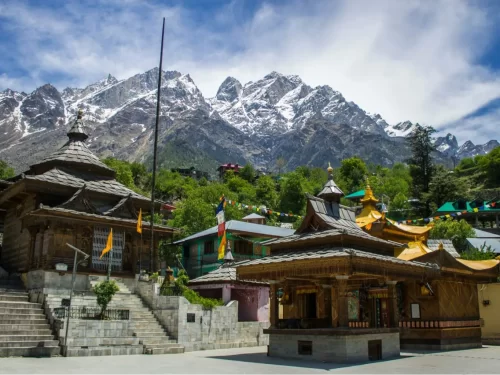
Shree Bering Nag Temple Chitkul Kinnaur, featuring wooden pagoda temples prayer flags steps colorful buildings backdrop snow peaks green valley, perfect Himachal Pradesh tour packages. Temple

Shree Bering Nag Ji Temple

Shree Bering Nag Ji Temple is a revered ancient temple in Kinnaur dedicated to Bering Nag, the local serpent deity worshipped for protection and prosperity.
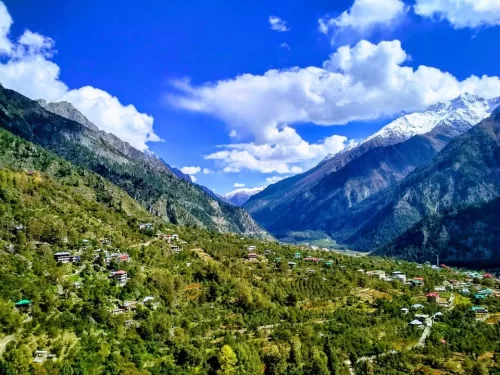
Panoramic view from Chitkul View Point showcasing lush green valley slopes dotted with houses, winding mountain roads, and snow-capped Himalayan peaks under a bright blue sky with scattered clouds. Viewpoint

Chitkul View Point

Chitkul View Point offers breathtaking panoramic views of the Baspa Valley, surrounding mountains, and the serene high-altitude landscape of Chitkul.
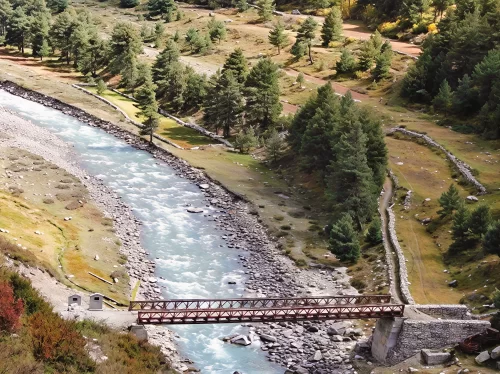
Chitkul Suspension Bridge Baspa River Chitkul Village Kinnaur Himachal Pradesh aerial view turquoise rapids pine forested meadows rocky banks red truss, perfect cultural experience Himachal tour package. Bridge

Chitkul Bridge

Chitkul Bridge is a scenic suspension bridge offering breathtaking views of the Baspa River and the Himalayan landscape near Chitkul village.

Frequently Asked Questions About Kamru Fort

The best time to visit Kamru Fort is between April and June and from September to October when the weather in Kinnaur district of Himachal Pradesh remains pleasant. These months offer clear views of the Baspa Valley and comfortable climbing conditions.
Kamru Fort is located in Kamru village near Sangla in Kinnaur district of Himachal Pradesh. It stands on a hilltop overlooking the scenic Sangla Valley.
Kamru Fort can be reached by road from Sangla, which is approximately 2 to 3 kilometers away. Visitors usually walk uphill through the village to access the fort entrance.
A small entry fee is generally charged to visit Kamru Fort, and visitors may be required to wear traditional caps provided at the entrance. Tickets are available on site.
Kamru Fort is usually open during daylight hours from morning until early evening. Visiting before sunset ensures safer descent through the village pathways.
Around one to one and a half hours is sufficient to explore Kamru Fort and its temple complex. Visitors often spend additional time enjoying panoramic valley views.
Kamru Fort involves climbing several steep steps, which may be challenging for elderly visitors. Taking slow breaks during the ascent can make the visit manageable.
Photography is generally allowed in the outer areas of Kamru Fort, but restrictions may apply inside temple sections. Visitors should follow local guidelines and ask permission if required.
Kamru Fort can be difficult to access during peak winter due to snowfall in Sangla Valley. Travelers should check road and weather conditions before planning a winter visit.
Visitors should carry warm clothing, drinking water, and wear comfortable footwear while visiting Kamru Fort due to uneven stone steps and high altitude weather conditions. Proper acclimatization is advisable in Kinnaur region.

Loved this place ? Let’s Plan Your Himachal Pradesh Trip

Get customized Himachal Pradesh tour planning designed around season, road conditions, hill travel pacing, and comfort preferences. Whether you are visiting for snow experiences, mountain landscapes, temple towns, adventure activities, or relaxed valley s

⚡ Quick Response | 💰 Free consultation | 🕒 24×7 expert support

×

Plan Your Trip