Serolsar Lake: A Hidden Gem in the Heart of Himachal Pradesh

Serolsar Lake , Jibhi
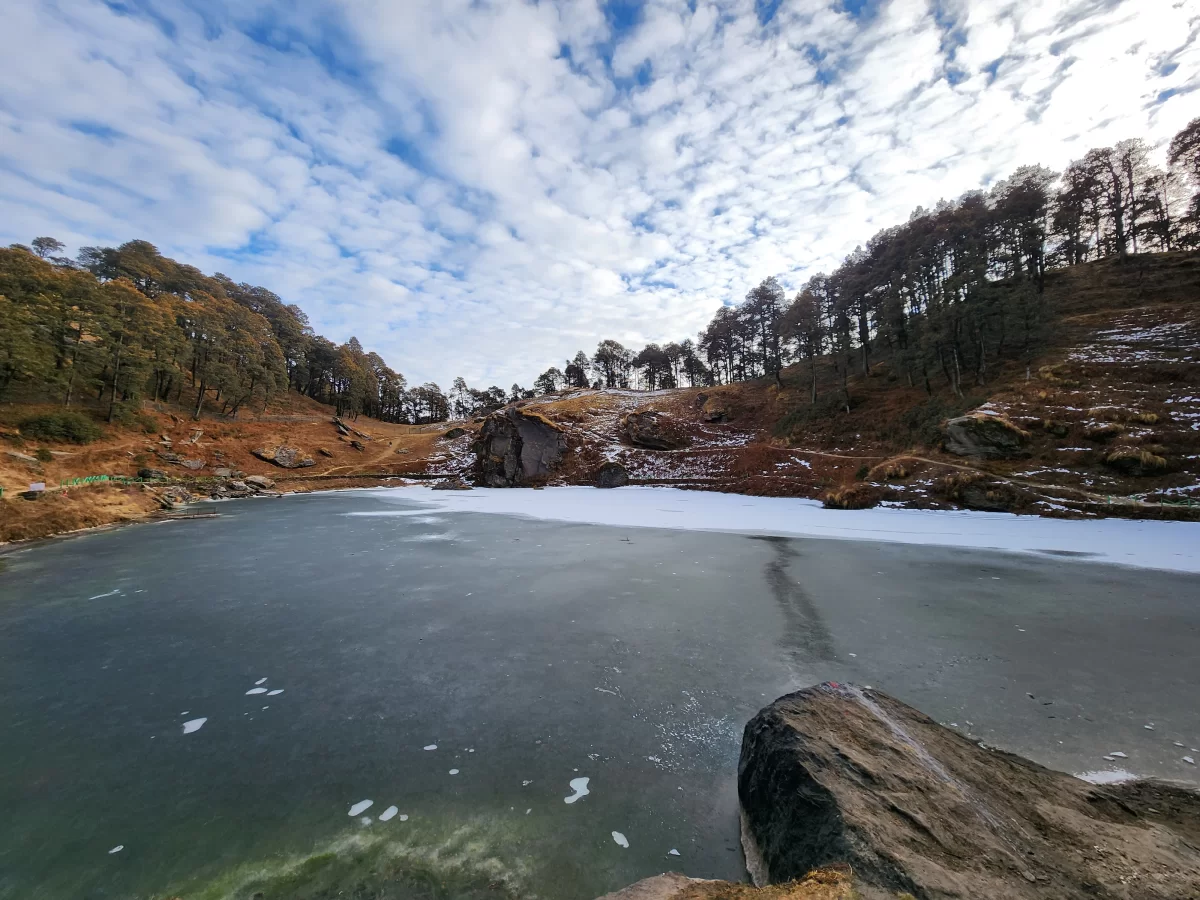
Serolsar Lake is located at an altitude of around 3,050 meters in the scenic Kullu Valley. Surrounded by dense oak forests, this pristine lake is known for its crystal-clear waters and tranquil environment. Accessible via a short yet scenic trek from Jalori Pass, Serolsar Lake is ideal for those seeking solitude, adventure, and an opportunity to connect with nature. The lake is also revered in local folklore, making it a spiritual as well as a natural destination for visitors.

Quick Facts About Serolsar Lake

Entry Fee Free
Timings 07:00 - 18:00
Altitude (m) 3050
Ideal Visit Duration (hrs) 5
Best Time of Day Morning
Crowd Level Moderate
Distance from Kullu (km) 80
Walking Difficulty Moderate
Parking Available Yes
Last Mile Access Trek
Suitable for Kids Yes
Suitable for Seniors No
Wheelchair Friendly No

Why Visit Serolsar Lake

Atmosphere: Serolsar Lake offers a peaceful and serene atmosphere, surrounded by dense oak and pine forests. The cool mountain breeze and the sound of rustling leaves make this spot an ideal place to relax and connect with nature. The tranquil environment and the crystal-clear waters of the lake enhance the overall peaceful experience.

What Makes it Special: Serolsar Lake is unique due to its remote and unspoiled location, nestled at an altitude of 3,050 meters. The lake is considered sacred by the locals and is surrounded by rich folklore, making it a spiritual retreat as well. The short yet scenic trek from Jalori Pass adds an adventurous touch to the visit. The lake’s pristine waters reflect the surrounding landscapes, making it a fantastic spot for photography. For nature lovers, trekkers, and spiritual seekers, Serolsar Lake offers an unforgettable experience, combining natural beauty, adventure, and serenity.

History

Serolsar Lake is considered sacred by the local people and holds a special place in the region's folklore. According to local beliefs, the lake is associated with various deities, and pilgrims often visit the site to pay homage. The surrounding forests are rich in biodiversity and are believed to have been untouched by human activity for centuries, adding to the lake’s mystical and pristine charm.

The lake and its surroundings are also connected to ancient traditions and stories that have been passed down through generations. The region is a part of Kullu's natural and spiritual landscape, making it an important site for those looking to explore the region’s rich natural heritage.

Best Time to Visit

The best time to visit Serolsar Lake is during the spring and autumn months, from March to May and September to November. During these months, the weather is pleasant, with mild temperatures and clear skies, making it perfect for the trek and outdoor exploration.
  • Spring (March to May): The weather is cool and comfortable, with temperatures ranging between 10°C to 20°C. This is a great time for trekking and photography, with the surrounding flora in full bloom.
  • Autumn (September to November): The post-monsoon months offer crisp, fresh air, and pleasant temperatures ranging from 12°C to 22°C. The landscapes are lush, and the skies are clear, providing optimal conditions for hiking and sightseeing.
  • Summer (June to August): Although the summer months can be warm, the trek to Serolsar Lake is still possible. However, be aware that the area receives heavy rainfall during the monsoon season, making the trail slippery and potentially hazardous.

How to Reach

  • By Air: The nearest airport to Serolsar Lake is Bhuntar Airport, around 60 km away from Kullu. From the airport, you can hire a taxi or rent a car to reach the base of the trek at Jalori Pass.
  • By Train: The nearest railway station is in Joginder Nagar, about 90 km away. You can take a train to Joginder Nagar and then proceed by taxi or bus to reach Jalori Pass, from where the trek to the lake begins.
  • By Road: Serolsar Lake is accessible by road from Kullu. You can drive up to Jalori Pass (about 80 km from Kullu) by taxi or private vehicle. From Jalori Pass, a 5-6 km trek leads to the lake. The trek is moderately difficult but offers spectacular views along the way.

What to Expect When You Visit

  • Scenic Trek: Expect a moderate trek of 5-6 km from Jalori Pass to reach the lake. The path is surrounded by dense oak and pine forests, offering stunning views of the surrounding mountains and valleys. The trek is a highlight for nature lovers and photography enthusiasts.
  • Pristine Waters: Once you reach Serolsar Lake, you’ll be greeted by its crystal-clear waters. The lake is surrounded by lush greenery and offers a serene atmosphere, making it an ideal spot to relax, meditate, or take photographs.
  • Peaceful Environment: The area around the lake is quiet and peaceful, providing a perfect escape from the hustle and bustle of city life. The lack of heavy crowds makes it a great spot for solitude and contemplation.
  • Rich Biodiversity: Serolsar Lake is located in a rich ecological zone, so you might encounter various species of birds and local wildlife. Bird watchers and nature enthusiasts will find plenty of opportunities to spot diverse wildlife during the trek.
  • Spiritual Significance: Serolsar Lake is considered sacred by the local community, and many pilgrims visit the lake for its spiritual value. You can expect to encounter local rituals and offerings around the lake’s perimeter, adding a cultural and spiritual element to your visit.

Important Visitor Information

  • Crowd Levels: Serolsar Lake is a relatively peaceful destination, especially during weekdays. Weekends tend to attract a moderate crowd, particularly during the peak trekking season (spring and autumn). However, the lake remains less crowded compared to other popular tourist spots in Himachal Pradesh.
  • Weather Notes: The weather can be unpredictable, especially at higher altitudes. In spring and autumn, temperatures are mild, ranging from 10°C to 20°C. Summer months can be warm but comfortable for trekking. Winters can be cold, with temperatures dropping below freezing, and snow may block the trail. Monsoon season (June to August) brings heavy rainfall, making the trek slippery.
  • Peak Hours: The best time to visit is in the early morning or late afternoon to avoid the midday heat and the occasional crowds. Peak hours are typically between 11:00 AM and 2:00 PM, so arriving early will offer a more peaceful experience.
  • Quiet Hours: For a more serene experience, visiting in the early mornings or later in the afternoon is recommended. These hours provide tranquility and are perfect for photography and relaxation.
  • Dress Code: Wear comfortable trekking clothes and sturdy shoes suitable for hiking. A light jacket or sweater is recommended for cooler temperatures, especially in the early morning or late evening. Don't forget to carry sunscreen, a hat, and sunglasses to protect yourself from the sun.
  • Safety Notes: The trek to Serolsar Lake is moderately challenging. Ensure you wear proper footwear as the trail can be rocky and uneven. Carry water, snacks, and a first aid kit. In winter, be cautious of icy conditions, and during the monsoon season, avoid the trek if heavy rains have made the trail slippery. Always stay on marked paths and avoid straying from the trail.

Photography and Viewpoint

  • Breathtaking Landscape Views: Serolsar Lake offers stunning panoramic views of the surrounding mountains, valleys, and dense forests. The crystal-clear waters of the lake reflect the surrounding scenery, creating perfect photo opportunities. Photographers can capture both wide-angle shots of the landscape and close-ups of the lake's serene surface.
  • Best Time for Photography: Early mornings and late afternoons provide the best light for photography. The soft, golden light during the "golden hour" enhances the colors of the landscape and creates beautiful contrasts, perfect for both landscape and nature photography.
  • Forest & Wildlife Photography: The trek to Serolsar Lake takes you through lush oak and pine forests, which are home to a variety of wildlife, including birds and small animals. Nature photographers can take advantage of these moments to capture local flora and fauna along the way.
  • Reflections in the Lake: One of the highlights of Serolsar Lake is its calm, clear water, which acts like a mirror reflecting the surrounding peaks and trees. The stillness of the water makes it a favorite spot for capturing reflection shots, especially on clear, sunny days.
  • Spiritual and Cultural Shots: Being a sacred lake for locals, you’ll find offerings and ritualistic items around the lake. These cultural elements add an extra layer of richness to your photography, capturing both the natural beauty and spiritual significance of the location.

Near By Attraction

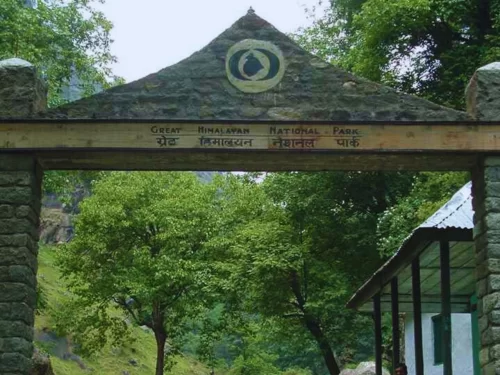
Entrance gate of Great Himalayan National Park featuring a stone arch with park signage, surrounded by lush green trees and forested hills in the Himalayas. Wildlife Sanctuary

Great Himalayan National Park

Great Himalayan National Park, located in Himachal Pradesh, is a UNESCO World Heritage site known for its rich biodiversity and stunning alpine landscapes.
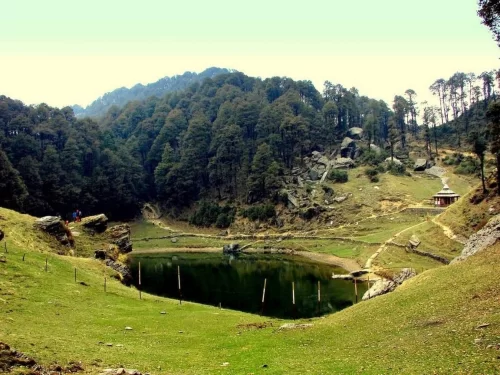
Scenic view of Jalori Pass featuring a serene mountain lake surrounded by grassy slopes, dense pine forests, rocky outcrops, and a small temple along a walking trail in the Himalayas. Mountain Pass

Jalori Pass

Jalori Pass, located in the mountains of Himachal Pradesh, is a breathtaking spot known for its scenic views and adventure opportunities.

Stone structure of Raghupur Fort in Jibhi featuring a small historic watchtower-style building with slate roof, surrounded by grassy hilltop and ancient fort ruins under a clear blue sky. Fort

Raghupur Fort

Raghupur Fort, located amidst the scenic mountains of Himachal Pradesh, offers a glimpse into the region's rich history and heritage.

Frequently Asked Questions About Serolsar Lake

The best time to visit Serolsar Lake is between April and June and from September to November when the weather in Kullu district of Himachal Pradesh remains clear and pleasant. These months offer comfortable trekking conditions and better mountain views.
Serolsar Lake is located near Jalori Pass in Kullu district of Himachal Pradesh at an altitude of around 3100 meters. It is surrounded by dense forests and alpine scenery.
Serolsar Lake can be reached by a trek of approximately 5 kilometers from Jalori Pass. Visitors usually travel by road to Jalori Pass and then walk along a well defined forest trail.
There is no separate entry fee to visit Serolsar Lake. Visitors can access the trekking trail freely while respecting forest guidelines.
Reaching Serolsar Lake requires a moderate trek of about 5 kilometers one way from Jalori Pass. The trail is gradual and manageable for most visitors with basic fitness.
Around 3 to 4 hours are usually required for the round trip trek and to spend some time at Serolsar Lake. Many visitors combine it with a day visit from nearby towns in Himachal Pradesh.
Serolsar Lake becomes difficult to access during peak winter due to heavy snowfall around Jalori Pass. Travelers should check road and weather conditions before planning a winter visit.
Serolsar Lake is suitable for families with older children who are comfortable with moderate trekking. Proper supervision and steady pace are important on the forest trail.
Photography and mobile videography are allowed at Serolsar Lake. The clear water and surrounding trees make it a popular spot for nature photography.
Visitors should carry sturdy trekking shoes, warm clothing, drinking water, snacks, and sun protection while visiting Serolsar Lake due to high altitude weather conditions. It is important to avoid littering and respect the natural environment.

Loved this place ? Let’s Plan Your Himachal Pradesh Trip

Get customized Himachal Pradesh tour planning designed around season, road conditions, hill travel pacing, and comfort preferences. Whether you are visiting for snow experiences, mountain landscapes, temple towns, adventure activities, or relaxed valley s

⚑ Quick Response | πŸ’° Free consultation | πŸ•’ 24Γ—7 expert support

×

Plan Your Trip