Himalayan Bird Park – A Serene Aviary in the Heart of Shimla

Himalayan Bird Park , Shimla
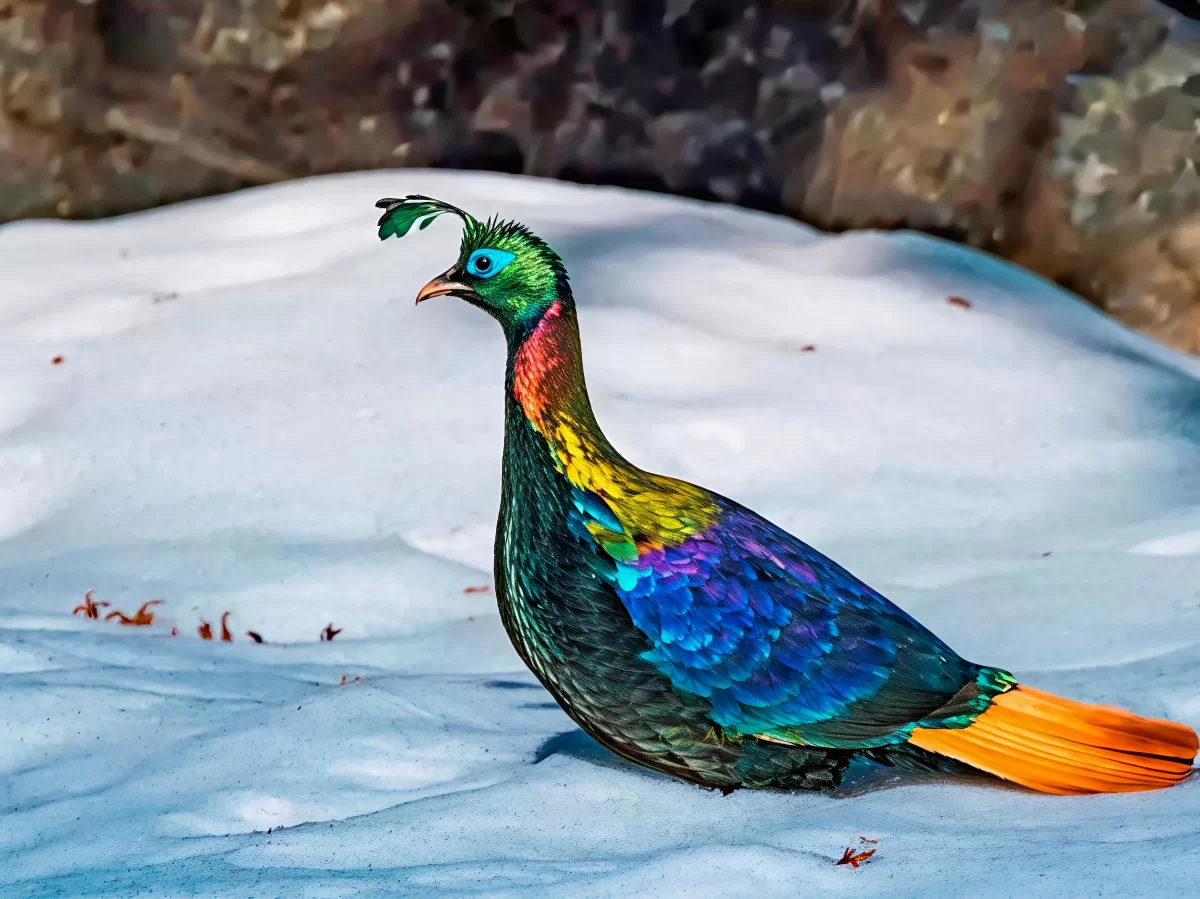
Himalayan Bird Park is a well-maintained aviary located near the Viceregal Lodge in Shimla, Himachal Pradesh. Set amid dense deodar forests, the park is home to a variety of Himalayan birds, including pheasants, monals, peacocks, and other high-altitude species. Designed to resemble the birds’ natural habitats, the park offers visitors a quiet, educational experience focused on wildlife awareness and conservation. It is an ideal spot for families, bird lovers, and nature enthusiasts looking for a calm escape within the city.

Quick Facts About Himalayan Bird Park

Entry Fee Paid
Timings 09:00 - 17:00
Altitude (m) 2200
Ideal Visit Duration (hrs) 2
Best Time of Day Morning
Crowd Level Moderate
Distance from Shimla Ridge (km) 3
Walking Difficulty Easy
Parking Available Yes
Last Mile Access Walk
Suitable for Kids Yes
Suitable for Seniors Yes
Wheelchair Friendly No

Why Visit Himalayan Bird Park

Why Visit:
Himalayan Bird Park is a must-visit for bird enthusiasts, photographers, and families who want to experience the rich avian diversity of the Himalayan region in a peaceful, natural setting. It offers an educational yet relaxing escape within Shimla, especially for those interested in wildlife and conservation.

Atmosphere:
The park has a tranquil, forest-like atmosphere surrounded by tall deodar and pine trees. Cool mountain air, shaded walking paths, and the constant sounds of birds create a refreshing environment that feels far removed from the busy city despite being centrally located.

What Makes It Special:
Himalayan Bird Park is unique for showcasing high-altitude and native Himalayan bird species such as the Himalayan Monal, pheasants, and peafowl in spacious, natural-style enclosures. Its emphasis on regional biodiversity and its scenic location near the Viceregal Lodge make it both an informative and visually rewarding

History of Himalayan Bird Park

Himalayan Bird Park was established with the aim of conserving and showcasing the native bird species of the Himalayan region. Developed and maintained by the Himachal Pradesh Forest Department, the park serves as a dedicated space for environmental education, wildlife awareness, and biodiversity preservation within Shimla.

Located near the historic Viceregal Lodge, the park was thoughtfully designed to blend into the surrounding deodar forest landscape. Instead of functioning as a conventional zoo, it was planned as a natural aviary where birds could live in enclosures that closely resemble their original habitats.

Over time, Himalayan Bird Park has grown into an important ecological attraction in Shimla, especially for students, researchers, and nature enthusiasts. Its continued focus on native species highlights the region’s commitment to protecting Himalayan wildlife while offering visitors an informative and responsible tourism experience.

Best Time to Visit Himalayan Bird Park

Himalayan Bird Park can be visited year-round, but certain seasons offer a more comfortable climate and better bird activity. Since the park is located at a high altitude and mostly outdoors, weather conditions greatly influence the overall experience.
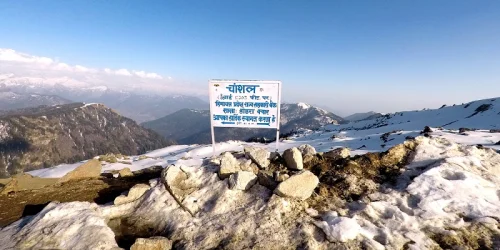
  • March to June: This is the best time to visit Himalayan Bird Park. Spring and early summer bring pleasant temperatures, blooming surroundings, and active bird behavior, making it ideal for sightseeing and photography.
  • July to September: The monsoon season keeps the park lush and green, but occasional rain and slippery paths may limit comfortable exploration.
  • October to November: Clear skies and cool air return, offering good visibility and a quieter atmosphere with fewer tourists.
  • December to February: Winter months can be very cold, and occasional snowfall may restrict access. Bird activity is lower, but the setting looks scenic when weather permits.
  • Best Time of Day: Late morning to early afternoon is ideal, as birds are more visible and temperatures are relatively comfortable.

How to Reach Himalayan Bird Park

  • By Air: Jubbarhatti Airport (Shimla Airport) is the nearest airport, located about 23 km from Himalayan Bird Park. From the airport, taxis are available to reach Shimla city and then proceed to the park.
  • By Rail: The nearest broad-gauge railway station is Kalka, approximately 96 km away. From Kalka, visitors can take a taxi or the scenic Kalka–Shimla toy train to reach Shimla, followed by a short drive to the park.
  • By Road: Shimla is well connected by road to major cities like Chandigarh and Delhi. Once in Shimla, Himalayan Bird Park can be reached easily by taxi or private vehicle via the Viceregal Lodge route.
  • From City Centre: The park is about 3 km from Mall Road. Vehicles are allowed up to nearby parking areas, followed by a short walk to the entrance.
  • Last-Mile Access: The final approach involves a short, gentle walk through forested surroundings, which adds to the overall experience.

What to Expect When You Visit Himalayan Bird Park

  • Diverse Himalayan Bird Species: Visitors can expect to see a variety of native Himalayan birds such as pheasants, peafowl, Himalayan monals, and other high-altitude species housed in natural-style enclosures.
  • Natural Forest Setting: The park is set within dense deodar and pine forests, offering shaded walking paths and a cool, refreshing mountain atmosphere.
  • Educational Experience: Informative signboards provide details about bird species, their habitats, and conservation importance, making the visit engaging for both adults and children.
  • Peaceful Exploration: The park is relatively quiet compared to major tourist attractions, allowing visitors to explore at a relaxed pace without heavy crowds.
  • Photography Opportunities: Natural lighting, colorful birds, and forest backdrops create excellent opportunities for bird and nature photography.
  • Basic Facilities: Expect minimal facilities; it is advisable to carry water and wear comfortable walking shoes due to uneven natural paths.

Important Visitor Information

  • Crowd & Weather Notes: Himalayan Bird Park generally experiences low to moderate crowds, with slightly higher footfall during peak tourist seasons (April–June). Weather remains cool and pleasant for most of the year, though winters can be cold and monsoons may bring rain-soaked paths.
  • Peak / Quiet Hours: Late mornings to early afternoons are the busiest, especially on weekends and holidays. Quieter hours are during early opening hours and on weekdays, offering a more peaceful birdwatching experience.
  • Dress Code: No formal dress code is required. Comfortable walking shoes are recommended due to natural paths, along with warm layers during winter and light jackets in cooler months.
  • Safety Notes: The park is safe for visitors, but paths may be uneven or slippery during the monsoon season. Visitors should follow posted guidelines, avoid feeding birds, and supervise children at all times.

Photography and Viewpoint at Himalayan Bird Park

  • Bird Photography Opportunities: Himalayan Bird Park is an excellent spot for bird photography, especially for capturing native Himalayan species like pheasants, Himalayan monals, and peafowl. Natural enclosures and forest backdrops help create realistic and visually appealing shots.
  • Best Lighting Conditions: Late morning to early afternoon provides the best natural light within the park, as sunlight filters through the deodar trees, improving visibility and color clarity for photography.
  • Forest and Nature Frames: Beyond birds, photographers can capture dense forest scenes, tall deodar trees, and shaded pathways, making the park ideal for nature and environmental photography.
  • Viewpoint Experience: While the park itself is not a designated viewpoint, its elevated forest setting offers occasional open views of surrounding greenery and hills, adding depth to photographs.
  • Photography Guidelines: Personal photography is allowed without restrictions. Visitors are advised to avoid flash photography near birds and maintain a respectful distance to prevent disturbing wildlife.

Near By Attraction

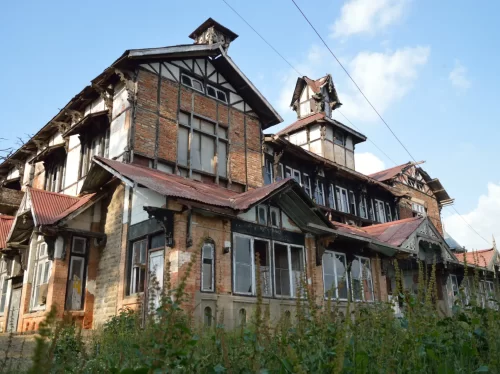
Bantony Castle in Shimla showcasing historic colonial-era architecture with brick walls, wooden beams, and sloped tin roofs surrounded by greenery. Historical Site

Bantony Castle

Bantony Castle is a historic colonial-era mansion in Shimla, known for its distinctive architecture and cultural significance.
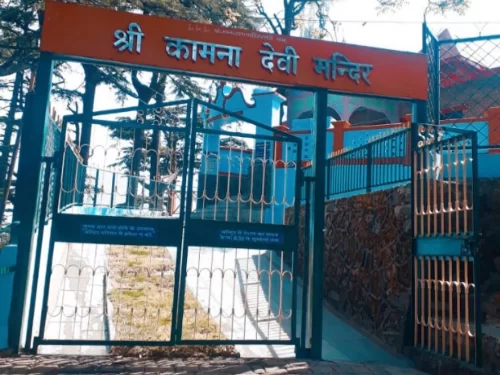
Kamna Devi Temple entrance gate in Shimla, Himachal Pradesh, featuring a turquoise-painted temple complex behind iron gates with a Hindi signboard, a popular spiritual site included in Himachal Pradesh tour packages. Temple

Kamna Devi Temple

Kamna Devi Temple is a serene Hindu temple in Shimla, known for its spiritual significance and panoramic views of the surrounding hills.

Gorton Castle in Shimla, Himachal Pradesh, a historic grey-stone colonial building with arched entrance, wooden balconies, and tall deodar trees, a heritage landmark featured in Himachal Pradesh tour packages. Archaeological Site

Gorton Castle

Gorton Castle is a historic colonial-era building in Shimla, known for its distinctive Gothic architecture and administrative significance.

Frequently Asked Questions About Himalayan Bird Park

The best time to visit Himalayan Bird Park, Shimla is from April to June when the weather is pleasant and birds are active. Clear days in Shimla Himachal Pradesh improve visibility inside the enclosures.
Himalayan Bird Park, Shimla is generally open during daytime hours and remains closed on certain weekly days. Visitors should confirm the current schedule locally in Shimla Himachal Pradesh before planning.
Himalayan Bird Park, Shimla charges a nominal entry fee for visitors. Ticket prices are affordable and may vary slightly for adults and children.
Himalayan Bird Park, Shimla is located near the Viceregal Lodge area and can be reached by taxi or private vehicle from Mall Road. The park is within short driving distance from central Shimla Himachal Pradesh.
Most visitors spend around 45 minutes to one hour at Himalayan Bird Park, Shimla. The compact layout allows comfortable exploration without long walking distances.
Himalayan Bird Park, Shimla is suitable for children due to its small size and easy pathways. Families visiting Shimla Himachal Pradesh often include it in a half day itinerary.
Photography is usually allowed at Himalayan Bird Park, Shimla for personal use. Flash photography may be discouraged to avoid disturbing the birds.
Parking is available near Himalayan Bird Park, Shimla though spaces can be limited during peak tourist seasons. Arriving earlier in the day helps avoid waiting.
Himalayan Bird Park, Shimla remains open in winter but colder temperatures in Shimla Himachal Pradesh may reduce bird activity. Visitors should carry warm clothing during colder months.
Himalayan Bird Park, Shimla can be combined with visits to the Viceregal Lodge and Himachal State Museum. These attractions are located close to each other in Shimla Himachal Pradesh.

Loved this place ? Let’s Plan Your Himachal Pradesh Trip

Get customized Himachal Pradesh tour planning designed around season, road conditions, hill travel pacing, and comfort preferences. Whether you are visiting for snow experiences, mountain landscapes, temple towns, adventure activities, or relaxed valley s

⚡ Quick Response | 💰 Free consultation | 🕒 24×7 expert support

×

Plan Your Trip