Quick Facts About Bantony Castle
| Entry Fee | Free |
| Timings | 10:00 - 17:00 |
| Altitude (m) | 2200 |
| Ideal Visit Duration (hrs) | 1 |
| Best Time of Day | Morning |
| Crowd Level | Moderate |
| Distance from Mall Road (km) | 1 |
| Walking Difficulty | Easy |
| Parking Available | Yes |
| Last Mile Access | Walk |
| Suitable for Kids | Yes |
| Suitable for Seniors | Yes |
| Wheelchair Friendly | No |
Why Visit Bantony Castle
Why Visit: Bantony Castle is an excellent place for travelers interested in Shimla’s colonial heritage and architectural history. Its central location makes it an easy addition to a Mall Road walk, offering a quieter, more reflective experience away from busy tourist hubs.
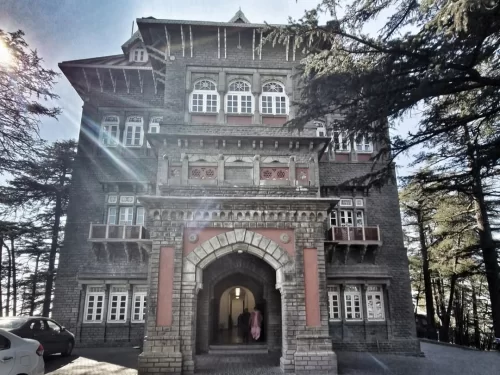
Atmosphere: The castle exudes a calm and dignified ambiance, with its stone structure, sloping roofs, and heritage interiors creating a nostalgic feel of British-era Shimla. The surroundings are relatively peaceful, allowing visitors to explore at a relaxed pace.
What Makes it Special: Bantony Castle stands out for its unique architectural design and its role as a cultural and historical landmark. The building often hosts exhibitions and displays that provide insight into Shimla’s past, making it both visually appealing and educational.
Background and Heritage of Bantony Castle
Bantony Castle was constructed in the late 19th century during the British colonial period in Shimla. It was originally built as a private residence by a British official, reflecting the architectural preferences and lifestyle of the era when Shimla served as the summer capital of British India.
Over the years, the building changed hands and was later used by local administration and princely-state representatives. Its strategic location near Mall Road made it suitable for official and residential purposes during different phases of Shimla’s development.
In recent times, Bantony Castle has been preserved as a heritage structure and adapted for public use, including exhibitions and cultural displays. Today, it stands as a well-maintained example of colonial architecture and urban heritage, offering visitors insight into Shimla’s administrative and residential past.
Best Time to Visit Bantony Castle
Bantony Castle can be visited throughout the year due to its central location and easy accessibility. However, the overall experience is best when weather conditions are pleasant and visibility is clear, allowing visitors to explore the heritage structure comfortably.
- Spring (March to June): Ideal season with mild temperatures and clear skies, perfect for sightseeing and photography.
- Monsoon (July to September): Fewer crowds and lush surroundings, but occasional rain may affect outdoor movement.
- Autumn (October to November): Pleasant weather with crisp air, making it a comfortable time to explore the building.
- Winter (December to February): Cold conditions with possible snowfall; visit during daytime for safety and better access.
How to Reach Bantony Castle
- By Foot: Bantony Castle is located close to Mall Road and can be easily reached by a short walk from the city centre, making it convenient for pedestrians.
- By Local Taxi: Taxis are readily available from anywhere in Shimla. Visitors can request a drop near Mall Road or Lift area, followed by a brief walk to the castle.
- By Private Vehicle: Private vehicles can reach nearby roads, though parking is limited. It is advisable to use public parking areas near Mall Road.
- From Shimla Railway Station: The castle is approximately 2 km from Shimla Railway Station and can be reached in about 10–15 minutes by taxi.
- From ISBT Shimla: Located around 3 km away, Bantony Castle is accessible via local taxi or city bus followed by a short walk.
What to Expect When You Visit Bantony Castle
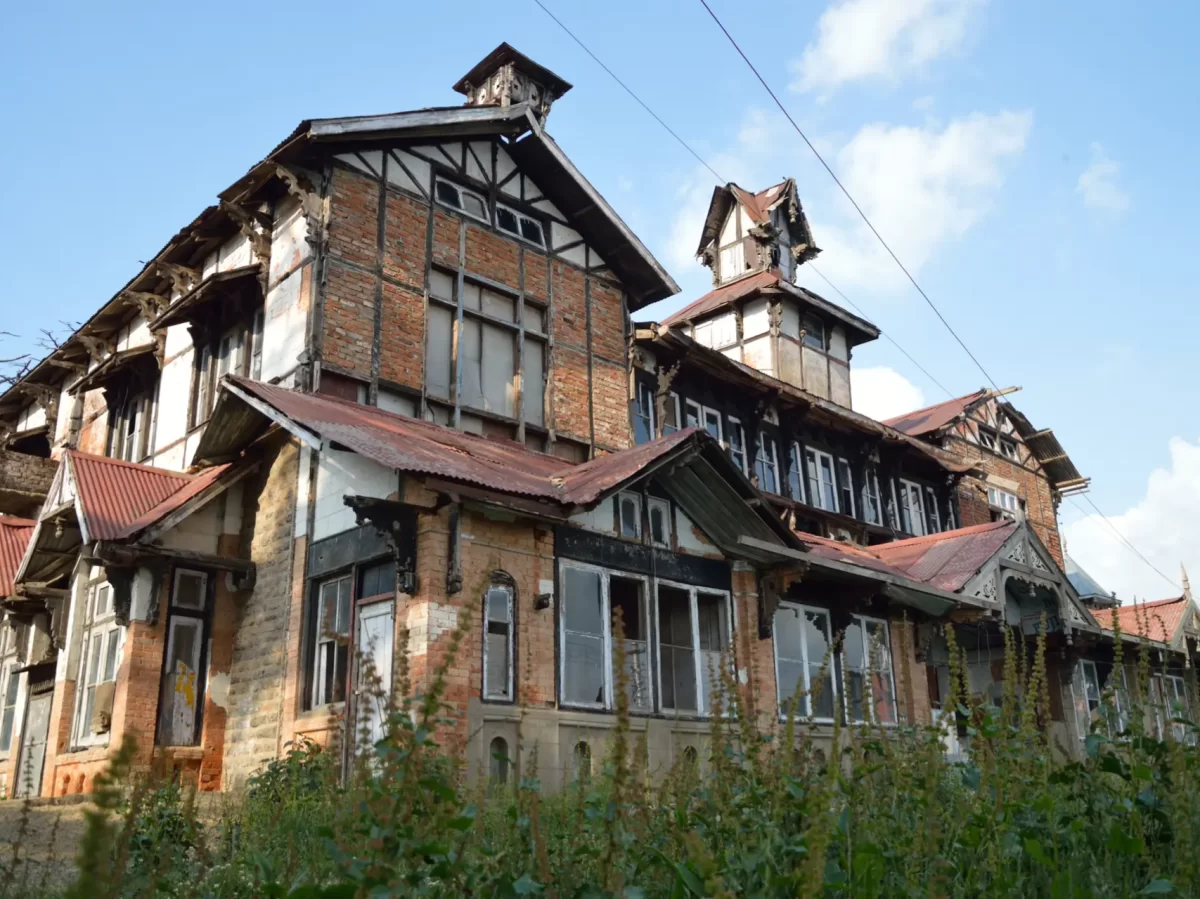
- Colonial Architecture: Visitors can admire the British-era architectural style, including sloping roofs, stone walls, and period design elements that reflect Shimla’s colonial past.
- Heritage Exhibits: The castle often hosts exhibitions and displays related to local history, administration, and culture, offering informative insights.
- Peaceful Ambience: Compared to nearby tourist areas, Bantony Castle offers a calmer environment, ideal for relaxed exploration.
- Photography Opportunities: The building’s exterior and interiors provide good opportunities for heritage and architectural photography.
- Short Visit Experience: The site is suitable for a brief yet enriching visit, making it easy to combine with other nearby attractions.
Important Visitor Information
- Crowd & Weather Notes: Bantony Castle generally experiences low to moderate crowds due to its heritage-focused appeal. Weather conditions in Shimla can change quickly, so carrying a light jacket is recommended even during warmer months.
- Peak / Quiet Hours: Peak visiting hours are between late morning and early afternoon, especially on weekends. Quiet hours are during early mornings and late afternoons on weekdays.
- Dress Code: There is no strict dress code, but comfortable clothing and walking shoes are advised as the area may involve short walks on uneven surfaces.
- Safety Notes: The premises are generally safe and well-maintained. Visitors should watch their step on stairs and avoid restricted areas, especially during rainy or winter conditions.
Photography and Viewpoint at Bantony Castle
- Architectural Photography: Bantony Castle is ideal for capturing colonial-era architecture, with its stone façade, sloping roofs, and period design elements providing strong visual appeal.
- Best Time for Photos: Late morning to early afternoon offers balanced natural light that highlights the building’s details without harsh shadows.
- Interior Visuals: When exhibitions are open, the interiors provide opportunities to photograph heritage displays and historical artifacts, subject to local guidelines.
- Surrounding Views: While not a dedicated viewpoint, the castle’s elevated surroundings offer partial views of nearby streets and hills, adding context to photographs.
- Photography Etiquette: Flash photography may be restricted indoors. Visitors should respect signage and avoid photographing restricted areas or other visitors without consent.