Quick Facts About Kamna Devi Temple
| Entry Fee | Free |
| Timings | 05:00 - 20:00 |
| Altitude (m) | 2100 |
| Ideal Visit Duration (hrs) | 1 |
| Best Time of Day | Morning |
| Crowd Level | Moderate |
| Distance from Mall Road Shimla (km) | 6 |
| Walking Difficulty | Moderate |
| Parking Available | Yes |
| Last Mile Access | Walk |
| Suitable for Kids | Yes |
| Suitable for Seniors | Yes |
| Wheelchair Friendly | No |
Why Visit Kamna Devi Temple
Why Visit:
Kamna Devi Temple is visited for its spiritual importance and peaceful setting. Devotees come here to seek blessings from Goddess Kamna Devi, believing that sincere prayers offered at the temple help fulfill wishes. It is also a rewarding stop for travelers looking to experience Shimla’s religious heritage.
Atmosphere:
The atmosphere at Kamna Devi Temple is calm, devotional, and serene. Surrounded by natural greenery and elevated above the town, the temple offers a quiet environment ideal for prayer, meditation, and moments of reflection away from crowded tourist areas.
What Makes It Special:
What makes Kamna Devi Temple special is its hilltop location on Prospect Hill, which provides sweeping views of Shimla and the surrounding valleys. The combination of spiritual significance, scenic beauty, and a less commercialized setting gives the temple a unique and deeply peaceful character.
History of Kamna Devi Temple
Kamna Devi Temple is an old and revered shrine in Shimla, dedicated to Goddess Kamna Devi, who is worshipped by devotees seeking the fulfillment of wishes. The temple has long been a part of the local religious landscape and holds special importance among residents of Shimla and nearby villages.
According to local belief, the temple has been a place of worship for generations, with devotees offering prayers and tying sacred threads as a symbol of their wishes. Over time, the temple structure has been maintained and modestly developed, while preserving its traditional spiritual character.
Situated on Prospect Hill, the temple’s elevated location adds to its spiritual appeal, symbolizing closeness to the divine. Today, Kamna Devi Temple continues to be an active place of worship, especially visited during Hindu festivals and auspicious days, reflecting its enduring religious significance rather than architectural grandeur.
Best Time to Visit Kamna Devi Temple
Kamna Devi Temple can be visited throughout the year, but certain seasons and times of day offer a more comfortable and spiritually fulfilling experience due to weather and crowd conditions.
- March to June: This is the most pleasant time to visit the temple. Mild temperatures and clear skies make the uphill approach comfortable and allow visitors to enjoy the surrounding views.
- July to September: The monsoon season brings lush greenery around the temple, but rainfall can make paths slippery. Visitors should take extra care during this period.
- October to November: Cool weather and clearer conditions return, offering a peaceful atmosphere with fewer visitors.
- December to February: Winter months can be cold, and occasional snowfall may affect access. However, devotees still visit during clear days.
- Best Time of Day: Early morning and early evening are ideal for prayer, offering a calm environment and pleasant weather.
How to Reach Kamna Devi Temple
- By Air: Shimla Airport (Jubbarhatti) is the nearest airport, located about 25 km from Kamna Devi Temple. From the airport, taxis are available to reach Shimla city and then proceed towards Prospect Hill.
- By Rail: Kalka Railway Station is the nearest major railhead, around 95 km away. From Kalka, visitors can take the Kalka–Shimla toy train or hire a taxi to Shimla, followed by a road journey to the temple area.
- By Road: Shimla is well connected by road to cities like Chandigarh and Delhi. From Shimla city, taxis and private vehicles can take visitors up to the base area near Prospect Hill.
- From City Centre: Kamna Devi Temple is approximately 6 km from Mall Road. The drive usually takes 20–25 minutes, depending on traffic and road conditions.
- Last-Mile Access: Vehicles can reach close to the temple, followed by a short uphill walk. The path is manageable but may require caution during monsoon or winter months.
What to Expect When You Visit Kamna Devi Temple
- Peaceful Spiritual Environment: Visitors can expect a calm and devotional atmosphere, ideal for prayer, meditation, and quiet reflection away from the busy parts of Shimla.
- Hilltop Location: The temple’s elevated setting offers refreshing air and scenic views of Shimla town and surrounding hills, enhancing the overall experience.
- Active Place of Worship: The temple is regularly visited by devotees, especially on auspicious days and festivals, providing an authentic religious experience.
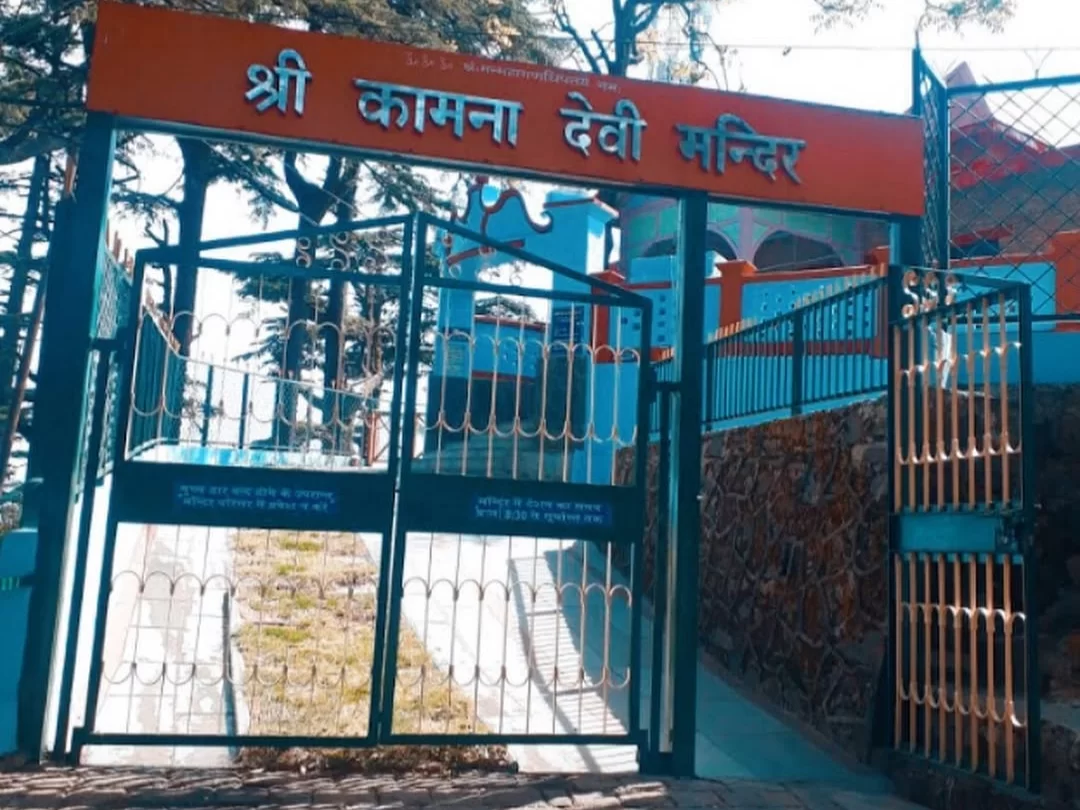
- Simple Temple Structure: The architecture is modest and traditional, focusing more on spiritual significance than elaborate design or ornamentation.
- Short and Meaningful Visit: The visit is usually brief but spiritually fulfilling, making it easy to include as part of a half-day Shimla itinerary.
Important Visitor Information
- Crowd & Weather Notes: Kamna Devi Temple usually remains peaceful with low to moderate crowds. Footfall increases during Hindu festivals and weekends. Weather is pleasant from spring to autumn, while winters can be cold and foggy.
- Peak / Quiet Hours: Peak hours are during early mornings and evenings when devotees visit for prayers. Quiet hours are late mornings and early afternoons on weekdays.
- Dress Code: Modest clothing is recommended out of respect for religious sentiments. Comfortable footwear is advised, as visitors may need to walk uphill.
- Safety Notes: The temple area is generally safe. Visitors should be cautious on steps and paths during monsoon or winter due to slippery conditions. Elderly visitors may require assistance while walking.
Photography and Viewpoint at Kamna Devi Temple
- Scenic Hilltop Photography: Kamna Devi Temple’s elevated position on Prospect Hill makes it a good spot for capturing wide views of Shimla town, surrounding hills, and forested slopes.
- Best Lighting for Photos: Early morning and late afternoon offer soft natural light, ideal for landscape and temple photography without harsh shadows.
- Spiritual Visuals: The simple temple structure, prayer flags, bells, and devotional offerings provide meaningful subjects for cultural and spiritual photography.
- Viewpoint Experience: Although not a formal viewpoint, the temple surroundings offer panoramic glimpses of valleys and distant ridgelines, especially on clear days.
- Photography Etiquette: Visitors should avoid photographing worshippers without permission and refrain from using flash inside the temple premises to maintain a respectful atmosphere.