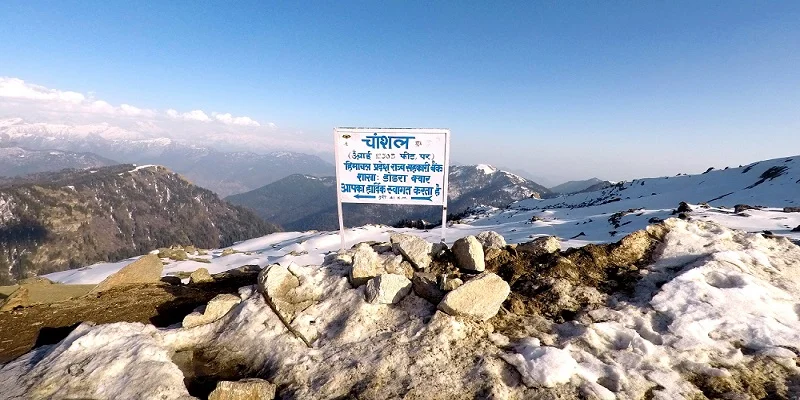
Chanshal Pass, Himachal Pradesh, India

Chanshal Pass , Shimla
Chanshal Pass attracts visitors for its alpine landscapes, panoramic mountain views, and one of the highest motorable roads in Himachal Pradesh. The route passes through forests, meadows, and sparsely populated Himalayan terrain, offering a remote mountain travel experience. Visitors typically come for road trips, photography, and seasonal mountain scenery rather than urban tourism facilities.

Quick Facts About Chanshal Pass

Chanshal Pass Quick Facts

Entry Fee No entry fee
Timings Open throughout the day during the road-access season (typically May–November); access depends on weather and road conditions.
Altitude (m) Approximately 3,750 m above sea level
Ideal Visit Duration 2–4 hours
Best Time of Day Morning to early afternoon for clearer mountain views and safer driving conditions
Crowd Level Low; significantly less crowded than most major Himachal mountain passes
Distance from City Centre (km) Approximately 160 km from Shimla
Walking Difficulty Easy to Moderate; uneven terrain and high altitude may require caution
Parking Available Limited roadside parking available near the pass
Last Mile Access Accessible by road from Rohru via Larot; final stretch is steep and can be rough in places
Suitable for Kids Yes, with supervision and consideration of high-altitude conditions
Suitable for Seniors Possible for healthy seniors; altitude and road conditions should be considered
Wheelchair Friendly No; uneven mountain terrain and lack of accessible infrastructure

Why Visit Chanshal Pass in Himachal Pradesh

Visitors come to Chanshal Pass for its high-altitude mountain scenery, open ridge views, and the remote drive above the Rohru region of Himachal Pradesh.

The on-ground atmosphere is quiet, windy, and rugged, with limited facilities and a strong sense of isolation compared with more developed hill stations.

Chanshal Pass is distinct for travelers because it offers raw Himalayan landscapes, seasonal snow conditions, and access to lesser-crowded routes near Dodra-Kwar.

History of Chanshal Pass

Chanshal Pass has historically served as an important mountain route connecting the remote Dodra-Kwar region with Rohru in Himachal Pradesh. For generations, local communities used the pass for travel, trade, and communication across the rugged Himalayan landscape.

The development of a motorable road over the pass significantly improved access to the isolated villages of Dodra and Kwar. Today, Chanshal Pass remains notable not only for its high-altitude scenery but also for its role in connecting some of Himachal Pradesh’s most remote settlements.

Best Time to Visit Chanshal Pass

Chanshal Pass is best visited during the summer and post-monsoon months when the high-altitude road is accessible, mountain views are clear, and travel conditions are generally favorable for sightseeing, photography, and road trips.
  • Ideal months: Late June to October is considered the best period to visit Chanshal Pass, with September and October offering particularly clear mountain views and stable weather.
  • Weather conditions during the best season: Daytime temperatures typically range between 12°C and 20°C. Roads are usually open, alpine meadows remain green, and visibility across the Pabbar Valley and surrounding Himalayan ranges is at its best.
  • Periods to avoid: July and August can experience heavy rainfall, fog, and occasional landslides on mountain roads. From November to May, heavy snowfall often closes the pass and restricts vehicle access, making travel unreliable.

How to Reach Chanshal Pass

  • Nearest Airport: Shimla Airport (Jubbarhatti), approximately 180 km from Chanshal Pass, is the nearest airport. Chandigarh Airport, with wider flight connectivity, is also commonly used by visitors traveling to the region.
  • Nearest Railway Station: Shimla Railway Station is the nearest railway station. From Shimla, travelers can continue by road through Theog, Kotkhai, Hatkoti, and Rohru to reach Chanshal Pass.
  • Road Access and Last-Mile Connectivity: Chanshal Pass is accessible by road via Rohru and Larot in Shimla district. The final stretch involves a high-altitude mountain road with steep gradients, sharp bends, and limited roadside facilities. The route is generally open from late spring to autumn and may remain closed during winter due to heavy snowfall and adverse weather conditions.

What to Expect When You Visit Chanshal Pass

  • Environment and Surroundings: Chanshal Pass is a high-altitude mountain pass surrounded by alpine meadows, rocky slopes, and panoramic Himalayan views. The landscape remains largely undeveloped, with long stretches of wilderness and limited habitation.
  • Facilities and Amenities: Visitor facilities at the pass itself are minimal. There are no major food outlets, fuel stations, or permanent tourist amenities at the summit, so essential supplies should be arranged before leaving nearby towns such as Rohru.
  • Accessibility and Movement: The approach road is steep, narrow, and mountainous, with rough sections that may become challenging after rain or during adverse weather. Travel times can be longer than expected due to road conditions and terrain.
  • Visitor Conditions: Most visitors stop briefly for sightseeing, photography, and enjoying the mountain views. Weather can change rapidly, with strong winds, fog, or low temperatures even during summer, which may affect visibility and comfort.

Important Visitor Information for Chanshal Pass

  • Chanshal Pass is typically accessible from late spring to early autumn; heavy snowfall frequently closes the pass during winter and can affect road conditions even in early summer.
  • Visitor numbers are generally highest during June to September, while early mornings and weekdays tend to be quieter than weekends and holiday periods.
  • Weather can change rapidly at the pass due to its high altitude, with strong winds, low temperatures, fog, and sudden cloud cover possible even during the tourist season.
  • No specific dress code applies, but warm layered clothing, a windproof jacket, and suitable footwear are important because of the exposed mountain environment.
  • The road to Chanshal Pass includes steep mountain sections and rough stretches; travellers should check the latest road status before departure and avoid driving during poor visibility or adverse weather conditions.

Photography and Viewpoints at Chanshal Pass

  • The summit area of Chanshal Pass offers the most expansive photography opportunities, with wide views of the surrounding Himalayan ridgelines, alpine meadows, and the remote Dodra-Kwar Valley. Clear-weather panoramas are best captured from the roadside viewpoints near the pass top.
  • Early morning provides the clearest visibility and softer mountain light, while late afternoon and sunset create dramatic shadows and warm tones across the valleys. Chanshal Pass is also known for striking sunset views when weather conditions permit.
  • September and October generally offer the best photography conditions due to clearer skies, distant mountain visibility, and golden alpine landscapes. Fog and cloud cover can frequently reduce visibility during the monsoon season.
  • Photographers often stop at the Larot–Chanshal stretch, where winding mountain roads, grazing meadows, cloud formations, and snow patches create strong landscape compositions throughout the route.
  • There is no dedicated photography platform at the pass, and visitors typically shoot from roadside viewpoints. Extreme caution is required near steep slopes, especially during windy conditions, snowfall, or when vehicles are passing on the narrow mountain road.
  • Drone operations may be subject to aviation and local regulations. Visitors should verify current restrictions before flying drones in the high-altitude Himalayan region.
  • During peak summer weekends, motorcycles, off-road vehicles, and tourist traffic can increase around the summit area, making early morning visits preferable for unobstructed landscape photography.

Near By Attraction

 Waterfall

Happy Waterfall

Happy Waterfall is a small natural waterfall located near Shimla in Himachal Pradesh, accessible through a short walking trail surrounded by forested hills.

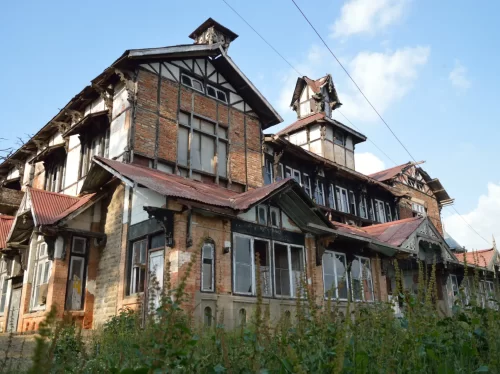
Bantony Castle in Shimla showcasing historic colonial-era architecture with brick walls, wooden beams, and sloped tin roofs surrounded by greenery. Historical Site

Bantony Castle

Bantony Castle is a historic colonial-era mansion in Shimla, known for its distinctive architecture and cultural significance.
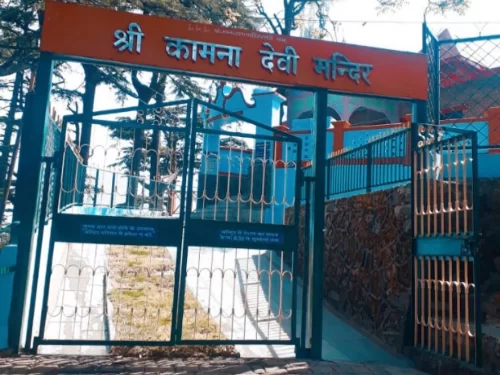
Kamna Devi Temple entrance gate in Shimla, Himachal Pradesh, featuring a turquoise-painted temple complex behind iron gates with a Hindi signboard, a popular spiritual site included in Himachal Pradesh tour packages. Temple

Kamna Devi Temple

Kamna Devi Temple is a serene Hindu temple in Shimla, known for its spiritual significance and panoramic views of the surrounding hills.
Frequently Asked Questions About Chanshal Pass

Loved this place ? Let’s Plan Your Himachal Pradesh Trip

Get customized Himachal Pradesh tour planning designed around season, road conditions, hill travel pacing, and comfort preferences. Whether you are visiting for snow experiences, mountain landscapes, temple towns, adventure activities, or relaxed valley s

⚡ Quick Response | 💰 Free consultation | 🕒 24×7 expert support

×

Plan Your Trip