Quick Facts About Himachal State Museum
| Entry Fee | Paid |
| Timings | 10:00 - 17:00 |
| Altitude (m) | 2200 |
| Ideal Visit Duration (hrs) | 2 |
| Best Time of Day | Morning |
| Crowd Level | Moderate |
| Distance from Mall Road Shimla (km) | 3 |
| Walking Difficulty | Easy |
| Parking Available | Yes |
| Last Mile Access | Road |
| Suitable for Kids | Yes |
| Suitable for Seniors | Yes |
| Wheelchair Friendly | No |
Why Visit Himachal State Museum, Shimla
Why Visit: Himachal State Museum is ideal for visitors who want to understand the cultural roots, artistic traditions, and historical evolution of Himachal Pradesh beyond its scenic beauty. It offers an informative and enriching experience in a calm setting.
Atmosphere: The museum has a quiet, thoughtful, and educational atmosphere. Surrounded by greenery at Inverarm Hill, it feels peaceful and removed from the bustle of central Shimla, making it suitable for relaxed exploration.
What Makes it Special: The museum’s carefully curated collection—ranging from Pahari miniature paintings and temple sculptures to traditional costumes and weapons—provides an authentic insight into Himachal’s diverse heritage. Its location within a colonial-era building further enhances its cultural significance.
History
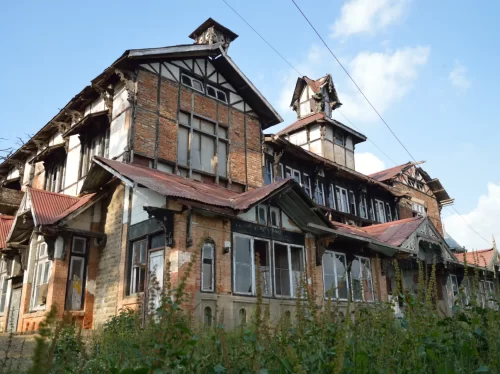
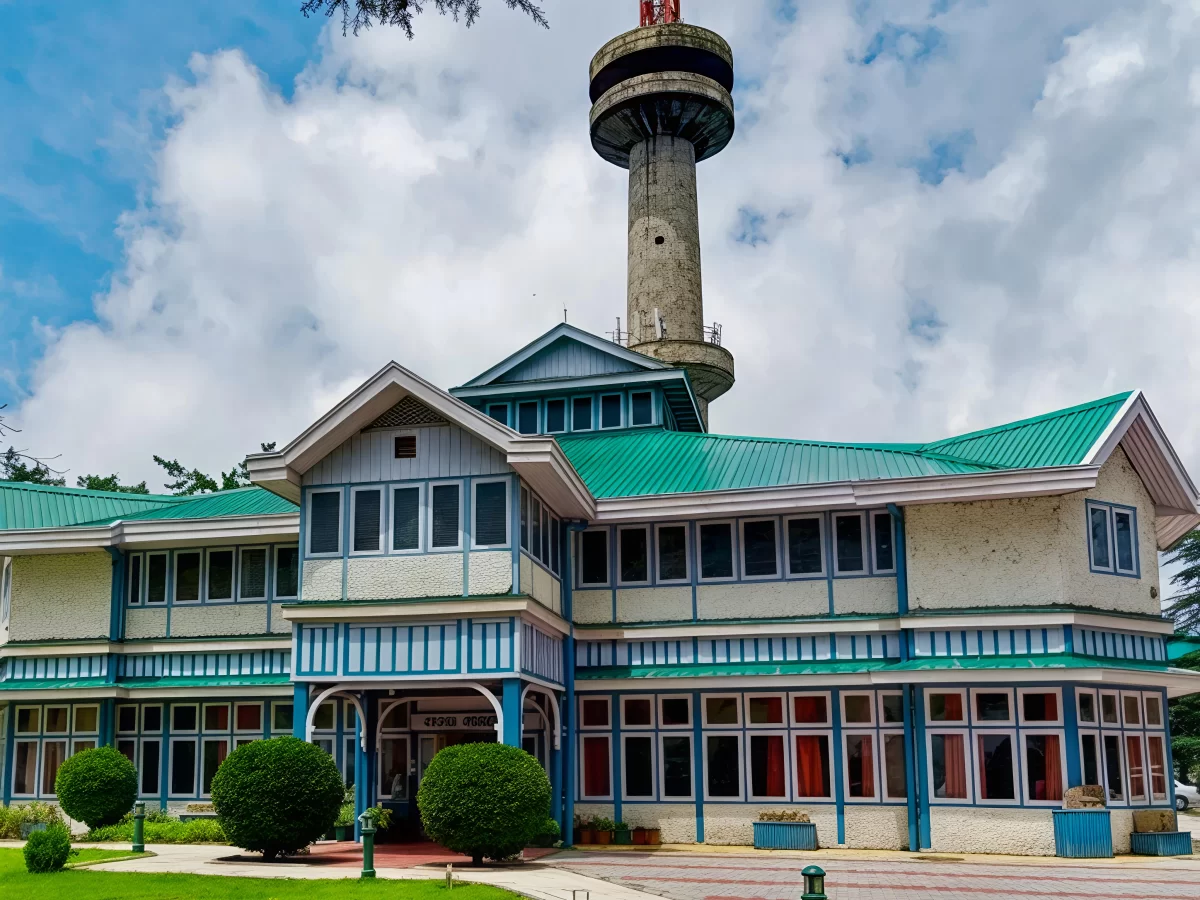
Himachal State Museum was established in 1974 by the Department of Language, Art, and Culture, Government of Himachal Pradesh. It is housed in a former British-era mansion known as Inverarm, which reflects colonial architectural style and historical town planning of Shimla.
The museum was created with the objective of preserving, documenting, and displaying the artistic and cultural heritage of Himachal Pradesh. Over the years, its collections have expanded to include artifacts sourced from various regions of the state.
Today, the museum serves as an important educational and research center, offering visitors an authentic understanding of Himachal’s traditional art forms, craftsmanship, and regional history through systematically curated exhibits.
Best Time to Visit Himachal State Museum, Shimla
Himachal State Museum can be visited throughout the year, as it is an indoor attraction unaffected by extreme weather. However, seasonal conditions and tourist flow in Shimla can influence overall comfort and accessibility.
- March to June (Spring & Summer): The best time to visit, with pleasant weather and comfortable temperatures, making it easy to reach the museum and explore nearby areas.
- July to September (Monsoon): The surroundings become lush and green, but occasional rain may make access roads slippery. Indoor exhibits remain enjoyable.
- October to November (Autumn): Clear skies, fewer tourists, and cool weather create an ideal environment for a relaxed museum visit.
- December to February (Winter): Cold temperatures and occasional snowfall add charm to the setting. Access may be limited during heavy snow, but the museum remains a good indoor option.
- Best Time of Day: Late morning to early afternoon is ideal, allowing sufficient time to explore exhibits without rushing.
How to Reach Himachal State Museum, Shimla
- By Taxi: Taxis are the most convenient way to reach the museum. Ask for Inverarm Hill; the museum is located about 3 km from Mall Road and is well-known to local drivers.
- By Local Bus: Local buses operate regularly from Shimla Old Bus Stand toward Chaura Maidan and nearby areas. From the closest bus stop, a short walk leads to the museum.
- On Foot: Visitors staying nearby can walk uphill from Chaura Maidan or nearby localities, though the route includes moderate inclines.
- From Shimla Railway Station: The museum is approximately 2 km from Shimla Railway Station. Taxis and autos are readily available, making the journey quick and comfortable.
- From Shimla Airport: Jubbarhatti Airport is about 23 km away. Taxis from the airport can reach Inverarm Hill directly via city roads.
What to Expect When You Visit Himachal State Museum, Shimla
- Well-Organized Exhibits: Expect clearly arranged galleries showcasing Pahari miniature paintings, traditional sculptures, coins, weapons, textiles, and folk art from different regions of Himachal Pradesh.
- Educational Experience: Informative display panels and labels help visitors understand the historical context, craftsmanship, and cultural significance of each exhibit.
- Peaceful Environment: The museum offers a calm and quiet atmosphere, ideal for slow exploration and learning without the crowds found in central Shimla attractions.
- Colonial-Era Setting: The museum building itself reflects British-period architecture, adding historical character to the visit.
- Family-Friendly Visit: Suitable for students, families, and senior visitors looking for an enriching cultural experience.
- Short Walking Distances: Most galleries are easily accessible, allowing comfortable movement without extensive walking.
- Photography Restrictions: Photography may be restricted inside certain galleries, so visitors should follow signage and staff instructions.
Important Visitor Information
- Crowd & Weather Notes: Expect higher crowds during weekends and public holidays. Weather can change quickly, so light rainwear or sun protection is recommended depending on the season.
- Peak / Quiet Hours: Peak hours are typically mid-morning to early afternoon. For a quieter experience, plan your visit early in the morning or later in the day.
- Dress Code: Comfortable clothing and walking shoes are advised. Modest attire may be required in certain areas, so carrying a light cover-up is a good idea.
- Safety Notes: Follow all posted guidelines, stay within designated areas, and keep personal belongings secure at all times.
Photography and Viewpoint
- Best Photography Spots: Designated viewpoints along the route offer clear, unobstructed angles ideal for landscape and architectural photography. Elevated platforms and marked photo zones are positioned to provide stable footing and optimal framing without disturbing other visitors.
- Lighting Conditions: Early morning and late afternoon (golden hour) deliver the most balanced natural light, enhancing colors, depth, and contrast. Midday light can be harsh, so photographers may benefit from using lens hoods or neutral density filters.
- Panoramic & Scenic Views: Wide-angle views allow visitors to capture sweeping panoramas, natural surroundings, and skyline perspectives. These viewpoints are especially popular for sunrise and sunset photography due to dramatic sky tones and changing light.
- Photography Guidelines: Handheld photography is generally permitted. Tripods, drones, or professional equipment may be restricted in certain areas for safety and conservation reasons. Always follow posted signage and staff instructions.
- Mobile Photography Tips: Smartphones perform well in daylight conditions. Using HDR mode can help balance highlights and shadows, while portrait or night modes are effective during low-light hours.
- Visitor Courtesy & Safety: Please be mindful of other guests when stopping to take photos. Do not cross safety barriers or stand in restricted zones while photographing viewpoints.