Quick Facts About Baspa River Front
| Entry Fee | Free |
| Timings | 07:00 - 18:00 |
| Altitude (m) | 2500 |
| Ideal Visit Duration (hrs) | 3 |
| Best Time of Day | Morning |
| Crowd Level | Moderate |
| Distance from Sangla (km) | 20 |
| Walking Difficulty | Moderate |
| Parking Available | Yes |
| Last Mile Access | Road |
| Suitable for Kids | Yes |
| Suitable for Seniors | Yes |
| Wheelchair Friendly | No |
Why Visit Baspa River Front
Atmosphere: Baspa River Front offers a tranquil and serene atmosphere, far removed from the hustle of busy tourist spots. The sound of the flowing river, the crisp mountain air, and the stunning natural surroundings make this a perfect spot for relaxation, meditation, and photography. Whether you're sitting by the river, enjoying a quiet moment, or exploring the surrounding nature, the peaceful environment makes it an ideal retreat for nature lovers.
What Makes it Special: The Baspa River Front is a lesser-known gem in Himachal Pradesh, offering an undisturbed and pristine environment. The crystal-clear waters of the Baspa River, coupled with the dramatic backdrop of snow-capped peaks and lush greenery, create a breathtakingly beautiful landscape. The area is perfect for nature walks, camping, and capturing stunning photos of the river and surrounding valleys. With its untouched beauty and low crowds, the Baspa River Front offers a perfect combination of adventure, tranquility, and natural beauty. The scenic views make it an excellent spot for photographers and those seeking to experience a quieter, more peaceful side of Himachal Pradesh.
History
The Baspa River Front doesn't have a deep historical narrative tied to it, but its location in the Spiti Valley adds to its cultural and environmental significance. The river itself plays an important role in the surrounding ecosystems, providing a vital water source for agriculture and local communities.
While not known for specific historical events or religious significance, the Baspa River Front is part of the larger natural heritage of Himachal Pradesh. It is a symbol of the region's pristine, untouched landscapes, which have been preserved for generations. The area is also notable for its role in eco-tourism, attracting those who wish to experience the tranquil and unspoiled nature of the Spiti Valley.
Best Time to Visit
The best time to visit the Baspa River Front is during the spring and autumn months when the weather is pleasant, and the surroundings are at their most beautiful. Here’s a breakdown of what you can expect in each season:
- Spring (March to June): This is the ideal time for a visit, with mild temperatures ranging from 10°C to 20°C. The area is lush and green, and the riverfront is perfect for nature walks, photography, and camping. The flowers begin to bloom, and the weather is perfect for outdoor activities.
- Autumn (September to November): Another great time to visit, with crisp air and clear skies. The temperatures range from 12°C to 18°C, making it comfortable for trekking and exploring the riverfront. The fall foliage adds vibrant colors to the landscape, making it perfect for photography.
- Summer (July to August): Although the summer months bring warmer temperatures, they also bring the monsoon season. Heavy rainfall can make the trails slippery and the riverbanks harder to navigate. However, the lush green landscapes are quite refreshing, and if you're prepared for the rain, it's still a beautiful time to visit.
- Winter (December to February): Winter brings snow and freezing temperatures, making the riverfront a peaceful winter wonderland. If you're into snow trekking or want to experience the quiet, snow-covered surroundings, winter is ideal. However, the cold can be extreme, so it's suitable only for those who enjoy cold weather and winter activities.
How to Reach
- By Air: The nearest airport to Baspa River Front is in Bhuntar, around 185 km away. Bhuntar Airport is well-connected to major cities like Delhi and Chandigarh. From Bhuntar, you can hire a taxi or take a private car to reach the riverfront.
- By Train: The nearest railway station is in Shimla, about 250 km from Baspa River Front. From Shimla, you can take a taxi or local transport to the town of Sangla, which is the closest point to the riverfront. From Sangla, it is about a 20 km drive to the riverfront.
- By Road: Baspa River Front is easily accessible by road from Sangla. You can drive directly from Sangla, which is approximately 185 km from Shimla. The road leading to the riverfront is well-maintained, though it may be challenging during the monsoon or winter months due to possible landslides or snow.
What to Expect When You Visit
- Scenic Beauty: Baspa River Front is a serene and picturesque location, surrounded by lush green landscapes, crystal-clear waters, and snow-capped mountains in the distance. The riverfront offers breathtaking views, perfect for photography, relaxation, and nature walks.
- Tranquil Atmosphere: Expect a peaceful and calm environment, away from the hustle and bustle of city life. The sound of the flowing river, combined with the stillness of the surroundings, creates an ideal setting for reflection, meditation, or simply unwinding in nature.
- Wildlife and Birdwatching: The riverfront and surrounding area is home to a variety of local wildlife. Birdwatchers can expect to see a wide range of species, from migratory birds to native forest dwellers. Keep an eye out for animals that frequent the riverbanks, particularly in the early mornings and evenings.
- Adventure Activities: Visitors can enjoy light adventure activities such as nature treks along the river, fishing, or camping by the riverfront. The landscape also offers ample opportunities for a peaceful picnic or for just soaking in the beauty of the untouched environment.
- Photography Opportunities: With its stunning natural beauty, the Baspa River Front is a perfect spot for photographers. The combination of the clear waters, surrounding mountains, and vibrant flora creates a variety of photographic opportunities throughout the day, especially during the golden hours of sunrise and sunset.
- Quiet and Low Crowds: Unlike many popular tourist destinations in Himachal Pradesh, the Baspa River Front remains relatively undisturbed by large crowds, offering a more tranquil and intimate experience with nature. It's ideal for those seeking solitude or a peaceful getaway.
Important Visitor Information
- Crowd Levels: Baspa River Front remains relatively peaceful throughout the year. It is less crowded compared to more popular tourist spots in Himachal Pradesh. Weekdays are especially tranquil, while weekends and peak seasons (spring and autumn) may see moderate footfall.
- Weather Notes: The weather at Baspa River Front can vary significantly depending on the season. Summer (March to June) is mild with temperatures ranging from 12°C to 20°C, making it ideal for outdoor activities. Monsoon (July to August) brings heavy rainfall, making the area slippery and less ideal for trekking. Winters (December to February) can be cold, with temperatures dropping below freezing, especially at night, making it perfect for those seeking a snow-covered landscape.
- Peak Hours: The best time to visit is early morning or late afternoon to avoid crowds. Peak hours typically fall between 11:00 AM to 3:00 PM, especially during weekends and holidays. Visiting outside these hours ensures a more peaceful and uninterrupted experience.
- Quiet Hours: For a quiet and serene experience, early mornings and late afternoons are the best times to visit. These are also the best hours for photography, as the lighting is softer and the landscape is more tranquil.
- Dress Code: Comfortable, weather-appropriate clothing is recommended. In the warmer months, light layers and sturdy footwear are ideal for walking. In the winter, make sure to wear warm, insulated clothing and waterproof boots, as temperatures can drop significantly, and snow may cover the ground.
- Safety Notes: The riverfront is generally safe for visitors. However, it’s important to exercise caution near the riverbanks, especially during the monsoon or winter months when the terrain can be slippery. Ensure you have a local guide if you plan to explore off-trail areas. Always carry water, snacks, and a basic first-aid kit, especially if you're trekking. During the winter months, be aware of icy conditions on roads leading to the area.
Photography and Viewpoint
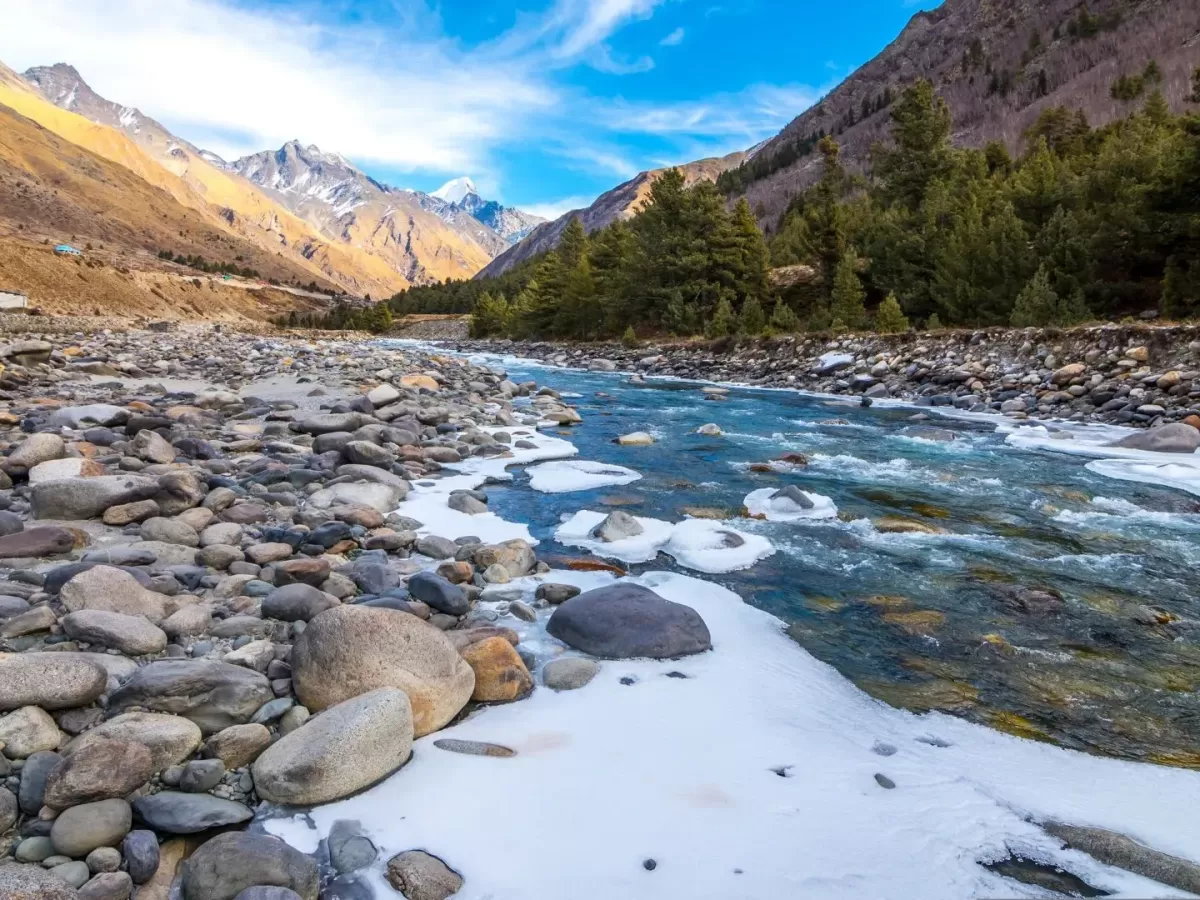
- Breathtaking Landscapes: Baspa River Front offers stunning vistas, perfect for landscape photography. The clear blue waters of the river, set against the backdrop of lush green hills and snow-capped peaks, provide a picture-perfect setting. The serene atmosphere and varied terrain allow for a wide range of photography opportunities, from wide-angle shots to close-ups of the surrounding flora and fauna.
- Best Photography Times: Early mornings and late afternoons are the best times for photography at Baspa River Front. The soft lighting during the golden hours enhances the beauty of the surroundings, casting a warm glow over the river and its surroundings. The calmness of the river in the early morning hours also adds a magical touch to your photos, making it an ideal time for reflection and capturing the stillness of nature.
- Wildlife and Bird Photography: The Baspa River Front is also a great location for wildlife photography. The area is home to various species of birds and small animals. Birdwatchers can capture images of local species, especially early in the morning when birds are most active. With patience, you might spot larger mammals along the riverbanks or in the surrounding forests.
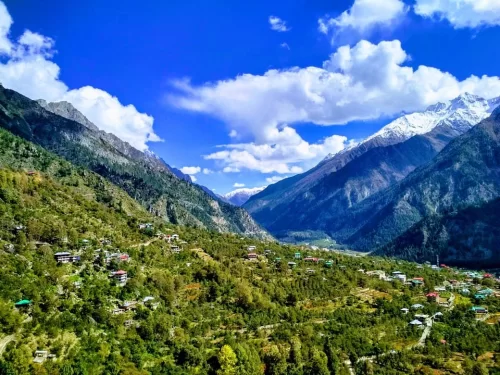
- Scenic Viewpoints: There are multiple viewpoints along the river, each offering unique perspectives of the riverfront and the surrounding landscape. From these points, you can capture sweeping panoramic shots of the entire area, with the river winding through the lush green valley, surrounded by distant mountains. Some areas provide clear views of the Baspa River flowing gently through the valley, perfect for wide landscape shots.
- Seasonal Photography: Each season brings its own beauty to Baspa River Front. Spring and summer bring lush greenery and vibrant flowers, perfect for capturing the thriving flora. In autumn, the changing colors of the foliage add rich tones to the landscape. In winter, snow covers the surroundings, turning the riverfront into a winter wonderland, perfect for capturing the serene beauty of snow-clad mountains and frozen waters.