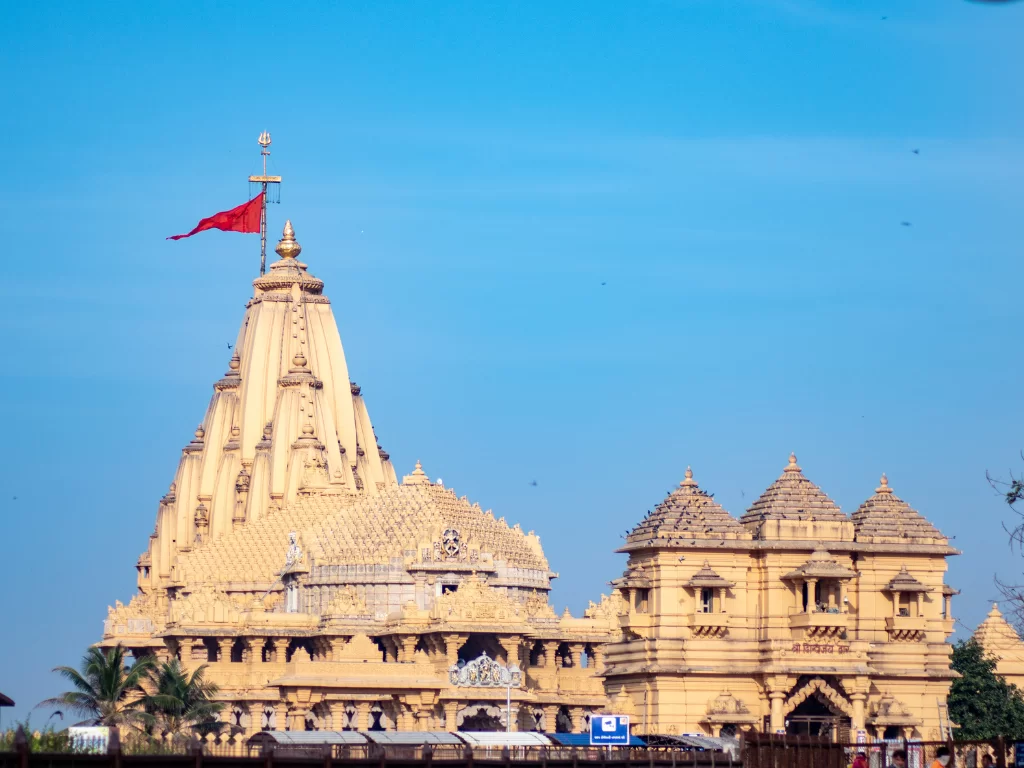
Shree Somnath Temple, Somnath, Gujarat, India

Shree Somnath Temple , Somnath
Tourists visit Shree Somnath Temple for darshan, religious rituals, and its coastal temple setting with strong pilgrimage significance. The temple complex includes structured entry arrangements, prayer halls, and surrounding areas visited throughout the day. It is one of the most important Jyotirlinga temples in India and a central attraction in the Somnath travel circuit.

Quick Facts About Shree Somnath Temple

Quick Facts About Shree Somnath Temple

Entry Fee Free for temple entry (special darshan, locker, and photography services may have separate charges if applicable)
Timings Open daily; darshan timings follow temple schedule (early morning to night with aarti breaks as per official Somnath Trust timings)
Altitude (m) Approx. 0–10 m above sea level (coastal Somnath location)
Ideal Visit Duration 1.5 to 3 hours (darshan, temple walk, and nearby viewing points)
Best Time of Day Early morning or evening (comfortable weather and aarti atmosphere)
Crowd Level Very high during weekends, festivals, and pilgrimage season; moderate on weekday afternoons
Distance from City Centre (km) Located in central Somnath town (within 1–2 km of most main stay areas)
Walking Difficulty Easy to moderate (queue movement and walking inside the temple complex)
Parking Available Yes (designated parking areas available near the temple zone; can be crowded during peak hours)
Last Mile Access Easy access by auto-rickshaw, taxi, and local vehicles; short walk required from drop-off/parking points
Suitable for Kids Yes (family-friendly pilgrimage site, but long queues may be tiring)
Suitable for Seniors Yes (but crowd rush and queue standing time may require planning)
Wheelchair Friendly Partially (some ramps and access support may be available, but crowding and queue areas can limit smooth movement)

Why Visit Shree Somnath Temple

Shree Somnath Temple is visited by pilgrims and tourists for darshan of Lord Shiva and to experience one of India’s most important Jyotirlinga temples. Visitors come here for daily worship rituals, aarti ceremonies, and the coastal temple setting that makes it a central stop in Gujarat religious travel.

The on-ground atmosphere is highly devotional and organized, with steady queue movement, temple security checks, and continuous visitor flow throughout the day. The surroundings remain active, especially during morning and evening prayer hours, with the sound of chants and sea breeze shaping the experience.

What makes Shree Somnath Temple distinct is its location directly on the Arabian Sea coast, where the temple complex combines spiritual activity with sea-facing views and a strong pilgrimage presence. For travelers, it offers a complete religious visit that includes darshan, structured temple pathways, and nearby coastal viewing points within walking distance.

Religious Significance of Shree Somnath Temple

Shree Somnath Temple is one of the twelve Jyotirlinga temples of Lord Shiva, making it one of the most important pilgrimage destinations in Hindu tradition. The temple is deeply associated with Shaivite worship and is visited year-round for darshan, aarti ceremonies, and sacred rituals performed by devotees.

The temple is managed by the Somnath Trust and remains central to Gujarat’s religious identity, with major crowds during Shivratri and other Hindu festival periods. Its sea-facing location and continuous worship activity make it a spiritually significant site for pilgrims who consider Somnath an essential stop in Jyotirlinga travel circuits.

Best Time to Visit Shree Somnath Temple

Shree Somnath Temple can be visited throughout the year, but the most comfortable and smooth experience is during the cooler months when walking around the temple complex and sea-facing pathways is easier. Since Somnath is a coastal pilgrimage destination with heavy crowds, season and festival timing strongly affect both comfort and waiting time.
  • Ideal months: October to March for pleasant coastal weather and easier darshan movement.
  • Weather during the best season: Cooler temperatures with lower humidity, making temple queues and sea-side walking comfortable.
  • Best seasonal experience: Winter mornings and evenings offer a calmer atmosphere with better comfort for darshan and temple complex exploration.
  • Peak pilgrimage period: Mahashivratri and major festival days bring very high crowds, longer waiting time, and heavy traffic around the temple zone.
  • Period to avoid for comfort: April to June afternoons due to strong heat and humidity, which can make queue standing tiring.
  • Monsoon limitation: July to September may bring heavy rain and strong sea winds, which can affect coastal walking areas and overall movement comfort.

How to Reach Shree Somnath Temple

  • Nearest airport: Diu Airport (DIU), approximately 80–90 km away; taxis and private cabs are commonly used for direct travel to Somnath.
  • Nearest railway station: Somnath Railway Station (SMNH), located close to the main temple zone and suitable for visitors arriving directly in Somnath.
  • Major rail connectivity option: Veraval Junction (VRL) is the nearest major railway hub and is widely used for trains from Ahmedabad, Rajkot, and other major cities.
  • Road access: Somnath is well connected by road from Veraval, Junagadh, Rajkot, and Ahmedabad through state highways and major regional routes.
  • Local transport: Auto-rickshaws, local taxis, and private vehicles are easily available in Somnath for short-distance travel to the temple.
  • Last-mile connectivity: Vehicles can reach designated drop-off points near the temple zone, followed by walking through entry gates and security checkpoints.
  • Travel limitation: During festivals and peak pilgrimage days, traffic restrictions and parking congestion near the temple complex can increase walking distance and travel time.

What to Expect When You Visit Shree Somnath Temple

  • Temple environment: A large, well-maintained coastal temple complex located close to the Arabian Sea, with open courtyards and sea-facing walking areas.
  • Darshan experience: Entry is managed through organized queues and security checks; waiting time depends heavily on the day, time, and festival calendar.
  • Atmosphere on-site: The surroundings are active and devotional throughout the day, with continuous movement of pilgrims, priests, and local visitors.
  • Accessibility and movement: The temple area involves a fair amount of walking within the complex; footwear must be removed before entering the main shrine zones.
  • Facilities available: Basic visitor amenities such as washrooms, drinking water points, seating areas, and cloakroom-style arrangements are generally available near the temple premises.
  • Cleanliness and management: The temple complex is regularly cleaned, but crowd-heavy hours can still feel congested around entry and exit routes.
  • Visitor behavior: Most visitors come for worship and rituals, so silence and respectful conduct are expected inside the main darshan area.
  • Common limitations: Mobile phone restrictions may apply in certain areas, and peak hours can involve long standing time in queue with limited shade.
  • Coastal conditions: The sea breeze is strong in the evening and during monsoon months, and the area can feel humid even outside summer season.

Important Visitor Information for Shree Somnath Temple

  • Crowd notes: Shree Somnath Temple remains busy most days, with very high crowd levels on weekends, public holidays, and during major Shiva-related festivals.
  • Peak visiting hours: Morning darshan hours and evening aarti periods usually see the longest queues, along with heavy movement near entry gates.
  • Quiet visiting hours: Mid-afternoon on regular weekdays is typically less crowded and allows a smoother darshan experience.
  • Weather conditions: The temple is located near the sea, so humidity is common; strong coastal winds are frequent in the evening and during monsoon season.
  • Monsoon caution: During heavy rains, walking areas near the sea-facing side can become slippery, and the overall atmosphere may be windy.
  • Dress expectations: Modest traditional clothing is recommended as it is an active pilgrimage site, and visitors are expected to maintain temple decorum.
  • Footwear rule: Shoes and sandals must be removed before entering the inner temple areas; footwear stands are available near the entrance.
  • Security and entry checks: Expect security screening at entry points; certain items may not be permitted inside the main shrine area.
  • Safety note: During peak crowd hours, keep valuables secure and stay alert in queue lines and narrow exit corridors.

Photography and Viewpoints at Shree Somnath Temple

  • Best exterior viewpoint: The sea-facing side of the temple complex offers clear angles to capture the temple structure with the Arabian Sea in the background.
  • Recommended photo spot: The open courtyard areas and pathways near the temple perimeter provide wide-frame views of the main shikhara and entrance architecture.
  • Evening lighting advantage: Late afternoon to sunset is ideal for photography, as the soft coastal light highlights the temple stonework and creates strong silhouettes near the sea.
  • Morning clarity: Early morning provides cleaner skies and less crowd movement, making it easier to photograph the temple entrance and surrounding walkways.
  • Night photography: The temple is often well-lit after dark, allowing sharp architectural shots, especially from the open areas outside the main shrine zone.
  • Photography restrictions: Photography may be restricted inside the main sanctum and inner darshan areas; visitors should follow on-site signage and security instructions.
  • Crowd factor: During peak darshan hours, open viewpoints near the main entry get congested, making tripod use or long framing difficult.
  • Sea breeze impact: Strong coastal winds are common, especially in the evening, which can affect steady handheld shots and cause dust movement in dry months.

Near By Attraction

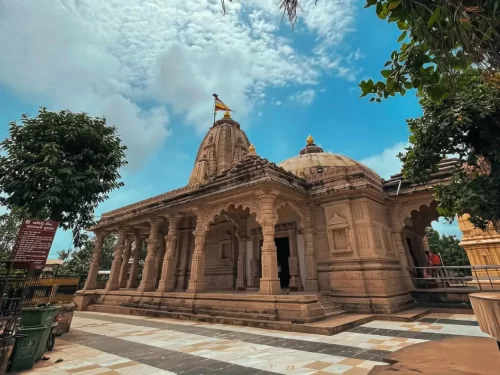
Bhalka Tirth Temple Somnath sacred Hindu pilgrimage site associated with Lord Krishna in Gujarat. Temple

Bhalka Tirth Temple

Bhalka Tirth Temple is a Hindu pilgrimage site near Somnath, associated with the spot where Lord Krishna is believed to have been accidentally struck by an arrow.
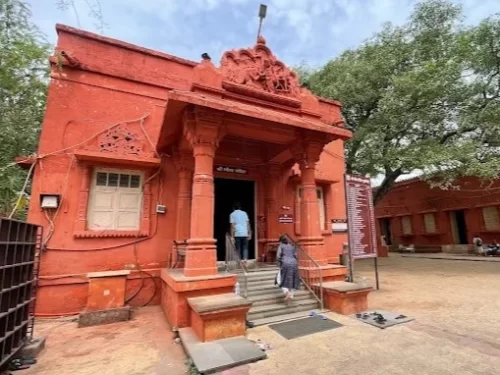
Gita Mandir sacred Hindu temple known for Bhagavad Gita inscriptions and spiritual significance in Gujarat. Temple

Gita Mandir

Gita Mandir is a Hindu temple near Somnath known for its Bhagavad Gita inscriptions and peaceful prayer environment.
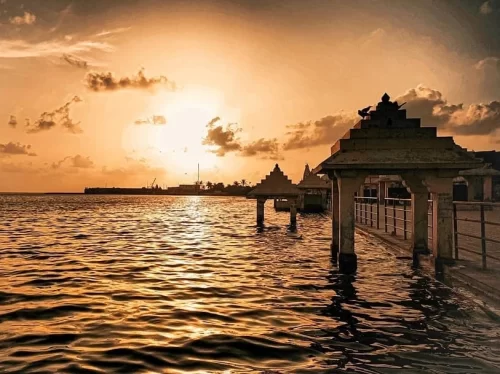
Triveni Sangam Somnath sacred confluence of three rivers and revered pilgrimage site in Gujarat. River Ghat

Triveni Sangam Somnath

Triveni Sangam in Somnath is the sacred confluence point where the Hiran, Kapila, and Saraswati rivers meet near the Arabian Sea.

Frequently Asked Questions About Shree Somnath Temple

Shree Somnath Temple in Gujarat is located in Prabhas Patan near Veraval in Gir Somnath district. The temple stands along the Arabian Sea coastline.
Shree Somnath Temple in Gujarat is approximately 6 to 7 kilometers from Veraval Railway Station. The distance can be covered in about 15 minutes by auto-rickshaw or taxi.
Shree Somnath Temple in Gujarat is generally open daily from around 6:00 AM to 10:00 PM. Aarti is performed three times a day at scheduled intervals.
There is no entry fee for darshan at Shree Somnath Temple in Gujarat. Visitors may purchase special darshan passes if available for specific arrangements.
The best time to visit Shree Somnath Temple in Gujarat is between October and March when the weather is relatively pleasant. Summers can be hot due to the coastal climate.
Most visitors spend about 1 to 2 hours at Shree Somnath Temple in Gujarat. Additional time may be needed during peak pilgrimage seasons or major festivals.
Photography is not allowed inside the main temple premises of Shree Somnath Temple in Gujarat. Electronic items such as mobile phones must be deposited at designated counters.
Shree Somnath Temple in Gujarat is open throughout the year. Visiting hours remain consistent except during special religious events when crowd management measures apply.
Facilities at Shree Somnath Temple in Gujarat include cloakrooms, drinking water, restrooms, and parking areas. Accommodation options are available in nearby guest houses and hotels.
Visitors can reach Shree Somnath Temple in Gujarat by road from Veraval, which has railway connectivity to major cities. The nearest airport is in Diu, about 80 to 85 kilometers away.

Loved this place ? Let’s Plan Your Gujarat Trip

Get customized Gujarat tour planning designed around seasonal climate conditions, long-distance road travel flow, festival timing, and realistic pacing across regions. Whether you are visiting for heritage sites, desert experiences, coastal retreats, wild

⚡ Quick Response | 💰 Free consultation | 🕒 24×7 expert support

×

Plan Your Trip