Ugrasen Ki Baoli – Ancient Stepwell in the Heart of Delhi

Ugrasen Ki Baoli , Delhi
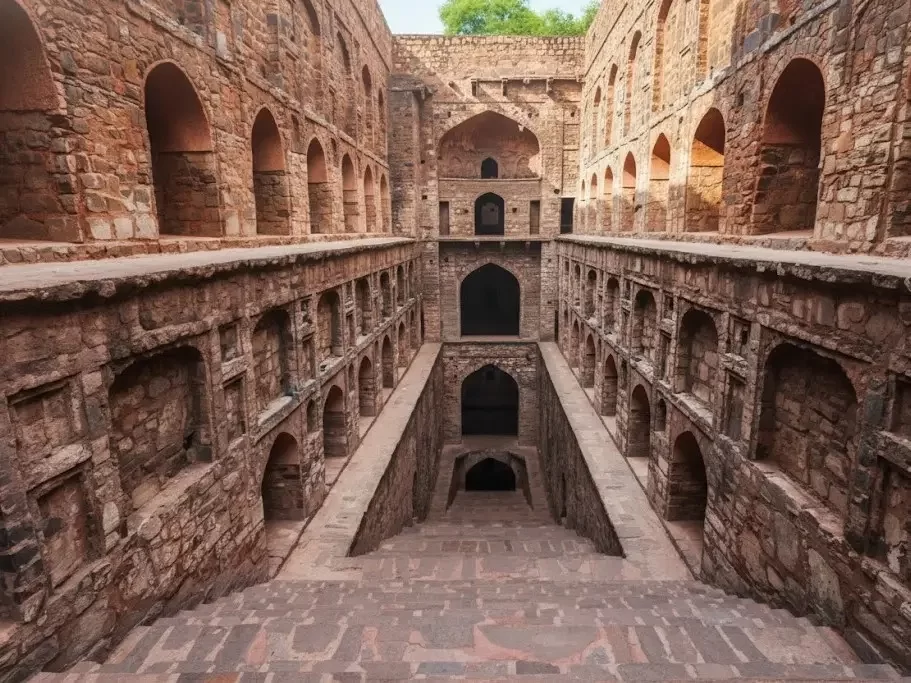
Ugrasen Ki Baoli is an ancient stepwell located near Connaught Place in New Delhi. Believed to have been originally built during the Mahabharata era and later rebuilt in the 14th century, this three-tiered structure features 103 stone steps leading down to a deep water reservoir. The baoli is admired for its symmetrical design, arched corridors, and peaceful surroundings, making it a popular spot for history lovers, photographers, and tourists seeking a quiet escape within the busy city.

Quick Facts About Ugrasen Ki Baoli

Entry Fee Free
Timings 09:00 - 17:00
Altitude (m) 216
Ideal Visit Duration (hrs) 1
Best Time of Day Morning
Crowd Level Moderate
Distance from Connaught Place (km) 1
Walking Difficulty Moderate
Parking Available No
Last Mile Access Walk
Suitable for Kids Yes
Suitable for Seniors No
Wheelchair Friendly No

Why Visit Ugrasen Ki Baoli

Ugrasen Ki Baoli offers a rare opportunity to experience a centuries-old stepwell hidden within the modern cityscape of Delhi. Visiting this monument allows travelers to step away from the city’s noise and explore an architectural relic that reflects ancient water conservation techniques and Indo-Islamic design influences. Its central location near Connaught Place makes it an easy yet rewarding stop for history enthusiasts and casual visitors alike.

Atmosphere

The atmosphere at Ugrasen Ki Baoli is calm, slightly mysterious, and deeply immersive. As you descend the long flight of stone steps, the surrounding noise fades, replaced by echoing sounds and cool air rising from the depths of the structure. The repetitive arches and symmetrical layout create a serene yet dramatic setting, making the baoli feel timeless despite being surrounded by modern buildings.

What Makes It Special

What sets Ugrasen Ki Baoli apart is its striking three-level design with 103 steps and perfectly aligned arched corridors. Unlike many monuments, it has no ornamental carvings, yet its minimalist geometry and scale leave a powerful visual impact. The baoli also stands as a reminder of Delhi’s ancient water management systems and has gained cultural significance through its presence in films, photography, and urban folklore, making it a unique blend of history, architecture, and contemporary appeal.

History of Ugrasen Ki Baoli

Ugrasen Ki Baoli is believed to have been originally constructed during ancient times, with its origins often linked to the legendary King Ugrasen, after whom it is named. However, the structure visible today is widely accepted to have been rebuilt or significantly restored in the 14th century during the reign of the Tughlaq dynasty in Delhi. Stepwells like this were an essential part of urban planning in medieval India, serving as reliable water reservoirs in an otherwise water-scarce region.

The baoli was designed not only for water storage but also as a communal space where people could gather, rest, and escape the heat. Over time, as modern water supply systems developed, Ugrasen Ki Baoli fell into neglect and gradually dried up. Despite this, its strong stone construction allowed it to survive centuries of environmental change and urban expansion.

In recent decades, the monument has been preserved by archaeological authorities and gained renewed attention due to its central location in New Delhi and its appearance in films and popular media. Today, Ugrasen Ki Baoli stands as a well-preserved historical structure that offers insight into Delhi’s medieval engineering practices and the importance of water management in the city’s past.

Best Time to Visit Ugrasen Ki Baoli

The best time to visit Ugrasen Ki Baoli is during the cooler months from October to March, when Delhi’s weather is pleasant and ideal for walking down the long stone steps of the stepwell. During this period, daytime temperatures are comfortable, making exploration easier and more enjoyable. The winter months also offer clearer skies, which enhance photography and overall visibility inside the structure.

Early mornings and late afternoons are considered the most suitable times of day to visit. Morning hours provide a quieter experience with fewer visitors, while late afternoon light creates dramatic shadows along the arches and steps, highlighting the baoli’s symmetrical design. Midday visits are possible but can feel warmer, especially during summer months, due to limited shade at the upper levels.
  • October to March offers the most comfortable weather conditions
  • Early mornings are ideal for a peaceful, crowd-free visit
  • Late afternoon provides excellent natural light for photography
  • Summer afternoons can be hot due to exposed stone steps
  • Weekdays are generally less crowded than weekends

How to Reach Ugrasen Ki Baoli

  • By Metro: The nearest metro station is Barakhamba Road on the Blue Line, located approximately 500 meters from Ugrasen Ki Baoli. From the station, the monument can be reached on foot within 5–10 minutes. Rajiv Chowk Metro Station is another option, about 1 km away, offering connectivity via multiple metro lines.
  • By Bus: Delhi Transport Corporation (DTC) buses frequently operate to and from Connaught Place and nearby areas. Buses stopping near Barakhamba Road or Kasturba Gandhi Marg provide convenient access, followed by a short walk to the baoli.
  • By Car or Taxi: Ugrasen Ki Baoli is easily accessible by cab, auto-rickshaw, or private vehicle via Kasturba Gandhi Marg. Due to traffic congestion and limited parking in the area, using taxis or app-based cabs is generally the most convenient option.
  • By Walking: For visitors already exploring Connaught Place, Ugrasen Ki Baoli is within walking distance. The walk takes around 10–15 minutes and passes through one of Delhi’s central commercial districts.
  • From Airport or Railway Station: Indira Gandhi International Airport is approximately 14 km away. New Delhi Railway Station is about 3 km from the monument, making it easily reachable by metro, cab, or auto-rickshaw.

What to Expect When You Visit Ugrasen Ki Baoli

  • Historic Stepwell Architecture: Visitors can expect to see a well-preserved three-tier stepwell with 103 stone steps descending to the bottom. The long, straight stairway and repetitive arched corridors showcase medieval engineering and symmetrical design.
  • Cool and Calm Environment: As you move downward, the temperature becomes noticeably cooler. The depth of the structure and thick stone walls create a peaceful atmosphere that contrasts sharply with the busy streets outside.
  • Photography Opportunities: The linear steps, arches, and play of natural light offer excellent opportunities for photography. The site is especially popular among architectural and travel photographers.
  • Minimal Facilities: There are no restrooms, cafés, or guided services within the monument. Visitors should plan accordingly and carry water, especially during warmer months.
  • Open and Uneven Steps: The stone steps can be steep and uneven in places. Comfortable footwear is recommended, and caution is advised while walking, particularly near the lower levels.
  • Short Yet Memorable Visit: Most visits last under an hour, making it an ideal stop for travelers looking to explore a historical site without a long time commitment.

Important Visitor Information

  • Crowd & Weather Notes: Ugrasen Ki Baoli experiences moderate crowds throughout the year due to its central location. Summers (April to June) can be hot and dry, especially during midday, while winters (October to March) are pleasant and ideal for exploration. The interior remains relatively cool because of the depth of the stepwell.
  • Peak / Quiet Hours: Peak visiting hours are late mornings to early afternoons, particularly on weekends and public holidays. Quiet hours are early mornings shortly after opening and late afternoons on weekdays, offering a calmer and more immersive experience.
  • Dress Code: There is no formal dress code, but visitors are advised to wear comfortable clothing and sturdy footwear due to steep and uneven stone steps. Light, breathable clothes are recommended during warmer months.
  • Safety Notes: Handrails are limited, and the steps can be slippery in humid or rainy conditions. Visitors should descend carefully, avoid leaning over edges, and supervise children closely. Photography is allowed, but caution is advised while moving near lower levels of the structure.

Photography and Viewpoint at Ugrasen Ki Baoli

  • Architectural Photography: Ugrasen Ki Baoli is highly regarded for its strong geometric lines, symmetrical steps, and repetitive arches. The straight central staircase provides a striking perspective, making it ideal for wide-angle and leading-line compositions.
  • Best Lighting Conditions: Late afternoon light is especially favorable, as sunlight filters into the stepwell at an angle, creating dramatic shadows and depth across the stone arches. Early mornings offer softer, more even lighting with fewer visitors in the frame.
  • Popular Viewpoints: The top entrance level offers a full view of the descending steps, while mid-level landings provide balanced compositions of arches and corridors. The lowest level creates moody, high-contrast shots emphasizing the depth and scale of the baoli.
  • Mobile and Professional Photography: Both mobile phones and professional cameras perform well due to natural light availability. Tripods are generally avoided because of narrow walkways and crowd movement.

Near By Attraction

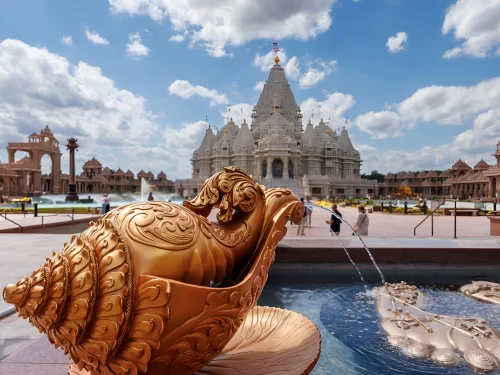
Akshardham Temple Delhi, grand Hindu temple complex with intricate carvings and iconic cultural landmark in India. Temple

Akshardham Temple

Akshardham Temple is a stunning Hindu temple in Delhi, celebrated for its intricate architecture, spiritual ambiance, and cultural exhibitions.
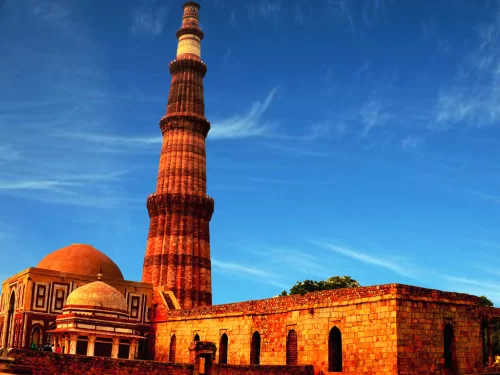
Qutub Minar with Quwwat-ul-Islam Mosque and surrounding sandstone ruins under a vivid blue sky in Delhi, showcasing UNESCO World Heritage Indo-Islamic architecture for Qutub Minar tour packages. Historical Site

Qutub Minar

Qutub Minar is a towering 73-meter-high minaret in Delhi, renowned for its Indo-Islamic architecture and historical significance.

Lotus Temple, New Delhi – elegant white marble lotus petals rising above the tranquil blue reflecting pool, iconic Bahá’í House of Worship and serene highlight of Delhi city tour packages. Tourist Attraction

Lotus Temple

Lotus Temple is a stunning flower-shaped Bahá?í House of Worship in Delhi, renowned for its serene ambiance and architectural beauty.

Frequently Asked Questions About Ugrasen Ki Baoli

Ugrasen Ki Baoli Delhi is located on Hailey Road near Connaught Place in Central Delhi. The stepwell is easily accessible by road and metro.
There is no entry fee to visit Ugrasen Ki Baoli Delhi. Visitors can enter the monument free of charge.
Ugrasen Ki Baoli Delhi is open daily from morning until evening. Visiting hours generally begin around 7:00 AM and continue until sunset.
A visit to Ugrasen Ki Baoli Delhi typically takes 30 to 45 minutes. Visitors exploring the full stepwell structure may spend slightly longer.
Photography is allowed at Ugrasen Ki Baoli Delhi for personal use. Professional shoots may require prior permission from authorities.
The nearest metro station to Ugrasen Ki Baoli Delhi is Barakhamba Road on the Blue Line. Rajiv Chowk Metro Station is also within walking distance.
Ugrasen Ki Baoli Delhi is approximately 2 to 3 kilometers from New Delhi Railway Station. Travel time by car usually ranges between 10 to 20 minutes depending on traffic.
Parking near Ugrasen Ki Baoli Delhi is limited due to its central location. Visitors are advised to use nearby public parking areas or metro services.
Ugrasen Ki Baoli Delhi offers basic facilities including security presence and walking pathways. Visitors should not expect restrooms or extensive amenities inside the monument.
Ugrasen Ki Baoli Delhi is generally safe to visit during the day. Visitors should exercise caution on the steep steps and avoid isolated areas after dark.

Loved this place ? Let’s Plan Your Delhi Trip

Get customized Delhi tour planning designed around traffic flow, seasonal weather comfort, heritage site exploration time, and realistic city pacing. Whether you are visiting for historical monuments, cultural experiences, food walks, shopping districts,

⚡ Quick Response | 💰 Free consultation | 🕒 24×7 expert support

×

Plan Your Trip