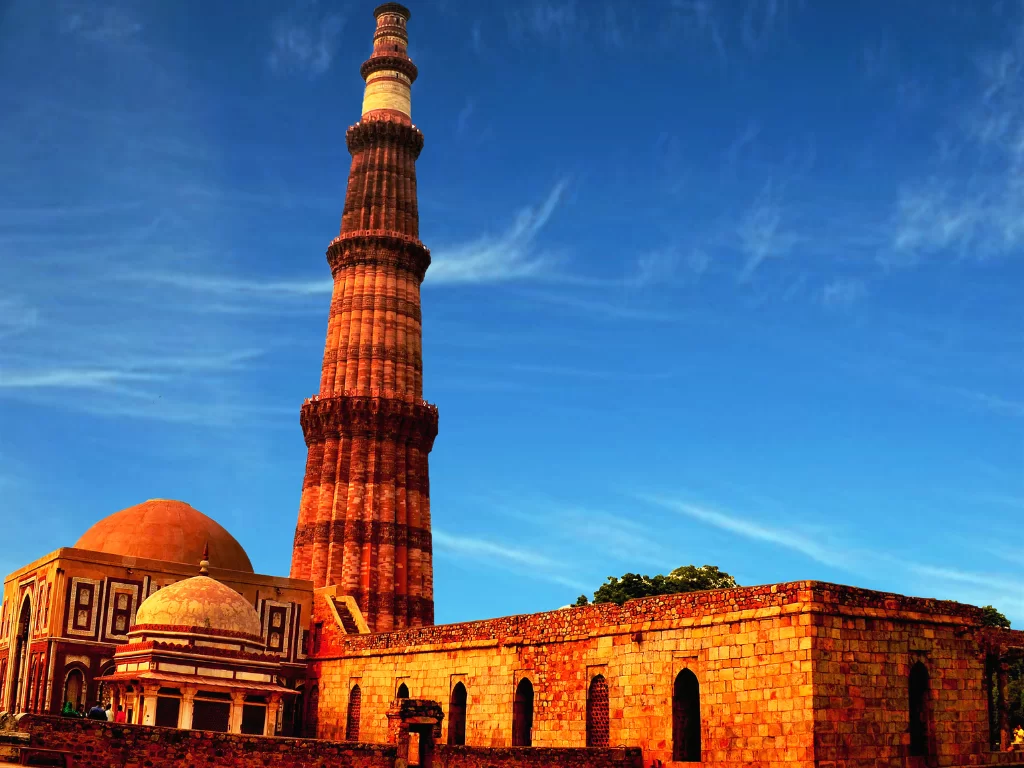
Qutub Minar Delhi – UNESCO World Heritage Monument

Qutub Minar , Delhi
Located in Mehrauli, Delhi, Qutub Minar is the tallest brick minaret in the world, built in the early 13th century by Qutb-ud-din Aibak and completed by his successor Iltutmish. The minaret features intricately carved red sandstone and marble with inscriptions from the Qur’an. The surrounding Qutub complex houses several historic structures, including Alai Darwaza, Iron Pillar, and tombs of medieval rulers. A UNESCO World Heritage Site, Qutub Minar attracts millions of visitors each year, offering a glimpse into Delhi’s rich medieval history and architectural brilliance.

Quick Facts About Qutub Minar

Entry Fee Paid
Timings 07:00 - 17:00
Altitude (m) 215
Ideal Visit Duration (hrs) 2
Best Time of Day Morning
Crowd Level High
Distance from Connaught Place (km) 13
Walking Difficulty Easy
Parking Available Yes
Last Mile Access Walk
Suitable for Kids Yes
Suitable for Seniors Yes
Wheelchair Friendly No

Why Visit Qutub Minar

Qutub Minar is one of Delhi’s most iconic historical landmarks, showcasing the grandeur of medieval Indo-Islamic architecture. Visitors are drawn to its towering 73-meter-high minaret, intricately carved with verses from the Qur’an, and its surrounding Qutub complex, which includes ancient monuments, tombs, and the famous Iron Pillar. The site offers a unique blend of history, art, and architecture, creating a visually striking atmosphere that transports visitors back to the Delhi Sultanate era. Its status as a UNESCO World Heritage Site and its photogenic surroundings make it a must-visit destination for history enthusiasts, architecture lovers, and tourists seeking cultural insights into Delhi’s rich past.

History of Qutub Minar

Qutub Minar, located in Mehrauli, Delhi, was initiated in 1192 by Qutb-ud-din Aibak, the founder of the Delhi Sultanate, and later completed by his successor Iltutmish. Built as a victory tower to celebrate Muslim dominance in Delhi, it stands as the tallest brick minaret in the world at 73 meters. Constructed mainly from red sandstone with intricate carvings and inscriptions from the Qur’an, the minaret reflects the architectural brilliance of the era. The surrounding Qutub complex includes historical structures such as Alai Darwaza, tombs of medieval rulers, and the famous Iron Pillar, making it an important center of medieval Delhi architecture and heritage.

Best Time to Visit Qutub Minar

The best time to explore Qutub Minar is during the cooler months from October to March, when Delhi experiences pleasant temperatures and clear skies. Visiting early in the morning or late afternoon helps avoid peak crowds and provides ideal lighting for photography. Weekdays are generally less crowded, while weekends and public holidays see higher footfall.
  • October to March: Comfortable weather for sightseeing and walking around the Qutub complex.
  • Early Morning (7:00–10:00?AM): Quieter surroundings, soft light for photography, and cooler temperatures.
  • Late Afternoon (3:30–5:00?PM): Ideal for sunset photography and avoiding the midday heat.
  • Weekdays: Lower crowd levels for a more relaxed visit.
  • Avoid Summers (April–June): High temperatures can make walking and outdoor exploration uncomfortable.

How to Reach Qutub Minar

  • By Air: The nearest airport is Indira Gandhi International Airport (IGI), approximately 15 km away. Taxis or app-based cabs take about 30–45 minutes to reach the monument.
  • By Train: New Delhi Railway Station is the closest major railway hub, around 12–14 km from Qutub Minar. Auto-rickshaws and taxis provide easy last-mile connectivity.
  • By Metro: Qutub Minar Metro Station (Yellow Line) is the closest metro access. A short 5–10 minute walk or auto-rickshaw ride brings visitors to the entrance.
  • By Bus: Delhi Transport Corporation (DTC) and private buses connect Qutub Minar with central Delhi and surrounding areas.
  • By Car/Taxi: Accessible via Mehrauli-Badarpur Road and surrounding main roads. Limited parking is available near the complex.
  • Walking/Cycle: Visitors staying in South Delhi can reach the monument via a short walk or cycle through safe and wide streets.

What to Expect When You Visit Qutub Minar

  • Architectural Marvel: Witness the towering 73-meter-high minaret, adorned with intricate carvings, geometric patterns, and Qur’anic inscriptions.
  • Historical Insights: Explore the Qutub complex, including Alai Darwaza, tombs of medieval rulers, and the famous Iron Pillar, showcasing Delhi’s rich medieval history.
  • Photogenic Surroundings: Landscaped gardens, ancient ruins, and open spaces provide excellent photography opportunities.
  • Walking & Exploration: Expect mostly easy paved paths; some areas have uneven historic stone surfaces that require attention.
  • Moderate Crowds: Weekdays are less crowded, while weekends and holidays see high footfall, especially near the minaret and main entrances.
  • Visitor Amenities: Benches, water fountains, and shaded areas are available inside the complex for rest and relaxation.
  • Guided Tours & Information: Local guides provide rich historical context; audio guides may also be available at the entrance.
  • Family Friendly: Suitable for children and seniors, but supervise kids near ruins for safety.
  • Accessibility: Partial wheelchair access; main pathways are paved, though some historic areas are uneven.

Important Visitor Information

  • Crowd & Weather Notes: Qutub Minar attracts high footfall on weekends, public holidays, and school vacations. The best visiting season is October to March when the weather is cool and pleasant.
  • Peak / Quiet Hours: Peak hours are 10:00?AM–4:00?PM. Early mornings (7:00–10:00?AM) and late afternoons (3:30–5:00?PM) are quieter and ideal for photography and exploration.
  • Dress Code: Comfortable and modest clothing is recommended, especially when exploring historical ruins. Wear comfortable shoes for walking on uneven surfaces.
  • Safety Notes: The site is generally safe for visitors. Keep an eye on children near ruins, follow signage, and avoid climbing on protected structures. Stay hydrated during hot days.

Photography and Viewpoint

  • Iconic Angles: Capture the towering minaret from the main entrance and side pathways for dramatic vertical shots.
  • Wide Shots: Use the surrounding Qutub complex gardens and open spaces to frame the minaret along with other historic monuments.
  • Golden Hour: Early morning or late afternoon provides soft, warm lighting ideal for both photography and videography.
  • Architectural Details: Focus on intricate red sandstone carvings, geometric patterns, and Qur’anic inscriptions for close-up shots.
  • Panoramic Views: Elevated points along the complex pathways allow panoramic compositions including the Iron Pillar and Alai Darwaza.
  • Night Photography: Exterior lighting after sunset is limited; best to plan evening shots before closure.
  • Restrictions: Climbing the minaret is prohibited; drones and professional equipment require prior permission from ASI.
  • Equipment Tips: DSLRs, mirrorless cameras, and smartphones with wide-angle lenses work well; tripods allowed in designated areas.
  • Creative Perspectives: Use garden reflections, ruins framing, and symmetry of the minaret for artistic shots.

Near By Attraction

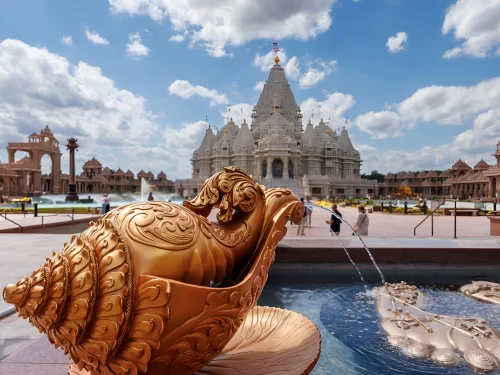
Akshardham Temple Delhi, grand Hindu temple complex with intricate carvings and iconic cultural landmark in India. Temple

Akshardham Temple

Akshardham Temple is a stunning Hindu temple in Delhi, celebrated for its intricate architecture, spiritual ambiance, and cultural exhibitions.
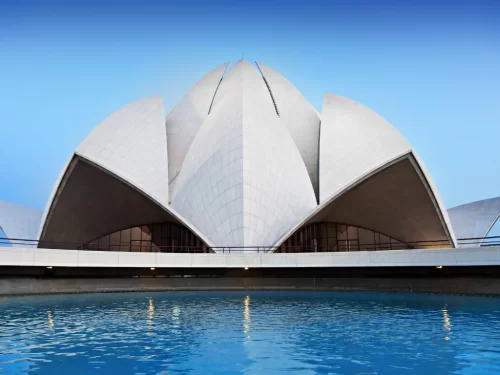
Lotus Temple, New Delhi – elegant white marble lotus petals rising above the tranquil blue reflecting pool, iconic Bahá’í House of Worship and serene highlight of Delhi city tour packages. Tourist Attraction

Lotus Temple

Lotus Temple is a stunning flower-shaped Bahá?í House of Worship in Delhi, renowned for its serene ambiance and architectural beauty.
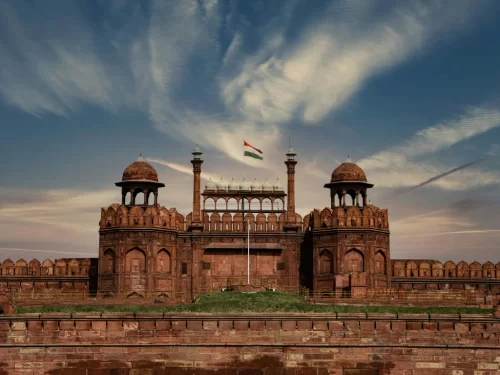
Red Fort Lahori Gate at Delhi on partly cloudy day, featuring Indian flag and red sandstone towers, perfect heritage Delhi tour package. Historical Site

Red Fort

Red Fort is a magnificent 17th-century Mughal fortress in Delhi, showcasing India's rich history and architecture.

Frequently Asked Questions About Qutub Minar

Qutub Minar Delhi is located in Mehrauli in South Delhi. The monument complex is easily accessible by road and Delhi Metro.
Qutub Minar Delhi has an entry fee for both Indian and foreign visitors. Ticket prices differ by nationality and are payable at the ticket counter or online through ASI booking portals.
Qutub Minar Delhi is open daily from sunrise to sunset. Visitors are generally allowed entry from around 7:00 AM until evening closing time.
A visit to Qutub Minar Delhi typically takes 1.5 to 2 hours. Visitors exploring the entire complex and museum areas may spend additional time.
Photography is allowed inside Qutub Minar Delhi for personal use. Tripods and commercial equipment may require special permission.
The nearest metro station to Qutub Minar Delhi is Qutub Minar Metro Station on the Yellow Line. The monument is a short auto or taxi ride from the station.
Qutub Minar Delhi is approximately 15 to 18 kilometers from New Delhi Railway Station. Travel time by car usually ranges between 35 to 60 minutes depending on traffic.
Parking facilities are available near Qutub Minar Delhi for cars and two-wheelers. Paid parking is managed close to the entrance gate.
Qutub Minar Delhi provides basic visitor facilities including restrooms, drinking water, security screening, and landscaped walking paths within the complex.
Qutub Minar Delhi remains open on most public holidays as it operates daily from sunrise to sunset. Visitors should check for any special restrictions during national events.

Loved this place ? Let’s Plan Your Delhi Trip

Get customized Delhi tour planning designed around traffic flow, seasonal weather comfort, heritage site exploration time, and realistic city pacing. Whether you are visiting for historical monuments, cultural experiences, food walks, shopping districts,

⚡ Quick Response | 💰 Free consultation | 🕒 24×7 expert support

×

Plan Your Trip