Quick Facts About Akshardham Temple
| Entry Fee | Free |
| Timings | 09:30 - 18:30 |
| Altitude (m) | 216 |
| Ideal Visit Duration (hrs) | 4 |
| Best Time of Day | Morning |
| Crowd Level | High |
| Distance from Connaught Place (km) | 22 |
| Walking Difficulty | Easy |
| Parking Available | Yes |
| Last Mile Access | Walk |
| Suitable for Kids | Yes |
| Suitable for Seniors | Yes |
| Wheelchair Friendly | Yes |
Why Visit Akshardham Temple
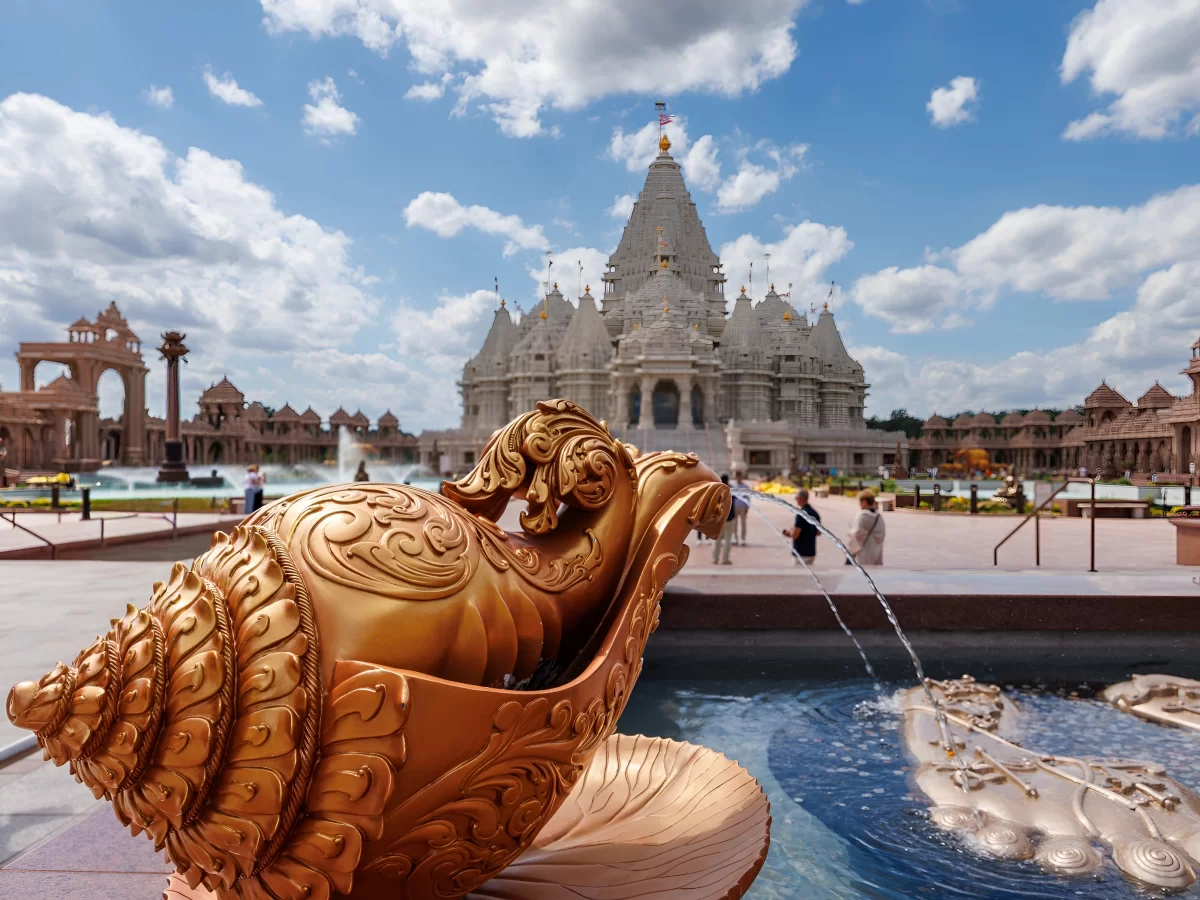
Akshardham Temple in Delhi is a magnificent spiritual and cultural landmark that draws visitors for its awe-inspiring architecture, intricate carvings, and serene ambiance. The temple showcases India’s rich heritage through beautifully sculpted sandstone and marble structures, peaceful gardens, and interactive exhibitions highlighting mythology, history, and Indian traditions. Visitors can experience the spectacular Yagnapurush Kund water and light show, explore the lush landscaped grounds, and enjoy the tranquil environment for meditation or photography. Its blend of spiritual significance, cultural storytelling, and architectural brilliance makes it a must-visit destination for tourists, devotees, and history enthusiasts alike.
History of Akshardham Temple
Akshardham Temple, inaugurated in 2005 in Delhi, was built by the BAPS Swaminarayan Sanstha to celebrate and preserve India’s spiritual heritage and architectural traditions. The temple complex is dedicated to Bhagwan Swaminarayan and showcases traditional Hindu architecture through intricately carved sandstone and marble, depicting stories from Indian scriptures and epics. Beyond being a place of worship, Akshardham serves as a cultural hub, offering educational exhibitions on Indian history, values, and spirituality, along with a grand water and light show at Yagnapurush Kund. It stands as a modern symbol of devotion, art, and India’s architectural excellence.
Best Time to Visit Akshardham Temple
The best time to visit Akshardham Temple is during the cooler months from October to March, when Delhi experiences pleasant weather. Visiting early in the morning or late afternoon allows you to enjoy a calm atmosphere and comfortable temperatures, making it ideal for exploring the temple complex, gardens, and exhibitions. Weekdays are generally less crowded than weekends and public holidays.
- October to March: Comfortable weather for sightseeing and walking around the temple complex.
- Early Morning (9:30–11:30?AM): Quieter surroundings and soft light for photography.
- Late Afternoon (4:00–6:30?PM): Ideal for the Yagnapurush Kund water and light show with cooler temperatures.
- Weekdays: Lower crowd levels for a more relaxed visit experience.
- Avoid Summer Months (April–June): High temperatures can make exploring the complex uncomfortable.
How to Reach Akshardham Temple
- By Metro: The nearest metro station is Akshardham Metro Station on the Blue Line. A short walk from the station brings visitors directly to the temple entrance.
- By Air: Indira Gandhi International Airport (IGI) is approximately 22?km away. Taxis or app-based cabs take around 45–60 minutes to reach the temple depending on traffic.
- By Train: New Delhi Railway Station and Hazrat Nizamuddin Railway Station are about 20–25?km away. Taxis, auto-rickshaws, or metro rides can be used for last-mile connectivity.
- By Bus: Delhi Transport Corporation (DTC) and private buses connect the temple to central Delhi and surrounding areas.
- By Car/Taxi: Accessible via Mathura Road and nearby main roads. Paid parking is available near the temple complex.
- Walking/Cycle: For visitors staying in East or South Delhi, short walks or cycle rides are possible along safe and wide streets.
What to Expect When You Visit Akshardham Temple
- Architectural Brilliance: Marvel at the intricately carved sandstone and marble structures, showcasing traditional Indian craftsmanship.
- Spiritual Ambiance: The temple provides a peaceful and serene environment suitable for meditation, prayer, and reflection.
- Cultural Exhibitions: Interactive exhibitions, including Sahaj Anand Water Show, and displays on Indian heritage, values, and mythology.
- Lush Gardens: Beautifully landscaped gardens and water features offer relaxing walking paths and photo opportunities.
- Moderate Crowds: Weekdays are less crowded, while weekends and holidays attract higher visitor numbers.
- Visitor Amenities: Facilities such as benches, rest areas, and drinking water are available throughout the complex.
- Family Friendly: Suitable for children and seniors; exhibitions and shows provide educational and engaging experiences.
- Accessibility: Mostly wheelchair-friendly pathways and ramps; wheelchairs available on request at the entrance.
- Photography Opportunities: Numerous spots for capturing architectural details, gardens, and cultural performances.
Important Visitor Information
- Crowd & Weather Notes: The temple attracts large crowds on weekends and public holidays. The best season to visit is October to March when the weather is cool and pleasant.
- Peak / Quiet Hours: Peak visiting hours are 11:00?AM–4:00?PM. Early mornings (9:30–11:00?AM) and late afternoons (4:00–6:30?PM) are quieter and ideal for photography and exploration.
- Dress Code: Visitors are expected to wear modest clothing. Comfortable shoes are recommended for walking around the temple complex and gardens.
- Safety Notes: The temple is generally safe for visitors. Keep children under supervision, follow signage, and avoid climbing on structures. Stay hydrated during hot days.
Photography and Viewpoint
- Iconic Shots: Capture the temple’s grand façade, intricate carvings, and the central dome from the main entrance and garden pathways.
- Gardens and Water Features: Use the lush gardens, fountains, and reflecting pools for creative and symmetrical compositions.
- Golden Hour: Early morning or late afternoon provides soft, warm light ideal for architectural photography.
- Exhibitions and Light Shows: The Yagnapurush Kund water and light show offers excellent opportunities for evening photography with vibrant colors and effects.
- Close-up Details: Focus on carvings of deities, sculptures, and inscriptions to highlight the craftsmanship and intricate details.
- Panoramic Views: Elevated points in the complex allow full-frame shots of the temple and surrounding gardens for wide-angle photography.
- Photography Guidelines: Tripods are allowed in designated areas; drones and professional equipment require prior permission.
- Visitor Tips: Weekdays are ideal for capturing clear, unobstructed shots without crowds, while weekends offer lively and dynamic compositions with visitors.