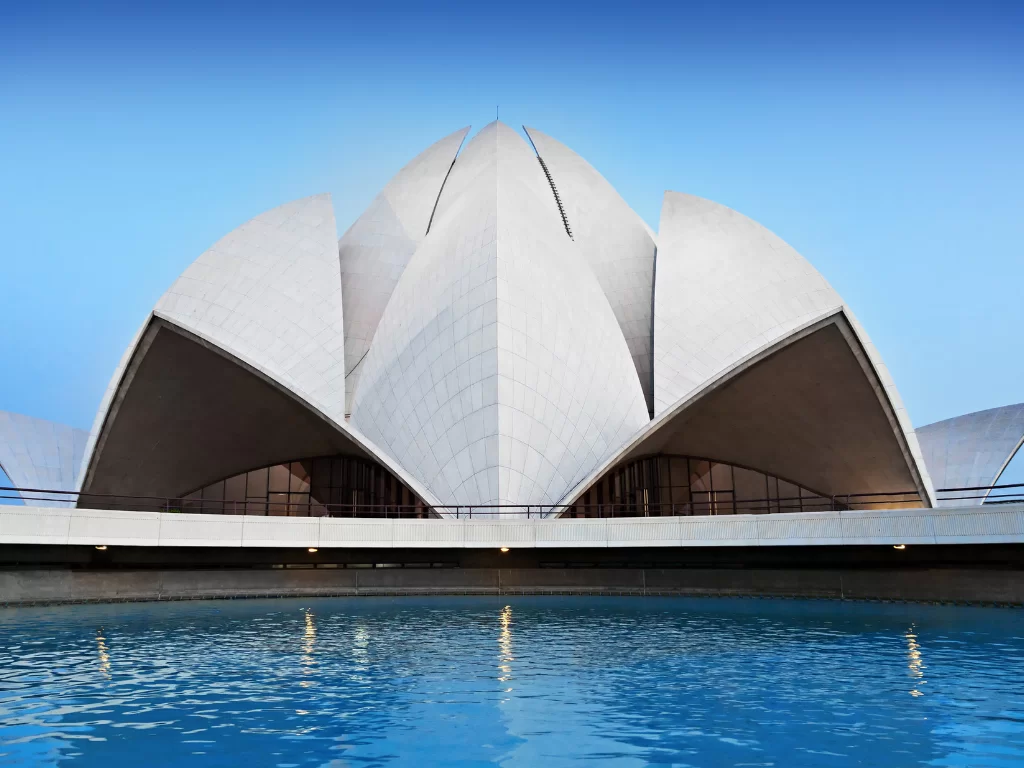
Lotus Temple Delhi – Iconic Bahá?í House of Worship

Lotus Temple , Delhi
Located in South Delhi, the Lotus Temple, completed in 1986, is famous for its lotus-inspired design and tranquil environment that welcomes people of all faiths. The temple is surrounded by nine ponds and gardens, enhancing its peaceful atmosphere. Visitors can meditate, enjoy the serene surroundings, and admire the temple’s impressive architecture. It is one of the most visited attractions in Delhi, offering a spiritual and cultural experience without religious boundaries.

Quick Facts About Lotus Temple

Entry Fee Free
Timings 09:00 - 19:00
Altitude (m) 215
Ideal Visit Duration (hrs) 2
Best Time of Day Morning
Crowd Level Moderate
Distance from Connaught Place (km) 12
Walking Difficulty Easy
Parking Available Yes
Last Mile Access Walk
Suitable for Kids Yes
Suitable for Seniors Yes
Wheelchair Friendly Yes

Why Visit Lotus Temple

Lotus Temple is one of Delhi’s most iconic landmarks, admired for its unique lotus-shaped architecture and serene ambiance. Visitors come to experience a place of peace and reflection, as the Bahá?í House of Worship welcomes people of all faiths. The surrounding gardens, nine reflecting pools, and beautifully landscaped walkways create a tranquil environment for meditation and photography. Its architectural elegance, symbolic design, and inclusive spiritual atmosphere make the Lotus Temple a must-visit attraction for both tourists and locals, offering a calm retreat from the bustling city.

History of Lotus Temple

The Lotus Temple, also known as the Bahá?í House of Worship, was completed in 1986 and is dedicated to the Bahá?í faith, which emphasizes unity and inclusiveness of all religions. Designed by Iranian architect Fariborz Sahba, its flower-like structure consists of 27 free-standing marble-clad petals arranged in clusters of three to form nine sides. The temple was built to provide a serene space for prayer, meditation, and reflection, open to people of all faiths. Since its inauguration, it has become one of Delhi’s most visited landmarks, attracting millions of tourists and devotees from around the world each year.

Best Time to Visit Lotus Temple

The ideal time to visit the Lotus Temple is during the cooler months from October to March when Delhi experiences mild temperatures and pleasant weather. Early mornings and late afternoons are perfect for enjoying the tranquil surroundings, photographing the lotus-inspired architecture, and experiencing meditation without heavy crowds. Visiting during weekdays ensures a quieter experience, while weekends and public holidays tend to be more crowded.
  • October to March: Comfortable temperatures and clear skies make sightseeing and garden walks enjoyable.
  • Early Morning (9:00–11:00 AM): Peaceful atmosphere, ideal for meditation and photography.
  • Late Afternoon (4:00–6:00 PM): Soft light enhances the temple’s architectural details and surrounding ponds.
  • Weekdays: Moderate crowd levels for a serene experience.
  • Avoid Summers (April–June): Extremely hot temperatures can make outdoor exploration uncomfortable.

How to Reach Lotus Temple

  • By Air: The nearest airport is Indira Gandhi International Airport (IGI), approximately 15 km away. Taxis and app-based cabs provide direct access to the temple in about 40–50 minutes.
  • By Train: Nearest major railway station is New Delhi Railway Station, about 12 km away. Auto-rickshaws, taxis, and app-based cabs can be used for last-mile connectivity.
  • By Metro: Kalkaji Mandir metro station (Violet Line) is closest to the temple. A short 5–10 minute walk or auto-rickshaw ride connects visitors to the entrance.
  • By Bus: Delhi Transport Corporation (DTC) buses and private city buses connect Lotus Temple with central Delhi and nearby localities.
  • By Car/Taxi: Easily accessible via Lotus Temple Road and surrounding main roads. Limited parking is available near the temple; metro or taxi is recommended during peak hours.
  • Walking/Cycle: Visitors staying in South Delhi can reach the temple via a short walk or cycle through safe and wide streets.

What to Expect When You Visit Lotus Temple

  • Architectural Marvel: Admire the lotus-shaped design made of 27 white marble petals arranged in clusters of three, forming nine sides.
  • Serene Ambiance: A peaceful and meditative environment ideal for quiet reflection, open to visitors of all faiths.
  • Beautiful Gardens: Landscaped gardens and nine surrounding ponds enhance the temple’s calm atmosphere and provide excellent photo opportunities.
  • Meditation Hall: Visitors can sit in the central prayer hall for meditation or personal reflection; silence is observed inside.
  • Photography Opportunities: Perfect for capturing the temple’s unique architecture, lotus-shaped exterior, reflecting pools, and landscaped surroundings.
  • Crowd Levels: Moderate on weekdays, high on weekends and public holidays. Early mornings are best for a quieter experience.
  • Accessibility: Mostly level walkways suitable for children and seniors; partial wheelchair access available.
  • Nearby Attractions: Close to Kalkaji Mandir and Nehru Place, allowing easy combination with other South Delhi sightseeing.

Important Visitor Information

  • Crowd & Weather Notes: Lotus Temple experiences high footfall on weekends, public holidays, and school vacations. The best visiting season is from October to March when Delhi weather is mild and comfortable.
  • Peak / Quiet Hours: Peak hours are 10:00?AM–4:00?PM. Early mornings (9:00–10:00?AM) or late afternoons (4:30–6:00?PM) are quieter and ideal for meditation or photography.
  • Dress Code: Modest and respectful clothing is recommended inside the prayer hall. Comfortable shoes are advisable for walking through gardens and outdoor areas.
  • Safety Notes: The temple is generally safe for visitors. Keep personal belongings secure, follow rules inside the meditation hall, and be cautious around ponds and garden paths.

Photography and Viewpoint

  • Exterior Shots: Capture the iconic lotus-shaped design from the front and side angles. Early morning light enhances the white marble petals against the sky.
  • Garden Perspectives: Use the landscaped gardens and surrounding reflecting pools for wide-angle and panoramic shots that include the temple and its serene environment.
  • Sunrise & Sunset: Soft golden light during sunrise or sunset adds warmth to the marble and creates striking reflections in the ponds.
  • Night Photography: While the temple closes in the evening, some exterior lighting allows for limited night photography from outside the boundary.
  • Close-Up Details: Focus on marble textures, petal patterns, and geometric symmetry for artistic shots.
  • Panoramic Views: Elevated points along garden pathways allow wide shots capturing the temple in context with its surroundings.
  • Restrictions: Photography inside the prayer hall is not allowed to maintain silence and sanctity. Drones are prohibited for security reasons.
  • Equipment Tips: DSLRs, mirrorless cameras, and smartphones with wide-angle lenses work well for both day and golden-hour photography.
  • Unique Angles: Experiment with reflections in the ponds, symmetry from pathways, and shots framed by gardens for creative perspectives.

Near By Attraction

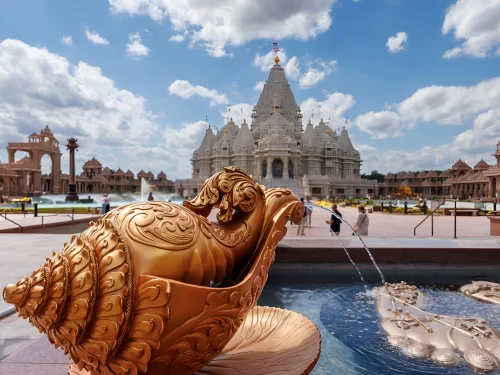
Akshardham Temple Delhi, grand Hindu temple complex with intricate carvings and iconic cultural landmark in India. Temple

Akshardham Temple

Akshardham Temple is a stunning Hindu temple in Delhi, celebrated for its intricate architecture, spiritual ambiance, and cultural exhibitions.
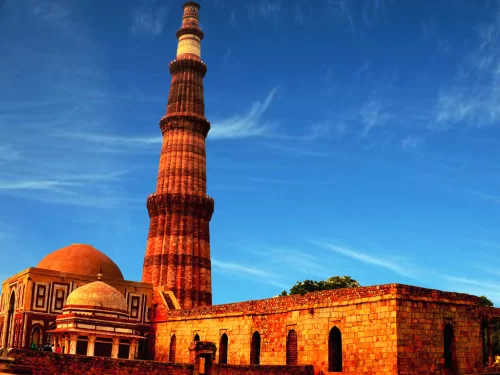
Qutub Minar with Quwwat-ul-Islam Mosque and surrounding sandstone ruins under a vivid blue sky in Delhi, showcasing UNESCO World Heritage Indo-Islamic architecture for Qutub Minar tour packages. Historical Site

Qutub Minar

Qutub Minar is a towering 73-meter-high minaret in Delhi, renowned for its Indo-Islamic architecture and historical significance.
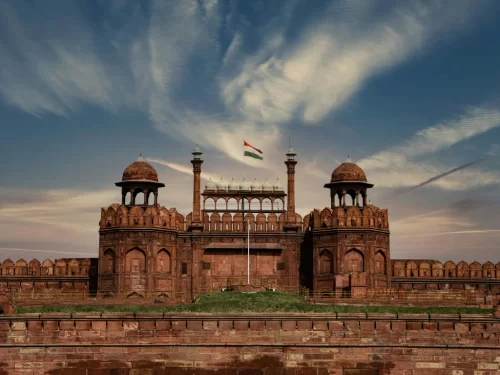
Red Fort Lahori Gate at Delhi on partly cloudy day, featuring Indian flag and red sandstone towers, perfect heritage Delhi tour package. Historical Site

Red Fort

Red Fort is a magnificent 17th-century Mughal fortress in Delhi, showcasing India's rich history and architecture.

Frequently Asked Questions About Lotus Temple

Lotus Temple Delhi is located in Kalkaji in South Delhi. The temple complex is easily accessible by road and Delhi Metro.
Entry to Lotus Temple Delhi is free for all visitors. There is no ticket required to enter the main prayer hall.
Lotus Temple Delhi is open from Tuesday to Sunday and remains closed on Mondays. Visiting hours usually begin around 9:00 AM and continue until early evening.
A visit to Lotus Temple Delhi typically takes 1 to 2 hours. Visitors spend time exploring the gardens and sitting quietly inside the prayer hall.
Photography is allowed in the outer premises of Lotus Temple Delhi. Photography inside the main prayer hall is not permitted.
The nearest metro station to Lotus Temple Delhi is Kalkaji Mandir Metro Station on the Violet and Magenta Lines. The temple is a short walk from the station.
Lotus Temple Delhi is approximately 13 to 16 kilometers from New Delhi Railway Station. Travel time by car usually ranges between 30 to 50 minutes depending on traffic.
Visitors to Lotus Temple Delhi are expected to wear modest clothing suitable for a place of worship. Shoes must be removed before entering the prayer hall.
Lotus Temple Delhi provides drinking water, restrooms, wheelchair access, shoe deposit counters, and well-maintained gardens for visitors.
Parking is available at Lotus Temple Delhi for cars and buses. The parking area is located close to the main entrance.

Loved this place ? Let’s Plan Your Delhi Trip

Get customized Delhi tour planning designed around traffic flow, seasonal weather comfort, heritage site exploration time, and realistic city pacing. Whether you are visiting for historical monuments, cultural experiences, food walks, shopping districts,

⚡ Quick Response | 💰 Free consultation | 🕒 24×7 expert support

×

Plan Your Trip