Safdarjung Tomb Delhi – History, Architecture & Visitor Guide 1 Line Intro:

Safdarjung Tomb , Delhi
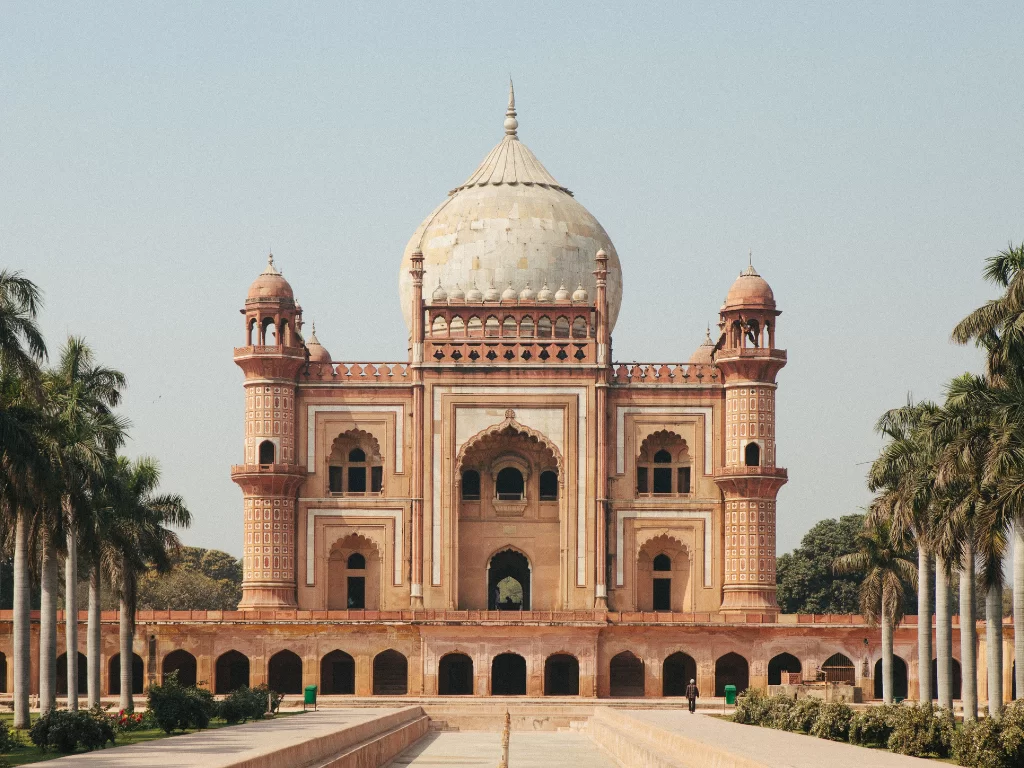
Safdarjung Tomb was built in 1754 as the final resting place of Safdarjung, the powerful Nawab of Awadh. Considered one of the last major monuments of Mughal architecture, the tomb reflects a transition period in design, blending grandeur with subtle decline in craftsmanship. Surrounded by a charbagh-style garden, the monument offers a peaceful escape and a glimpse into late Mughal history. It is a popular heritage site for history lovers, architecture enthusiasts, and photographers.

Quick Facts About Safdarjung Tomb

Entry Fee INR 25
Timings 09:00 - 17:00
Altitude (m) 216
Ideal Visit Duration (hrs) 1
Best Time of Day Morning
Crowd Level Moderate
Distance from Connaught Place (km) 7
Walking Difficulty Easy
Parking Available Yes
Last Mile Access Metro
Suitable for Kids Yes
Suitable for Seniors Yes
Wheelchair Friendly Yes

Why Visit

Why Visit

Safdarjung Tomb is a must-visit monument for travelers interested in Mughal-era architecture and Delhi’s layered history. As one of the last grand garden tombs built during the Mughal period, it offers a quieter and more reflective experience compared to the city’s busier heritage sites. The monument is ideal for history lovers, architecture enthusiasts, photographers, and visitors seeking a peaceful heritage walk.

Atmosphere

The tomb complex is surrounded by well-maintained Mughal-style gardens that create a calm and spacious environment. Away from heavy traffic, the atmosphere feels serene and timeless, with birds, open lawns, and symmetrical pathways enhancing the experience. The peaceful surroundings make it a popular spot for leisurely walks and quiet exploration.

What Makes It Special

Safdarjung Tomb is significant as the final chapter of Mughal monumental architecture, reflecting a transition period marked by artistic decline yet strong imperial symbolism. Its large central dome, intricate plaster detailing, and charbagh garden layout echo earlier Mughal masterpieces while showcasing unique regional adaptations. The elevated platform also offers views of the surrounding greenery, adding to its visual and historical appeal.

History

Safdarjung Tomb was constructed in 1754 by Shuja-ud-Daula, the Nawab of Awadh, in memory of his father Safdarjung, who served as the Prime Minister (Wazir) of the Mughal Empire under Emperor Ahmad Shah Bahadur. The monument marks an important phase in Delhi’s architectural timeline, representing one of the last significant tombs built during the Mughal era.

The tomb was built at a time when the Mughal Empire was in decline, and this is reflected in its architecture. While it follows the traditional Mughal charbagh (four-part garden) layout and grand domed structure inspired by earlier masterpieces like Humayun’s Tomb, the craftsmanship shows simpler detailing and increased use of plaster instead of stone.

Safdarjung Tomb stands as a historical symbol of shifting power in 18th-century India, highlighting the growing influence of regional rulers such as the Nawabs of Awadh as Mughal authority weakened. Today, the monument is protected by the Archaeological Survey of India and remains an important reminder of Delhi’s late Mughal period and its political transitions.

Best Time to Visit

The best time to visit Safdarjung Tomb is when Delhi’s weather is comfortable, allowing visitors to explore the expansive gardens and monument without discomfort. Seasonal conditions and time of day play an important role in enhancing the overall experience.
  • October to March – Ideal Season: These months offer pleasant temperatures, making it the most comfortable time to walk through the gardens and admire the architectural details.
  • Early Morning: Morning hours provide cooler weather, soft natural light, and a peaceful atmosphere with fewer visitors.
  • Late Afternoon: The warm evening light highlights the red sandstone and white marble accents, making it an excellent time for photography.
  • Summer Months (April to June): Summers can be extremely hot in Delhi, so visits are best limited to early morning hours with adequate sun protection.
  • Monsoon Season (July to September): Light rains enhance the greenery of the gardens, though humidity can be high. Visiting on a clear day is recommended.

How to Reach

  • By Metro: The nearest metro station is Jor Bagh on the Yellow Line, located about 1.2 km from Safdarjung Tomb. From the station, visitors can take an auto-rickshaw, taxi, or enjoy a short walk.
  • By Bus: Several DTC buses stop near Safdarjung Tomb and Aurobindo Marg. The monument is well connected by public buses from major parts of Delhi.
  • By Car or Taxi: Safdarjung Tomb is easily accessible by car or app-based cabs. It is located close to Lodhi Road and Aurobindo Marg, with parking available near the entrance.
  • By Auto-Rickshaw: Auto-rickshaws are readily available from nearby areas such as Green Park, INA, and Lodhi Road for convenient last-mile connectivity.
  • From Airport or Railway Station: Indira Gandhi International Airport is approximately 13 km away, while New Delhi Railway Station is around 8 km from the monument.

What to Expect When You Visit

  • Grand Mughal Architecture: Expect to see a majestic domed structure with intricate plaster detailing, arched gateways, and symmetrical design inspired by earlier Mughal tombs.
  • Well-Laid Mughal Gardens: The charbagh-style garden offers wide pathways, water channels, and green lawns that enhance the monument’s serene appeal.
  • Peaceful Environment: Compared to more crowded monuments, Safdarjung Tomb provides a calm and relaxed atmosphere, ideal for quiet exploration.
  • Photography Opportunities: The monument’s symmetry, elevated platform, and garden views make it a favorite spot for photography.
  • Short Heritage Walk: Visitors can comfortably explore the entire complex within a short time, making it suitable for a relaxed heritage visit.
  • Limited On-Site Facilities: Basic amenities are available, but visitors are advised to carry water and essentials, especially during warmer months.

Important Visitor Information

  • Crowd & Weather Notes: Safdarjung Tomb is generally less crowded than major Delhi monuments. Winter months offer pleasant weather, while summers can be extremely hot, making early visits essential.
  • Peak Hours: Weekends and public holidays between 11:00 AM and 3:00 PM tend to see more visitors.
  • Quiet Hours: Early mornings and late afternoons on weekdays are the best times for a peaceful experience.
  • Dress Code: There is no strict dress code, but wearing comfortable clothing and walking shoes is recommended due to open gardens and stone pathways.
  • Safety Notes: The monument is generally safe and monitored by security staff. Visitors should stay within designated areas, avoid climbing on structures, and keep personal belongings secure.

Photography and Viewpoint

  • Architectural Photography: Safdarjung Tomb offers excellent opportunities to capture late Mughal architecture, with its grand central dome, arched facades, and symmetrical design providing strong visual balance.
  • Garden Perspectives: The charbagh-style gardens allow wide-angle shots that frame the monument beautifully, especially from the central pathways and water channels.
  • Best Light Conditions: Early morning and late afternoon provide soft natural light that highlights the red sandstone and pale marble details without harsh shadows.
  • Elevated Viewpoints: The raised platform of the tomb offers panoramic views of the surrounding gardens and nearby greenery, ideal for landscape-style photography.
  • Crowd-Free Frames: Due to relatively lower footfall compared to other monuments, photographers can capture clean, uninterrupted shots, particularly on weekdays.
  • Mobile and Camera Friendly: Both mobile photography and professional cameras are allowed for personal use, making it suitable for casual visitors and serious photographers alike.

Near By Attraction

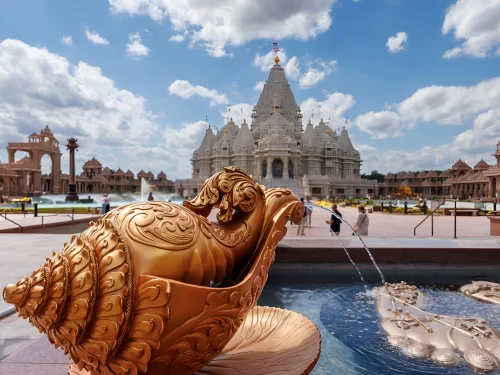
Akshardham Temple Delhi, grand Hindu temple complex with intricate carvings and iconic cultural landmark in India. Temple

Akshardham Temple

Akshardham Temple is a stunning Hindu temple in Delhi, celebrated for its intricate architecture, spiritual ambiance, and cultural exhibitions.
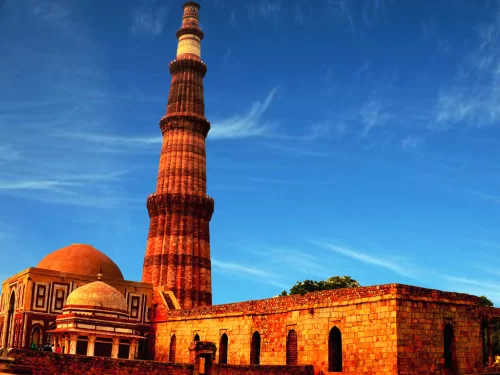
Qutub Minar with Quwwat-ul-Islam Mosque and surrounding sandstone ruins under a vivid blue sky in Delhi, showcasing UNESCO World Heritage Indo-Islamic architecture for Qutub Minar tour packages. Historical Site

Qutub Minar

Qutub Minar is a towering 73-meter-high minaret in Delhi, renowned for its Indo-Islamic architecture and historical significance.
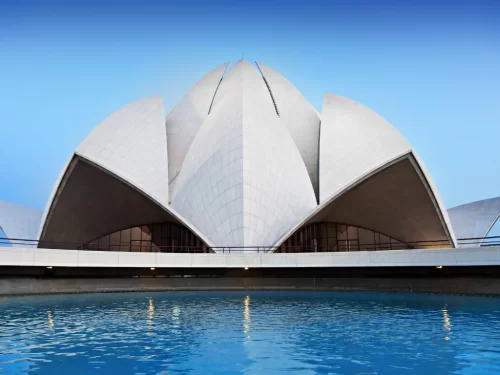
Lotus Temple, New Delhi – elegant white marble lotus petals rising above the tranquil blue reflecting pool, iconic Bahá’í House of Worship and serene highlight of Delhi city tour packages. Tourist Attraction

Lotus Temple

Lotus Temple is a stunning flower-shaped Bahá?í House of Worship in Delhi, renowned for its serene ambiance and architectural beauty.

Frequently Asked Questions About Safdarjung Tomb

Safdarjung Tomb Delhi is located on Aurobindo Marg near Lodhi Road in South Delhi. The monument is easily accessible by road and metro.
Safdarjung Tomb Delhi has an entry fee for both Indian and foreign visitors. Tickets can be purchased at the counter or online through the ASI portal.
Safdarjung Tomb Delhi is open daily from sunrise to sunset. Visitors are generally allowed entry from around 7:00 AM until early evening.
A visit to Safdarjung Tomb Delhi typically takes 1 to 1.5 hours. Visitors exploring the gardens and interior chambers may spend additional time.
Photography is allowed inside Safdarjung Tomb Delhi for personal use. Professional equipment may require prior permission.
The nearest metro station to Safdarjung Tomb Delhi is Jor Bagh on the Yellow Line. The monument is a short auto or taxi ride from the station.
Safdarjung Tomb Delhi is approximately 8 to 10 kilometers from New Delhi Railway Station. Travel time by car usually ranges between 20 to 35 minutes depending on traffic.
Parking facilities are available near Safdarjung Tomb Delhi for cars and two-wheelers. Designated parking areas are located close to the entrance.
Safdarjung Tomb Delhi provides restrooms, drinking water, landscaped gardens, security screening, and designated walking paths within the complex.
Safdarjung Tomb Delhi remains open on most public holidays as it operates daily from sunrise to sunset. Visitors should check official notices for any special restrictions.

Loved this place ? Let’s Plan Your Delhi Trip

Get customized Delhi tour planning designed around traffic flow, seasonal weather comfort, heritage site exploration time, and realistic city pacing. Whether you are visiting for historical monuments, cultural experiences, food walks, shopping districts,

⚡ Quick Response | 💰 Free consultation | 🕒 24×7 expert support

×

Plan Your Trip