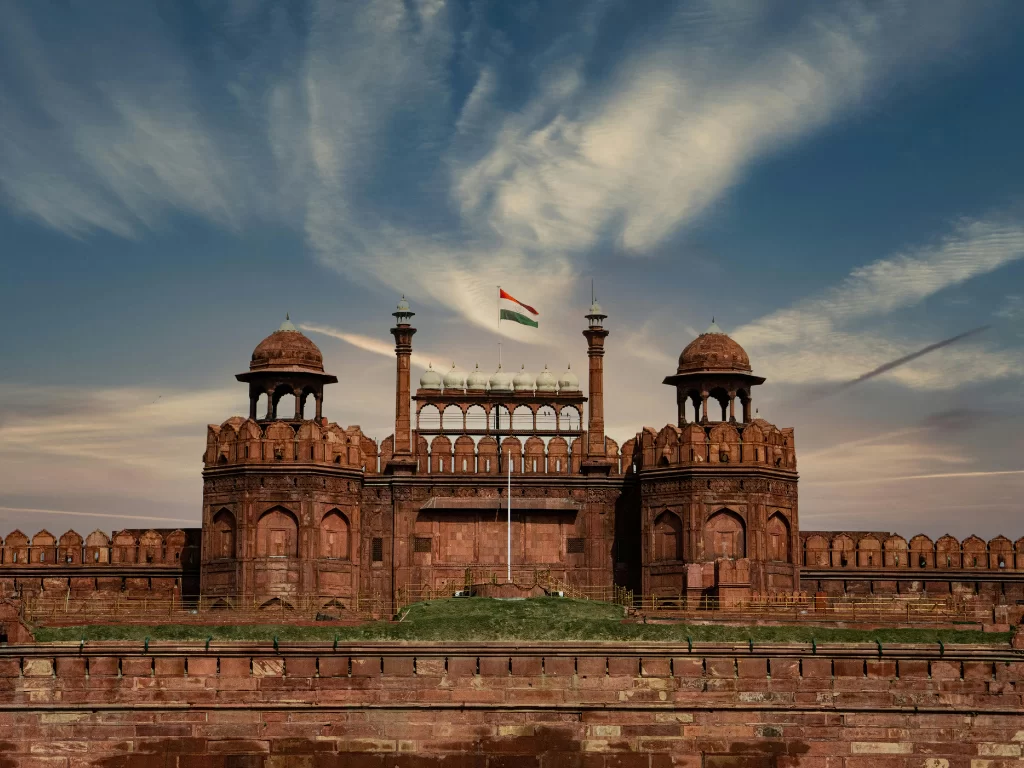
Red Fort Delhi: Historic Mughal Fortress & UNESCO World Heritage Site

Red Fort , Delhi
Located in Old Delhi, the Red Fort was built by Emperor Shah Jahan in 1639 as the main residence of the Mughal emperors. This UNESCO World Heritage Site is famed for its massive red sandstone walls, intricate carvings, and Mughal architectural grandeur. Visitors can explore its museums, the Diwan-i-Aam, Diwan-i-Khas, and enjoy cultural events and light shows that celebrate India\'s heritage. The fort is not only a historical landmark but also a symbol of India’s struggle for independence, with the Prime Minister hoisting the national flag here every Independence Day.

Quick Facts About Red Fort

Entry Fee Paid
Timings 09:30 - 16:30
Altitude (m) 25
Ideal Visit Duration (hrs) 3
Best Time of Day Morning
Crowd Level High
Distance from Connaught Place (km) 3
Walking Difficulty Moderate
Parking Available Yes
Last Mile Access Walk
Suitable for Kids Yes
Suitable for Seniors Yes
Wheelchair Friendly No

Why Visit Red Fort

Red Fort is a symbol of India’s rich Mughal heritage and historical significance. Its massive red sandstone walls, intricate carvings, and grand gates reflect the architectural brilliance of the 17th century. The fort offers visitors a glimpse into royal Mughal life, with impressive structures like Diwan-i-Aam, Diwan-i-Khas, and the museums showcasing artifacts, coins, and paintings. The surrounding gardens and open courtyards provide a serene atmosphere amidst bustling Old Delhi. It is also the site of India’s Independence Day celebrations, making it a place of cultural and patriotic importance that makes every visit memorable.

History of Red Fort

Red Fort, also known as Lal Qila, was constructed by Mughal Emperor Shah Jahan between 1638 and 1648 as the main residence of the Mughal emperors of Delhi. Built entirely of red sandstone, the fort exemplifies Mughal architectural excellence with its massive walls, intricately carved gates, and elegant halls. It served as the political and ceremonial center of the Mughal Empire and witnessed key events in Indian history, including the first hoisting of the Indian national flag by Prime Minister Jawaharlal Nehru on 15 August 1947. Today, it stands as a UNESCO World Heritage Site and a symbol of India’s historical and national significance.

Best Time to Visit Red Fort

The best time to visit Red Fort is during the cooler months from October to March, when Delhi experiences pleasant temperatures ideal for exploring the expansive fort complex and its gardens. Early mornings and late afternoons provide a comfortable atmosphere, fewer crowds, and excellent lighting for photography. Visiting during national holidays or special events can offer a unique experience, though crowd levels will be higher.
  • October to March: Mild temperatures and clear skies make sightseeing enjoyable and comfortable.
  • Early Morning (9:30–11 AM): Quieter, ideal for photography and peaceful exploration.
  • Late Afternoon (3–5 PM): Soft lighting enhances the beauty of red sandstone walls and courtyards.
  • Special Events: Independence Day (15 August) offers a patriotic experience, but expect large crowds.
  • Avoid Summer (April–June): Extremely hot temperatures can make walking around the fort uncomfortable.

How to Reach Red Fort

  • By Air: The nearest airport is Indira Gandhi International Airport (IGI), approximately 16 km away. Taxis and app-based cabs provide direct access to the fort in about 40–50 minutes.
  • By Train: New Delhi Railway Station is ~4 km from Red Fort. Auto-rickshaws, taxis, and cycle-rickshaws can be used for last-mile access.
  • By Metro: The closest stations are Chandni Chowk (Yellow Line) and Lal Qila (Violet Line). Both require a short walk or auto-rickshaw ride to reach the fort entrances.
  • By Bus: Delhi Transport Corporation (DTC) buses connect Red Fort to major city hubs such as Connaught Place, Old Delhi, and Karol Bagh.
  • By Car/Taxi: Accessible via Netaji Subhash Marg, Chandni Chowk, and surrounding roads. Parking is limited near Lahori Gate; metro or walking is recommended during peak hours.
  • Walking/Cycle: For visitors staying in Old Delhi, Red Fort is reachable via a short walk or cycle along safe, wide city streets.

What to Expect When You Visit Red Fort

  • Majestic Architecture: Explore the massive red sandstone walls, grand gates, and intricately carved structures that showcase Mughal architectural brilliance.
  • Historic Halls: Visit Diwan-i-Aam, Diwan-i-Khas, and other royal chambers that were once used for public and private audiences.
  • Museums and Exhibits: Learn about India’s history through the fort’s museums, which display artifacts, coins, paintings, and Mughal-era relics.
  • Expansive Courtyards and Gardens: Wander through open courtyards and lush gardens ideal for photography and leisurely walks.
  • Evening Light and Sound Show: Experience the fort’s history through an engaging audio-visual presentation available in multiple languages.
  • Crowd Levels: Moderate on weekdays, high on weekends and national holidays, especially during Independence Day celebrations.
  • Accessibility: Some paved paths suitable for seniors and children; partial wheelchair access is available in main areas.
  • Nearby Attractions: Close to Chandni Chowk and Old Delhi markets, making it easy to combine with local sightseeing.

Important Visitor Information

  • Crowd & Weather Notes: Red Fort is busiest on weekends, holidays, and national events. The best weather for visiting is from October to March, with mild temperatures and clear skies. Summers (April–June) can be extremely hot and uncomfortable for long walks.
  • Peak / Quiet Hours: Peak visiting hours are 11:00 AM–4:00 PM. Early mornings (9:30–11:00 AM) are quieter and ideal for photography and leisurely exploration.
  • Dress Code: No formal dress code, but comfortable clothing and walking shoes are recommended. Light attire is advisable in summer; layered clothing works best in winter mornings and evenings.
  • Safety Notes: The fort is generally safe for visitors, with security checks at entrances. Keep an eye on personal belongings, especially in crowded areas, and be cautious on uneven or sloped paths.

Photography and Viewpoint

  • Front Facade Shots: Capture the grandeur of the Red Fort’s Lahori Gate and massive red sandstone walls, especially during early morning light.
  • Courtyard Perspectives: Wide-angle shots from the Diwan-i-Aam and open courtyards provide dramatic views of Mughal architecture and sprawling spaces.
  • Sunrise & Sunset: Soft golden light enhances the red sandstone’s textures and creates stunning photos of gates, walls, and gardens.
  • Evening Photography: The fort is beautifully illuminated after sunset, offering excellent opportunities for night photography with ambient city lights.
  • Close-Up Details: Focus on intricate carvings, domes, arches, and engraved motifs for detailed architectural shots.
  • Panoramic Views: Viewpoints near the surrounding gardens and pathways allow wide shots including the fort and surrounding Old Delhi skyline.
  • Restrictions: Drone photography is prohibited for security reasons. Stick to ground-level photography and follow signage.
  • Equipment Tips: DSLRs or mirrorless cameras are ideal, but smartphones with wide-angle and night mode also work well for both day and evening captures.
  • Unique Perspectives: Experiment with angles from ramparts, staircases, and terraces to capture depth and symmetry in the fort’s design.

Near By Attraction

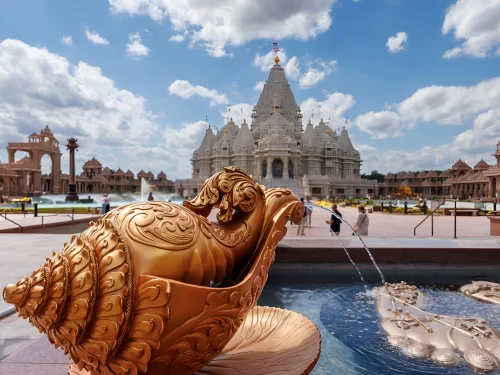
Akshardham Temple Delhi, grand Hindu temple complex with intricate carvings and iconic cultural landmark in India. Temple

Akshardham Temple

Akshardham Temple is a stunning Hindu temple in Delhi, celebrated for its intricate architecture, spiritual ambiance, and cultural exhibitions.
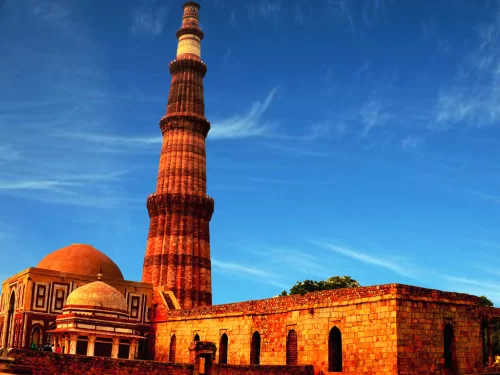
Qutub Minar with Quwwat-ul-Islam Mosque and surrounding sandstone ruins under a vivid blue sky in Delhi, showcasing UNESCO World Heritage Indo-Islamic architecture for Qutub Minar tour packages. Historical Site

Qutub Minar

Qutub Minar is a towering 73-meter-high minaret in Delhi, renowned for its Indo-Islamic architecture and historical significance.
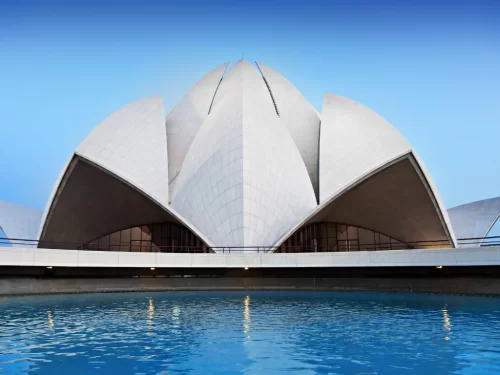
Lotus Temple, New Delhi – elegant white marble lotus petals rising above the tranquil blue reflecting pool, iconic Bahá’í House of Worship and serene highlight of Delhi city tour packages. Tourist Attraction

Lotus Temple

Lotus Temple is a stunning flower-shaped Bahá?í House of Worship in Delhi, renowned for its serene ambiance and architectural beauty.

Frequently Asked Questions About Red Fort

Red Fort Delhi is located in Old Delhi near Chandni Chowk. The monument stands along Netaji Subhash Marg and is easily accessible by road and metro.
Red Fort Delhi has an entry fee for both Indian and foreign visitors. Tickets can be purchased at the counter or online through the ASI ticketing portal.
Red Fort Delhi is open from Tuesday to Sunday and remains closed on Mondays. Visiting hours generally begin around 9:30 AM and continue until late afternoon.
A complete visit to Red Fort Delhi usually takes 2 to 3 hours. Visitors exploring museums and exhibition areas may require additional time.
Photography is allowed inside Red Fort Delhi for personal use. Tripods and professional equipment may require special permission from authorities.
The nearest metro station to Red Fort Delhi is Lal Qila Metro Station on the Violet Line. Chandni Chowk Metro Station on the Yellow Line is also nearby.
Red Fort Delhi is approximately 5 to 7 kilometers from New Delhi Railway Station. Travel time by car usually ranges between 20 to 30 minutes depending on traffic.
Parking facilities are available near Red Fort Delhi for cars and two-wheelers. Paid parking areas are located close to the main entrance.
Red Fort Delhi provides restrooms, drinking water, security screening, museums, and designated walking paths within the complex.
Red Fort Delhi remains open on most public holidays except Mondays. Visitors should check official notices for special restrictions during national events.

Loved this place ? Let’s Plan Your Delhi Trip

Get customized Delhi tour planning designed around traffic flow, seasonal weather comfort, heritage site exploration time, and realistic city pacing. Whether you are visiting for historical monuments, cultural experiences, food walks, shopping districts,

⚡ Quick Response | 💰 Free consultation | 🕒 24×7 expert support

×

Plan Your Trip