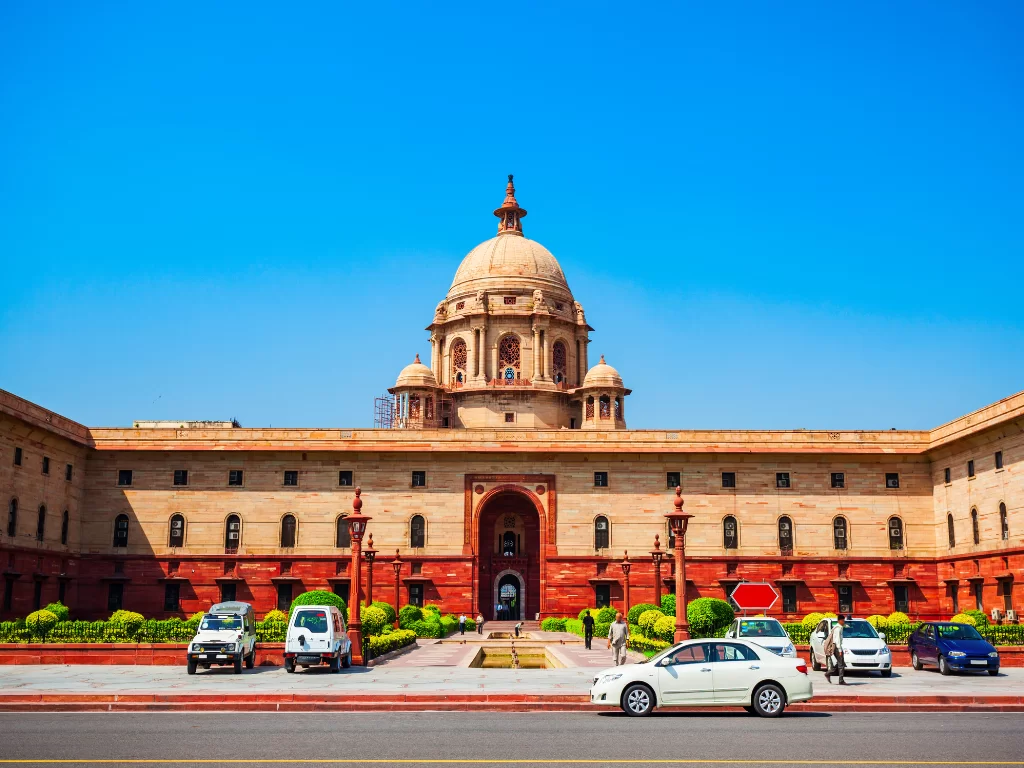
Rashtrapati Bhavan – Iconic Presidential Residence in Delhi

Rashtrapati Bhavan , Delhi
Rashtrapati Bhavan, located at the heart of New Delhi, is one of the largest and most impressive presidential residences in the world. Designed by British architect Edwin Lutyens during the colonial era, it combines classical and Mughal architectural elements. The estate includes the magnificent Mughal Gardens, vast courtyards, and stately halls that reflect India’s rich heritage and contemporary governance. Visitors can explore select areas of the Rashtrapati Bhavan, including guided tours of the museum, gardens, and ceremonial spaces, offering insights into India’s political history, architecture, and art. The site is a major attraction for both history enthusiasts and tourists seeking a glimpse of India’s highest official residence.

Quick Facts About Rashtrapati Bhavan

Entry Fee INR 50
Timings 09:00 - 16:00
Altitude (m) 216
Ideal Visit Duration (hrs) 3
Best Time of Day Morning
Crowd Level Moderate
Distance from Connaught Place (km) 3
Walking Difficulty Moderate
Parking Available Yes
Last Mile Access Metro
Suitable for Kids Yes
Suitable for Seniors Yes
Wheelchair Friendly Yes

Why Visit Rashtrapati Bhavan

Rashtrapati Bhavan is not only the official residence of the President of India but also a symbol of India’s rich architectural heritage and political history. Visitors come to admire its grandiose design, sprawling gardens, and the ceremonial spaces that reflect the nation’s democratic legacy.

Atmosphere

The atmosphere at Rashtrapati Bhavan combines stately elegance with serene natural beauty. The well-manicured Mughal Gardens, wide courtyards, and tree-lined avenues create a tranquil environment for leisurely walks, photography, and reflection. During guided tours, visitors can sense the blend of historical prestige and contemporary governance.

What Makes It Special

Rashtrapati Bhavan is special for its architectural grandeur, historical significance, and cultural richness. Designed by Sir Edwin Lutyens, it features a unique fusion of classical Western and Indian Mughal styles, making it one of the world’s largest presidential residences. The Mughal Gardens, the Durbar Hall, and the art and artifact displays provide visitors with an immersive experience of India’s history, governance, and aesthetic excellence. Seasonal events like the annual flower show in the gardens add to its charm and make it a must-visit landmark in Delhi.

History of Rashtrapati Bhavan

Rashtrapati Bhavan was designed by British architect Sir Edwin Lutyens and completed in 1929 as the residence of the Viceroy of India during the British colonial period. Following India’s independence in 1947, it became the official residence of the President of India. The building is an iconic symbol of India’s political history and governance.

The complex covers 330 acres and includes the main building, Mughal Gardens, courtyards, and residential quarters. Its architecture blends classical Western design with Indian Mughal motifs, featuring domes, columns, and intricate stonework that reflect a fusion of imperial and local styles. Over the decades, Rashtrapati Bhavan has hosted important national ceremonies, foreign dignitaries, and state functions, solidifying its place as a central landmark in India’s democratic and cultural heritage.

Visitors today can explore selected areas through guided tours, including the Mughal Gardens, museum rooms, and ceremonial halls, gaining insight into India’s history, art, and governance. The estate’s grandeur and historical significance make it a major attraction in Delhi for tourists and scholars alike.

Best Time to Visit Rashtrapati Bhavan

The ideal time to visit Rashtrapati Bhavan is during the cooler months from October to March, when Delhi experiences mild and pleasant weather. This period allows visitors to comfortably explore the Mughal Gardens, open courtyards, and the expansive estate while enjoying outdoor photography and guided tours.

Morning visits are particularly recommended for those who wish to experience the gardens at their most serene, while late afternoons provide soft lighting for photography and a relaxed atmosphere. Seasonal events, such as the annual flower show in February–March, are highlights for garden enthusiasts.
  • October to March offers the most comfortable weather for exploring the estate and gardens
  • Morning visits provide a tranquil environment and excellent photography opportunities
  • Late afternoons are ideal for relaxed walks and capturing the architecture in soft light
  • The annual flower show in the Mughal Gardens during February–March is a major attraction
  • Weekdays are less crowded, offering a more peaceful visit compared to weekends and public holidays

How to Reach Rashtrapati Bhavan

  • By Metro: The nearest metro station is Central Secretariat on the Yellow and Violet Lines, just 1 km from Rashtrapati Bhavan. From the station, visitors can walk or take an auto-rickshaw to reach the main entrance.
  • By Bus: Delhi Transport Corporation (DTC) buses regularly operate on routes passing near Connaught Place and the Secretariat area. Alight at Rashtrapati Bhavan or nearby stops and walk a short distance to the entrance.
  • By Car or Taxi: Rashtrapati Bhavan is accessible via Rajpath, Krishna Menon Marg, and Ashoka Road. Private vehicles, taxis, or app-based cabs can drop visitors at the designated visitor entrance. Limited parking is available for pre-booked tour groups.
  • By Bicycle or Walking: The area around Raistrapati Bhavan is pedestrian-friendly, and nearby residents or tourists can reach the estate via walking or cycling along Rajpath.
  • From Airport: Indira Gandhi International Airport is approximately 16 km away. Visitors can take a taxi or a combination of metro (Yellow Line) and walking for convenient access.

What to Expect When You Visit Rashtrapati Bhavan

  • Grand Architecture: Visitors will witness the majestic Lutyens-designed building, with its domes, columns, and intricate stonework blending classical Western and Indian Mughal architectural styles.
  • Mughal Gardens: The beautifully landscaped gardens are filled with seasonal flowers, tree-lined avenues, fountains, and water channels, offering a serene environment and excellent photography opportunities.
  • Ceremonial Spaces: Selected areas of the Rashtrapati Bhavan, such as the Durbar Hall and museum rooms, are accessible during guided tours, providing insights into India’s governance and historical legacy.
  • Photography Opportunities: The estate’s gardens, courtyards, and architectural details offer multiple angles for photography, especially during morning and late afternoon visits.
  • Guided Tours: Visitors can expect informative guided tours that explain the history, architecture, and cultural significance of the Rashtrapati Bhavan estate.
  • Family-Friendly Environment: The estate is suitable for all ages, with spacious pathways and gardens where children and seniors can enjoy a peaceful stroll.

Important Visitor Information

  • Crowd & Weather Notes: Rashtrapati Bhavan experiences moderate to high crowds, especially on weekends, public holidays, and during the annual Mughal Gardens flower show. The best time to visit is from October to March when the weather is cool and pleasant.
  • Peak / Quiet Hours: Peak hours are mid-morning to early afternoon (10:00 AM – 2:00 PM) during guided tours and photography sessions. Weekday mornings are relatively quieter and ideal for a more peaceful experience.
  • Dress Code: Modest and respectful clothing is recommended, as it is a formal government residence. Comfortable walking shoes are advised for touring gardens and courtyards.
  • Safety Notes: The estate is generally safe for visitors. Maintain caution around fountains, water channels, and uneven pathways. Follow instructions from guides and security personnel, and supervise children closely during tours.

Photography and Viewpoint at Rashtrapati Bhavan

  • Architectural Marvel: Rashtrapati Bhavan’s Lutyens-designed facade, domes, columns, and intricate stonework provide excellent opportunities for architectural photography, capturing the grandeur of India’s presidential residence.
  • Best Time for Photography: Early mornings and late afternoons offer soft, natural light that highlights the golden accents, gardens, and reflective surfaces, ideal for both wide-angle and close-up shots.
  • Mughal Gardens: The Mughal Gardens are highly photogenic, featuring seasonal flowers, fountains, and tree-lined avenues. Elevated viewpoints and open lawns allow photographers to frame the gardens against the palace backdrop.
  • Ceremonial Halls: Interior photography of select areas, such as the Durbar Hall and museum rooms, captures rich historical and artistic details, including paintings, sculptures, and ceremonial artifacts.
  • Seasonal Highlights: During the annual flower show (February–March), vibrant floral displays create dynamic and colorful photography opportunities, attracting both professional and amateur photographers.
  • Tips for Visitors: Carry a camera with adjustable ISO for low-light interiors, use handheld stabilization, and respect restricted areas. Early arrival helps avoid crowds for unobstructed shots.

Near By Attraction

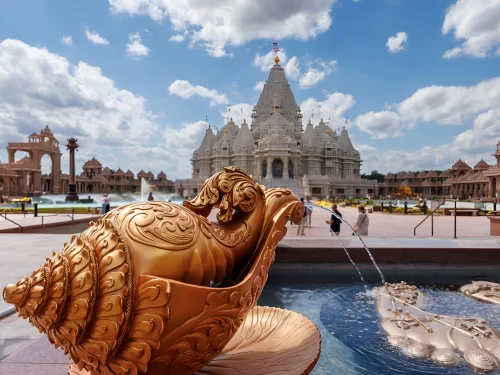
Akshardham Temple Delhi, grand Hindu temple complex with intricate carvings and iconic cultural landmark in India. Temple

Akshardham Temple

Akshardham Temple is a stunning Hindu temple in Delhi, celebrated for its intricate architecture, spiritual ambiance, and cultural exhibitions.
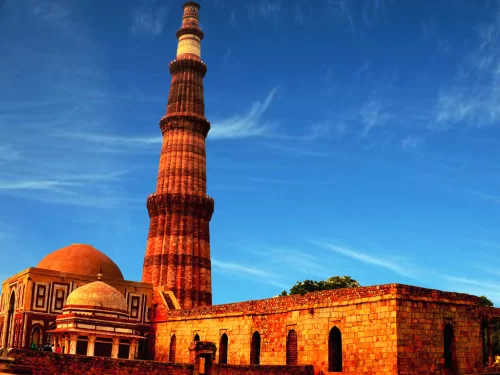
Qutub Minar with Quwwat-ul-Islam Mosque and surrounding sandstone ruins under a vivid blue sky in Delhi, showcasing UNESCO World Heritage Indo-Islamic architecture for Qutub Minar tour packages. Historical Site

Qutub Minar

Qutub Minar is a towering 73-meter-high minaret in Delhi, renowned for its Indo-Islamic architecture and historical significance.
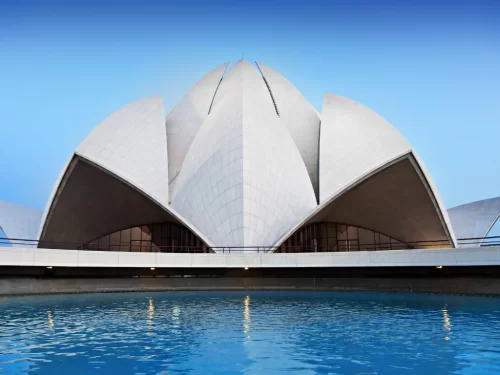
Lotus Temple, New Delhi – elegant white marble lotus petals rising above the tranquil blue reflecting pool, iconic Bahá’í House of Worship and serene highlight of Delhi city tour packages. Tourist Attraction

Lotus Temple

Lotus Temple is a stunning flower-shaped Bahá?í House of Worship in Delhi, renowned for its serene ambiance and architectural beauty.

Frequently Asked Questions About Rashtrapati Bhavan

Rashtrapati Bhavan Delhi is located at the western end of Kartavya Path in Central Delhi. The presidential estate stands atop Raisina Hill and is accessible by road.
Rashtrapati Bhavan Delhi requires prior online booking for entry to specific sections. Entry fees vary depending on the circuit selected for the visit.
Rashtrapati Bhavan Delhi is open for public visits on select days from Thursday to Sunday. Timings depend on the circuit booked and security clearance.
A guided visit to Rashtrapati Bhavan Delhi usually takes 1 to 2 hours. The duration depends on the circuit and areas included in the booking.
Photography inside Rashtrapati Bhavan Delhi is generally restricted in interior sections. Visitors should follow official guidelines provided during booking.
The nearest metro station to Rashtrapati Bhavan Delhi is Central Secretariat on the Yellow and Violet Lines. The estate is a short auto or taxi ride from the station.
Rashtrapati Bhavan Delhi is approximately 4 to 6 kilometers from New Delhi Railway Station. Travel time by car usually ranges between 15 to 25 minutes depending on traffic.
Parking near Rashtrapati Bhavan Delhi is available in designated public areas around Kartavya Path. Visitor parking inside the estate is regulated.
Rashtrapati Bhavan Delhi provides guided tours, security screening, restrooms in designated areas, and structured visitor entry points.
The Mughal Gardens at Rashtrapati Bhavan Delhi open to the public seasonally, usually between February and March. Entry requires prior online registration.

Loved this place ? Let’s Plan Your Delhi Trip

Get customized Delhi tour planning designed around traffic flow, seasonal weather comfort, heritage site exploration time, and realistic city pacing. Whether you are visiting for historical monuments, cultural experiences, food walks, shopping districts,

⚡ Quick Response | 💰 Free consultation | 🕒 24×7 expert support

×

Plan Your Trip