Raj Ghat Delhi – Gandhi Memorial and Historic Landmark

Raj Ghat Memorial , Delhi
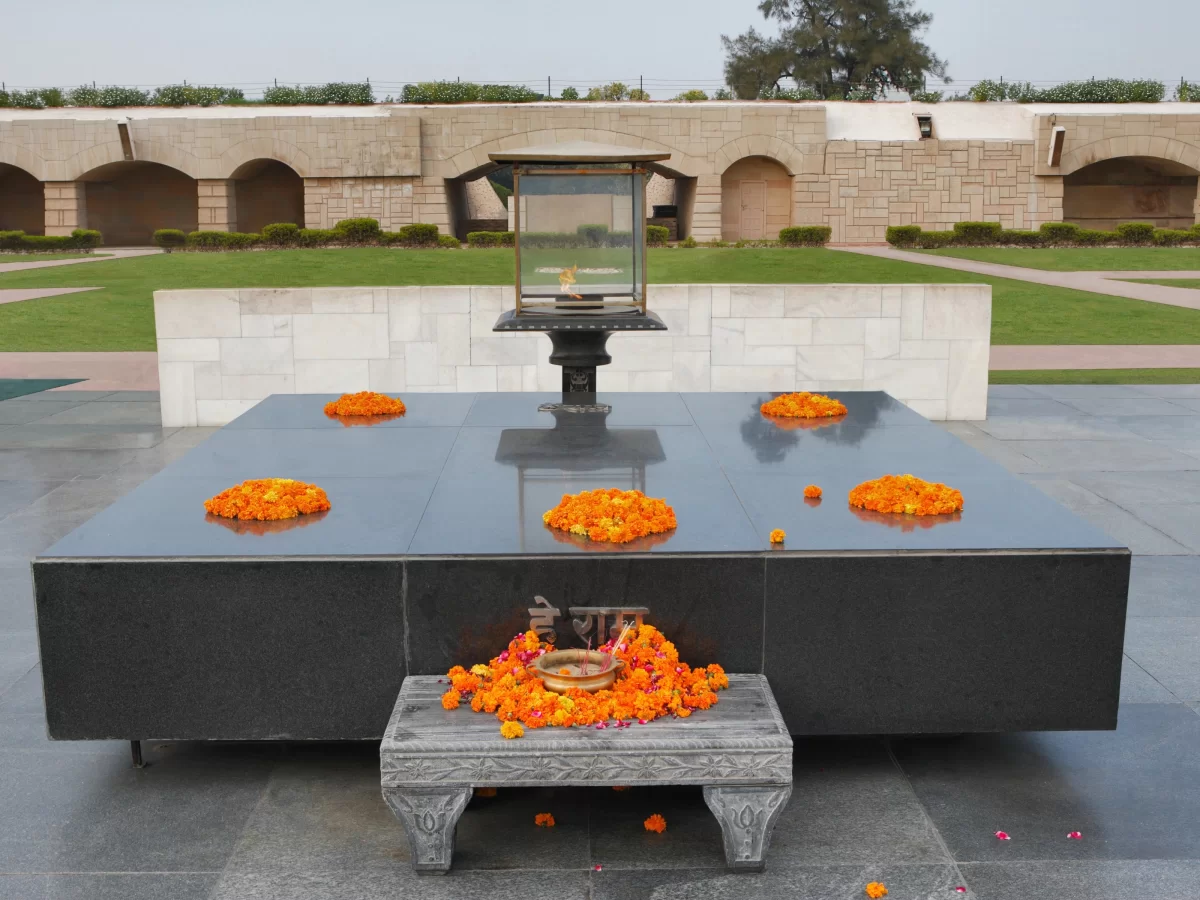
Located on the banks of the Yamuna River, Raj Ghat is a simple black marble platform set amidst lush gardens, symbolizing peace and remembrance. The memorial commemorates Mahatma Gandhi, the Father of the Nation, and attracts visitors from India and around the world. Nearby, memorials of other notable leaders and freedom fighters can also be found. Raj Ghat offers a tranquil environment for reflection, historical insight, and cultural understanding, making it a significant stop in Delhi’s heritage trail.

Quick Facts About Raj Ghat Memorial

Entry Fee Free
Timings 06:00 - 19:00
Altitude (m) 216
Ideal Visit Duration (hrs) 1
Best Time of Day Morning
Crowd Level Moderate
Distance from Connaught Place (km) 3
Walking Difficulty Easy
Parking Available Yes
Last Mile Access Walk
Suitable for Kids Yes
Suitable for Seniors Yes
Wheelchair Friendly Yes

Why Visit Raj Ghat

Why Visit: Raj Ghat is a symbol of peace, non-violence, and the enduring legacy of Mahatma Gandhi. Visitors come to pay homage, reflect on India’s freedom struggle, and experience a serene environment in the heart of bustling Delhi.

Atmosphere: The memorial is set amidst well-maintained gardens, offering a tranquil and contemplative ambiance. The black marble platform, with an eternal flame, creates a solemn and respectful setting for remembrance.

What Makes it Special: Raj Ghat is not just a historical site, but a living tribute to Mahatma Gandhi. Its simplicity, serene gardens, proximity to other national memorials, and the opportunity to learn about India’s freedom movement make it a must-visit destination for history enthusiasts, students, and tourists seeking cultural insight.

History of Raj Ghat

Raj Ghat marks the cremation site of Mahatma Gandhi, the Father of the Nation, following his assassination on January 30, 1948. The memorial was constructed as a simple black marble platform, symbolizing Gandhi’s principles of simplicity and non-violence, with an eternal flame burning at one end to honor his memory.

Over time, the site has become a central location for national ceremonies, tributes, and commemorations on important dates such as Gandhi Jayanti and Martyrs’ Day. The surrounding gardens provide a peaceful environment for reflection, and nearby memorials honor other prominent leaders of India’s freedom struggle. Raj Ghat remains an enduring symbol of India’s independence movement and the philosophy of Mahatma Gandhi, attracting visitors who wish to pay their respects and learn about the nation’s history.

Best Time to Visit Raj Ghat

The best time to visit Raj Ghat is during Delhi’s cooler months from October to March. The pleasant weather makes walking through the gardens and exploring the memorial comfortable. Early mornings and late afternoons offer a peaceful environment and ideal lighting for photography.
  • Morning Hours (6:00?AM–9:00?AM): Experience serenity and minimal crowds, perfect for reflection and photography.
  • Late Afternoon (4:00?PM–6:00?PM): Soft lighting and calm surroundings enhance the visitor experience.
  • Winter Season (October–March): Pleasant temperatures make it the most comfortable time to explore the gardens and memorial.
  • Avoid Summer (April–June): High temperatures and humidity may make visiting uncomfortable.
  • Special Occasions: Gandhi Jayanti (October 2) and other national events draw larger crowds but offer a unique ceremonial experience.

How to Reach Raj Ghat

  • By Metro: The nearest metro station is **Indraprastha Metro Station** (Blue Line), approximately 2 km away. From there, taxis or auto-rickshaws can reach Raj Ghat in 5–10 minutes.
  • By Train: **New Delhi Railway Station** is about 5 km away. Visitors can hire taxis, auto-rickshaws, or use app-based cabs to reach the memorial.
  • By Air: **Indira Gandhi International Airport (DEL)** is roughly 20 km from Raj Ghat. Pre-booked taxis or app-based cabs are recommended for a direct and comfortable journey.
  • By Road: Well-connected via city roads. Private vehicles, taxis, and buses can reach nearby drop-off points. Limited parking is available near the memorial.
  • Last Mile Access: Auto-rickshaws, cycle rickshaws, and e-rickshaws provide easy access within short distances, especially for navigating nearby streets.

What to Expect When You Visit Raj Ghat

  • Serene Atmosphere: Raj Ghat offers a tranquil environment with well-maintained gardens and pathways, ideal for reflection and quiet walks.
  • Historical Significance: Visitors can witness the black marble platform marking Mahatma Gandhi’s cremation site, with an eternal flame honoring his legacy.
  • Nearby Memorials: Explore memorials dedicated to other prominent Indian leaders, providing insight into the nation’s freedom struggle and modern history.
  • Photography Opportunities: The gardens, pathways, and solemn memorial create excellent opportunities for respectful and scenic photography.
  • Educational Experience: Learn about Mahatma Gandhi’s life, principles, and the values of non-violence and peace through plaques, displays, and guided tours.
  • Accessibility: Easy walking paths suitable for seniors and children, with partially wheelchair-accessible areas.

Important Visitor Information for Raj Ghat

  • Crowd & Weather Notes: The site is moderately crowded throughout the day, with higher visitors on national holidays and commemorative events like Gandhi Jayanti. Best visited during October–March for pleasant weather.
  • Peak / Quiet Hours: Early morning (6:00?AM–9:00?AM) offers a peaceful experience. Midday can see moderate crowds, while evenings are calmer for reflection and photography.
  • Dress Code: Visitors are advised to wear modest, comfortable clothing suitable for walking and respectful of the solemn nature of the memorial.
  • Safety Notes: The memorial is generally safe. Keep an eye on personal belongings in crowds, and follow guidelines from staff. Use official transport for last-mile access to nearby areas.

Photography and Viewpoint at Raj Ghat

  • Serene Garden Views: Capture the well-maintained gardens, pathways, and lush greenery surrounding the memorial, perfect for wide-angle shots and peaceful compositions.
  • Memorial Photography: The black marble platform with the eternal flame provides a solemn and symbolic subject. Respect the sanctity while photographing.
  • Early Morning Light: Early hours offer soft natural light, minimal shadows, and fewer crowds, ideal for tranquil and reflective images.
  • Commemorative Events: Special ceremonies like Gandhi Jayanti provide unique photography opportunities to capture cultural rituals and national tributes.
  • Tips: Use respectful angles, avoid intrusive photography of visitors, and keep cameras steady for detailed shots of the marble platform and inscriptions.

Near By Attraction

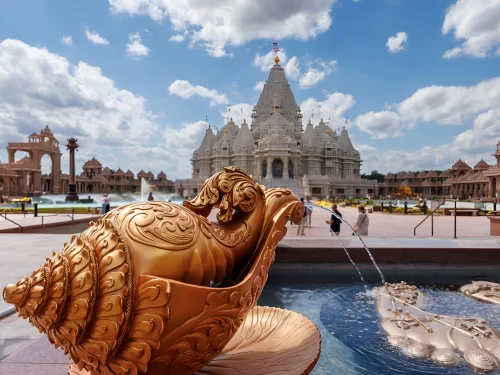
Akshardham Temple Delhi, grand Hindu temple complex with intricate carvings and iconic cultural landmark in India. Temple

Akshardham Temple

Akshardham Temple is a stunning Hindu temple in Delhi, celebrated for its intricate architecture, spiritual ambiance, and cultural exhibitions.
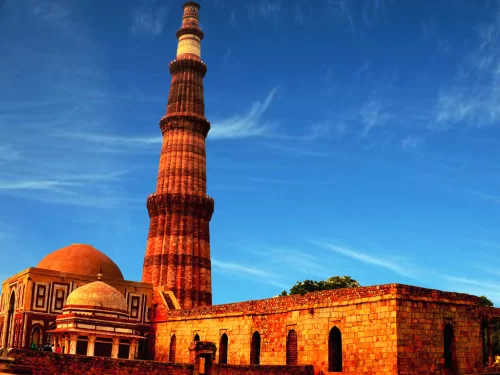
Qutub Minar with Quwwat-ul-Islam Mosque and surrounding sandstone ruins under a vivid blue sky in Delhi, showcasing UNESCO World Heritage Indo-Islamic architecture for Qutub Minar tour packages. Historical Site

Qutub Minar

Qutub Minar is a towering 73-meter-high minaret in Delhi, renowned for its Indo-Islamic architecture and historical significance.
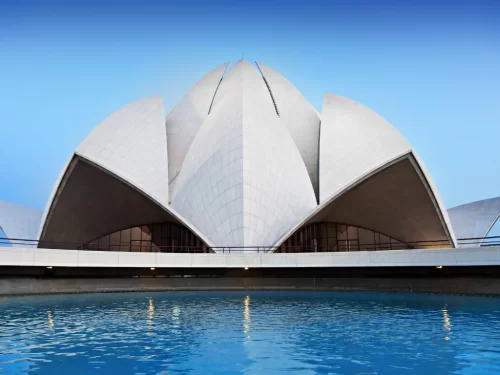
Lotus Temple, New Delhi – elegant white marble lotus petals rising above the tranquil blue reflecting pool, iconic Bahá’í House of Worship and serene highlight of Delhi city tour packages. Tourist Attraction

Lotus Temple

Lotus Temple is a stunning flower-shaped Bahá?í House of Worship in Delhi, renowned for its serene ambiance and architectural beauty.

Frequently Asked Questions About Raj Ghat Memorial

Raj Ghat Memorial Delhi is located on Mahatma Gandhi Road near the banks of the Yamuna River in Old Delhi. The memorial is situated close to Ring Road and is easily accessible by road.
There is no entry fee to visit Raj Ghat Memorial Delhi. Visitors can enter the memorial complex free of charge.
Raj Ghat Memorial Delhi is open daily from early morning until evening. Visiting hours generally begin around 6:00 AM and continue until sunset.
A visit to Raj Ghat Memorial Delhi typically takes 30 minutes to 1 hour. Visitors may spend additional time walking through the landscaped gardens.
Photography is allowed at Raj Ghat Memorial Delhi for personal use. Visitors should maintain decorum while taking photographs within the premises.
The nearest metro station to Raj Ghat Memorial Delhi is Delhi Gate Metro Station on the Violet Line. Visitors can take an auto or taxi from the station to reach the memorial.
Raj Ghat Memorial Delhi is approximately 4 to 6 kilometers from New Delhi Railway Station. Travel time by car usually ranges between 15 to 25 minutes depending on traffic.
Parking facilities are available near Raj Ghat Memorial Delhi for cars and buses. Designated parking areas are located close to the entrance.
Raj Ghat Memorial Delhi provides landscaped gardens, walking paths, security screening, and basic restroom facilities for visitors.
Raj Ghat Memorial Delhi remains open on most public holidays as it operates daily. Visitors should check official notices for any special restrictions during national events.

Loved this place ? Let’s Plan Your Delhi Trip

Get customized Delhi tour planning designed around traffic flow, seasonal weather comfort, heritage site exploration time, and realistic city pacing. Whether you are visiting for historical monuments, cultural experiences, food walks, shopping districts,

⚡ Quick Response | 💰 Free consultation | 🕒 24×7 expert support

×

Plan Your Trip