Nehru Memorial Museum Delhi – Teen Murti Bhavan & India’s Modern History

Nehru Memorial Museum , Delhi
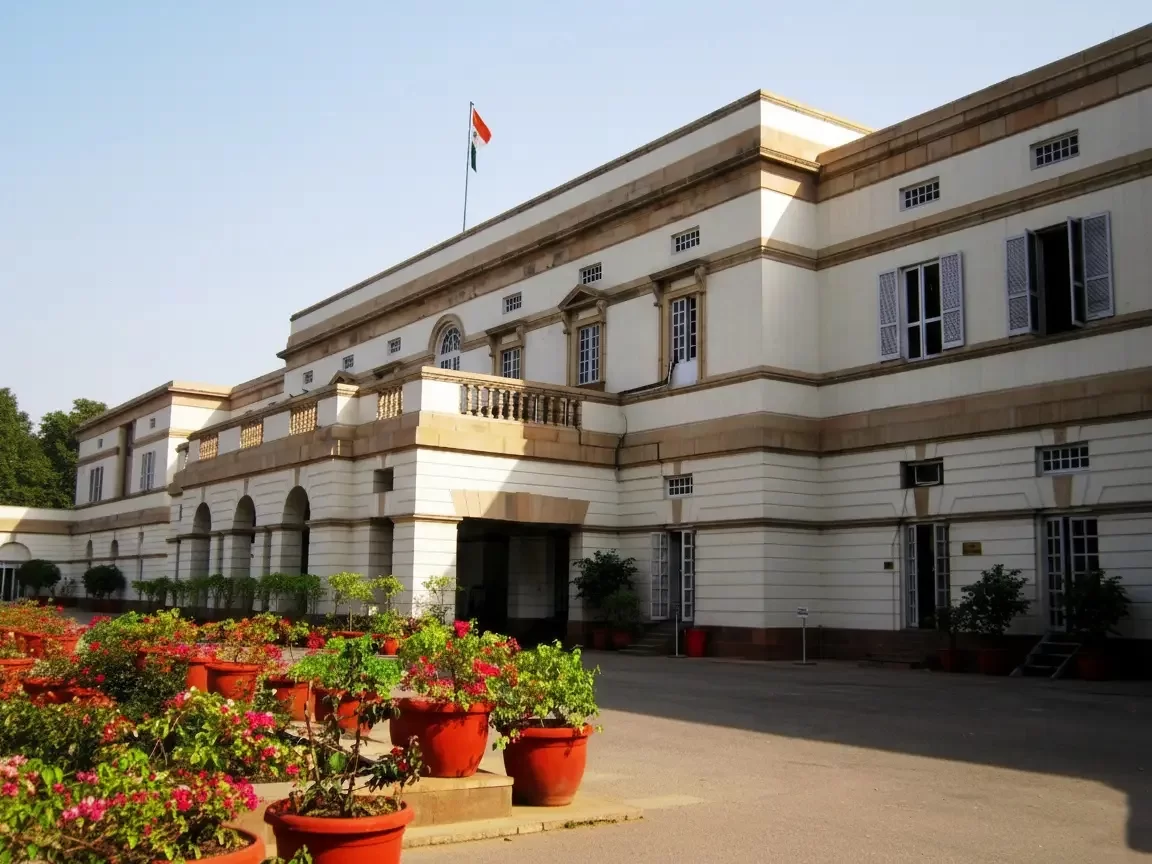
Located at Teen Murti Bhavan, the former official residence of Jawaharlal Nehru, the Nehru Memorial Museum offers a deep insight into India’s freedom struggle and early years after independence. The museum displays personal belongings, photographs, letters, and multimedia exhibits related to Nehru and other national leaders. Surrounded by well-maintained gardens, it serves as an important educational and historical site for visitors interested in modern Indian history.

Quick Facts About Nehru Memorial Museum

Entry Fee Free
Timings 10:00 - 17:00
Altitude (m) 216
Ideal Visit Duration (hrs) 2
Best Time of Day Morning
Crowd Level Moderate
Distance from Connaught Place (km) 4
Walking Difficulty Easy
Parking Available Yes
Last Mile Access Metro
Suitable for Kids Yes
Suitable for Seniors Yes
Wheelchair Friendly Yes

Why Visit

Why Visit

The Nehru Memorial Museum offers a unique opportunity to understand the life and vision of Jawaharlal Nehru, India’s first Prime Minister. Through original documents, photographs, and personal belongings, visitors gain insight into India’s journey from independence to nation-building.

Atmosphere

The museum is set within the peaceful grounds of Teen Murti Bhavan, surrounded by manicured gardens and quiet pathways. The calm and reflective environment allows visitors to explore history at a relaxed pace, away from the bustle of central Delhi.

What Makes It Special

Housed in Nehru’s former residence, the museum preserves authentic living spaces and artifacts that bring history to life. Its combination of heritage architecture, curated exhibitions, and serene surroundings makes it a meaningful destination for students, researchers, and history enthusiasts.

History

The Nehru Memorial Museum is located at Teen Murti Bhavan, a historic building constructed in the 1930s as the official residence of the British Commander-in-Chief in India. After India gained independence in 1947, the residence was allocated to Jawaharlal Nehru, who lived here until his death in 1964.

In 1964, the Government of India converted Teen Murti Bhavan into a memorial museum to honor Nehru’s life and contributions to the nation. The museum was opened to the public in 1967, preserving Nehru’s personal rooms, library, and belongings exactly as they were during his lifetime.

Over time, the site evolved into an important center for documenting India’s freedom struggle and early post-independence governance. Today, the museum and its archives serve as a valuable resource for researchers, students, and visitors interested in modern Indian history and leadership.

Best Time to Visit

The Nehru Memorial Museum can be visited throughout the year, but choosing the right season and time of day enhances comfort and allows visitors to explore the galleries and gardens at a relaxed pace.
  • October to March – Best Season: Winter months offer pleasant weather, making it ideal to explore both the indoor museum exhibits and the outdoor gardens without discomfort.
  • Morning Hours: Visiting between 10:00 AM and 12:00 PM provides a calm experience with fewer visitors and ample time to explore the exhibits in detail.
  • Weekdays: Weekdays are quieter compared to weekends and school holidays, allowing for a more peaceful and immersive visit.
  • Summer Months (April – June): Summers can be hot in Delhi; however, indoor galleries remain comfortable. Early morning visits are recommended if visiting during this period.
  • Monsoon Season (July – September): Light rains add freshness to the surrounding gardens, though indoor exhibits remain the primary attraction during this time.

How to Reach

  • By Metro: The nearest metro station is Central Secretariat (Yellow and Violet Lines), about 2 km away. From the station, visitors can take an auto-rickshaw or taxi to reach Teen Murti Bhavan.
  • By Bus: Several DTC buses operate from Connaught Place, India Gate, and nearby areas. Bus stops near Teen Murti House provide convenient access with a short walk to the museum.
  • By Taxi / App-Based Cabs: App-based cabs such as Uber and Ola are easily available across Delhi and can drop visitors directly at the museum entrance.
  • By Car: The museum is located near Teen Murti Circle. Limited parking is available within the premises, so arriving early or using public transport is recommended.
  • From Railway Stations: New Delhi Railway Station is approximately 6 km away. A taxi or metro ride offers a convenient way to reach the museum.
  • From Indira Gandhi International Airport: The airport is about 14 km away. A taxi or app-based cab typically takes 30–45 minutes depending on traffic conditions.

What to Expect When You Visit

  • Preserved Living Spaces: Visitors can explore Jawaharlal Nehru’s former residence, including his study, bedroom, and library, maintained in their original condition.
  • Historical Exhibits: The museum displays photographs, letters, books, manuscripts, and personal belongings that document Nehru’s life and India’s early years after independence.
  • Educational Experience: Informative panels and multimedia presentations provide context on India’s freedom movement and post-independence governance.
  • Peaceful Surroundings: The museum is set amid quiet, well-maintained gardens that allow visitors to relax and reflect between gallery visits.
  • Guided Tours: Guided tours and educational programs are occasionally available, offering deeper insight into the exhibits and historical significance.
  • Visitor-Friendly Layout: Clearly marked pathways, seating areas, and accessible entrances ensure a comfortable visit for all age groups.
  • Visit Duration: Most visitors spend 1.5 to 2 hours exploring the museum and its surroundings at a leisurely pace.

Important Visitor Information

  • Crowd & Weather Notes: The museum generally experiences low to moderate crowds. Visitor numbers increase during weekends, school visits, and national holidays. Weather affects mainly the outdoor gardens—winters are pleasant, summers can be warm, and monsoon months may bring humidity.
  • Peak / Quiet Hours: Peak hours are usually late mornings to early afternoons, especially on weekends. The quietest time to visit is on weekday mornings soon after opening, offering a calm and reflective experience.
  • Dress Code: There is no strict dress code, but comfortable and modest attire is recommended. Light clothing and comfortable footwear are ideal, especially if you plan to walk through the gardens.
  • Safety Notes: The museum is safe and well-maintained. Visitors should follow museum rules, avoid touching exhibits, and supervise children at all times. Photography guidelines must be followed, and care should be taken while walking in outdoor garden areas.

Photography and Viewpoints

  • Architectural Photography: Teen Murti Bhavan’s colonial-era design, symmetrical façade, and spacious verandas offer excellent opportunities for architectural photography, especially from the front lawns.
  • Garden Viewpoints: The well-maintained gardens surrounding the museum provide wide, open viewpoints ideal for landscape shots, seasonal flowers, and relaxed visitor photography.
  • Indoor Photography: Select indoor areas allow photography without flash. Exhibits such as Nehru’s study and personal spaces can be photographed while maintaining museum guidelines.
  • Best Time for Photos: Morning to early afternoon provides balanced natural light for both indoor and outdoor photography. Winter mornings offer soft light and clear skies.
  • Historical Details: Close-up shots of personal artifacts, handwritten notes, and period furniture help capture the historical essence of the museum.
  • Photography Guidelines: Flash photography, tripods, and commercial shoots are restricted. Visitors are advised to follow posted instructions to preserve exhibits.
  • Visitor Tips: A standard lens works well for indoor spaces, while a wide-angle lens is suitable for capturing the gardens and building exteriors.

Near By Attraction

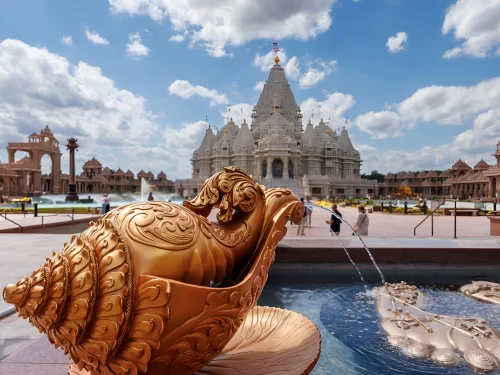
Akshardham Temple Delhi, grand Hindu temple complex with intricate carvings and iconic cultural landmark in India. Temple

Akshardham Temple

Akshardham Temple is a stunning Hindu temple in Delhi, celebrated for its intricate architecture, spiritual ambiance, and cultural exhibitions.
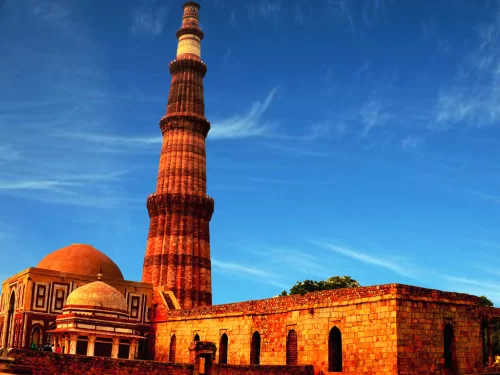
Qutub Minar with Quwwat-ul-Islam Mosque and surrounding sandstone ruins under a vivid blue sky in Delhi, showcasing UNESCO World Heritage Indo-Islamic architecture for Qutub Minar tour packages. Historical Site

Qutub Minar

Qutub Minar is a towering 73-meter-high minaret in Delhi, renowned for its Indo-Islamic architecture and historical significance.
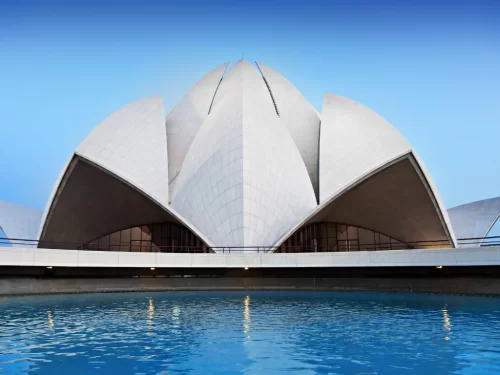
Lotus Temple, New Delhi – elegant white marble lotus petals rising above the tranquil blue reflecting pool, iconic Bahá’í House of Worship and serene highlight of Delhi city tour packages. Tourist Attraction

Lotus Temple

Lotus Temple is a stunning flower-shaped Bahá?í House of Worship in Delhi, renowned for its serene ambiance and architectural beauty.

Frequently Asked Questions About Nehru Memorial Museum

Nehru Memorial Museum Delhi is located at Teen Murti House in Central Delhi. The museum complex lies near Chanakyapuri and is accessible by road and metro.
Nehru Memorial Museum Delhi has an entry fee for visitors. Ticket prices vary by age category and can be purchased at the counter or online.
Nehru Memorial Museum Delhi is generally open from Tuesday to Sunday and remains closed on Mondays. Visiting hours usually begin around 10:00 AM and continue until early evening.
A complete visit to Nehru Memorial Museum Delhi typically takes 1.5 to 2.5 hours. Visitors exploring all galleries in detail may spend additional time.
Photography policies at Nehru Memorial Museum Delhi may vary by gallery. Visitors should follow on-site guidelines regarding mobile phone and camera usage.
The nearest metro station to Nehru Memorial Museum Delhi is Lok Kalyan Marg on the Yellow Line. Visitors can take an auto or taxi from the station to reach the museum.
Nehru Memorial Museum Delhi is approximately 6 to 8 kilometers from New Delhi Railway Station. Travel time by car usually ranges between 20 to 30 minutes depending on traffic.
Parking facilities are available at Nehru Memorial Museum Delhi for cars. Designated parking areas are located within the premises.
Nehru Memorial Museum Delhi provides restrooms, drinking water, security screening, landscaped grounds, and accessible entry for differently-abled visitors.
Nehru Memorial Museum Delhi is suitable for students due to its educational exhibits and archival displays. School and academic groups frequently visit the museum.

Loved this place ? Let’s Plan Your Delhi Trip

Get customized Delhi tour planning designed around traffic flow, seasonal weather comfort, heritage site exploration time, and realistic city pacing. Whether you are visiting for historical monuments, cultural experiences, food walks, shopping districts,

⚡ Quick Response | 💰 Free consultation | 🕒 24×7 expert support

×

Plan Your Trip