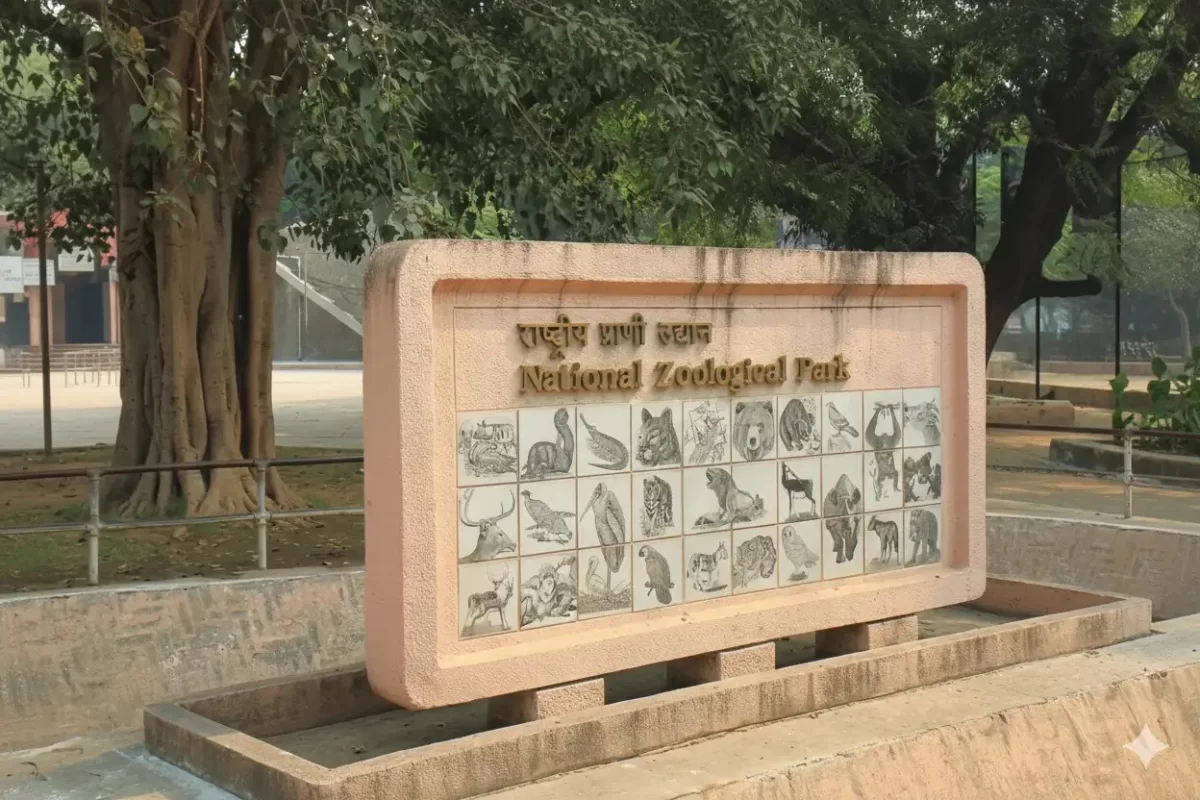
National Zoological Park Delhi – Premier Wildlife Zoo & Conservation Park

National Zoological Park , Delhi
National Zoological Park, commonly known as Delhi Zoo, is one of India’s major zoological parks located in New Delhi. Inaugurated in 1959, it spans over 176 acres and houses a wide variety of mammals, birds, reptiles, and plant species in naturalistic enclosures. The zoo is managed by the Government of India and functions as both a recreational attraction and an important centre for wildlife conservation, breeding programmes, and education. It offers family?friendly experiences, battery?operated vehicle rides, and opportunities to observe rare and exotic animals up close.

Quick Facts About National Zoological Park

Entry Fee INR 80
Timings 09:00 - 17:00
Altitude (m) 216
Ideal Visit Duration (hrs) 3
Best Time of Day Morning
Crowd Level High
Distance from India Gate (km) 4
Walking Difficulty Moderate
Parking Available Yes
Last Mile Access Metro
Suitable for Kids Yes
Suitable for Seniors Yes
Wheelchair Friendly Yes

Why Visit

Why Visit

The National Zoological Park in Delhi is one of India’s premier wildlife attractions, offering visitors the chance to see a wide variety of native and exotic animal species up close. It is ideal for families, school groups, and wildlife enthusiasts who want to experience India’s biodiversity in a safe and accessible environment.

Atmosphere

The zoo provides a peaceful and green environment in the heart of Delhi. Lush gardens, open spaces, and naturalistic enclosures create a relaxing and immersive experience. The sounds of birds, the sight of animals in well-maintained habitats, and the wide walking paths contribute to an educational and enjoyable atmosphere.

What Makes It Special

National Zoological Park Delhi is unique for its extensive collection of mammals, reptiles, and birds, including rare and endangered species. Battery-operated vehicle rides make it accessible for all ages, and interactive educational programs enhance awareness about wildlife conservation. Its location near India Gate makes it easily reachable, combining cultural sightseeing with nature exploration.

History

The National Zoological Park in Delhi was established in 1959 by the Government of India with the objective of conserving wildlife and providing a space for education and recreation. Spread over approximately 176 acres, it was designed to showcase native and exotic animal species in naturalistic habitats, reflecting modern zoological practices of the time.

The zoo has since evolved into one of India’s most significant wildlife parks, supporting breeding programs for endangered species, wildlife research, and conservation awareness initiatives. Over the decades, it has introduced educational programs for children and adults alike, making it a center for both leisure and learning.

Its location near India Gate integrates it into Delhi’s cultural and historical landscape, allowing visitors to combine a wildlife experience with sightseeing in the heart of the city.

Best Time to Visit

The National Zoological Park Delhi is best visited when the weather is pleasant and the animals are most active. While the zoo is open year-round, certain months and times of day enhance the overall experience for visitors.
  • October to March – Ideal Season: Delhi’s cooler months provide comfortable weather for walking through the extensive zoo grounds. Morning visits during this period allow visitors to see animals more active and outdoors.
  • Morning Hours: The zoo is most lively between 9:00?AM and 11:30?AM, as animals are feeding and engaging in natural behaviors, making observation more interesting.
  • Weekdays: Visiting on weekdays helps avoid weekend crowds, allowing for a peaceful and immersive wildlife experience.
  • Summer Months (April – June): Temperatures can soar, so early morning visits are recommended. Battery-operated vehicles can make touring the zoo more comfortable during hot periods.
  • Monsoon Season (July – September): Occasional rain may occur, but indoor shelters and shaded areas allow for continued exploration; waterproof clothing is advisable.

How to Reach

  • By Metro: The nearest metro station is Supreme Court Metro Station (Blue Line), located about 1.5 km from the zoo. From the station, visitors can take an auto-rickshaw, taxi, or enjoy a short walk.
  • By Bus: Delhi Transport Corporation (DTC) buses frequently operate on routes connecting Pragati Maidan, India Gate, Connaught Place, and surrounding areas. Bus stops near the zoo provide easy access on foot.
  • By Taxi / App-Based Cabs: Taxis and app-based cab services such as Uber and Ola are widely available across Delhi and can drop visitors directly at the zoo entrance.
  • By Car: The zoo is located near Mathura Road and Purana Qila. Paid parking facilities are available near the main gate for cars, two-wheelers, and tourist buses.
  • From Railway Stations: New Delhi Railway Station is approximately 7 km away. Visitors can reach the zoo easily by taxi or metro.
  • From Indira Gandhi International Airport: The airport is about 20 km from the zoo. A taxi or app-based cab is the most convenient option, taking around 45–60 minutes depending on traffic.

What to Expect When You Visit

  • Diverse Wildlife Collection: Expect to see a wide range of mammals, birds, and reptiles, including lions, tigers, elephants, deer, giraffes, reptiles, and exotic bird species housed in spacious, natural-style enclosures.
  • Large Walking Trails: The zoo covers a vast area, offering long, shaded walking paths surrounded by greenery. Visitors should be prepared for moderate walking across different sections of the park.
  • Battery-Operated Vehicles: Battery-powered vehicle services are available for a comfortable tour of the zoo, especially useful for seniors, families with children, and visitors who prefer minimal walking.
  • Educational Experience: Informative signboards near enclosures provide details about each species, habitat, and conservation status, making the visit educational as well as entertaining.
  • Family-Friendly Environment: The zoo is ideal for families and school groups, offering open spaces, resting benches, and engaging wildlife experiences for children.
  • Natural Surroundings: Visitors can enjoy a calm, green environment with trees, water bodies, and landscaped areas that offer a refreshing escape from city life.
  • Refreshments & Facilities: Basic amenities such as drinking water, restrooms, and food stalls are available within the zoo premises for visitor convenience.

Important Visitor Information

  • Crowd & Weather Notes: The zoo experiences higher visitor numbers on weekends, public holidays, and during school vacations. Weather plays a key role in the visit experience—summers can be extremely hot, while winters are pleasant. Monsoon months may bring humidity and occasional muddy paths.
  • Peak / Quiet Hours: Peak hours are typically between 10:30 AM and 2:00 PM, especially on weekends. The quietest time to visit is early morning on weekdays, soon after opening, when animals are more active and crowds are minimal.
  • Dress Code: Wear comfortable clothing and walking shoes suitable for long distances. Light, breathable fabrics are recommended in summer, while light jackets or sweaters are advisable in winter mornings.
  • Safety Notes: Follow zoo rules strictly and maintain a safe distance from animal enclosures. Feeding animals is prohibited. Keep children supervised at all times. Carry drinking water, use sun protection during summer, and follow staff instructions for a safe and enjoyable visit.

Photography and Viewpoints

  • Wildlife Photography Opportunities: The zoo offers excellent chances to photograph a variety of animals, including big cats, deer, reptiles, and birds, in spacious and naturalistic enclosures.
  • Best Time for Photography: Morning hours are ideal, as animals are more active and lighting conditions are softer, making it easier to capture clear and lively shots.
  • Scenic Walkways: Tree-lined paths, water bodies, and landscaped green areas provide scenic viewpoints for nature and environment photography.
  • Birdwatching Zones: Dedicated aviary and wetland areas allow close observation and photography of resident and migratory bird species.
  • Photography Guidelines: Photography is permitted for personal use. Flash photography and tripods are generally restricted near animal enclosures to avoid disturbing wildlife.
  • Viewing Platforms: Several enclosures feature raised viewing points or glass-fronted areas, offering clear and safe angles for photography without obstructing animal movement.
  • Visitor Tips: Carry a camera with a moderate zoom lens for better animal shots. Patience and quiet observation improve chances of capturing natural animal behavior.

Near By Attraction

Akshardham Temple Delhi, grand Hindu temple complex with intricate carvings and iconic cultural landmark in India. Temple

Akshardham Temple

Akshardham Temple is a stunning Hindu temple in Delhi, celebrated for its intricate architecture, spiritual ambiance, and cultural exhibitions.
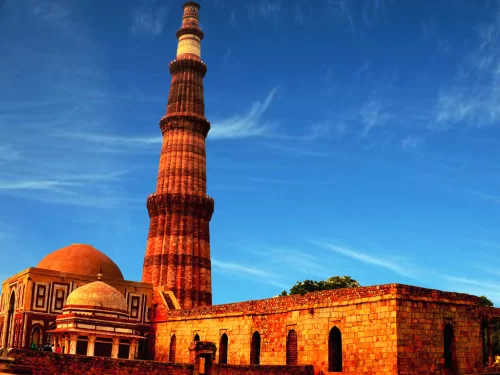
Qutub Minar with Quwwat-ul-Islam Mosque and surrounding sandstone ruins under a vivid blue sky in Delhi, showcasing UNESCO World Heritage Indo-Islamic architecture for Qutub Minar tour packages. Historical Site

Qutub Minar

Qutub Minar is a towering 73-meter-high minaret in Delhi, renowned for its Indo-Islamic architecture and historical significance.

Lotus Temple, New Delhi – elegant white marble lotus petals rising above the tranquil blue reflecting pool, iconic Bahá’í House of Worship and serene highlight of Delhi city tour packages. Tourist Attraction

Lotus Temple

Lotus Temple is a stunning flower-shaped Bahá?í House of Worship in Delhi, renowned for its serene ambiance and architectural beauty.

Frequently Asked Questions About National Zoological Park

National Zoological Park Delhi is located near Purana Qila in Central Delhi. The zoo is situated along Mathura Road and is easily accessible by road and metro.
National Zoological Park Delhi has an entry fee that varies by age category. Tickets can be purchased online or at the entrance counter.
National Zoological Park Delhi is generally open from Tuesday to Sunday and remains closed on Mondays. Visiting hours usually begin around 9:00 AM and close in the late afternoon.
A complete visit to National Zoological Park Delhi typically takes 2 to 4 hours. Visitors covering the entire zoo on foot may require more time.
Photography is allowed inside National Zoological Park Delhi for personal use. Professional equipment may require prior permission from authorities.
The nearest metro station to National Zoological Park Delhi is Supreme Court Metro Station on the Blue Line. Pragati Maidan Metro Station is also nearby.
National Zoological Park Delhi is approximately 5 to 7 kilometers from New Delhi Railway Station. Travel time by car usually ranges between 15 to 25 minutes depending on traffic.
Parking facilities are available at National Zoological Park Delhi for cars and buses. Designated parking areas are located near the main entrance.
National Zoological Park Delhi provides drinking water points, restrooms, battery-operated vehicles, security screening, and food kiosks within the premises.
National Zoological Park Delhi is suitable for children due to its wide walking paths and diverse animal enclosures. School groups frequently visit for educational outings.

Loved this place ? Let’s Plan Your Delhi Trip

Get customized Delhi tour planning designed around traffic flow, seasonal weather comfort, heritage site exploration time, and realistic city pacing. Whether you are visiting for historical monuments, cultural experiences, food walks, shopping districts,

⚡ Quick Response | 💰 Free consultation | 🕒 24×7 expert support

×

Plan Your Trip