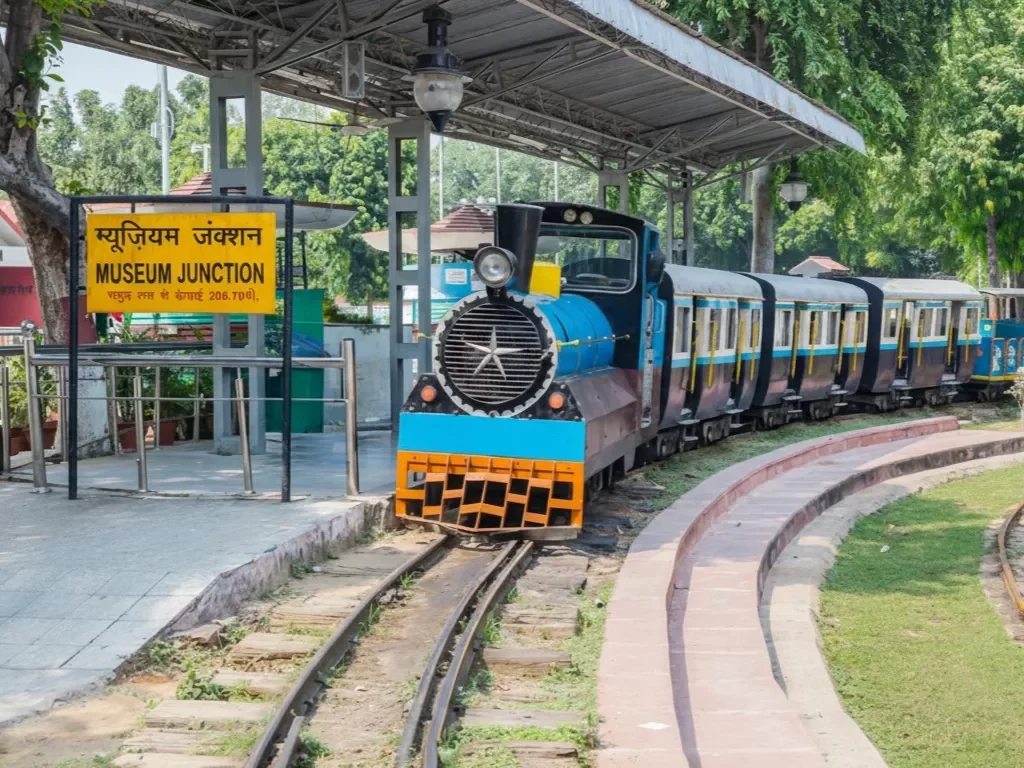
National Rail Museum Delhi – History, Timings & Visitor Guide

National Rail Museum , Delhi
Located in Chanakyapuri, the National Rail Museum is one of the most popular museums in Delhi and a must-visit for families and railway enthusiasts. Established in 1977, the museum displays over a century of Indian railway history, featuring vintage steam engines, royal saloons, indoor galleries, and an outdoor train ride. It offers an engaging blend of education and entertainment, making it ideal for children and adults alike.

Quick Facts About National Rail Museum

Entry Fee INR 50
Timings 10:00 - 17:00
Altitude (m) 216
Ideal Visit Duration (hrs) 3
Best Time of Day Morning
Crowd Level Moderate
Distance from Connaught Place (km) 8
Walking Difficulty Moderate
Parking Available Yes
Last Mile Access Car
Suitable for Kids Yes
Suitable for Seniors Yes
Wheelchair Friendly Yes

Why Visit

Why Visit

The National Rail Museum is a unique attraction that brings India’s railway heritage to life. It is ideal for families, history enthusiasts, and anyone curious about how Indian Railways shaped the nation’s growth and connectivity. The museum offers both educational value and interactive fun, making it suitable for all age groups.

Atmosphere

The museum features a spacious and open-air layout with landscaped lawns and wide walking paths. The relaxed and engaging environment allows visitors to explore at their own pace, while the outdoor exhibits create a nostalgic and immersive experience. The atmosphere is lively yet comfortable, especially appealing to children.

What Makes It Special

What sets the National Rail Museum apart is its impressive collection of vintage locomotives, royal saloon coaches, and life-sized railway exhibits. Highlights include historic steam engines, interactive simulators, and a toy train ride that circles the museum grounds. Together, these elements offer a rare hands-on insight into the evolution of rail transport in India.

History

The National Rail Museum was established in 1977 by Indian Railways to preserve and showcase the rich legacy of rail transport in India. It was created as a dedicated space to document the technological, engineering, and administrative evolution of one of the world’s largest railway networks.

The museum was developed in Chanakyapuri, New Delhi, on a sprawling open-air campus that allowed for the display of full-sized locomotives and coaches. Many of the exhibits were collected from different parts of the country, including heritage steam engines, diesel locomotives, and royal carriages once used by Indian princes and British officials.

Over the years, the museum has expanded with indoor galleries, interactive exhibits, and educational installations to make railway history accessible to the public. Today, it serves as an important archival and educational institution, highlighting the role of Indian Railways in national development, industrial growth, and everyday life.

Best Time to Visit

The National Rail Museum can be visited throughout the year, but choosing the right season and time of day will make your visit more comfortable and enjoyable, especially since a large portion of the museum is open-air.
  • October to March – Ideal Season: Pleasant weather during these months makes it the best time to explore outdoor exhibits and enjoy the toy train ride.
  • Morning Hours: Visiting soon after opening allows you to explore comfortably, avoid crowds, and spend more time at interactive sections.
  • Late Afternoon: Cooler temperatures in the late afternoon are suitable for relaxed walks and photography.
  • Summer Months (April to June): Summers can be hot, so visits are best limited to early morning hours with sun protection.
  • Monsoon Season (July to September): Light rains add greenery to the campus, but humidity may be high; indoor galleries offer relief during this period.

How to Reach

  • By Metro: The nearest metro station is Dhaula Kuan on the Airport Express Line and Ring Road corridor, located about 2 km from the National Rail Museum. From there, auto-rickshaws and taxis are easily available.
  • By Bus: Several DTC buses operate on nearby routes through Chanakyapuri and Dhaula Kuan, with stops close to the museum entrance.
  • By Car or Taxi: The museum is well connected by major roads such as Shanti Path and Sardar Patel Marg. App-based cabs and private vehicles can reach directly, and on-site parking is available.
  • By Auto-Rickshaw: Auto-rickshaws are readily available from nearby areas including Chanakyapuri, Vasant Vihar, and Dhaula Kuan.
  • From Airport or Railway Station: Indira Gandhi International Airport is approximately 10 km away, while New Delhi Railway Station is around 9 km from the museum.

What to Expect When You Visit

  • Historic Locomotives: Expect to see an impressive collection of vintage steam, diesel, and electric locomotives displayed in open-air settings.
  • Royal Railway Coaches: The museum features beautifully preserved saloon coaches once used by Indian royalty and British officials.
  • Indoor Galleries: Exhibits include photographs, models, signaling equipment, and historical documents showcasing the evolution of Indian Railways.
  • Toy Train Ride: A popular attraction for children, the toy train offers a fun ride around the museum campus.
  • Interactive Displays: Simulators and educational panels provide hands-on learning experiences for visitors of all ages.
  • Spacious Campus: Wide walking paths, shaded areas, and seating spots make the visit comfortable and family-friendly.

Important Visitor Information

  • Crowd & Weather Notes: The National Rail Museum experiences moderate crowds on weekdays and higher footfall on weekends, school holidays, and public holidays. Outdoor exhibits are best enjoyed in pleasant weather between October and March.
  • Peak Hours: 11:00 AM to 3:00 PM is the busiest period, especially on weekends and during holiday seasons.
  • Quiet Hours: Early mornings shortly after opening are ideal for a relaxed visit with fewer visitors and better access to exhibits.
  • Dress Code: There is no formal dress code. Comfortable clothing, walking shoes, and sun protection are recommended due to the large open-air campus.
  • Safety Notes: The museum is well maintained and monitored. Visitors should supervise children, follow safety signage, avoid climbing on exhibits, and stay within designated visitor areas.

Photography and Viewpoint

  • Outdoor Locomotive Displays: The open-air layout allows excellent photography of historic steam and diesel engines, with ample space to capture full-length shots.
  • Royal Saloon Coaches: Ornate interiors and exterior detailing of royal coaches offer unique photographic subjects, especially in good natural light.
  • Best Lighting Conditions: Morning and late afternoon light provides softer tones and balanced exposure for both outdoor and indoor exhibits.
  • Family and Activity Shots: The toy train ride and interactive zones are ideal for candid family photography.
  • Photography Guidelines: Personal photography is permitted throughout most areas. Flash photography may be restricted indoors, and tripods or commercial shoots require prior permission.
  • Viewpoints Within the Campus: Open lawns and walking paths offer multiple angles to frame exhibits against greenery, enhancing visual appeal.

Near By Attraction

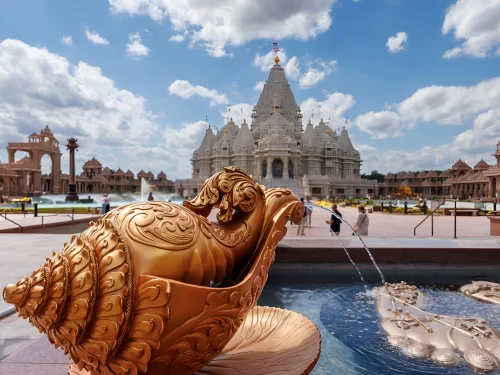
Akshardham Temple Delhi, grand Hindu temple complex with intricate carvings and iconic cultural landmark in India. Temple

Akshardham Temple

Akshardham Temple is a stunning Hindu temple in Delhi, celebrated for its intricate architecture, spiritual ambiance, and cultural exhibitions.
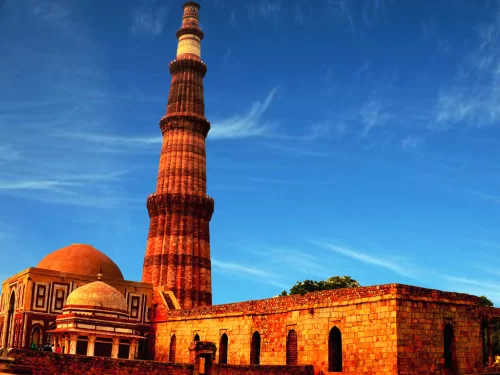
Qutub Minar with Quwwat-ul-Islam Mosque and surrounding sandstone ruins under a vivid blue sky in Delhi, showcasing UNESCO World Heritage Indo-Islamic architecture for Qutub Minar tour packages. Historical Site

Qutub Minar

Qutub Minar is a towering 73-meter-high minaret in Delhi, renowned for its Indo-Islamic architecture and historical significance.
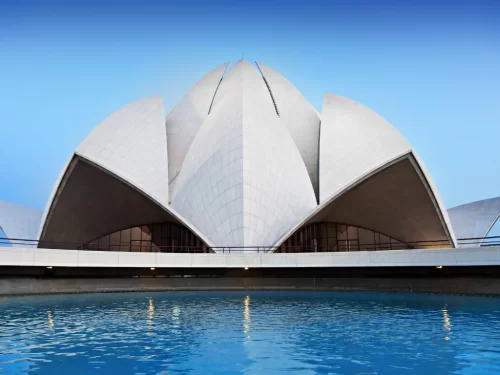
Lotus Temple, New Delhi – elegant white marble lotus petals rising above the tranquil blue reflecting pool, iconic Bahá’í House of Worship and serene highlight of Delhi city tour packages. Tourist Attraction

Lotus Temple

Lotus Temple is a stunning flower-shaped Bahá?í House of Worship in Delhi, renowned for its serene ambiance and architectural beauty.

Frequently Asked Questions About National Rail Museum

National Rail Museum Delhi is located in Chanakyapuri in South West Delhi. The museum complex lies near Shanti Path and is accessible by road and metro.
National Rail Museum Delhi has an entry fee for visitors. Ticket prices vary by age category and separate charges apply for toy train rides.
National Rail Museum Delhi is generally open from Tuesday to Sunday and remains closed on Mondays. Visiting hours usually begin around 10:00 AM and continue until early evening.
A complete visit to National Rail Museum Delhi typically takes 2 to 3 hours. Visitors exploring galleries and taking the toy train ride may spend additional time.
Photography is allowed inside National Rail Museum Delhi for personal use. Professional shoots may require prior permission from authorities.
The nearest metro station to National Rail Museum Delhi is Lok Kalyan Marg on the Yellow Line. Visitors can take an auto or taxi from the station to reach the museum.
National Rail Museum Delhi is approximately 8 to 10 kilometers from New Delhi Railway Station. Travel time by car usually ranges between 20 to 35 minutes depending on traffic.
Parking facilities are available at National Rail Museum Delhi for cars and buses. Designated parking areas are located near the entrance.
National Rail Museum Delhi provides restrooms, drinking water, a cafeteria, security screening, and open display areas within the campus.
National Rail Museum Delhi is suitable for children due to its interactive exhibits and toy train rides. School groups frequently visit for educational trips.

Loved this place ? Let’s Plan Your Delhi Trip

Get customized Delhi tour planning designed around traffic flow, seasonal weather comfort, heritage site exploration time, and realistic city pacing. Whether you are visiting for historical monuments, cultural experiences, food walks, shopping districts,

⚡ Quick Response | 💰 Free consultation | 🕒 24×7 expert support

×

Plan Your Trip