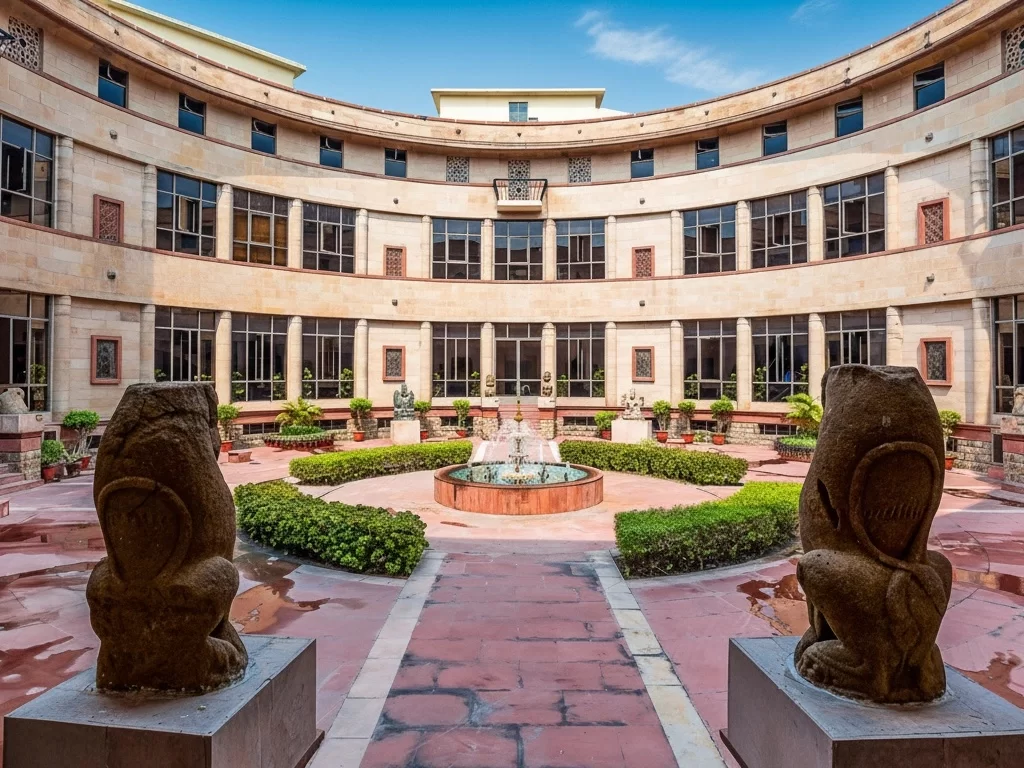
National Museum Delhi – Premier Museum of Indian History and Art

National Museum , Delhi
The National Museum, located on Janpath in New Delhi, showcases India’s rich cultural and historical heritage through a vast collection of over 200,000 artifacts. The museum features sculptures, paintings, manuscripts, coins, textiles, and decorative arts from prehistoric times to modern India. It is divided into multiple galleries, including the Harappan Gallery, Buddhist Art Gallery, and Contemporary Art Gallery, offering visitors an immersive journey through India’s diverse history. The museum also hosts temporary exhibitions, educational programs, and workshops, making it a center for learning and cultural appreciation. With its well-curated displays and informative labels, the National Museum is a must-visit for history buffs, students, and tourists alike.

Quick Facts About National Museum

Entry Fee INR 20
Timings 10:00 - 17:00
Altitude (m) 216
Ideal Visit Duration (hrs) 3
Best Time of Day Morning
Crowd Level Moderate
Distance from Connaught Place (km) 2
Walking Difficulty Moderate
Parking Available Yes
Last Mile Access Metro
Suitable for Kids Yes
Suitable for Seniors Yes
Wheelchair Friendly Yes

Why Visit National Museum Delhi

The National Museum in Delhi is a treasure trove of India’s history, art, and culture, making it a must-visit for anyone interested in the country’s rich heritage. It offers an unparalleled opportunity to explore centuries of Indian civilization, from prehistoric artifacts to contemporary art.

Atmosphere

The museum has a calm, educational, and contemplative atmosphere, ideal for students, researchers, and tourists. Visitors can leisurely explore the galleries, read informative placards, and immerse themselves in the stories behind each artifact, all in a well-organized and serene environment.

What Makes It Special

What sets the National Museum apart is its comprehensive collection of over 200,000 artifacts, representing diverse aspects of India’s cultural history. Highlights include the Harappan Civilization gallery, exquisite Buddhist art, medieval sculptures, miniature paintings, and decorative arts. The museum also hosts temporary exhibitions, educational workshops, and special cultural events, offering visitors a dynamic and immersive learning experience. Its combination of historical depth, artistic richness, and well-curated displays makes it one of India’s premier cultural institutions.

History of National Museum Delhi

The National Museum in New Delhi was established in 1949, shortly after India gained independence, with the aim of preserving and showcasing the country’s rich cultural heritage. It was created to consolidate important artifacts from across India, including archaeological finds, manuscripts, sculptures, and decorative arts, into a single, accessible institution for public education and research.

The museum is spread over multiple floors and galleries, each dedicated to a particular period, region, or type of art. Its collection spans over 5,000 years of Indian history, from prehistoric tools and Indus Valley artifacts to Mughal miniatures, colonial-era paintings, and contemporary Indian art. Over the decades, the National Museum has hosted numerous special exhibitions and educational programs, making it a hub for scholars, students, and culture enthusiasts.

By visiting the National Museum, guests gain an in-depth understanding of India’s historical evolution, artistic achievements, and cultural diversity, all curated in an organized and immersive setting that highlights the country’s unique heritage.

Best Time to Visit National Museum Delhi

The best time to visit the National Museum in Delhi is during the cooler months from October to March, when the weather is comfortable for exploring the galleries and outdoor areas. This period avoids the intense summer heat and high humidity, making your visit more enjoyable.

Morning hours are ideal for a peaceful experience, as the museum tends to be quieter right after opening. Late afternoons can also be suitable, especially for photography and taking a leisurely walk through the exhibits.
  • October to March is the most comfortable period for visiting due to pleasant weather
  • Morning visits (10:00 AM – 12:00 PM) provide quieter galleries and better lighting for photography
  • Weekdays are less crowded compared to weekends and public holidays
  • Special exhibitions may attract higher crowds; plan accordingly
  • Summer months (April to June) are best avoided due to high temperatures and heat in Delhi

How to Reach National Museum Delhi

  • By Metro: The nearest metro station is Central Secretariat on the Yellow and Violet Lines, approximately 500 meters from the museum. Visitors can walk or take an auto-rickshaw from the station to reach the entrance.
  • By Bus: Delhi Transport Corporation (DTC) buses operate routes that stop near Janpath and India Gate. Alight at the Janpath or National Museum bus stop and walk a short distance to the entrance.
  • By Car or Taxi: National Museum is accessible via Janpath and Rajpath. Taxis, private cars, or app-based cabs can drop visitors at the main entrance. Limited paid parking is available nearby.
  • By Walking: The museum is within walking distance from Connaught Place and nearby central Delhi locations, making it convenient for pedestrians.
  • From Airport: Indira Gandhi International Airport is approximately 16 km away. Visitors can take a taxi or a combination of metro (Yellow Line) and walking for easy access.

What to Expect When You Visit National Museum Delhi

  • Extensive Collections: Visitors can explore over 200,000 artifacts, including sculptures, paintings, manuscripts, coins, textiles, and decorative arts spanning thousands of years of Indian history.
  • Multiple Galleries: The museum features specialized galleries such as the Harappan Civilization, Buddhist Art, Medieval Indian Art, Arms and Armor, and Contemporary Art, providing a comprehensive cultural experience.
  • Guided Tours and Educational Programs: Informative guided tours help visitors understand the historical context and significance of artifacts. The museum also conducts workshops and educational programs for students and researchers.
  • Photography Opportunities: Well-lit galleries and carefully curated exhibits offer excellent opportunities for photography, especially for art and history enthusiasts.
  • Interactive Learning: Some exhibits provide multimedia presentations and informative placards, allowing visitors to engage with the history, art, and culture of India in a meaningful way.
  • Family-Friendly Environment: The museum is suitable for visitors of all ages, with accessible pathways, seating areas, and spaces for children to learn about India’s heritage.

Important Visitor Information

  • Crowd & Weather Notes: The National Museum experiences moderate crowds on weekdays and higher footfall on weekends, public holidays, and during special exhibitions. The best time to visit is from October to March, when Delhi's weather is cool and comfortable.
  • Peak / Quiet Hours: Peak hours are usually late morning to early afternoon (11:00 AM – 2:00 PM). Early mornings just after opening (10:00 AM – 11:00 AM) are quieter, providing a more peaceful experience.
  • Dress Code: There is no strict dress code, but modest and comfortable clothing is recommended for walking through the galleries. Closed footwear is advisable.
  • Safety Notes: The museum is generally safe for visitors. Follow museum rules, avoid touching artifacts, and supervise children. Photography is allowed in designated areas only, and large bags may need to be checked.

Photography and Viewpoint at National Museum Delhi

  • Interior Galleries: The museum’s well-lit galleries provide excellent opportunities to photograph artifacts such as sculptures, paintings, coins, and decorative arts. Pay attention to lighting and avoid using flash in sensitive areas.
  • Harappan and Buddhist Art Collections: These galleries offer unique visual perspectives with ancient artifacts and statues. Close-up shots of intricate carvings and sculptures are highly rewarding for history and art enthusiasts.
  • Seasonal and Special Exhibitions: Temporary exhibitions showcase rare or thematic collections that offer fresh photography opportunities each visit. Check the museum’s schedule for these displays.
  • Tips for Photography: Use natural or gallery lighting where possible, a tripod is often not allowed, so a steady hand or handheld stabilization is recommended. Respect no-photography signs in restricted areas.
  • Overall Experience: Photographers and history enthusiasts can capture a blend of India’s cultural, historical, and artistic richness in one location. The variety of exhibits, combined with carefully curated layouts, offers endless opportunities for compelling and educational images.

Near By Attraction

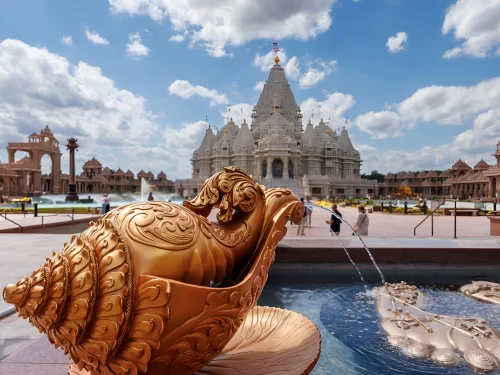
Akshardham Temple Delhi, grand Hindu temple complex with intricate carvings and iconic cultural landmark in India. Temple

Akshardham Temple

Akshardham Temple is a stunning Hindu temple in Delhi, celebrated for its intricate architecture, spiritual ambiance, and cultural exhibitions.
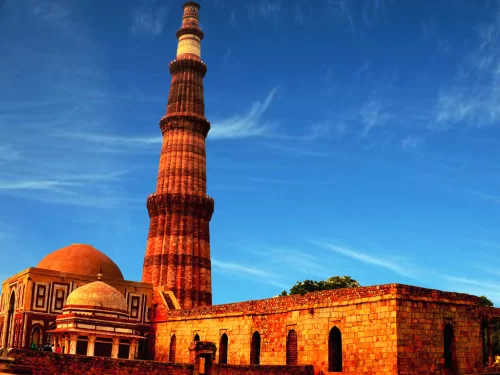
Qutub Minar with Quwwat-ul-Islam Mosque and surrounding sandstone ruins under a vivid blue sky in Delhi, showcasing UNESCO World Heritage Indo-Islamic architecture for Qutub Minar tour packages. Historical Site

Qutub Minar

Qutub Minar is a towering 73-meter-high minaret in Delhi, renowned for its Indo-Islamic architecture and historical significance.
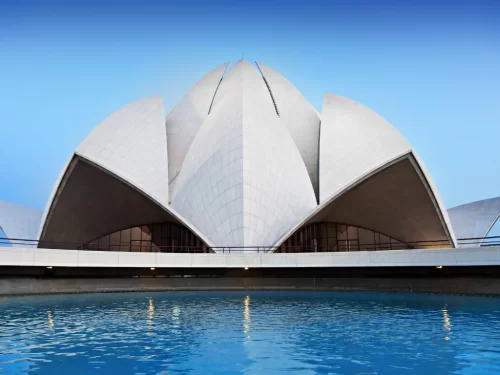
Lotus Temple, New Delhi – elegant white marble lotus petals rising above the tranquil blue reflecting pool, iconic Bahá’í House of Worship and serene highlight of Delhi city tour packages. Tourist Attraction

Lotus Temple

Lotus Temple is a stunning flower-shaped Bahá?í House of Worship in Delhi, renowned for its serene ambiance and architectural beauty.

Frequently Asked Questions About National Museum

National Museum Delhi is located on Janpath in Central Delhi. The museum stands near India Gate and is easily accessible by road and metro.
National Museum Delhi has an entry fee for visitors. Ticket prices vary for Indian and foreign nationals and can be purchased at the counter.
National Museum Delhi is generally open from Tuesday to Sunday and remains closed on Mondays. Visiting hours usually begin around 10:00 AM and continue until early evening.
A complete visit to National Museum Delhi typically takes 2 to 3 hours. Visitors exploring all galleries in detail may require additional time.
Photography policies at National Museum Delhi may vary by gallery. Visitors should check on-site guidelines regarding camera and mobile phone usage.
The nearest metro station to National Museum Delhi is Central Secretariat on the Yellow and Violet Lines. The museum is a short auto or taxi ride from the station.
National Museum Delhi is approximately 4 to 6 kilometers from New Delhi Railway Station. Travel time by car usually ranges between 15 to 25 minutes depending on traffic.
Parking facilities are available at National Museum Delhi for cars. Designated parking areas are located near the entrance.
National Museum Delhi provides restrooms, drinking water, security screening, a museum shop, and basic accessibility features for visitors.
National Museum Delhi is suitable for children due to its educational exhibits and structured galleries. School groups frequently visit the museum for learning purposes.

Loved this place ? Let’s Plan Your Delhi Trip

Get customized Delhi tour planning designed around traffic flow, seasonal weather comfort, heritage site exploration time, and realistic city pacing. Whether you are visiting for historical monuments, cultural experiences, food walks, shopping districts,

⚡ Quick Response | 💰 Free consultation | 🕒 24×7 expert support

×

Plan Your Trip