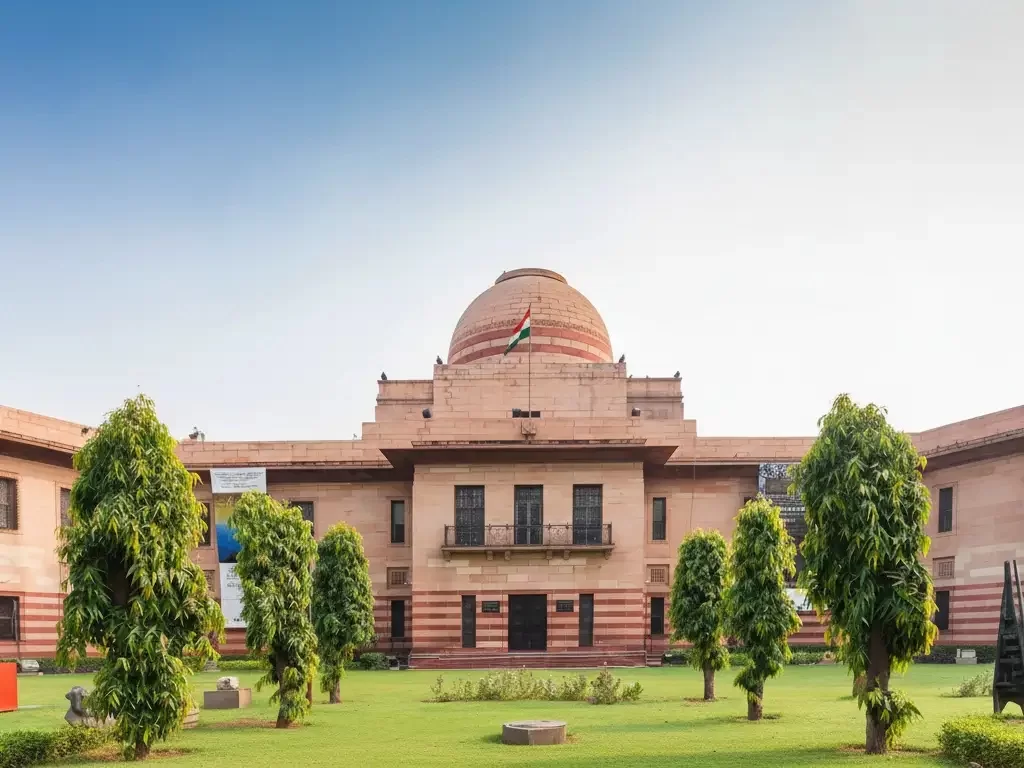
National Gallery of Modern Art Delhi – India’s Premier Modern Art Museum

National Gallery of Modern Art Delhi , Delhi
The National Gallery of Modern Art (NGMA) in Delhi is one of India’s foremost art institutions, established in 1954 and housed in the historic Jaipur House near India Gate. It preserves and exhibits a vast collection of modern Indian art tracing developments from the 19th century to the present day, featuring works by renowned artists such as Raja Ravi Varma, Amrita Sher?Gil, Rabindranath Tagore, and many others. The gallery also hosts rotating exhibitions, educational programs, a library, and cultural events that enrich the artistic experience.

Quick Facts About National Gallery of Modern Art Delhi

Entry Fee INR 20
Timings 10:00 - 17:00
Altitude (m) 216
Ideal Visit Duration (hrs) 2
Best Time of Day Morning
Crowd Level Moderate
Distance from Connaught Place (km) 2
Walking Difficulty Easy
Parking Available Yes
Last Mile Access Metro
Suitable for Kids Yes
Suitable for Seniors Yes
Wheelchair Friendly Yes

Why Visit

Why Visit

The National Gallery of Modern Art (NGMA) Delhi is a must-visit for art enthusiasts, history lovers, and cultural explorers. It houses one of India’s finest collections of modern and contemporary art, showcasing masterpieces by renowned artists such as Raja Ravi Varma, Amrita Sher?Gil, Rabindranath Tagore, and M.F. Husain. A visit here provides insight into India’s artistic evolution from the 19th century to the present day.

Atmosphere

Located near India Gate in a grand heritage building (Jaipur House), NGMA Delhi offers a serene and contemplative atmosphere. The spacious galleries, high ceilings, and well-lit exhibition halls provide a calm environment for visitors to appreciate art at their own pace. The combination of indoor galleries and landscaped lawns outside creates a balance between cultural immersion and relaxation.

What Makes It Special

NGMA Delhi stands out due to its extensive and diverse collection of paintings, sculptures, and photographs representing India’s modern art journey. Besides permanent galleries, the museum hosts rotating exhibitions, workshops, cultural events, and educational programs, making it an engaging destination for visitors of all ages. Its central location, architectural charm, and curated displays ensure a memorable experience for both casual visitors and serious art connoisseurs.

History

The National Gallery of Modern Art (NGMA) in Delhi was established in 1954 under the Ministry of Culture, Government of India, with the aim of preserving and promoting modern Indian art. It is housed in the historic Jaipur House, a colonial-era building originally constructed in 1936 for the Maharaja of Jaipur, designed by British architect Sir Arthur Blomfield.

NGMA Delhi serves as a repository of India’s artistic evolution from the 19th century to contemporary times, showcasing works by pioneers like Raja Ravi Varma, Amrita Sher?Gil, Rabindranath Tagore, and later modernists including M.F. Husain and S.H. Raza. Over the decades, the gallery has expanded its collection through donations, acquisitions, and temporary exhibitions, becoming one of the most significant institutions for modern and contemporary Indian art in the country.

Besides its permanent collection, NGMA Delhi regularly hosts educational programs, workshops, and curated exhibitions, playing a central role in fostering appreciation for Indian modern art. Its establishment reflects India’s post-independence emphasis on cultural preservation and promotion of national artistic heritage.

Best Time to Visit

The National Gallery of Modern Art Delhi is best visited when the weather is pleasant and the galleries can be explored comfortably. Being an indoor museum, it is accessible year-round, but certain seasons and times of day enhance the overall experience.
  • October to March – Ideal Season: Delhi’s winter months offer mild temperatures and comfortable conditions for visiting. The outdoor lawns and gardens surrounding Jaipur House are particularly pleasant during this time.
  • Weekdays: Visiting on weekdays is recommended to avoid crowds, allowing for a peaceful and immersive experience in the galleries.
  • Morning to Early Afternoon: Arriving soon after opening (typically 10:00?AM) ensures ample time to explore the galleries before the afternoon footfall increases.
  • Summer Months (April – June): Summers can be hot, but indoor galleries are air-conditioned, making visits feasible; plan for shorter stays outside on the lawns.
  • Monsoon Season (July – September): Light rains may occur, but the indoor exhibits are unaffected, making it a safe option during rainy days.

How to Reach

  • By Metro: The nearest metro station is Central Secretariat Metro Station (Yellow and Violet Lines), about 1 km from NGMA. From there, you can walk or take an auto-rickshaw to the gallery.
  • By Bus: Several DTC buses pass near India Gate, including routes connecting Connaught Place, Khan Market, and surrounding areas. Bus stops like India Gate are within a short walking distance of NGMA.
  • By Taxi / Auto-Rickshaw: Taxis and app-based cabs like Uber and Ola are widely available in central Delhi and can drop you directly at the gallery entrance. Auto-rickshaws are convenient for short distances from nearby metro stations.
  • By Car: NGMA is located near India Gate on Man Singh Road. Paid parking is available in the nearby area, but on-site parking is limited, so using public transport is recommended.
  • From Railway Stations: New Delhi Railway Station is about 5 km away. Visitors can take a taxi or metro to reach NGMA conveniently.
  • From Indira Gandhi International Airport: The airport is approximately 18 km away. A taxi or app-based cab provides the easiest access, taking around 40–60 minutes depending on traffic.

What to Expect When You Visit

  • Extensive Art Collections: Explore a wide range of modern and contemporary Indian art, including paintings, sculptures, photographs, and mixed media works spanning from the 19th century to the present.
  • Renowned Artists: View masterpieces by prominent Indian artists such as Raja Ravi Varma, Amrita Sher?Gil, Rabindranath Tagore, Jamini Roy, M.F. Husain, and S.H. Raza.
  • Indoor Galleries: The museum features well-lit, air-conditioned galleries that provide a comfortable environment for observing artwork in detail.
  • Rotating Exhibitions: NGMA regularly hosts temporary exhibitions, cultural events, and educational programs, offering new experiences even for repeat visitors.
  • Outdoor Spaces: The museum grounds include landscaped lawns around Jaipur House, ideal for casual walks, photography, and relaxation.
  • Educational Experience: Informative labels and plaques accompany most exhibits, providing context about the artist, style, and historical significance. Guided tours are also available.
  • Photography: Photography is generally allowed without flash, giving visitors the opportunity to capture key artworks and the building’s architectural beauty.
  • Visitor Duration: Most visitors spend 1–2 hours exploring the main galleries; additional time may be spent in temporary exhibitions or the surrounding lawns.

Important Visitor Information

  • Crowd & Weather Notes: NGMA Delhi is moderately crowded, especially on weekends, public holidays, and during the peak tourist season (October to March). Summers (April–June) can be very hot, but indoor galleries are air-conditioned. Monsoon months (July–September) bring occasional rain, but indoor exhibitions are unaffected.
  • Peak / Quiet Hours: The quietest times to visit are weekday mornings, shortly after opening (around 10:00?AM), when you can enjoy the galleries without large crowds. Midday and late afternoon tend to be busier.
  • Dress Code: Comfortable, modest attire is recommended. Light clothing and comfortable walking shoes are ideal. Hats and sun protection are advised for outdoor areas on the museum lawns.
  • Safety Notes: The museum is generally safe for all ages. Indoor galleries have smooth floors, but visitors should be cautious in outdoor areas and on steps. Carrying water is advisable, especially during summer. Photography without flash is allowed, but climbing on exhibits is prohibited.

Photography and Viewpoints

  • Iconic Galleries: Capture the beauty of NGMA’s spacious indoor galleries with high ceilings, natural light, and carefully arranged artwork. The well-lit paintings and sculptures create excellent photo opportunities without harsh shadows.
  • Architectural Features: Jaipur House’s colonial-era architecture, including grand staircases, arches, and expansive halls, provides striking backdrops for photography.
  • Outdoor Areas: The landscaped lawns and gardens surrounding the museum are ideal for wide-angle shots, capturing both the building’s façade and visitors enjoying the space.
  • Best Time for Photography: Morning to early afternoon provides balanced natural light for indoor galleries. For outdoor shots, late afternoon offers softer light and long shadows on the museum grounds.
  • Angles and Perspectives: Walk around the galleries and gardens to explore different perspectives. Close-ups on sculptures or art plaques reveal intricate details, while wide shots highlight gallery scale and layout.
  • Photography Rules: Photography is generally allowed without flash. Avoid touching or climbing on artworks and maintain respectful distances from exhibits.
  • Visitor Tips: Carry extra batteries or memory cards if you plan extensive photography. Neutral density or polarizing filters can help reduce glare on glass-covered artworks.

Near By Attraction

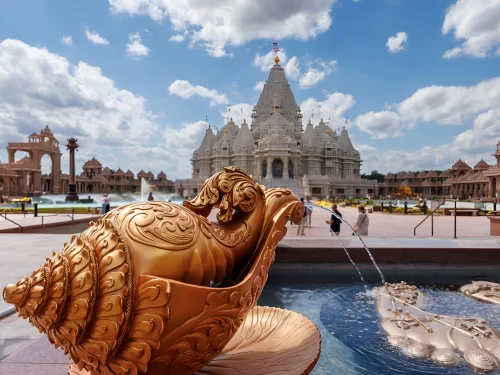
Akshardham Temple Delhi, grand Hindu temple complex with intricate carvings and iconic cultural landmark in India. Temple

Akshardham Temple

Akshardham Temple is a stunning Hindu temple in Delhi, celebrated for its intricate architecture, spiritual ambiance, and cultural exhibitions.
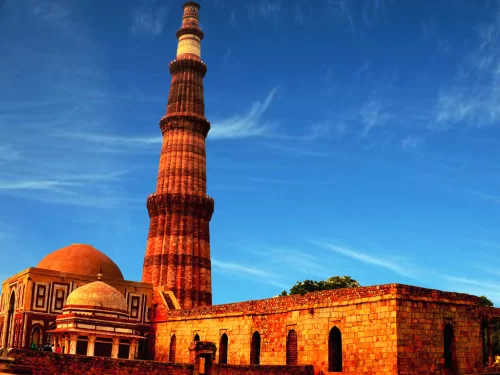
Qutub Minar with Quwwat-ul-Islam Mosque and surrounding sandstone ruins under a vivid blue sky in Delhi, showcasing UNESCO World Heritage Indo-Islamic architecture for Qutub Minar tour packages. Historical Site

Qutub Minar

Qutub Minar is a towering 73-meter-high minaret in Delhi, renowned for its Indo-Islamic architecture and historical significance.
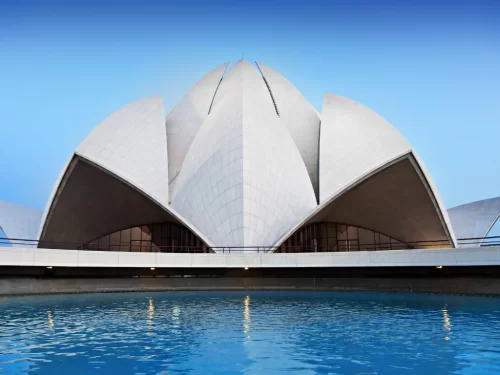
Lotus Temple, New Delhi – elegant white marble lotus petals rising above the tranquil blue reflecting pool, iconic Bahá’í House of Worship and serene highlight of Delhi city tour packages. Tourist Attraction

Lotus Temple

Lotus Temple is a stunning flower-shaped Bahá?í House of Worship in Delhi, renowned for its serene ambiance and architectural beauty.

Frequently Asked Questions About National Gallery of Modern Art Delhi

National Gallery of Modern Art Delhi is located on Jaipur House near India Gate in Central Delhi. The gallery is accessible by road and metro.
National Gallery of Modern Art Delhi has an entry fee for visitors. Ticket prices vary for Indian and foreign nationals and can be purchased at the counter.
National Gallery of Modern Art Delhi is generally open from Tuesday to Sunday and remains closed on Mondays. Visiting hours usually begin around 10:00 AM and continue until early evening.
A complete visit to National Gallery of Modern Art Delhi typically takes 1.5 to 3 hours. Visitors exploring all exhibition halls in detail may require additional time.
Photography policies at National Gallery of Modern Art Delhi may vary by exhibition. Visitors should check on-site guidelines regarding camera and mobile phone usage.
The nearest metro station to National Gallery of Modern Art Delhi is Central Secretariat on the Yellow and Violet Lines. The gallery is a short auto or taxi ride from the station.
National Gallery of Modern Art Delhi is approximately 4 to 6 kilometers from New Delhi Railway Station. Travel time by car usually ranges between 15 to 25 minutes depending on traffic.
Parking facilities are available at National Gallery of Modern Art Delhi for cars. Designated parking areas are located near the entrance.
National Gallery of Modern Art Delhi provides restrooms, drinking water, security screening, a museum shop, and accessible entry for differently-abled visitors.
National Gallery of Modern Art Delhi is suitable for students and art enthusiasts due to its curated exhibitions and educational programs. Academic groups frequently visit the gallery.

Loved this place ? Let’s Plan Your Delhi Trip

Get customized Delhi tour planning designed around traffic flow, seasonal weather comfort, heritage site exploration time, and realistic city pacing. Whether you are visiting for historical monuments, cultural experiences, food walks, shopping districts,

⚡ Quick Response | 💰 Free consultation | 🕒 24×7 expert support

×

Plan Your Trip