+91 9910402252
admin@chalbanjare.com


| Entry Fee | Free |
| Timings | 07:00 - 18:30 |
| Altitude (m) | 216 |
| Ideal Visit Duration (hrs) | 2 |
| Best Time of Day | Morning |
| Crowd Level | High |
| Distance from Connaught Place (km) | 3 |
| Walking Difficulty | Moderate |
| Parking Available | Yes |
| Last Mile Access | Walk |
| Suitable for Kids | Yes |
| Suitable for Seniors | Yes |
| Wheelchair Friendly | Yes |
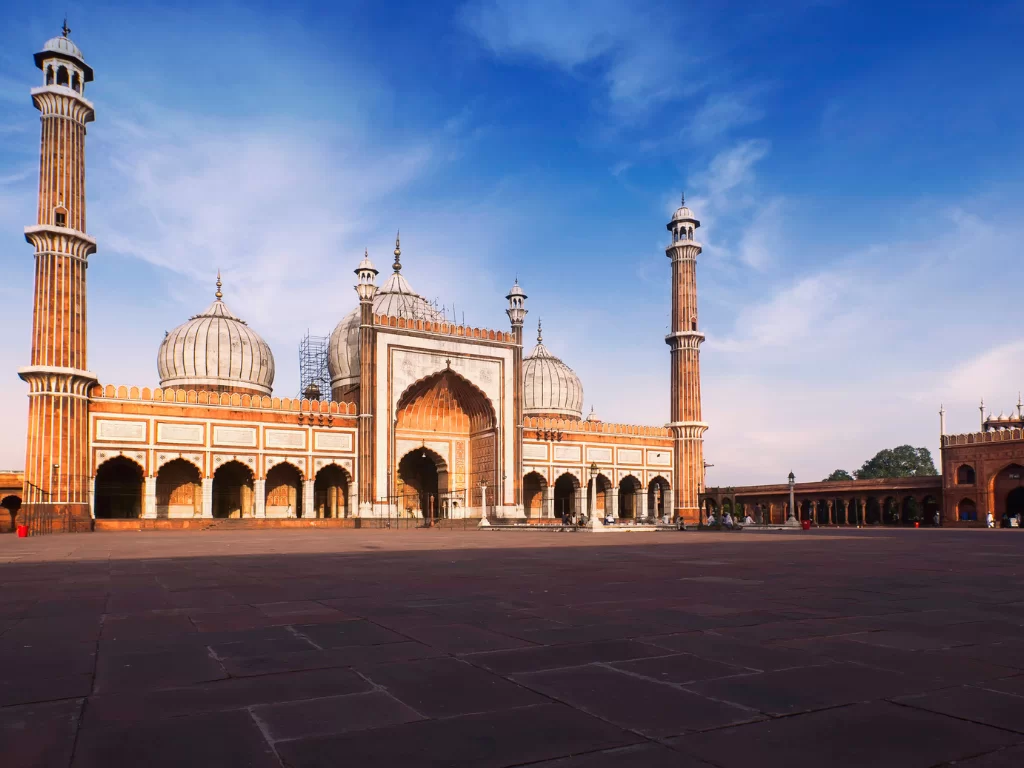
Why Visit: Jama Masjid is one of India’s largest mosques and a masterpiece of Mughal architecture. Visitors come to admire its grand design, historical significance, and experience the spiritual ambiance of an active place of worship.
Atmosphere: The mosque exudes a serene yet vibrant atmosphere, with the call to prayer, flowing crowds of worshippers, and bustling surroundings of Old Delhi creating a unique cultural experience.
What Makes it Special: Its striking red sandstone and white marble architecture, vast courtyard accommodating thousands, towering minarets, and proximity to historic bazaars make Jama Masjid an iconic Delhi landmark. The combination of spiritual significance, architectural brilliance, and lively surroundings makes it a must-visit destination for tourists and devotees alike.
Jama Masjid, also known as Masjid-i Jahan-Numa, was commissioned by the Mughal Emperor Shah Jahan in 1650 and completed in 1656. It stands as one of the largest mosques in India, constructed using red sandstone and white marble, reflecting the grandeur of Mughal architecture.
The mosque was designed to serve as the principal place of worship for the emperor and the city’s Muslim population. Its expansive courtyard can accommodate over 25,000 worshippers during prayers, making it a central hub for religious gatherings, especially during Eid and Friday prayers.
Over the centuries, Jama Masjid has remained a vital part of Delhi’s spiritual and cultural landscape, attracting both devotees and tourists. Its architectural elements, including minarets, domes, and ornate calligraphy, provide insight into Mughal design principles and the artistic heritage of 17th-century India.
The ideal time to visit Jama Masjid is during Delhi’s cooler months, from October to March, when the weather is pleasant and comfortable for exploring both the mosque and the surrounding Old Delhi streets. Early mornings and late afternoons provide fewer crowds and better lighting for photography.
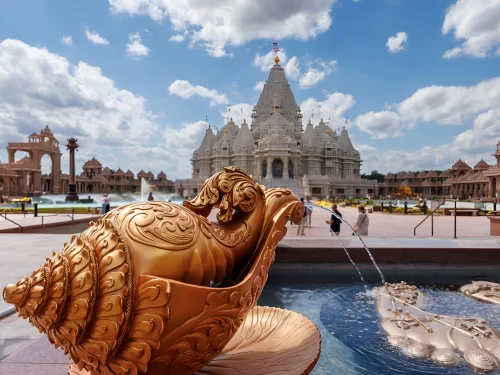 Temple
Akshardham Temple is a stunning Hindu temple in Delhi, celebrated for its intricate architecture, spiritual ambiance, and cultural exhibitions.
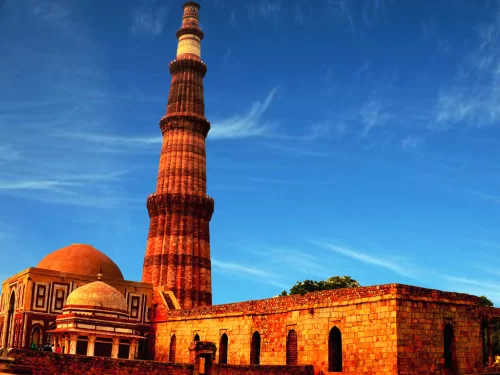 Historical Site
Qutub Minar is a towering 73-meter-high minaret in Delhi, renowned for its Indo-Islamic architecture and historical significance.
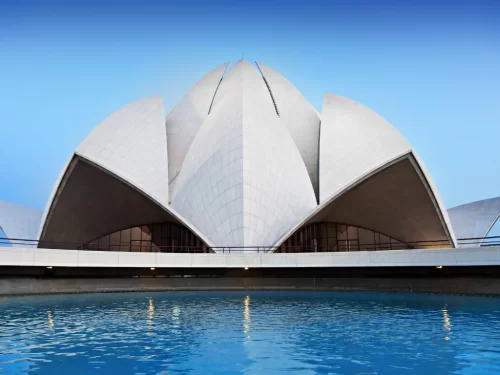 Tourist Attraction
Lotus Temple is a stunning flower-shaped Bahá?í House of Worship in Delhi, renowned for its serene ambiance and architectural beauty.
Get customized Delhi tour planning designed around traffic flow, seasonal weather comfort, heritage site exploration time, and realistic city pacing. Whether you are visiting for historical monuments, cultural experiences, food walks, shopping districts,
⚡ Quick Response | 💰 Free consultation | 🕒 24×7 expert support

