Quick Facts About Humayun's Tomb Delhi
| Entry Fee | Paid |
| Timings | 06:00 - 18:00 |
| Altitude (m) | 216 |
| Ideal Visit Duration (hrs) | 2 |
| Best Time of Day | Morning |
| Crowd Level | Moderate |
| Distance from Connaught Place (km) | 11 |
| Walking Difficulty | Easy |
| Parking Available | Yes |
| Last Mile Access | Car |
| Suitable for Kids | Yes |
| Suitable for Seniors | Yes |
| Wheelchair Friendly | Yes |
Why Visit Humayun's Tomb
Why Visit: Humayun's Tomb is a masterpiece of Mughal architecture and a UNESCO World Heritage site, offering visitors a glimpse into India’s royal past and architectural ingenuity. It is an essential stop for history enthusiasts, architecture lovers, and cultural explorers.
Atmosphere: The tomb is surrounded by expansive charbagh gardens with symmetrical pathways, fountains, and lush greenery, creating a serene and peaceful ambiance. The gentle sounds of flowing water and chirping birds enhance the tranquil environment.
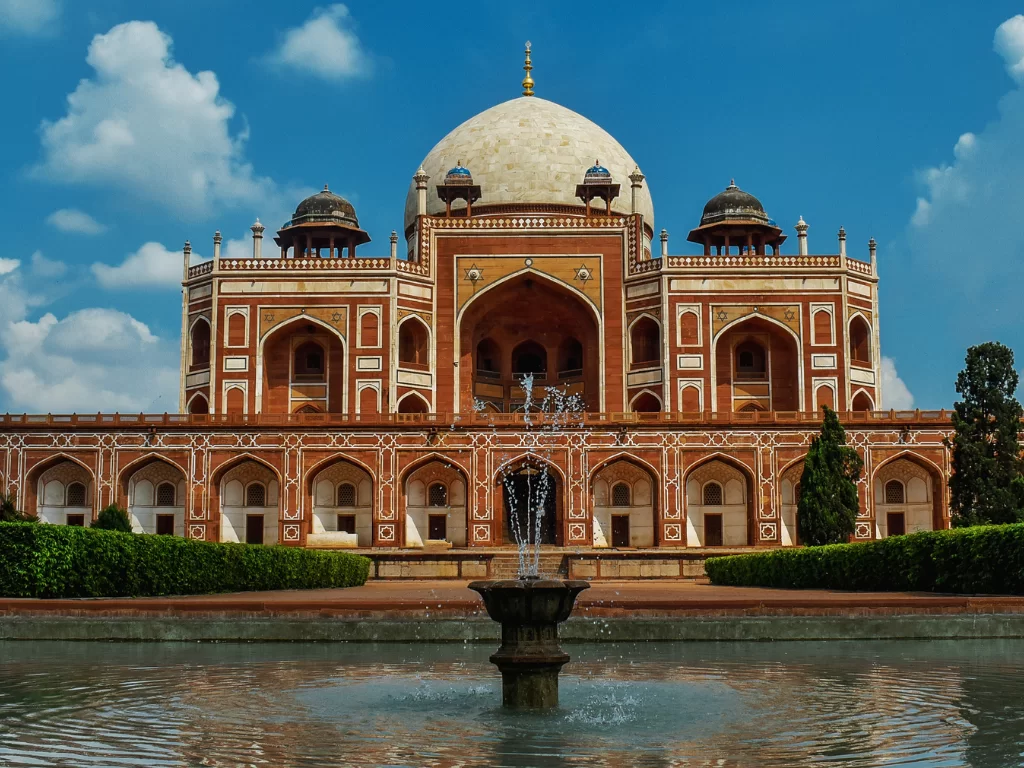
What Makes it Special: This tomb is the first garden tomb in India, which inspired the design of the Taj Mahal. Its red sandstone and white marble structure, intricate latticework, and perfectly proportioned domes make it an architectural marvel. The combination of historical significance, artistic brilliance, and beautifully maintained gardens makes Humayun’s Tomb a must-visit landmark in Delhi.
Best Time to Visit Humayun's Tomb
The best time to visit Humayun’s Tomb is during Delhi’s cooler months from October to March when the weather is comfortable for exploring the gardens and tomb complex. Early mornings and late afternoons provide soft light for photography and fewer crowds for a peaceful experience.
- Morning (6:00?AM–9:00?AM): Ideal for tranquil visits, soft lighting, and photography with minimal crowds.
- Afternoon (4:00?PM–6:00?PM): Warm sunlight highlights the red sandstone and white marble architecture beautifully.
- Winter Season (October–March): Comfortable temperatures for walking through the gardens and exploring the tomb complex.
- Summer (April–June): High temperatures can make walking and exploring uncomfortable; avoid midday hours.
- Festive Periods: Special occasions like World Heritage Week may feature events but can attract more visitors.
How to Reach Humayun's Tomb
- By Metro: The nearest metro station is JLN Stadium Metro Station on the Violet Line, about 1.5 km away. From there, auto-rickshaws, taxis, or a short walk lead to the tomb.
- By Train: Hazrat Nizamuddin Railway Station is approximately 2 km from the tomb. Visitors can hire taxis or auto-rickshaws for the last-mile connectivity.
- By Air: Indira Gandhi International Airport (DEL) is around 20 km away. Pre-booked taxis, app-based cabs, or private vehicles provide a direct route to the monument.
- By Road: Well-connected by city roads with signage. Buses, private cars, and taxis can reach the entrance easily. On-site parking is available but limited.
- Last Mile Access: Auto-rickshaws, cycle rickshaws, and walking are practical for navigating the pathways and gardens near the entrance.
What to Expect When You Visit Humayun's Tomb
- Stunning Mughal Architecture: Admire the perfectly symmetrical red sandstone and white marble tomb, intricate latticework, and beautifully proportioned domes.
- Expansive Charbagh Gardens: Enjoy the serene Mughal-style gardens with pathways, fountains, and water channels, offering a peaceful walking experience.
- Historical Significance: Learn about the tomb of Emperor Humayun, the influence on later Mughal monuments like the Taj Mahal, and the heritage of 16th-century India.
- Photography Opportunities: Ideal spots for architectural photography, wide-angle shots of the gardens, and capturing sunlight on the tomb during early morning or late afternoon.
- Visitor Amenities: Well-maintained pathways, seating areas, and informative plaques make the visit comfortable and educational.
- Nearby Attractions: Explore nearby monuments like Isa Khan’s Tomb and Nizamuddin Dargah to enrich your historical and cultural experience.
Important Visitor Information for Humayun's Tomb
- Crowd & Weather Notes: The tomb attracts moderate to heavy crowds on weekends, public holidays, and during school trips. October to March offers pleasant weather for exploration.
- Peak / Quiet Hours: Early morning (6:00?AM–9:00?AM) and late afternoon (4:00?PM–6:00?PM) are quieter. Midday and weekends are peak visiting hours with more tourists.
- Dress Code: Modest clothing is recommended for a respectful visit. Comfortable walking shoes are advised due to paved and garden pathways.
- Safety Notes: Generally safe; keep an eye on personal belongings. Follow park rules, avoid stepping on flowerbeds, and use designated pathways.
Photography and Viewpoint at Humayun's Tomb
- Architectural Photography: Capture the symmetrical red sandstone and white marble tomb, detailed latticework, and Mughal-style domes from various angles within the complex.
- Garden Perspectives: The charbagh gardens with fountains, pathways, and water channels provide excellent foregrounds for wide-angle and landscape photography.
- Golden Hour Shots: Early morning or late afternoon light enhances the warm tones of the tomb and creates soft shadows for striking photographs.
- Elevated Views: Some nearby terraces and platforms around the complex offer unique elevated perspectives of the main tomb and surrounding structures.
- Respectful Photography: Avoid photographing worshippers or school groups without permission. Tripods are allowed in some areas but confirm with on-site staff.
- Nearby Views: Capture Isa Khan’s Tomb, the gateways, and pathways within the complex for a complete heritage photography experience.