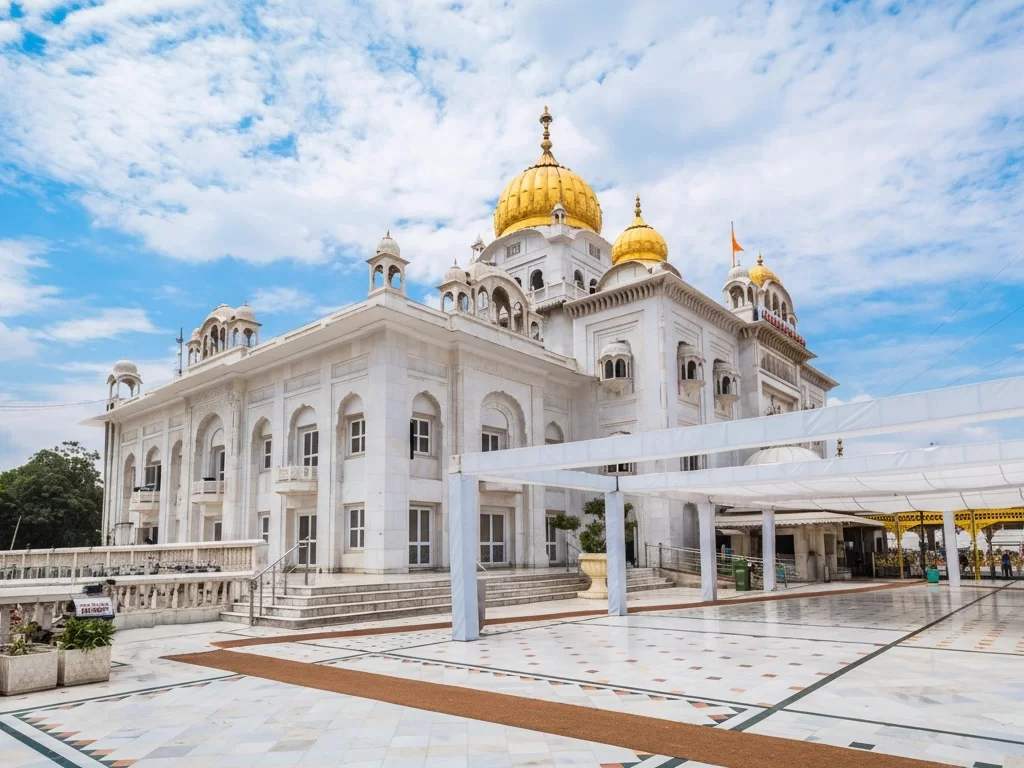
Gurdwara Bangla Sahib – Iconic Sikh Temple in Delhi

Gurdwara Bangla Sahib , Delhi
Gurdwara Bangla Sahib is a historic Sikh shrine located in central Delhi, near Connaught Place. Originally the residence of Raja Jai Singh, it became a gurdwara after Guru Har Krishan, the eighth Sikh Guru, stayed here during his visit to Delhi in the 17th century. The gurdwara features a striking golden dome, a serene sarovar (holy pond), and beautiful marble interiors. It is renowned for its spiritual ambiance, daily prayers, and langar (community kitchen) that serves free meals to thousands of visitors every day. The gurdwara is a center for devotion, meditation, and social service, making it a must-visit destination for both spiritual seekers and tourists.

Quick Facts About Gurdwara Bangla Sahib

Entry Fee Free
Timings 04:00 - 22:00
Altitude (m) 216
Ideal Visit Duration (hrs) 2
Best Time of Day Morning
Crowd Level High
Distance from Connaught Place (km) 2
Walking Difficulty Easy
Parking Available Yes
Last Mile Access Walk
Suitable for Kids Yes
Suitable for Seniors Yes
Wheelchair Friendly Yes

Why Visit Gurdwara Bangla Sahib

Gurdwara Bangla Sahib is a spiritual haven in the heart of Delhi, offering visitors a serene and uplifting experience. It is renowned for its sacred sarovar (holy pond), beautiful golden dome, and welcoming atmosphere that embodies the core Sikh values of devotion, humility, and community service.

Atmosphere

The gurdwara exudes a peaceful and devotional ambiance. Devotees can be seen praying, meditating, or reciting hymns in the main hall, while the soft chants from the daily kirtan create a tranquil environment. The calm waters of the sarovar, combined with the marble interiors and landscaped gardens, provide a sense of spiritual calm and reflection.

What Makes It Special

What sets Gurdwara Bangla Sahib apart is its historical significance and commitment to service. Visitors can witness the daily langar, where thousands are served free meals regardless of religion or background, reflecting Sikhism’s ethos of equality and compassion. The golden dome, sacred pond, and vibrant devotional rituals make it not only a spiritual destination but also a cultural and architectural landmark in Delhi.

History of Gurdwara Bangla Sahib

Gurdwara Bangla Sahib was originally the residence of Raja Jai Singh, a prominent 17th-century noble. The site became a gurdwara after Guru Har Krishan, the eighth Sikh Guru, stayed here during his visit to Delhi in 1675. During an epidemic of smallpox and cholera, the young Guru provided aid to the afflicted, offering healing through the holy waters of the pond within the premises.

Over time, the residence was converted into a gurdwara to commemorate the Guru’s compassionate acts. The main hall, golden dome, and the sacred sarovar were developed and expanded by successive Sikh devotees and community leaders. Today, the gurdwara stands as a vibrant center of devotion, social service, and spiritual learning, attracting thousands of visitors daily.

The gurdwara also continues the centuries-old tradition of langar, a community kitchen serving free meals to all visitors, embodying the Guru’s teachings of selfless service and equality. It remains one of the most important Sikh shrines in Delhi, combining spiritual, historical, and humanitarian significance.

Best Time to Visit Gurdwara Bangla Sahib

The ideal time to visit Gurdwara Bangla Sahib is during the cooler months from October to March, when Delhi experiences pleasant weather. This allows visitors to comfortably explore the gurdwara complex, spend time near the sarovar, and participate in prayers or attend the langar without the discomfort of extreme heat.

Early mornings are particularly serene, offering a peaceful environment for meditation and photography. Evenings are also recommended to experience the vibrant devotional atmosphere during kirtan sessions and the softly lit golden dome.
  • October to March is the most comfortable period for visiting
  • Early mornings are ideal for peaceful prayers and photography
  • Evenings are perfect for attending kirtan and enjoying the golden dome in soft light
  • Weekdays are less crowded compared to weekends and festival days
  • During Sikh festivals like Gurpurab, the gurdwara attracts large crowds but offers a unique spiritual experience

How to Reach Gurdwara Bangla Sahib

  • By Metro: The nearest metro station is Rajiv Chowk on the Blue Line, about 1 km from the gurdwara. Visitors can walk or take an auto-rickshaw from the station to reach the entrance in 5–10 minutes.
  • By Bus: Delhi Transport Corporation (DTC) buses frequently run routes passing near Connaught Place and central Delhi, stopping close to the gurdwara. Alight at Janpath or Connaught Place stops, followed by a short walk.
  • By Car or Taxi: Gurdwara Bangla Sahib is accessible via Ashoka Road and Baba Kharak Singh Marg. Private vehicles, app-based cabs, and taxis can drop visitors at the entrance. Paid parking is available nearby, but spaces may be limited during peak hours.
  • By Walking: For visitors in central Delhi, including Connaught Place and nearby neighborhoods, the gurdwara is within walking distance.
  • From Airport: Indira Gandhi International Airport is approximately 15 km away. Visitors can reach the gurdwara by taxi or a combination of metro and auto-rickshaw for easy access.

What to Expect When You Visit Gurdwara Bangla Sahib

  • Spiritual Ambiance: Visitors can experience a serene and devotional atmosphere, with continuous kirtan (Sikh hymns) and prayers creating a peaceful environment for meditation and reflection.
  • Golden Dome and Architecture: The striking golden dome, white marble interiors, and intricately designed pillars provide a visually impressive and spiritually uplifting setting.
  • Sarovar (Holy Pond): The sacred pond inside the gurdwara complex is believed to have healing powers. Many devotees perform ritual cleansing or offer prayers near its calm waters.
  • Langar (Community Kitchen): The gurdwara runs a free community kitchen serving thousands of visitors daily, showcasing Sikh principles of equality and selfless service.
  • Photography Opportunities: Early morning and late afternoon visits offer excellent lighting for photography, capturing the golden dome, sacred pond, and devotional activities.
  • Family-Friendly Environment: The gurdwara is safe and welcoming for visitors of all ages, including children and seniors, with clean and accessible pathways throughout the complex.

Important Visitor Information

  • Crowd & Weather Notes: Gurdwara Bangla Sahib sees high visitor numbers, especially on weekends, religious holidays, and Sikh festivals like Gurpurab. The best weather to visit is from October to March when Delhi experiences mild and pleasant temperatures. Summers (April to June) can be hot, so morning or late afternoon visits are preferable.
  • Peak / Quiet Hours: Peak hours are early morning (5:00 AM – 8:00 AM) for prayers and late afternoon (5:00 PM – 8:00 PM) during kirtan sessions. Quiet hours are mid-morning and weekday afternoons, offering a peaceful experience.
  • Dress Code: Modest clothing is required. Visitors should cover shoulders and legs, and women are encouraged to wear a scarf or dupatta to cover their heads inside the gurdwara.
  • Safety Notes: The gurdwara is generally safe, but visitors should be cautious of crowded areas and wet marble floors near the sarovar. Remove shoes before entering prayer halls and supervise children closely.

Photography and Viewpoint at Gurdwara Bangla Sahib

  • Golden Dome and Architecture: The gurdwara’s iconic golden dome, white marble interiors, and intricately carved pillars make it a visually stunning subject for photography. Wide-angle shots can capture the grandeur of the main hall and the courtyard.
  • Best Time for Photography: Early mornings and late afternoons provide soft, natural light that enhances the shimmer of the golden dome and the reflective sarovar, ideal for capturing serene and vibrant images.
  • Sarovar (Holy Pond): The sacred pond reflects the architecture beautifully, offering excellent opportunities for symmetry and reflection shots. Visitors can capture the calm waters, devotees, and surrounding greenery for unique compositions.
  • Devotional Activities: Kirtan performances, prayers, and langar activities provide authentic cultural moments for photography. Always maintain respect and avoid disturbing devotees during these activities.
  • Photography Tips: Mobile phones are suitable for casual shots, while DSLRs or mirrorless cameras can capture architectural details and low-light kirtan sessions. Avoid using tripods in crowded areas.
  • Overall Experience: Photographers can expect a combination of spiritual, architectural, and cultural elements. The vibrant gold, white marble, reflective pond, and devotional energy make it one of Delhi’s most photogenic religious sites.

Near By Attraction

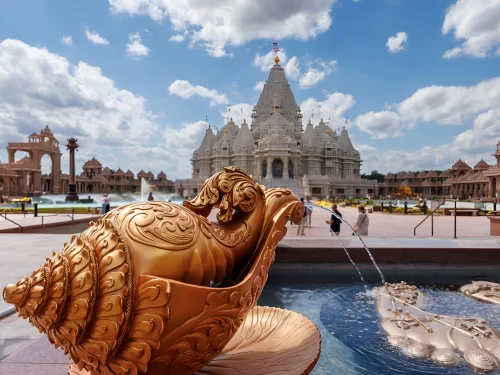
Akshardham Temple Delhi, grand Hindu temple complex with intricate carvings and iconic cultural landmark in India. Temple

Akshardham Temple

Akshardham Temple is a stunning Hindu temple in Delhi, celebrated for its intricate architecture, spiritual ambiance, and cultural exhibitions.
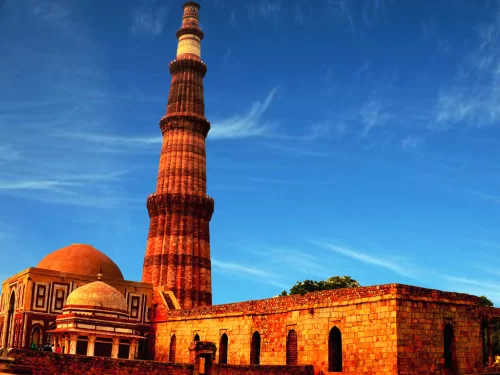
Qutub Minar with Quwwat-ul-Islam Mosque and surrounding sandstone ruins under a vivid blue sky in Delhi, showcasing UNESCO World Heritage Indo-Islamic architecture for Qutub Minar tour packages. Historical Site

Qutub Minar

Qutub Minar is a towering 73-meter-high minaret in Delhi, renowned for its Indo-Islamic architecture and historical significance.
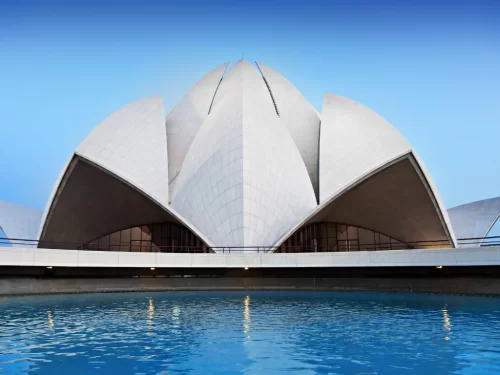
Lotus Temple, New Delhi – elegant white marble lotus petals rising above the tranquil blue reflecting pool, iconic Bahá’í House of Worship and serene highlight of Delhi city tour packages. Tourist Attraction

Lotus Temple

Lotus Temple is a stunning flower-shaped Bahá?í House of Worship in Delhi, renowned for its serene ambiance and architectural beauty.

Frequently Asked Questions About Gurdwara Bangla Sahib

Gurdwara Bangla Sahib Delhi is located on Ashoka Road near Connaught Place in Central Delhi. The gurdwara is easily accessible by road and metro.
There is no entry fee to visit Gurdwara Bangla Sahib Delhi. Visitors can enter the premises free of charge.
Gurdwara Bangla Sahib Delhi is open 24 hours a day. Visitors can enter at any time, though prayer and kirtan schedules continue throughout the day.
A visit to Gurdwara Bangla Sahib Delhi typically takes 45 minutes to 1.5 hours. Visitors spending time in prayer or langar may stay longer.
Photography is allowed in the outer premises of Gurdwara Bangla Sahib Delhi. Photography inside the main prayer hall should follow on-site guidelines.
The nearest metro station to Gurdwara Bangla Sahib Delhi is Shivaji Stadium on the Airport Express Line. Patel Chowk Metro Station on the Yellow Line is also nearby.
Gurdwara Bangla Sahib Delhi is approximately 2 to 3 kilometers from New Delhi Railway Station. Travel time by car usually ranges between 10 to 20 minutes depending on traffic.
Visitors to Gurdwara Bangla Sahib Delhi must cover their heads before entering the prayer hall. Shoes must be removed and modest clothing is expected.
Parking facilities are available at Gurdwara Bangla Sahib Delhi for cars and two-wheelers. Designated parking areas are located near the entrance.
Gurdwara Bangla Sahib Delhi provides langar services, shoe storage, drinking water, restrooms, and security screening at entry points.

Loved this place ? Let’s Plan Your Delhi Trip

Get customized Delhi tour planning designed around traffic flow, seasonal weather comfort, heritage site exploration time, and realistic city pacing. Whether you are visiting for historical monuments, cultural experiences, food walks, shopping districts,

⚡ Quick Response | 💰 Free consultation | 🕒 24×7 expert support

×

Plan Your Trip