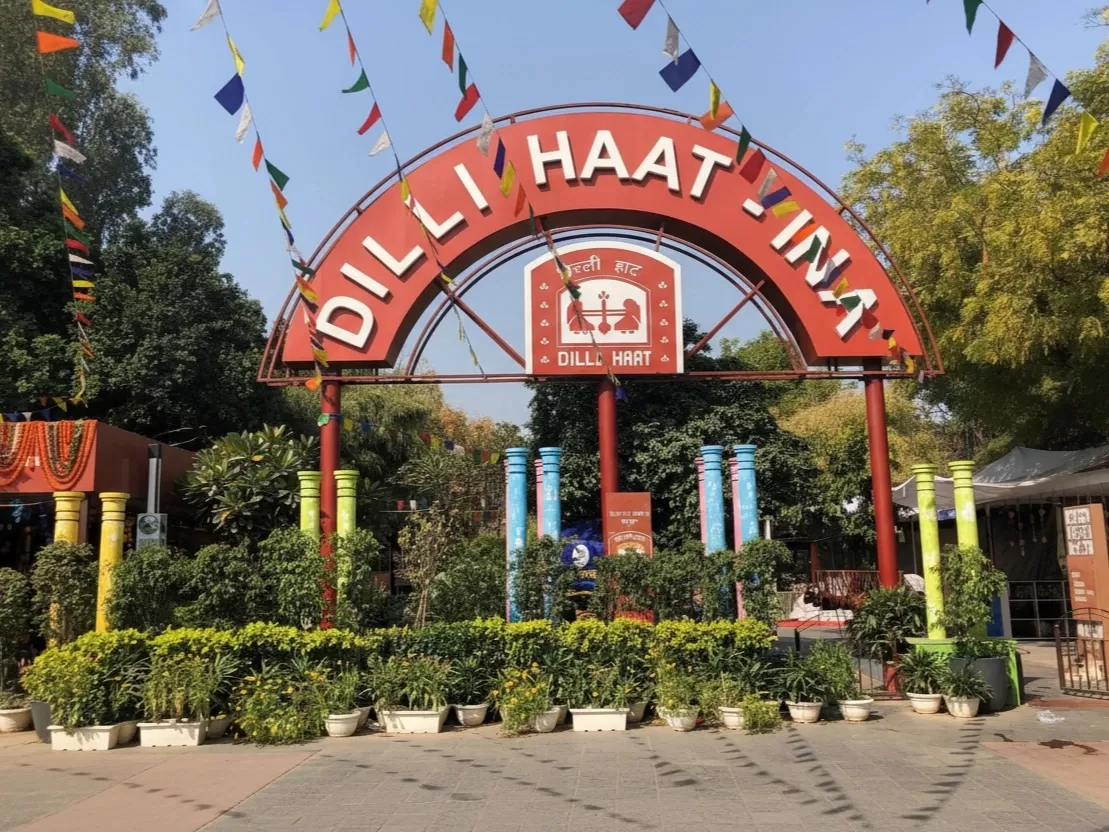
Dilli Haat – Delhi’s Cultural and Handicraft Hub

Dilli Haat , Delhi
Located in the heart of Delhi, Dilli Haat is an open-air bazaar designed to promote traditional Indian arts, crafts, and cuisines. Visitors can explore handmade products from across India, enjoy regional delicacies, and experience cultural performances. It is a perfect spot for tourists and locals to shop, dine, and immerse themselves in India’s diverse heritage.

Quick Facts About Dilli Haat

Entry Fee INR 30
Timings 10:30 - 22:00
Altitude (m) 216
Ideal Visit Duration (hrs) 3
Best Time of Day Evening
Crowd Level High
Distance from Connaught Place (km) 7
Walking Difficulty Easy
Parking Available Yes
Last Mile Access Metro
Suitable for Kids Yes
Suitable for Seniors Yes
Wheelchair Friendly Yes

Why Visit

Why Visit

Dilli Haat is a vibrant cultural and handicraft market in New Delhi that brings together India’s rich artistic heritage, traditional crafts, and regional cuisines in one open-air space. Visitors can explore unique handmade products from all over the country, enjoy live performances, and taste authentic regional dishes, making it an immersive experience for both locals and tourists. The market’s layout and design provide a relaxed, village-like atmosphere that stands out in the bustling city.

Atmosphere

The atmosphere at Dilli Haat is lively, festive, and colorful. Thatched cottages, brick-paved walkways, and open courtyards recreate the feel of a traditional Indian village market. Aromas from regional foods mix with the sounds of folk music and occasional dance performances, creating an immersive, multi-sensory experience. Late afternoons and evenings are particularly enjoyable, as cooler temperatures and cultural activities make the market vibrant yet comfortable for leisurely exploration.

What Makes it Special

Dilli Haat is special because it offers a rotating selection of artisans and crafts from across India, ensuring that every visit is unique. From handwoven textiles, pottery, and metalwork to traditional toys and jewelry, the variety is unmatched. The food court presents regional delicacies from different states, providing a culinary journey alongside the shopping experience. Regular cultural performances, festivals, and events add a layer of entertainment and education, making it a holistic cultural destination rather than just a marketplace.

History

Dilli Haat was inaugurated in March 1994 as a permanent open-air craft and cultural marketplace in New Delhi. It was developed by the Delhi Tourism and Transportation Development Corporation (DTTDC) along with the New Delhi Municipal Council (NDMC) and the Union Ministries of Textiles and Tourism to promote traditional Indian handicrafts and support artisans from across the country.

The concept of Dilli Haat is based on the traditional weekly rural market (“haat”) of India. It was designed to replicate the vibrant and rustic village market experience within the city, featuring thatched cottages, brick-paved walkways, open courtyards, and earthy architectural elements. This layout allows visitors to immerse themselves in India’s rich artistic and craft traditions while exploring the market.

Artisans from various Indian states rotate their stalls every fortnight, offering an ever-changing variety of handloom textiles, pottery, metalwork, jewelry, toys, and decorative items. Over the years, Dilli Haat has also become a venue for cultural performances, festivals, and events that highlight India’s diverse performing arts.

The success of the INA Dilli Haat led to the establishment of additional locations, including Pitampura in 2008 and Janakpuri in 2014, further cementing its role as a major cultural and handicraft hub in Delhi.

Best Time to Visit

Dilli Haat is an open-air market, so the experience is best enjoyed in pleasant weather. While it is open year-round, the cooler months and late afternoons offer the most comfortable and enjoyable visits. Planning your trip according to weather and crowd patterns will help you fully appreciate the crafts, food, and cultural performances.

  • October to March: Winter and early spring are ideal for visiting. Mild temperatures and cool evenings make exploring the open-air market and enjoying food stalls comfortable.
  • Late Afternoon & Evening: Visiting after 4 PM provides a cooler, more relaxed experience, along with vibrant cultural activities and performances.
  • Weekdays: Weekdays are generally less crowded than weekends, allowing more space to browse artisan stalls and enjoy food without rush.
  • Festive Periods: During festivals such as Diwali or the Winter Carnival, Dilli Haat becomes more lively, with themed decorations, cultural shows, and special regional crafts on display.
  • Summer & Monsoon Tips: April to June (summer) can be hot, and July to September (monsoon) can be humid. Early morning or late evening visits with sun protection and hydration are recommended if visiting during these months.

Overall, the best combination of weather, ambience, and cultural experience is during the cooler months of October to March, particularly in the late afternoon or evening, when you can enjoy the market, food, and live performances comfortably.
How to Reach

  • By Metro: The easiest and most convenient way to reach Dilli Haat is via the INA Metro Station on the Yellow and Pink Lines. From the station, it’s a short 2–3 minute walk to the market entrance. Metro travel avoids traffic and is ideal for tourists and locals alike.
  • By Bus: Multiple Delhi Transport Corporation (DTC) buses connect to the INA area. You can take buses heading toward South Delhi or INA Market. Stops are located within a short walking distance from the main entrance.
  • By Car / Taxi / Auto-Rickshaw: Private cars, taxis, and auto-rickshaws can drop visitors at the designated entrance. Paid parking is available near the market, but it can get full during peak hours and weekends.
  • By Air: The nearest airport is Indira Gandhi International Airport (IGI), approximately 15 km away. From the airport, visitors can take a taxi, rideshare, or metro to reach Dilli Haat in 30–40 minutes, depending on traffic.
  • By Train: The closest major railway station is New Delhi Railway Station (~8 km). From there, visitors can take a taxi, metro (Yellow Line to INA), or bus to reach Dilli Haat comfortably.
  • Walking / Cycling: For residents or nearby hotel guests, walking or cycling is feasible due to paved roads and pedestrian-friendly paths. The area around INA Market is well-connected for local travel.

What to Expect When You Visit

  • Vibrant Handicrafts: Explore a wide variety of handmade products from all over India, including textiles, pottery, metalwork, jewelry, traditional toys, and decorative items. The stalls rotate regularly, offering new items each visit.
  • Regional Cuisine: The food court features authentic dishes from different Indian states, allowing you to taste a diverse range of flavors in one location. From North Indian curries to South Indian snacks, street food to sweets, there is something for every palate.
  • Cultural Performances: Expect live music, folk dances, and occasional workshops that showcase India’s rich performing arts. Performances are often scheduled during evenings and weekends, adding energy and entertainment to the market.
  • Festive Atmosphere: During festivals like Diwali or the Winter Carnival, the market is decorated with lights, handicrafts, and themed displays, making visits extra lively and visually appealing.
  • Family-Friendly Environment: Open spaces, seating areas, and shaded pathways make Dilli Haat suitable for families with kids and seniors. It’s a comfortable and leisurely place to spend a few hours exploring.
  • Photography Opportunities: The colorful stalls, traditional architecture, and live performances create excellent opportunities for photography and capturing the vibrant essence of Indian culture.
  • Shopping & Bargaining: While many prices are fixed, some stalls allow polite bargaining. Expect a friendly and interactive shopping experience directly with artisans.
  • Accessibility: Paved pathways, ramps, and nearby metro access make the market accessible to wheelchairs and strollers, though some stalls may have limited space.

Important Visitor Information

  • Crowd & Weather Notes: Dilli Haat is busiest during weekends, evenings, and festive seasons. The winter months (October–March) are ideal for comfortable visits, while summers (April–June) can be hot and monsoon months (July–September) may be humid or rainy. Planning your visit during cooler hours improves the experience.
  • Peak / Quiet Hours: Peak hours are generally 5 PM–9 PM on weekends. Quiet hours are typically weekday mornings or early afternoons, allowing leisurely exploration of stalls and food courts.
  • Dress Code: Casual, comfortable clothing is recommended. Since it is an open-air market, light clothing in summer and layers in winter work best. Comfortable walking shoes are advisable due to brick-paved pathways and a large area to explore.
  • Safety Notes: Dilli Haat is generally safe for visitors. Keep an eye on personal belongings in crowded areas, especially during peak hours. Follow traffic and pedestrian rules when accessing the market, and avoid carrying valuables unnecessarily. Medical aid and security personnel are available on-site in case of emergencies.

Photography and Viewpoints

  • Vibrant Stalls and Colors: Dilli Haat’s thatched cottages, colorful handicraft stalls, and handcrafted products make for excellent photography subjects. Capture the textures, patterns, and intricate details of textiles, pottery, jewelry, and artwork.
  • Cultural Performances: Live folk dances, music performances, and occasional workshops provide dynamic, candid photography opportunities. Early evening performances are particularly photogenic under natural lighting and festive decorations.
  • Food Photography: The regional food stalls offer visually appealing dishes, from sweets to street-style snacks. Food photography enthusiasts can capture the vibrant colors, presentation, and variety of Indian cuisine.
  • Open Courtyards and Architecture: Brick-paved walkways, thatched roofs, and rustic layouts create picturesque backgrounds. Wide-angle shots can showcase the overall market ambience and traditional village-inspired design within Delhi.
  • Festive Decorations: During festivals and special events, Dilli Haat is decorated with lights, banners, and themed decor, providing great opportunities for colorful and lively photographs.
  • Best Time for Photography: Late afternoon to early evening offers soft natural light, reduces harsh shadows, and creates a warm ambiance. Weekdays are less crowded, allowing clearer shots without large crowds.
  • Viewpoints: Several elevated points and open courtyards offer good vantage points for capturing wide shots of the market, stalls, and visitors interacting with artisans. These viewpoints also provide a feel of the market’s layout and vibrant atmosphere.
  • Photography Tips: Respect artisans’ work and seek permission before close-up shots. Use natural lighting when possible and avoid obstructing visitors while taking pictures. Tripods may not be allowed during peak hours.

Near By Attraction

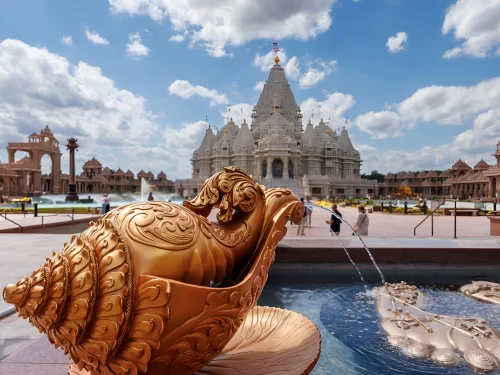
Akshardham Temple Delhi, grand Hindu temple complex with intricate carvings and iconic cultural landmark in India. Temple

Akshardham Temple

Akshardham Temple is a stunning Hindu temple in Delhi, celebrated for its intricate architecture, spiritual ambiance, and cultural exhibitions.
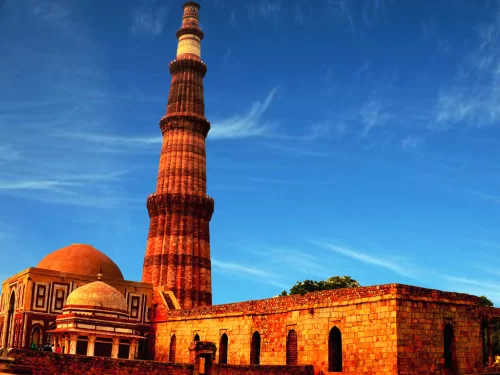
Qutub Minar with Quwwat-ul-Islam Mosque and surrounding sandstone ruins under a vivid blue sky in Delhi, showcasing UNESCO World Heritage Indo-Islamic architecture for Qutub Minar tour packages. Historical Site

Qutub Minar

Qutub Minar is a towering 73-meter-high minaret in Delhi, renowned for its Indo-Islamic architecture and historical significance.

Lotus Temple, New Delhi – elegant white marble lotus petals rising above the tranquil blue reflecting pool, iconic Bahá’í House of Worship and serene highlight of Delhi city tour packages. Tourist Attraction

Lotus Temple

Lotus Temple is a stunning flower-shaped Bahá?í House of Worship in Delhi, renowned for its serene ambiance and architectural beauty.

Frequently Asked Questions About Dilli Haat

Dilli Haat Delhi is located in INA near Aurobindo Marg in South Delhi. The open-air market complex is easily accessible by road and metro.
Dilli Haat Delhi charges a nominal entry fee for visitors. The ticket can be purchased at the entrance gate.
Dilli Haat Delhi is open daily from around 10:00 AM to 10:00 PM. Timings may vary slightly on public holidays.
A visit to Dilli Haat Delhi typically takes 1.5 to 3 hours. Visitors spending time shopping and dining may stay longer.
The nearest metro station to Dilli Haat Delhi is Dilli Haat INA Metro Station on the Yellow and Pink Lines. The entrance is within walking distance of the station.
Dilli Haat Delhi is approximately 9 to 11 kilometers from New Delhi Railway Station. Travel time by car usually ranges between 25 to 40 minutes depending on traffic.
Parking facilities are available at Dilli Haat Delhi for cars and two-wheelers. Paid parking areas are located near the main entrance.
Dilli Haat Delhi provides restrooms, seating areas, food courts, ATMs nearby, and security screening at entry points.
Dilli Haat Delhi remains open on Sundays as it operates daily. Weekends are usually busier compared to weekdays.
Dilli Haat Delhi is suitable for families due to its open layout, cultural stalls, and diverse food options. The environment is generally safe and organized.

Loved this place ? Let’s Plan Your Delhi Trip

Get customized Delhi tour planning designed around traffic flow, seasonal weather comfort, heritage site exploration time, and realistic city pacing. Whether you are visiting for historical monuments, cultural experiences, food walks, shopping districts,

⚡ Quick Response | 💰 Free consultation | 🕒 24×7 expert support

×

Plan Your Trip