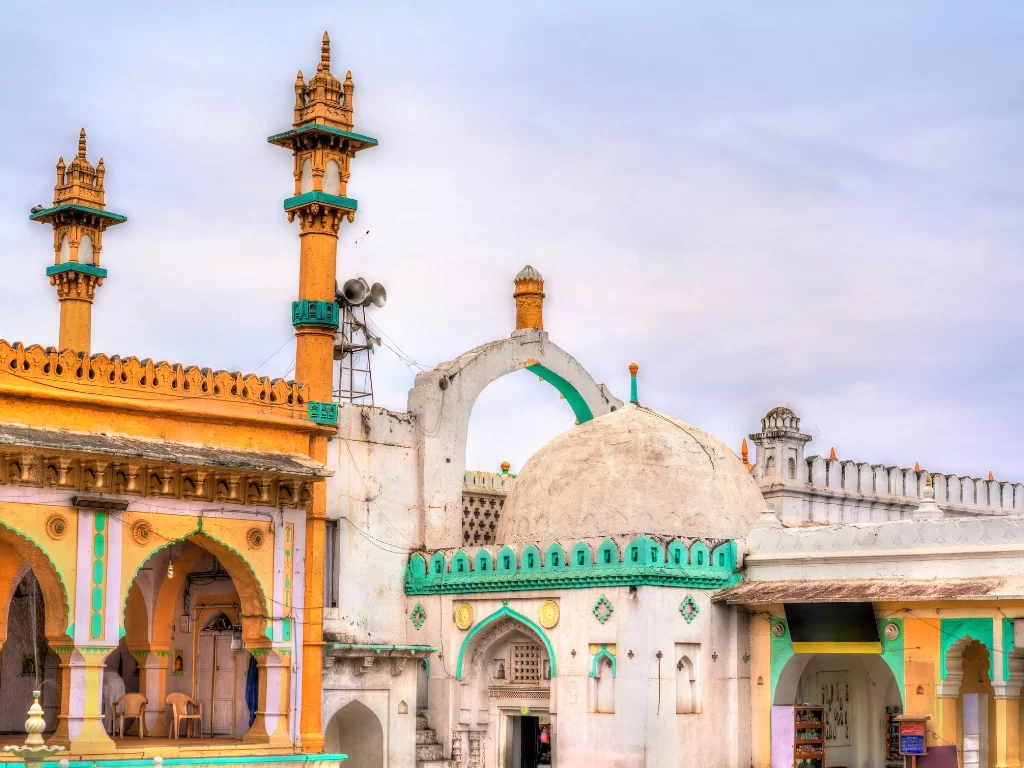
Dargah Hazrat Nizamuddin Aulia – Famous Sufi Shrine in Delhi

Dargah Hazrat Nizamuddin Aulia , Delhi
Dargah Hazrat Nizamuddin Aulia is a renowned Sufi shrine located in the Nizamuddin West area of Delhi. It is the resting place of the 13th-century Sufi saint Hazrat Nizamuddin Aulia, a leading figure of the Chishti order known for his teachings of love, compassion, and devotion. The dargah attracts devotees from all religions, especially during the evening qawwali sessions and annual Urs festival, making it a spiritually vibrant and culturally significant destination in the city.

Quick Facts About Dargah Hazrat Nizamuddin Aulia

Entry Fee Free
Timings 05:00 - 22:30
Altitude (m) 216
Ideal Visit Duration (hrs) 1
Best Time of Day Evening
Crowd Level High
Distance from Connaught Place (km) 5
Walking Difficulty Moderate
Parking Available Yes
Last Mile Access Walk
Suitable for Kids Yes
Suitable for Seniors No
Wheelchair Friendly No

Why Visit Dargah Hazrat Nizamuddin Aulia

Dargah Hazrat Nizamuddin Aulia is a place of deep spiritual significance and living Sufi tradition. Visitors come here to experience an atmosphere of devotion, inclusivity, and inner peace inspired by the teachings of Hazrat Nizamuddin Aulia, who preached love for humanity beyond religious boundaries. The dargah remains an active center of prayer and faith, drawing devotees, seekers, and travelers from across India and the world.

Atmosphere

The atmosphere inside the dargah is vibrant, emotional, and spiritually charged. The sound of qawwali, rhythmic prayers, and the fragrance of incense create a powerful sensory experience. Even amid large crowds, the space feels intimate and devotional, especially during evening hours when lamps are lit and spiritual gatherings take place.

What Makes It Special

What makes the dargah truly special is its uninterrupted Sufi legacy spanning over seven centuries. It is one of the most important centers of the Chishti Sufi order in India and continues to host traditional qawwali sessions that have been passed down through generations. The presence of nearby historical tombs and the strong sense of communal harmony make the site not only a religious destination but also a culturally and historically meaningful place in Delhi.

History of Dargah Hazrat Nizamuddin Aulia

Dargah Hazrat Nizamuddin Aulia is the final resting place of the 13th-century Sufi saint, Hazrat Nizamuddin Aulia, a revered spiritual leader of the Chishti order in India. Built around his tomb, the shrine has been a center of devotion for centuries, attracting people of all faiths who seek blessings and spiritual guidance.

The dargah complex has grown over time, incorporating several other notable tombs and structures, including those of Amir Khusro, the legendary Sufi musician and poet, and other prominent disciples. The site has been maintained and expanded under various rulers, reflecting its continued importance in Delhi's spiritual and cultural landscape.

Today, the dargah not only serves as a place of worship but also as a hub for Sufi music, particularly qawwali, which continues the centuries-old tradition of devotional singing introduced by the saint and his followers. It stands as a living testament to the enduring influence of Sufism in India.

Best Time to Visit Dargah Hazrat Nizamuddin Aulia

The ideal time to visit Dargah Hazrat Nizamuddin Aulia is during the cooler months from October to March, when Delhi experiences mild and pleasant weather. During this period, exploring the dargah and attending evening qawwali sessions is comfortable, and the atmosphere is more enjoyable for extended visits.

Evenings are particularly recommended, as the dargah comes alive with devotional music, prayers, and the lighting of lamps, creating a spiritually enriching environment. Visiting during weekdays can help avoid the larger crowds that gather on weekends and public holidays.
  • October to March offers the most comfortable weather for visiting and walking around the complex
  • Evening visits provide an immersive experience with qawwali sessions and devotional gatherings
  • Weekdays are quieter and ideal for those seeking a more peaceful visit
  • During Urs festival (death anniversary of Hazrat Nizamuddin Aulia), expect very high crowds but a unique spiritual atmosphere
  • Avoid the peak summer months (April to June) due to high temperatures and midday heat

How to Reach Dargah Hazrat Nizamuddin Aulia

  • By Metro: The nearest metro station is Nizamuddin Metro Station on the Pink Line, approximately 1 km from the dargah. From the station, visitors can walk or take an auto-rickshaw to reach the shrine within 5–10 minutes.
  • By Train: Hazrat Nizamuddin Railway Station is about 1 km away, making it convenient for travelers arriving by train. Auto-rickshaws or taxis from the station can drop visitors directly at the dargah entrance.
  • By Bus: Delhi Transport Corporation (DTC) buses frequently operate to and from Connaught Place, Nizamuddin West, and nearby areas. Alight at stops near Nizamuddin or Sunder Nursery and walk a short distance to the dargah.
  • By Car or Taxi: The dargah is accessible via Mathura Road or Lala Lajpat Rai Marg. Visitors can use private cars, taxis, or app-based cabs. Parking is limited and available in designated areas outside the complex.
  • By Walking: For visitors exploring Nizamuddin West or Sunder Nursery, the dargah is within walking distance. Narrow lanes require careful navigation, particularly during peak visiting hours.
  • From Airport: Indira Gandhi International Airport is approximately 15 km from the dargah. A taxi, app-based cab, or a combination of metro and auto-rickshaw can be used for easy access.

What to Expect When You Visit Dargah Hazrat Nizamuddin Aulia

  • Spiritual Experience: Visitors can expect a deeply devotional atmosphere, with prayers, chanting, and offerings taking place throughout the day. The site attracts people from all faiths seeking blessings and spiritual solace.
  • Qawwali Sessions: Evening qawwali performances are a major highlight, featuring soulful Sufi music that has been part of the dargah tradition for centuries. These sessions create an immersive and emotional experience for visitors.
  • Crowds: The dargah can be crowded, especially during Thursdays, Fridays, weekends, and the annual Urs festival. Patience is advised when navigating narrow pathways and waiting for darshan.
  • Architecture and Surroundings: Visitors will see beautiful Mughal-era architecture, including intricate tombs, archways, and courtyards. The serene inner sanctum contrasts with the bustling lanes outside.
  • Local Culture: The area around the dargah offers street food, stalls selling religious items, and the vibrant local culture of Nizamuddin West, providing a rich sensory experience.
  • Short to Moderate Visit Duration: Most visitors spend 45 minutes to 1.5 hours exploring the complex, attending prayers, and enjoying the qawwali performances.

Important Visitor Information

  • Crowd & Weather Notes: The dargah is frequently crowded, especially on Thursdays, Fridays, weekends, and during the annual Urs festival. Weather from October to March is ideal, with mild and pleasant temperatures. Summers (April to June) can be hot and humid, making mid-day visits uncomfortable.
  • Peak / Quiet Hours: Peak hours are late mornings and evenings, particularly during qawwali sessions. Early mornings and weekday visits are relatively quieter and more suitable for those seeking a peaceful experience.
  • Dress Code: Modest clothing is recommended. Visitors should cover shoulders and legs, and women are encouraged to wear a scarf or dupatta to cover their heads inside the shrine.
  • Safety Notes: The lanes and inner courtyards can get crowded. Visitors should exercise caution while moving through narrow pathways, watch for uneven surfaces, and supervise children. Photography is allowed, but care is needed around devotees and during prayer times.

Photography and Viewpoint at Dargah Hazrat Nizamuddin Aulia

  • Architectural Highlights: The dargah complex features stunning Mughal-era tombs, archways, and courtyards that are ideal for photography. The intricate carvings, domes, and decorative patterns provide excellent opportunities for both wide-angle and close-up shots.
  • Best Time for Photography: Early mornings and late afternoons offer soft natural light, perfect for capturing the warm tones of sandstone and the serene atmosphere of the shrine. Evening qawwali sessions create a unique ambiance but require low-light photography techniques.
  • Popular Viewpoints: The main entrance and inner courtyard provide broad views of the tombs and central prayer area. Small terraces and elevated spots around the complex allow visitors to frame the entire shrine and surrounding lanes.
  • Spiritual Moments: Capturing devotional rituals, qawwali performances, and offerings can create compelling cultural photographs, but visitors should always maintain respect and avoid intrusive angles.
  • Tips for Photography: Carry a camera with adjustable ISO for low-light situations. Tripods may not be practical due to crowds, so handheld or mobile photography is recommended. Be mindful of restricted areas and avoid flash during prayer times.
  • Overall Experience: Photographers and travelers can expect a combination of historical architecture, spiritual activity, and vibrant street scenes surrounding the dargah, making it one of Delhi’s most photogenic religious sites.

Near By Attraction

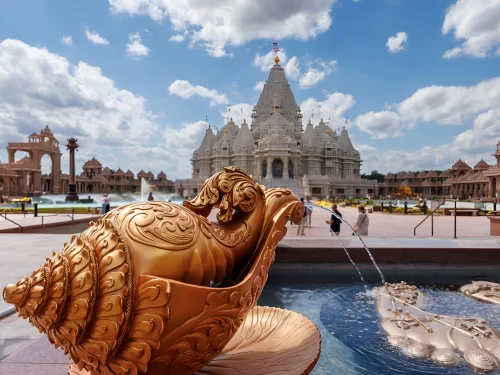
Akshardham Temple Delhi, grand Hindu temple complex with intricate carvings and iconic cultural landmark in India. Temple

Akshardham Temple

Akshardham Temple is a stunning Hindu temple in Delhi, celebrated for its intricate architecture, spiritual ambiance, and cultural exhibitions.
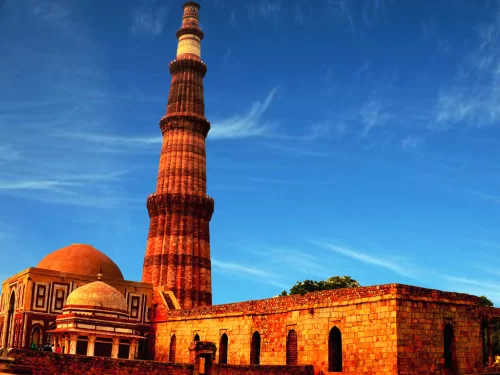
Qutub Minar with Quwwat-ul-Islam Mosque and surrounding sandstone ruins under a vivid blue sky in Delhi, showcasing UNESCO World Heritage Indo-Islamic architecture for Qutub Minar tour packages. Historical Site

Qutub Minar

Qutub Minar is a towering 73-meter-high minaret in Delhi, renowned for its Indo-Islamic architecture and historical significance.
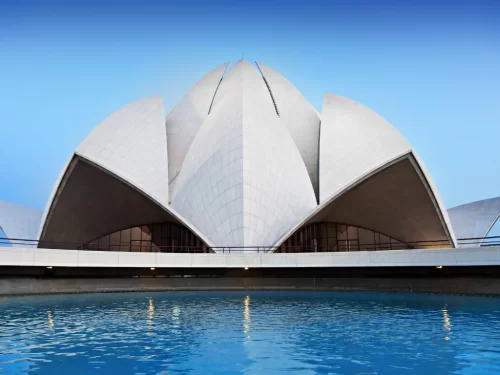
Lotus Temple, New Delhi – elegant white marble lotus petals rising above the tranquil blue reflecting pool, iconic Bahá’í House of Worship and serene highlight of Delhi city tour packages. Tourist Attraction

Lotus Temple

Lotus Temple is a stunning flower-shaped Bahá?í House of Worship in Delhi, renowned for its serene ambiance and architectural beauty.

Frequently Asked Questions About Dargah Hazrat Nizamuddin Aulia

Dargah Hazrat Nizamuddin Aulia Delhi is located in Nizamuddin West in South Delhi. The shrine is situated near Humayun?s Tomb and is accessible through narrow market lanes.
There is no entry fee to visit Dargah Hazrat Nizamuddin Aulia Delhi. Visitors can enter the shrine free of charge.
Dargah Hazrat Nizamuddin Aulia Delhi is open daily from early morning until late evening. Visiting hours generally align with prayer timings.
A visit to Dargah Hazrat Nizamuddin Aulia Delhi typically takes 45 minutes to 1 hour. Visitors attending evening qawwali sessions may stay longer.
Photography at Dargah Hazrat Nizamuddin Aulia Delhi is generally allowed in outer areas. Visitors should follow on-site guidelines and avoid disturbing prayer activities.
The nearest metro station to Dargah Hazrat Nizamuddin Aulia Delhi is JLN Stadium on the Violet Line. Hazrat Nizamuddin Railway Station is also nearby.
Dargah Hazrat Nizamuddin Aulia Delhi is approximately 7 to 9 kilometers from New Delhi Railway Station. Travel time by car usually ranges between 20 to 35 minutes depending on traffic.
Visitors to Dargah Hazrat Nizamuddin Aulia Delhi are expected to wear modest clothing covering shoulders and knees. Head covering is recommended inside the shrine.
Parking near Dargah Hazrat Nizamuddin Aulia Delhi is limited due to narrow lanes. Visitors are advised to park on the main road and walk to the shrine.
Dargah Hazrat Nizamuddin Aulia Delhi provides basic facilities including shoe storage and small shops in the surrounding area. Visitors should expect security presence during busy hours.

Loved this place ? Let’s Plan Your Delhi Trip

Get customized Delhi tour planning designed around traffic flow, seasonal weather comfort, heritage site exploration time, and realistic city pacing. Whether you are visiting for historical monuments, cultural experiences, food walks, shopping districts,

⚡ Quick Response | 💰 Free consultation | 🕒 24×7 expert support

×

Plan Your Trip