Royal Heritage of Rajasthan – Forts, Palaces and Living History
Rajasthan’s royal heritage showcases magnificent forts, grand palaces, ancient traditions, and living cultural experiences that reflect the state’s historic kingdoms and royal legacy.
+91 9910402252
admin@chalbanjare.com


Rajasthan is famous for royal forts, palaces, desert landscapes, vibrant culture, traditional cuisine, wildlife, and unique heritage experiences across its historic cities.
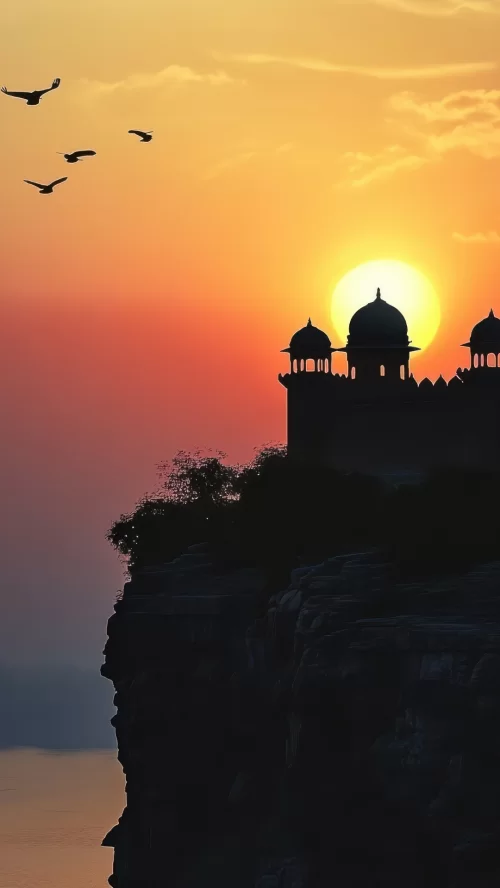
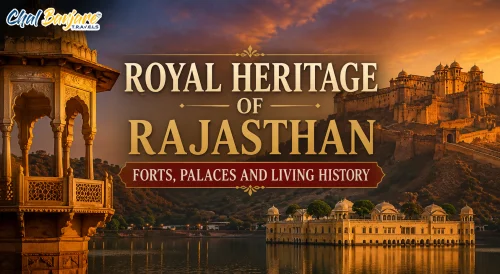
Rajasthan is internationally recognised for its magnificent forts, many of which stand as symbols of Rajput bravery, architectural excellence, and centuries of royal history. These impressive structures were built not only as defensive strongholds but also as administrative centres and royal residences. Forts such as Amber Fort near Jaipur, Mehrangarh Fort in Jodhpur, Jaisalmer Fort rising from the Thar Desert, Chittorgarh Fort, Kumbhalgarh Fort, Junagarh Fort in Bikaner, and Taragarh Fort in Bundi each represent different periods of Rajasthan's remarkable past.
Every fort offers a unique experience through grand gateways, royal courtyards, intricately carved palaces, temples, museums, panoramic viewpoints, and historic walls that overlook surrounding landscapes. Exploring these monuments allows visitors to appreciate Rajasthan's military architecture while understanding the strategic importance these forts once held. Their exceptional preservation continues to make them some of India's most admired historical attractions.
Rajasthan's forts remain among the state's greatest attractions, offering visitors an unforgettable introduction to its royal history, architecture, and cultural legacy.
The royal architecture of Rajasthan extends far beyond its famous forts. Throughout the state, visitors encounter elegant palaces, intricately designed havelis, ancient temples, cenotaphs, stepwells, gardens, gateways, and historic neighbourhoods that together reflect centuries of artistic achievement. Every city showcases its own architectural style shaped by geography, local materials, and the patronage of Rajput rulers.
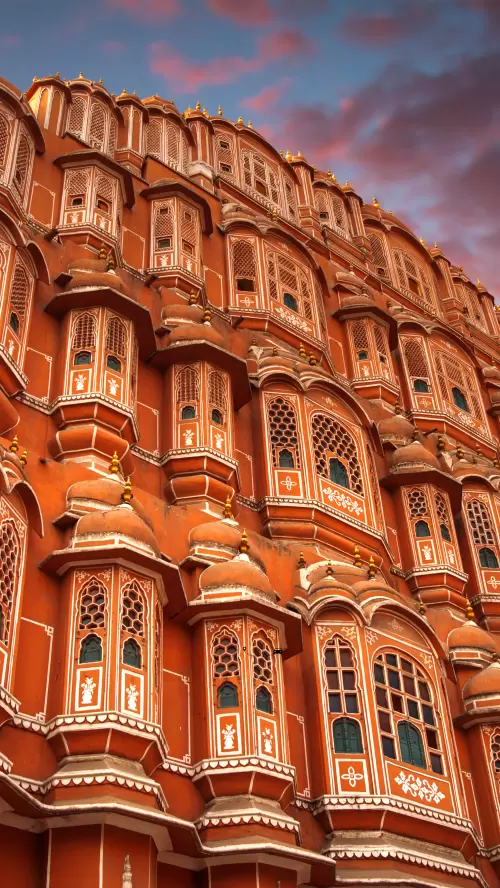
Historic landmarks such as City Palace complexes, Hawa Mahal, Jal Mahal, royal gardens, temple complexes, and beautifully decorated residential mansions illustrate the remarkable craftsmanship that flourished throughout Rajasthan. Walking through these heritage areas allows travellers to observe carved balconies, painted interiors, marble courtyards, decorative arches, and traditional urban planning that continue to define Rajasthan's cultural identity.
Rajasthan's royal architecture creates one of India's richest collections of historic landmarks, attracting visitors interested in heritage, history, and photography.
Rajasthan's identity is closely connected with the history of the Rajput kingdoms, whose rulers established powerful states, constructed magnificent forts, and encouraged remarkable developments in architecture, art, literature, and culture. Many of the monuments standing today reflect stories of courage, diplomacy, trade, and artistic patronage that shaped the region for centuries. These traditions remain visible not only in monuments but also in local customs, festivals, and community life.
Visitors exploring Rajasthan's museums, forts, palaces, and heritage sites gain valuable insight into the evolution of Rajput society and its influence on the state's cultural landscape. Traditional ceremonies, preserved royal collections, and heritage properties continue to celebrate this historical legacy while making it accessible to travellers from around the world. Understanding this connection enriches every visit to Rajasthan's historic destinations.
Rajasthan's enduring connection with Rajput history gives every fort, palace, and heritage city a deeper meaning that enhances the overall travel experience.
Rajasthan is home to some of India's most celebrated royal residences, each reflecting the elegance and grandeur of former princely states. The City Palace complexes in Jaipur and Udaipur, the iconic Lake Palace on Lake Pichola, Umaid Bhawan Palace in Jodhpur, Lalgarh Palace in Bikaner, and numerous heritage mansions showcase remarkable architecture, royal collections, decorative artwork, and beautifully maintained courtyards. Many of these palaces continue to function as museums, heritage hotels, or cultural centres.
Visitors can explore magnificent halls, royal apartments, ceremonial courtyards, galleries, and gardens while learning about the lifestyles of Rajasthan's ruling families. The combination of marble architecture, colourful interiors, mirror work, intricate carvings, and historic artefacts provides an immersive experience that highlights the sophistication of Rajasthan's royal heritage.
Rajasthan's magnificent palaces provide travellers with an unforgettable opportunity to experience the luxury, elegance, and architectural brilliance of India's royal past.
Many palace complexes across Rajasthan now function as museums displaying royal costumes, weapons, paintings, manuscripts, ceremonial objects, vintage vehicles, furniture, and decorative arts collected over generations. These carefully preserved collections provide valuable insight into the daily lives, administrative traditions, artistic interests, and ceremonial customs of Rajasthan's former rulers.
Visitors can also experience heritage attractions through guided tours, palace courtyards, royal gardens, historic balconies, audience halls, and ceremonial rooms that illustrate how royal families once lived and governed their kingdoms. Exploring these heritage sites creates a deeper appreciation of Rajasthan's remarkable cultural legacy while complementing visits to forts and temples.
Palace museums and heritage attractions allow travellers to explore Rajasthan's royal history through carefully preserved collections and authentic historical settings.
One of Rajasthan's most distinctive experiences is its tradition of royal hospitality. Numerous former palaces, forts, and heritage mansions have been converted into elegant hotels where visitors can experience historic surroundings combined with modern comfort. These properties preserve original architecture, decorative interiors, courtyards, gardens, and traditional design while offering guests an atmosphere inspired by Rajasthan's royal heritage.
Beyond accommodation, many heritage properties organise cultural performances, traditional dining experiences, folk music, local cuisine, and guided heritage walks that introduce visitors to Rajasthan's customs and hospitality. Even travellers not staying overnight can often visit palace museums, restaurants, gardens, or cultural events hosted within these remarkable historic buildings. These experiences create memorable connections with Rajasthan's living royal traditions.
Rajasthan's heritage hospitality allows travellers to experience royal traditions in an authentic and memorable way while enjoying some of India's most remarkable historic properties.
The Thar Desert is one of Rajasthan's most iconic attractions and plays a major role in the state's tourism identity. Around Jaisalmer, visitors encounter endless stretches of golden sand dunes, sandstone villages, ancient trade routes, and dramatic desert scenery that changes throughout the day with shifting sunlight. The landscape offers a unique contrast to Rajasthan's lakes, forests, and royal cities, making western Rajasthan one of the most memorable regions to explore.
Travellers often spend time visiting famous dune areas, exploring historic desert settlements, and enjoying panoramic views across open landscapes. The peaceful atmosphere, traditional architecture, and vast desert horizons create excellent opportunities for photography and nature appreciation. Every season presents the desert in a different way, with cooler months providing especially comfortable conditions for outdoor exploration.
The Thar Desert offers one of Rajasthan's most distinctive travel experiences, combining remarkable scenery, history, and cultural heritage in a spectacular natural setting.
Camel safaris remain among Rajasthan's most popular outdoor experiences, allowing travellers to explore the desert at a relaxed pace while following traditional routes once used by traders and local communities. Riding across the dunes provides visitors with a unique perspective of the landscape while offering opportunities to experience the quiet beauty of the desert away from busy towns.
Many visitors also enjoy overnight desert camps that combine comfortable accommodation with traditional cultural programmes, local cuisine, and stargazing under clear desert skies. Watching the sun rise or set across the sand dunes remains one of the highlights of a Rajasthan journey, creating unforgettable views that attract photographers and nature enthusiasts throughout the year.
Combining camel safaris, desert camps, and sunset views creates one of Rajasthan's most unforgettable travel experiences for visitors of all ages.
The desert is not only about sand dunes but also about communities that have adapted to its challenging environment for generations. Traditional villages around Jaisalmer and western Rajasthan preserve local customs, architecture, handicrafts, music, and everyday lifestyles that reflect the region's remarkable cultural heritage. Visiting these communities allows travellers to appreciate the human history of the Thar Desert alongside its natural beauty.
Evening cultural performances featuring folk music, traditional dance, storytelling, and regional instruments often accompany desert experiences. These performances celebrate Rajasthan's artistic traditions while introducing visitors to customs that continue to thrive today. Combined with local cuisine and warm hospitality, they provide a deeper understanding of desert culture beyond sightseeing alone.
Desert villages and cultural performances add depth to Rajasthan's desert tourism while allowing travellers to experience the traditions that continue to shape life in the Thar Desert.
Rajasthan is internationally recognised for its vibrant cultural traditions, where music, dance, storytelling, and festivals continue to play an important role in everyday life. Folk performances featuring traditional instruments, colourful costumes, and energetic dance forms are organised throughout the state in cultural centres, heritage hotels, village events, and public festivals. These performances reflect centuries of artistic expression that have been carefully preserved across generations.
Throughout the year, visitors can also experience local fairs, religious celebrations, seasonal festivals, and community gatherings that showcase Rajasthan's rich cultural identity. These events provide opportunities to witness traditional ceremonies, regional customs, artisan exhibitions, and local cuisine while interacting with communities that continue to celebrate their heritage with pride.
Music, dance, and festivals provide travellers with memorable opportunities to experience Rajasthan's vibrant living culture beyond its famous monuments.
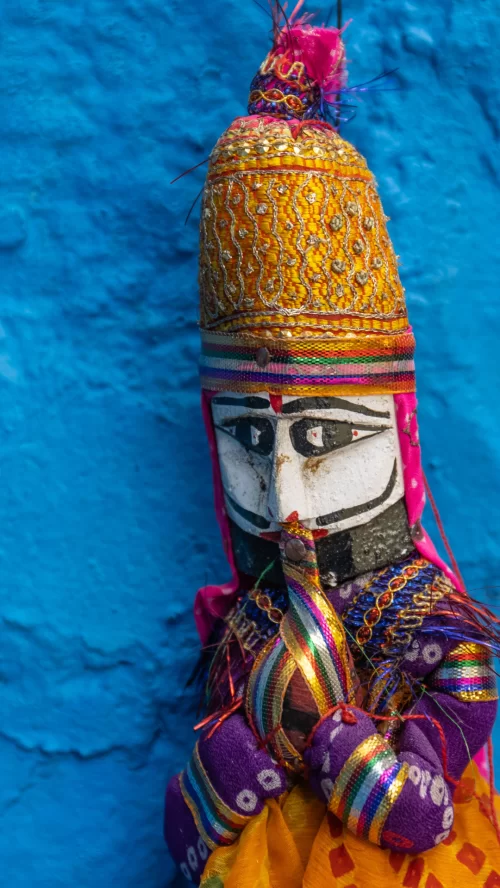
Traditional clothing and handicrafts are among Rajasthan's most recognisable cultural symbols. Brightly coloured turbans, embroidered garments, mirror work, jewellery, textiles, and handcrafted accessories reflect the artistic diversity found across different regions of the state. Visitors exploring heritage markets and artisan workshops encounter generations of craftsmanship preserved through families and local communities.
Rajasthan is equally famous for blue pottery, block printing, miniature paintings, leatherwork, marble carving, woodcraft, metalwork, and decorative arts that continue to attract collectors and travellers from around the world. Visiting craft centres allows travellers to observe skilled artisans at work while learning about techniques that have been practised for centuries.
Rajasthan's handicrafts and traditional clothing represent an enduring artistic heritage that continues to thrive through local artisans and cultural traditions.
Rajasthan's customs have been shaped by centuries of royal history, desert life, trade routes, religious traditions, and regional communities. Visitors encounter warm hospitality, traditional greetings, colourful ceremonies, historic architecture, village customs, and local festivals that continue to influence daily life across the state. These customs provide insight into Rajasthan's identity beyond its famous forts and palaces.
Travellers exploring villages, temples, markets, heritage neighbourhoods, and cultural centres gain a deeper understanding of how traditions remain an active part of modern Rajasthan. Respecting local customs while participating thoughtfully in cultural experiences allows visitors to appreciate the state's remarkable heritage in a meaningful and responsible way.
Rajasthan's customs and traditions continue to enrich every visitor's journey by connecting its remarkable history with the everyday lives of its people.
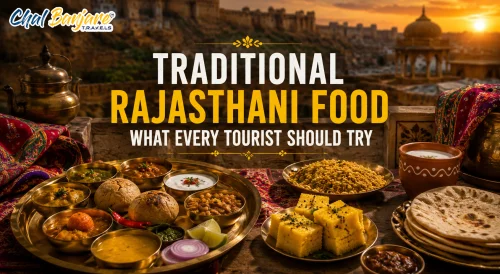
Rajasthan is celebrated for a distinctive culinary tradition that developed over centuries in response to the region's climate, local ingredients, and royal heritage. The state's cuisine combines rich flavours, traditional cooking techniques, and recipes that continue to be prepared in homes and restaurants across different regions. Among the most recognised dishes are Dal Baati Churma, Gatte Ki Sabzi, Ker Sangri, Laal Maas, Safed Maas, Bajra preparations, and a variety of traditional breads and desserts.
Every city also contributes its own regional specialities, allowing travellers to experience different flavours throughout the journey. Heritage restaurants, family-run eateries, and local dining establishments offer opportunities to enjoy authentic recipes prepared according to long-standing traditions. Exploring Rajasthan through its food provides visitors with a deeper understanding of the state's cultural identity and regional diversity.
Traditional cuisine remains one of Rajasthan's greatest cultural attractions, offering memorable flavours that complement the state's remarkable heritage and hospitality.
Food experiences in Rajasthan extend well beyond restaurants. Bustling local markets, traditional sweet shops, street food areas, and heritage cafés provide visitors with opportunities to sample freshly prepared regional dishes throughout the day. Each city offers its own food culture, with neighbourhood markets often serving recipes that have been passed down through generations.
Traditional dining experiences in heritage hotels and restored palaces further introduce travellers to royal hospitality through carefully prepared regional meals served in historic surroundings. Whether exploring lively bazaars or enjoying meals in elegant heritage properties, visitors discover the variety and richness of Rajasthan's culinary traditions while experiencing local hospitality firsthand.
From busy street markets to elegant heritage restaurants, Rajasthan offers diverse dining experiences that introduce visitors to its rich culinary heritage.
One of the most interesting aspects of Rajasthan's cuisine is the variation found across different regions. Jaipur, Jodhpur, Udaipur, Jaisalmer, Bikaner, Ajmer, Kota, and other cities each offer local recipes, seasonal ingredients, and culinary traditions influenced by geography, climate, and community heritage. Travellers exploring multiple destinations often notice subtle differences in flavours, preparation styles, and regional specialities.
Sampling local cuisine throughout the journey allows visitors to appreciate Rajasthan's cultural diversity while supporting traditional family-run restaurants and local businesses. Combining food experiences with heritage sightseeing creates a well-rounded itinerary where history, architecture, culture, and regional cuisine complement one another throughout the holiday.
Exploring regional flavours across Rajasthan allows travellers to enjoy a culinary journey that reflects the state's remarkable cultural and geographical diversity.
While Rajasthan is widely recognised for its deserts and royal heritage, its beautiful lakes form another important part of the state's identity. Udaipur, often called the City of Lakes, is surrounded by scenic water bodies including Lake Pichola, Fateh Sagar Lake, Udai Sagar, and several smaller lakes that enhance the city's historic charm. These lakes create picturesque settings alongside palaces, gardens, temples, and heritage buildings, making Udaipur one of Rajasthan's most photogenic destinations.
Visitors enjoy leisurely walks along lakefront promenades, panoramic viewpoints, peaceful boat rides where available, and opportunities to admire palace architecture reflected across calm waters. Sunrise and sunset provide particularly attractive lighting conditions, making the lakes popular among photographers and travellers seeking a relaxed atmosphere after exploring Rajasthan's historic monuments.
Udaipur's lakes provide one of Rajasthan's most peaceful travel experiences while showcasing the state's remarkable blend of nature and royal architecture.
Rajasthan offers a surprising variety of natural attractions beyond its historic cities. Protected forests, wildlife reserves, wetlands, and hill landscapes create opportunities for nature enthusiasts to explore diverse ecosystems throughout the state. Ranthambore National Park, Sariska Tiger Reserve, Keoladeo National Park, Mount Abu Wildlife Sanctuary, and several conservation areas support rich biodiversity while offering responsible wildlife experiences.
Travellers can also explore forested valleys, rocky hills, seasonal rivers, gardens, and protected habitats that contrast beautifully with Rajasthan's more familiar desert environment. These destinations provide opportunities for birdwatching, nature photography, peaceful walks, and wildlife observation while adding variety to heritage-focused itineraries.
Natural attractions across Rajasthan provide visitors with rewarding outdoor experiences while highlighting the state's remarkable environmental diversity.
Travelling across Rajasthan reveals an impressive range of landscapes that extend well beyond royal architecture and urban heritage. Visitors move through the golden dunes of the Thar Desert, the Aravalli Hills, fertile agricultural regions, peaceful lakes, forest reserves, rocky plateaus, and colourful rural villages. Every region presents different scenery that enriches the overall travel experience and demonstrates the state's geographical diversity.
Road trips are particularly rewarding because they allow travellers to witness gradual changes in landscape, architecture, local traditions, and vegetation while moving between destinations. Exploring Rajasthan beyond its famous cities provides a broader appreciation of its natural beauty and cultural richness, making the journey itself an important highlight of the holiday.
Rajasthan's changing landscapes ensure that every stage of the journey offers new scenery, fresh experiences, and a deeper appreciation of the state's remarkable natural beauty.
Rajasthan is one of India's leading wildlife destinations, with Ranthambore National Park being its most recognised protected area. Located near Sawai Madhopur, the park is known for its diverse landscapes of forests, lakes, rocky hills, grasslands, and historic ruins that provide habitat for numerous wildlife species. Ranthambore attracts nature enthusiasts, photographers, and conservation-minded travellers who wish to experience Rajasthan beyond its royal heritage and desert scenery.
Jeep and canter safaris allow visitors to explore designated tourism zones while observing wildlife in its natural habitat under the guidance of authorised forest guides. Besides its famous tiger population, the park supports a rich variety of mammals, reptiles, and birdlife. Responsible safari tourism contributes to conservation efforts while offering visitors an opportunity to appreciate Rajasthan's remarkable biodiversity.
Ranthambore combines wildlife, history, and scenic landscapes to create one of Rajasthan's most rewarding outdoor experiences for nature lovers.
Beyond Ranthambore, Rajasthan offers several important wildlife sanctuaries and protected areas that showcase the state's ecological diversity. Sariska Tiger Reserve, Keoladeo National Park, Mount Abu Wildlife Sanctuary, Tal Chhapar Sanctuary, Desert National Park, and numerous conservation areas provide opportunities to explore forests, wetlands, grasslands, rocky hills, and desert ecosystems. Each destination supports different species while offering unique natural landscapes.
Birdwatchers particularly appreciate Rajasthan's wetlands and seasonal habitats, where resident and migratory birds can often be observed during suitable times of the year. Nature enthusiasts can combine wildlife exploration with photography, scenic drives, and visits to nearby heritage destinations, creating balanced itineraries that include both culture and nature throughout the journey.
Rajasthan's wildlife destinations demonstrate that the state offers much more than royal monuments, providing rewarding experiences for nature enthusiasts throughout the year.
Rajasthan's protected forests present landscapes that contrast strongly with the state's famous desert scenery. Dense woodlands, rocky hills, river valleys, seasonal streams, grasslands, and open forest clearings create beautiful environments for wildlife observation and outdoor exploration. These varied habitats support ecological diversity while allowing visitors to appreciate another side of Rajasthan's natural heritage.
Exploring protected areas through authorised safaris and guided nature experiences helps travellers understand conservation efforts while enjoying peaceful surroundings away from busy cities. Respecting park regulations, maintaining safe distances from wildlife, and following guide instructions ensure that tourism remains sustainable while protecting Rajasthan's valuable natural ecosystems for future generations.
Rajasthan's forests and protected landscapes add another dimension to the state's tourism appeal by combining nature, conservation, and outdoor adventure.
Rajasthan is famous for its vibrant traditional markets where centuries-old craftsmanship continues to flourish. Every major city offers distinctive shopping experiences featuring handwoven textiles, embroidered garments, silver jewellery, gemstones, leather goods, wooden crafts, decorative items, pottery, carpets, and locally produced souvenirs. Walking through these colourful bazaars allows visitors to appreciate Rajasthan's artistic traditions while supporting skilled artisan communities.
Markets in Jaipur, Jodhpur, Udaipur, Jaisalmer, Bikaner, Pushkar, and other heritage towns each specialise in different products shaped by local traditions and regional craftsmanship. Many families have practised these skills for generations, preserving techniques that remain an important part of Rajasthan's cultural identity today.
Rajasthan's traditional markets offer visitors authentic shopping experiences while celebrating the craftsmanship and creativity of local artisans.
Among Rajasthan's most celebrated handicrafts are Jaipur's blue pottery, traditional block printing, miniature paintings, marble carving, leatherwork, woodcraft, metalwork, embroidered textiles, and decorative artwork. These crafts reflect centuries of artistic development influenced by royal patronage, trade routes, and regional cultural traditions. Visitors can often observe artisans creating these products using techniques passed down through generations.
Craft workshops, artisan villages, museums, and heritage markets provide opportunities to learn about production methods while appreciating the skill involved in each handmade piece. Purchasing authentic handicrafts directly from artisans supports local communities and helps preserve traditional craftsmanship for future generations.
Rajasthan's handicrafts showcase exceptional artistic skill while providing meaningful cultural experiences for visitors interested in traditional craftsmanship.
Every major city in Rajasthan offers a unique shopping atmosphere shaped by its own history, regional products, and artisan communities. Jaipur is renowned for gemstones, jewellery, blue pottery, textiles, and block prints, while Jodhpur specialises in furniture, handicrafts, antiques, and leather goods. Udaipur, Jaisalmer, Bikaner, and Pushkar also offer distinctive regional products that reflect local traditions and artistic heritage.
Exploring traditional markets becomes more than a shopping activity because visitors experience local culture through conversations with artisans, demonstrations of craftsmanship, regional food stalls, and historic market streets. Including shopping within a Rajasthan itinerary allows travellers to take home meaningful souvenirs while supporting local economies and preserving traditional art forms.
Shopping across Rajasthan combines cultural discovery with traditional craftsmanship, allowing visitors to experience the state's artistic heritage while supporting local communities.
Rajasthan is renowned for its vibrant festivals that celebrate the state's rich heritage, traditional lifestyles, music, dance, religion, and rural communities. Among the most famous events is the Pushkar Fair, one of India's best-known cultural gatherings, where visitors experience traditional livestock trading, folk performances, handicraft exhibitions, cultural competitions, and religious activities. The fair attracts travellers from across India and around the world who wish to experience Rajasthan's traditions in an authentic setting.
The Desert Festival in Jaisalmer is another major attraction, showcasing colourful performances, camel-related activities, traditional costumes, folk music, and cultural competitions against the spectacular backdrop of the Thar Desert. These celebrations provide visitors with opportunities to experience Rajasthan's heritage beyond monuments while interacting with local communities and witnessing customs that continue to flourish today.
Rajasthan's famous festivals offer visitors a unique opportunity to experience the state's traditions, hospitality, and cultural richness through lively community celebrations.
Throughout the year, Rajasthan hosts numerous cultural programmes that celebrate regional music, dance, storytelling, handicrafts, and artistic traditions. Heritage cities, museums, cultural centres, palace complexes, and tourism venues regularly organise performances that introduce visitors to the state's rich artistic heritage. Folk musicians and dancers preserve traditional styles that have been passed down across generations, creating performances that remain closely connected with Rajasthan's history.
These cultural events also provide opportunities to appreciate traditional costumes, regional instruments, ceremonial customs, and community celebrations in an authentic atmosphere. Travellers interested in photography, performing arts, or cultural tourism often include such programmes within their itinerary to gain a deeper understanding of Rajasthan beyond its famous forts and palaces.
Music, dance, and cultural performances enrich every Rajasthan holiday by allowing visitors to experience traditions that continue to thrive across the state.
Travellers interested in experiencing Rajasthan's festivals should review event calendars while planning their journey because many celebrations occur during specific seasons. Festivals often coincide with pleasant weather, making them ideal opportunities to combine sightseeing with cultural experiences. However, these events also attract significant visitor numbers, increasing demand for hotels, transportation, and guided tours in nearby destinations.
Advance planning allows travellers to secure accommodation, transportation, and suitable itineraries while avoiding last-minute availability issues. Visitors should also allow extra time for exploring local markets, artisan exhibitions, food stalls, and community activities organised alongside major festivals. Careful scheduling helps travellers enjoy both Rajasthan's heritage attractions and its vibrant cultural celebrations within the same holiday.
Planning a Rajasthan trip around major festivals allows visitors to experience the state's cultural heritage at its most colourful while enjoying unforgettable traditional celebrations.
Rajasthan offers an exceptional variety of travel experiences, allowing every visitor to create an itinerary that reflects individual interests. Travellers fascinated by history can focus on forts, palaces, museums, and heritage cities, while culture enthusiasts may include traditional villages, artisan workshops, local festivals, music performances, and regional cuisine. Nature lovers can explore lakes, wildlife reserves, forests, and desert landscapes, whereas photographers benefit from colourful streets, royal architecture, scenic viewpoints, and dramatic sunsets.
The flexibility of Rajasthan's tourism infrastructure allows visitors to combine multiple experiences within a single journey. Families, couples, solo travellers, luxury holidaymakers, and budget travellers can all customise routes according to available time, travel pace, and preferred attractions. This diversity is one of the main reasons Rajasthan continues to attract visitors from around the world.
Rajasthan's remarkable diversity ensures that every traveller can design a memorable journey filled with history, culture, nature, and authentic local experiences.
Careful planning helps travellers experience Rajasthan comfortably while making the best use of available travel time. Selecting destinations according to interests, estimating realistic travel distances, organising transportation, and booking accommodation in advance all contribute to a smoother journey. Visitors should also consider seasonal weather, local festivals, and sightseeing priorities while designing their itinerary.
Balanced travel plans leave sufficient time for exploring monuments, local markets, traditional food, cultural performances, museums, and natural attractions without rushing between cities. Flexible scheduling also allows travellers to enjoy unexpected discoveries, scenic stops, and regional experiences that often become some of the most memorable highlights of a Rajasthan holiday.
Well-organised planning allows visitors to focus on enjoying Rajasthan's extraordinary heritage, landscapes, and traditions while reducing unnecessary travel challenges.
Before starting the journey, travellers should confirm transportation tickets, accommodation reservations, identification documents, weather forecasts, suitable clothing, payment methods, and local transportation arrangements. Packing according to the season, carrying offline maps, keeping copies of important bookings, and reviewing opening hours of major attractions contribute to a smoother travel experience throughout the holiday.
Visitors should also make time for experiences beyond the major tourist landmarks by exploring local markets, tasting regional cuisine, attending cultural performances, visiting artisan workshops, and interacting respectfully with local communities. These authentic moments often become the most memorable part of the trip while providing a deeper appreciation of everything that makes Rajasthan famous across India and around the world.
With thoughtful planning and an open mind, Rajasthan rewards travellers with unforgettable experiences that combine royal heritage, colourful culture, spectacular landscapes, remarkable hospitality, and memories that last long after the journey is complete.
Get customized Rajasthan tour planning designed around desert climate comfort, long-distance road travel flow, heritage exploration time, and realistic pacing between regions. Whether you are visiting for fort architecture, palace heritage, cultural exper
⚡ Quick Response | 💰 Free consultation | 🕒 24×7 expert support