Explore the History of Rajasthan's Artisan Communities and Craftsmanship Traditions
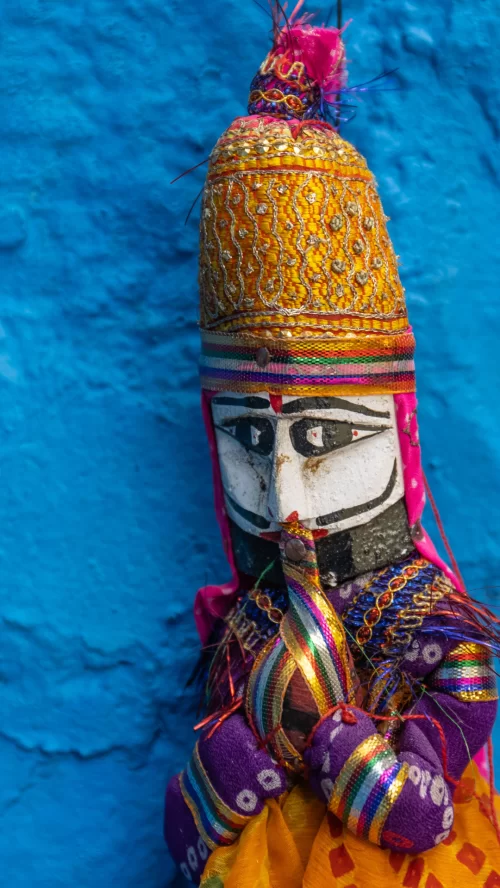
Rajasthan's artistic heritage has been shaped over centuries by highly skilled artisan communities who specialised in textiles, jewellery, pottery, painting, wood carving, leatherwork, metal crafts, and stone carving. These traditional occupations were passed from one generation to another, allowing specialised techniques to survive for hundreds of years. Different regions gradually became known for particular crafts, creating a remarkable diversity of artistic traditions across the state.
The growth of trade routes, prosperous merchant communities, and royal kingdoms encouraged artisans to develop products that combined practical use with exceptional craftsmanship. Villages, historic towns, and royal capitals became centres where families continued producing handmade items using traditional methods. Even today, many artisans preserve centuries-old techniques while adapting their work for contemporary visitors, allowing Rajasthan to remain one of India's leading destinations for traditional handicrafts.
- Historic Artisan Communities: Generations of skilled craftsmanship.
- Traditional Techniques: Preserved across centuries.
- Regional Specialisation: Different crafts in different cities.
- Family Traditions: Skills passed through generations.
- Historic Trade Routes: Encouraged artistic development.
- Living Heritage: Traditional crafts continue today.
- Cultural Identity: Handicrafts remain central to Rajasthan.
Understanding Rajasthan's artisan communities helps visitors appreciate that every handmade object represents generations of knowledge, cultural tradition, and remarkable artistic dedication preserved throughout the state's history.
Understand How Royal Patronage Influenced Regional Art Forms
The rulers of Rajasthan played a significant role in encouraging artistic excellence by supporting painters, jewellers, textile designers, sculptors, architects, musicians, and craftsmen within their royal courts. Royal patronage provided artisans with opportunities to refine their skills while producing decorative objects, ceremonial jewellery, palace furnishings, paintings, textiles, and architectural details that reflected the prestige of the kingdom. Many of Rajasthan's finest artistic traditions developed during this period of sustained royal support.
Each royal kingdom contributed its own distinctive artistic identity. Jaipur became famous for jewellery, blue pottery, and block printing, Udaipur developed renowned miniature paintings, Jodhpur excelled in furniture and woodwork, while desert regions preserved embroidery, leather crafts, and decorative textiles suited to local lifestyles. This diversity continues to define Rajasthan's cultural landscape and makes every heritage city unique for visitors interested in traditional arts.
| Royal Centre |
Famous Art Form |
Present-Day Heritage |
| Jaipur |
Jewellery and block printing |
Traditional artisan markets |
| Udaipur |
Miniature paintings |
Art galleries and workshops |
| Jodhpur |
Wood craftsmanship |
Furniture and handicrafts |
| Jaisalmer |
Leather and embroidery |
Desert handicrafts |
Royal patronage transformed Rajasthan into one of India's greatest artistic centres. The influence of these royal courts continues to shape the state's cultural identity through traditional crafts that remain highly valued today.
Discover the Cultural Importance of Handmade Products Across Rajasthan
Traditional handicrafts remain closely connected with Rajasthan's festivals, religious ceremonies, weddings, daily life, and cultural identity. Handmade textiles, jewellery, pottery, paintings, embroidered fabrics, decorative objects, and household items continue to be used across both urban and rural communities. Rather than existing only as souvenirs, many of these crafts still serve practical and ceremonial purposes within local traditions.
For travellers, purchasing authentic handicrafts also supports artisan communities that continue preserving traditional techniques. Visiting artisan workshops, village craft centres, heritage markets, and government emporiums provides opportunities to understand the craftsmanship involved while encouraging sustainable cultural tourism. Every handmade product reflects not only artistic skill but also the history, traditions, and creativity of Rajasthan's diverse communities.
- Living Traditions: Crafts remain part of daily life.
- Cultural Significance: Used during festivals and ceremonies.
- Authentic Handicrafts: Handmade by skilled artisans.
- Village Craft Centres: Traditional production continues.
- Government Emporiums: Support local artisans.
- Responsible Shopping: Encourage cultural preservation.
- Unique Souvenirs: Take home Rajasthan's artistic heritage.
Handmade products represent one of Rajasthan's greatest cultural treasures. Every craft preserves generations of artistic knowledge while continuing to connect modern visitors with the state's remarkable heritage and living traditions.