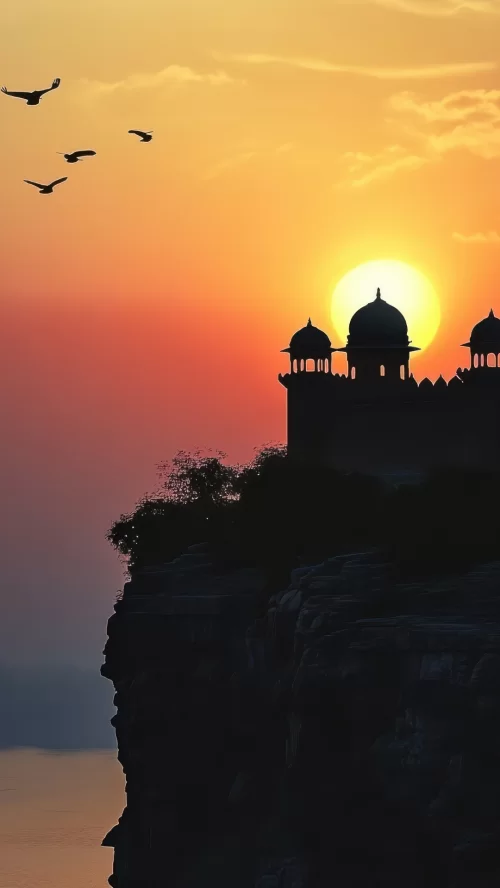
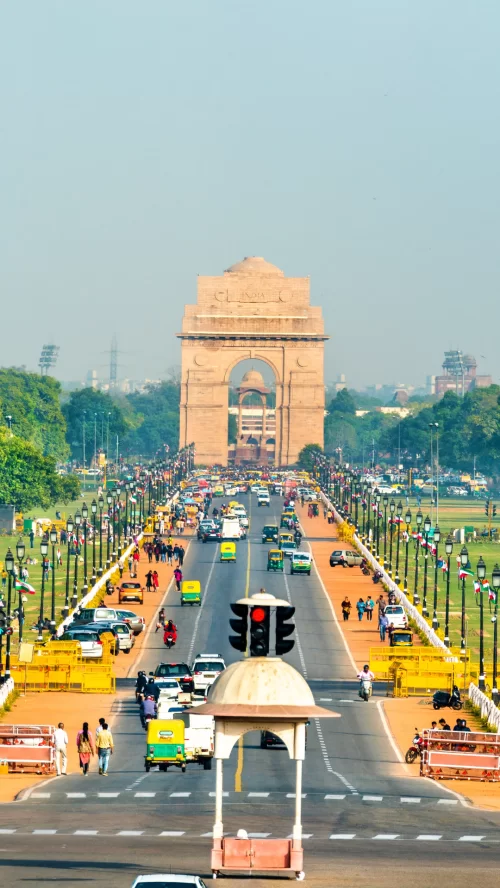
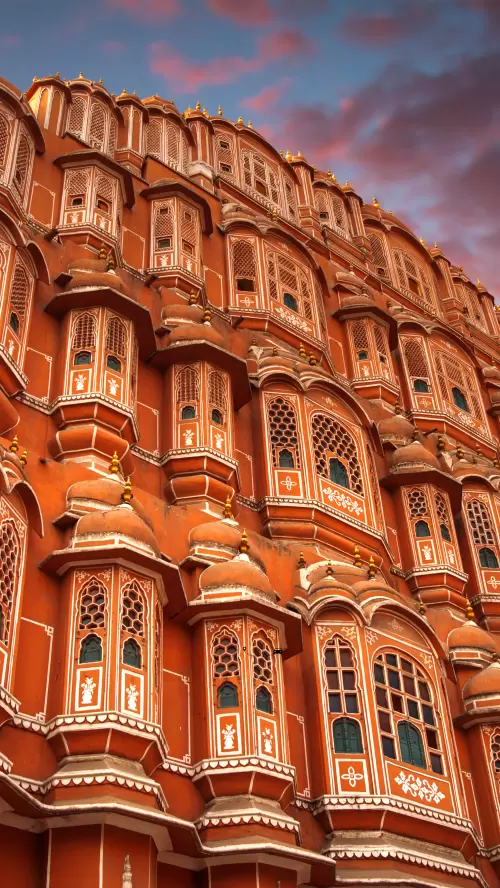

Royal Heritage of Rajasthan – Forts, Palaces and Living History
Rajasthan’s royal heritage showcases magnificent forts, grand palaces, ancient traditions, and living cultural experiences that reflect the state’s historic kingdoms and royal legacy.
+91 9910402252
admin@chalbanjare.com


Rajasthan’s desert regions offer unique landscapes, cultural experiences and unforgettable sunsets, but travelers should understand the climate, travel conditions and practical considerations before planning a desert journey.
The Thar Desert is one of the most distinctive landscapes in India and forms a major part of western Rajasthan's tourism appeal. Unlike mountain destinations, forests, or coastal regions, the desert offers vast open landscapes, rolling sand dunes, traditional villages, historic trade routes, and a unique cultural identity shaped by centuries of adaptation to arid conditions.
Travelers are often drawn to the contrast between golden desert scenery and Rajasthan's rich cultural heritage. The experience extends beyond the dunes themselves and includes local traditions, architecture, cuisine, music, and desert lifestyles that cannot be found in many other parts of the country.
Understanding the desert as both a natural and cultural destination helps travelers appreciate the full experience beyond its famous sand dunes.
Western Rajasthan contains several destinations that allow visitors to experience different aspects of desert travel. Jaisalmer is the most famous desert city and serves as the primary gateway to sand dune experiences. Bikaner offers a combination of desert culture, heritage attractions, and historic architecture, while smaller desert settlements provide opportunities to experience rural landscapes and traditional lifestyles.
Each destination offers a slightly different perspective on desert tourism. Some focus on heritage and culture, while others emphasize natural scenery, desert camps, and outdoor experiences.
Selecting destinations according to interests and travel style helps create a more rewarding desert itinerary.
Many first-time visitors imagine endless sand dunes across the entire region, but the reality of desert travel is more diverse. Desert experiences include towns, villages, historic sites, cultural activities, local communities, and varying landscapes rather than continuous dune scenery.
Understanding what the desert actually offers helps travelers build realistic expectations and avoid disappointment. The most rewarding trips often combine natural landscapes with cultural and historical exploration.
Travelers who understand the broader appeal of Rajasthan's desert regions often enjoy a richer and more memorable experience.
Winter is generally considered the most comfortable season for exploring Rajasthan's desert regions. Pleasant daytime temperatures allow travelers to enjoy sightseeing, desert excursions, cultural activities, and outdoor experiences without the intense heat commonly associated with desert environments.
The season is particularly popular among families, senior citizens, and travelers interested in spending extended periods outdoors. Comfortable weather also supports multi-day itineraries that combine heritage attractions with desert experiences.
Travelers seeking comfortable weather often find winter to be the most enjoyable season for desert tourism in Rajasthan.
Summer brings some of the highest temperatures experienced anywhere in Rajasthan. Desert regions can become particularly challenging during the hottest months, especially for travelers who are not accustomed to extreme heat or prolonged outdoor exposure.
Sightseeing schedules often require significant adjustments, with many activities shifting to early morning and evening hours. Visitors planning summer trips should prepare carefully for weather-related challenges before departure.
Summer travel remains possible, but it requires realistic expectations and careful preparation to maintain comfort throughout the journey.
Desert travel experiences vary considerably throughout the year. Weather conditions influence sightseeing opportunities, outdoor activities, transportation comfort, and overall travel pace. Seasonal differences can affect everything from daily schedules to accommodation preferences.
Travelers should consider seasonal conditions as one of the most important factors when planning a desert itinerary. Understanding these differences helps visitors choose travel dates that align with their preferences and comfort requirements.
Selecting the right season helps travelers enjoy Rajasthan's desert regions under conditions that best match their expectations.
One of the defining characteristics of desert climates is the contrast between daytime and evening temperatures. During many parts of the year, desert regions experience warm to hot daytime conditions followed by noticeably cooler evenings after sunset.
This temperature variation often surprises first-time visitors who expect conditions to remain constant throughout the day. Travelers should be prepared for changing weather patterns when planning activities and packing clothing.
Understanding daily temperature changes helps travelers plan activities more effectively and remain comfortable during their desert journey.
Rajasthan's desert regions experience substantial seasonal temperature differences. Conditions during winter can feel very different from those experienced during peak summer. These variations affect sightseeing comfort, accommodation choices, and the types of activities travelers may prefer.
Visitors who research expected weather before departure are often better prepared to adapt their schedules and packing plans according to local conditions.
Awareness of seasonal temperature differences helps travelers make informed decisions before visiting desert destinations.
Desert climates can feel different from many other destinations because conditions change rapidly between day and night. Travelers who prepare for these variations often experience fewer weather-related inconveniences and enjoy greater overall comfort.
Preparation should include considering sightseeing schedules, accommodation choices, transportation plans, and suitable clothing for changing temperatures throughout the day.
Thoughtful preparation allows travelers to adapt comfortably to the unique climate patterns found across Rajasthan's desert regions.
Road travel is one of the most common ways to explore Rajasthan's desert destinations because it provides flexibility and allows travelers to experience changing landscapes throughout the journey. Routes connecting Jaisalmer, Bikaner, Jodhpur, Pokaran, Osian, Khimsar, and surrounding desert regions pass through a mixture of highways, rural settlements, open desert stretches, and historic towns.
Many travelers underestimate the distances involved when planning desert itineraries. Although the roads connecting major destinations are generally accessible, travel days can be longer than expected due to the large geographical area of western Rajasthan. Proper planning helps travelers avoid rushed schedules and unnecessary fatigue.
Travelers who understand regional distances before departure are better prepared to create comfortable itineraries and enjoy the journey between destinations.
Remote desert destinations often require longer travel times than visitors initially expect. Unlike densely populated tourism regions, western Rajasthan contains large open areas where attractions may be separated by considerable distances. This can affect daily schedules, sightseeing opportunities, and transportation planning.
Travelers should account for breaks, photography stops, local sightseeing opportunities, and changing road conditions when estimating travel times. A flexible approach often produces a more enjoyable experience than attempting to follow an overly ambitious schedule.
Recognizing the scale of western Rajasthan helps travelers avoid one of the most common desert travel planning mistakes.
Transportation requirements differ according to travel style, group size, destination selection, and personal preferences. Some travelers prefer independent road trips, while others choose organized transportation arrangements that simplify logistics throughout the journey.
The most suitable option depends on the complexity of the itinerary and the comfort requirements of the travelers involved. Families, senior citizens, and multi-generation groups often prioritize convenience and flexibility when selecting transportation for desert travel.
Careful transportation planning helps travelers move comfortably between destinations while maximizing their time in Rajasthan's desert regions.
Rajasthan's desert destinations offer a wide variety of accommodation styles ranging from city hotels and heritage properties to desert camps and rural stays. Each option provides a different perspective on desert travel and appeals to different types of visitors.
Travelers can choose accommodations according to their comfort preferences, sightseeing priorities, and desired travel experience. Some visitors prefer traditional hotel stays in major cities, while others seek more immersive experiences closer to the desert landscape.
Choosing accommodations thoughtfully helps travelers create a desert itinerary that matches their interests and expectations.
Many travelers are attracted to the idea of staying in desert camps, but it is important to understand that facilities and comfort levels can vary between properties. Some camps focus on traditional desert experiences, while others emphasize comfort and convenience for modern travelers.
Before booking, travelers should review available facilities, accessibility, transportation arrangements, dining options, and overall suitability for their group. This is particularly important for families with children and senior travelers who may have specific comfort requirements.
Understanding accommodation details before arrival helps ensure that expectations align with the actual desert stay experience.
Different travelers seek different experiences from desert tourism. Some prioritize cultural immersion and scenic surroundings, while others focus on convenience, comfort, or accessibility. Accommodation choices should reflect these priorities rather than simply following popular trends.
Travelers who select stays according to their personal preferences are often more satisfied with their overall experience and better able to enjoy the surrounding attractions.
Matching accommodations to personal travel preferences helps create a more enjoyable and comfortable desert journey.
Desert exploration is one of the most anticipated parts of a Rajasthan desert trip. Many visitors choose to spend time exploring sand dune regions and learning about traditional desert lifestyles. These experiences allow travelers to appreciate the scale of the landscape while gaining insight into local culture and history.
Exploration activities vary according to destination, season, and travel style. Some travelers focus on scenic experiences and photography, while others seek cultural interactions and a deeper understanding of desert communities.
Approaching desert exploration with realistic expectations helps visitors appreciate the landscape and cultural context of the region.
Rajasthan's desert regions are known not only for their landscapes but also for their rich cultural traditions. Music, dance, storytelling, traditional crafts, and local customs form an important part of the desert tourism experience and provide visitors with insight into regional heritage.
These cultural activities often complement sightseeing and help travelers connect with the human side of desert life. They add depth and variety to the journey beyond the natural scenery alone.
Travelers who include cultural experiences in their itineraries often gain a broader understanding of Rajasthan's desert regions.
Desert evenings are often very different from daytime conditions. Temperatures generally become more comfortable, creating an atmosphere that encourages outdoor relaxation, cultural experiences, and scenic appreciation. Many travelers consider evenings to be among the most enjoyable parts of a desert journey.
Visitors should approach desert evenings with realistic expectations and understand that the appeal often lies in the atmosphere, landscape, and cultural setting rather than nonstop activity.
Understanding the pace and atmosphere of desert evenings helps travelers appreciate one of the most distinctive aspects of Rajasthan desert tourism.
Packing appropriate clothing is one of the most important aspects of preparing for a Rajasthan desert trip. Desert climates can feel very different from other regions because temperatures often change noticeably between daytime and evening hours. Travelers who arrive with unsuitable clothing frequently experience unnecessary discomfort during sightseeing and outdoor activities.
Comfortable, breathable clothing is generally preferable for daytime exploration, while additional layers may become useful during cooler evenings in certain seasons. Travelers should also consider the amount of walking involved when selecting clothing for desert sightseeing and cultural experiences.
Thoughtful clothing choices help travelers remain comfortable throughout their desert journey while adapting more easily to changing weather conditions.
Desert environments often involve prolonged exposure to sunlight, particularly during sightseeing, road journeys, and outdoor activities. Travelers should prepare accordingly by including items that help manage sun exposure and maintain comfort during warmer periods of the day.
Hydration is equally important because desert climates can contribute to fluid loss more quickly than many visitors expect. Proper preparation helps reduce fatigue and supports a more enjoyable sightseeing experience throughout the trip.
Travelers who prioritize hydration and sun protection are generally better equipped to enjoy Rajasthan's desert attractions comfortably.
Small travel accessories often make a significant difference during desert journeys. Long travel days, sightseeing activities, photography sessions, and outdoor exploration become more convenient when travelers carry practical items suited to their itinerary and travel style.
The most useful accessories depend on planned activities, destinations, and season of travel. Preparing thoughtfully before departure helps reduce avoidable inconvenience while allowing travelers to focus on the experience itself.
A well-prepared packing strategy helps travelers adapt comfortably to desert conditions while reducing unnecessary travel challenges.
Heat exposure is one of the most important considerations during desert travel, particularly during warmer months. Many desert attractions involve spending time outdoors, and travelers who underestimate local temperatures may find sightseeing more physically demanding than expected.
Planning activities according to weather conditions, choosing appropriate sightseeing hours, and avoiding excessive outdoor exposure during the hottest parts of the day can significantly improve comfort. Travelers should remain aware of personal limits and adjust schedules when necessary.
Managing heat exposure effectively allows travelers to enjoy desert attractions while maintaining comfort throughout the journey.
Hydration is essential during any desert trip because dry conditions and outdoor activities can increase fluid loss. Many visitors do not immediately notice the effects of dehydration, particularly when focused on sightseeing and travel activities.
Maintaining regular hydration throughout the day helps support energy levels, improves comfort, and contributes to a more enjoyable overall travel experience. Families, senior citizens, and travelers spending extended periods outdoors should pay particular attention to hydration needs.
Simple hydration habits often have a major impact on comfort levels during desert exploration and sightseeing activities.
Most desert trips are completed without significant difficulties, but travelers should still follow sensible precautions that reflect local conditions. Awareness, preparation, and realistic expectations are often more important than any specific safety measure.
Travelers who understand weather patterns, transportation logistics, sightseeing requirements, and personal comfort limitations generally enjoy smoother and more rewarding desert journeys.
Practical preparation and awareness help travelers enjoy Rajasthan's desert regions comfortably while avoiding many common travel difficulties.
Desert landscapes change dramatically throughout the day, making timing an important consideration for sightseeing and photography. Light conditions, shadows, colors, and overall atmosphere vary considerably between morning, afternoon, and evening hours.
Many travelers find that the desert appears most visually striking when sunlight is softer and temperatures are more comfortable. Understanding these conditions helps visitors plan their sightseeing activities more effectively while enhancing the overall experience.
Travelers who plan around natural lighting conditions often enjoy both better sightseeing opportunities and more comfortable exploration.
Sunrise and sunset are among the most anticipated experiences in Rajasthan's desert regions. During these periods, changing light creates dramatic colors and highlights the natural contours of the sand dunes, producing some of the most memorable scenery in western Rajasthan.
These moments are often appreciated not only by photographers but also by travelers seeking peaceful and scenic experiences. The atmosphere during sunrise and sunset differs significantly from the heat and brightness of midday hours.
Many visitors consider sunrise and sunset among the most memorable parts of a Rajasthan desert journey.
Desert sightseeing extends far beyond sand dunes alone. Rajasthan's desert regions also feature historic forts, traditional settlements, cultural landmarks, scenic viewpoints, and architectural attractions that provide additional opportunities for exploration and photography.
Combining natural landscapes with cultural attractions creates a more complete travel experience and allows visitors to appreciate the diverse character of western Rajasthan.
Travelers who explore both the natural and cultural aspects of desert destinations often gain a deeper appreciation of Rajasthan's western regions.
A successful Rajasthan desert trip begins with realistic expectations and thoughtful preparation. Travelers should understand local weather patterns, transportation requirements, accommodation options, and the unique characteristics of desert tourism before finalizing their plans. Preparation allows visitors to focus on enjoying the experience rather than adapting to unexpected challenges after arrival.
Comfortable desert travel is not necessarily about luxury or extensive planning. Instead, it involves making informed decisions regarding travel dates, sightseeing schedules, packing, transportation, and daily activities according to individual preferences and needs.
Thoughtful preparation helps travelers experience the desert more comfortably while making the most of their time in western Rajasthan.
Not all desert destinations offer the same experience. Some travelers are drawn to heritage attractions and cultural experiences, while others focus primarily on landscapes, photography, desert camps, or scenic exploration. Understanding personal interests helps narrow destination choices and improve itinerary quality.
Weather should also play a major role in destination selection. Travel conditions vary throughout the year, and choosing locations that match seasonal expectations can significantly improve overall comfort and enjoyment.
Travelers who align destination choices with both weather conditions and personal interests often enjoy more rewarding desert experiences.
Before confirming travel arrangements, visitors should review all major planning factors including weather conditions, transportation logistics, accommodation choices, sightseeing priorities, packing requirements, and personal comfort considerations. This final review helps identify potential challenges before they affect the trip.
Desert tourism can be one of Rajasthan's most memorable travel experiences when approached with realistic expectations and proper preparation. Careful planning helps travelers enjoy the landscapes, culture, and atmosphere of the region while minimizing avoidable difficulties.
| Planning Area | Important Consideration |
|---|---|
| Weather | Research seasonal temperatures before travel |
| Destinations | Select locations matching interests and comfort levels |
| Transportation | Plan realistic travel times between destinations |
| Accommodation | Choose stays suitable for travel preferences |
| Packing | Prepare for desert conditions and temperature changes |
| Sightseeing | Allow adequate time for exploration |
| Health | Consider personal comfort and weather tolerance |
| Itinerary | Maintain flexibility throughout the journey |
The Rajasthan desert offers a remarkable combination of landscapes, culture, heritage, and traditional experiences. With realistic expectations, suitable preparation, and thoughtful planning, travelers can enjoy a comfortable and memorable journey through one of India's most distinctive regions.
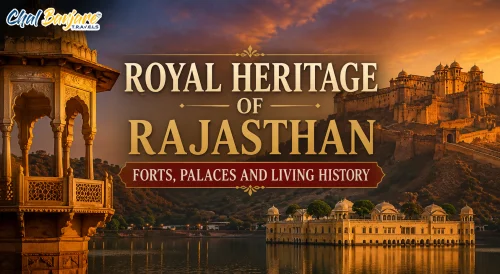

Get customized Rajasthan tour planning designed around desert climate comfort, long-distance road travel flow, heritage exploration time, and realistic pacing between regions. Whether you are visiting for fort architecture, palace heritage, cultural exper
⚡ Quick Response | 💰 Free consultation | 🕒 24×7 expert support